A Telemedicine App for Nonrigid Facial Rehabilitation Training Enhanced by Efficient Fully Convolutional Neural Network With Residual Network (EffiFCNN-ResNet) to Improve Accessibility for Patients With Nasopharyngeal Carcinoma Cancer: Randomized Controlled Trial
Tong Wu, Ting Han, Xiaoju Zhang, Yumei Dai, Xiaoyan Meng

TL;DR
A telemedicine app using a neural network model improves facial rehabilitation for nasopharyngeal cancer patients by providing real-time feedback and better outcomes than traditional methods.
Contribution
The novel EffiFCNN-ResNet model enables real-time monitoring and feedback for nonrigid facial rehabilitation exercises in a telemedicine app.
Findings
The telemedicine app significantly improved maximum mouth opening, exercise frequency, and health beliefs compared to traditional methods.
The model showed strong generalization (F1-score 0.96) and clinical stability (5.2% performance degradation in challenging conditions).
Users reported high usability scores (mean 74.3/100) and improved fatigue and quality of life outcomes.
Abstract
Resource limitations in public hospitals may hinder timely monitoring and management of rehabilitation in patients with nasopharyngeal carcinoma (NPC) after radiotherapy. This study developed and evaluated the telemedicine app “Open Care,” which integrates the Efficient Fully Convolutional Neural Network with Residual Network (EffiFCNN-ResNet) model and computer vision to monitor facial training exercises and provide real-time feedback, aiming to improve outcomes in patients with restricted mouth opening. Initially, the EffiFCNN-ResNet model underwent 5-fold cross-validation, expert validation, and robustness testing to assess its reliability and clinical applicability in complex real-world environments. Subsequently, to evaluate the telemedicine app, a parallel-group, 2-arm randomized controlled trial was conducted with 109 patients, who were randomly assigned to either the…
Genes, proteins, chemicals, diseases, species, mutations and cell lines named across the full text — each resolved to its canonical identifier and authoritative record.
Click any figure to enlarge with its caption.
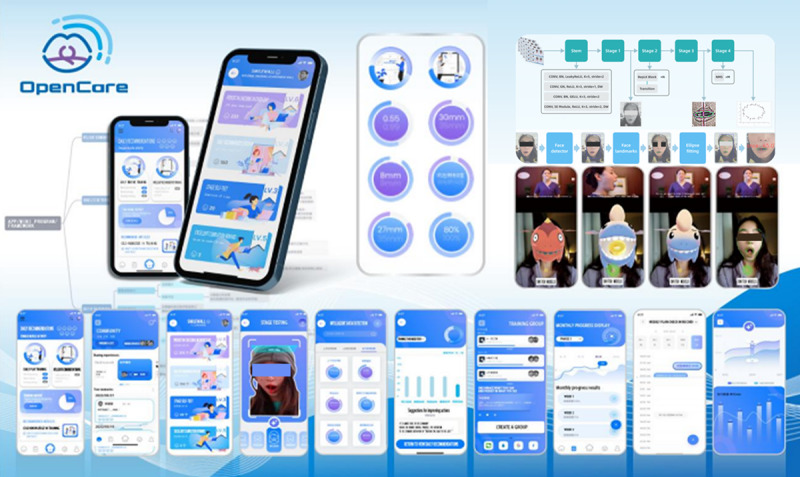 Figure 1
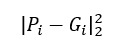 Figure 10
 Figure 11
 Figure 12
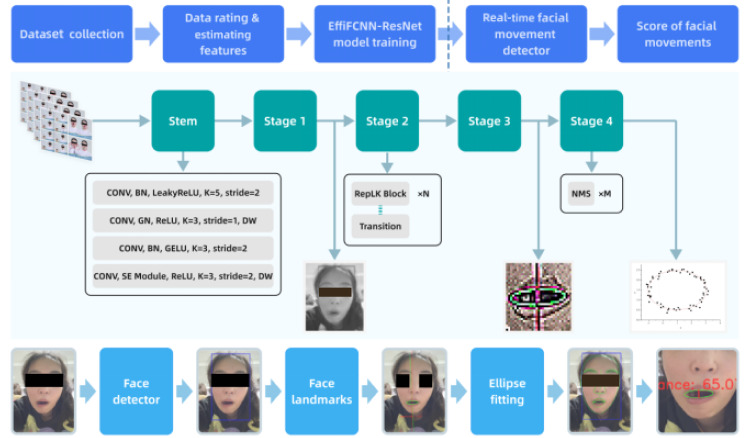 Figure 2
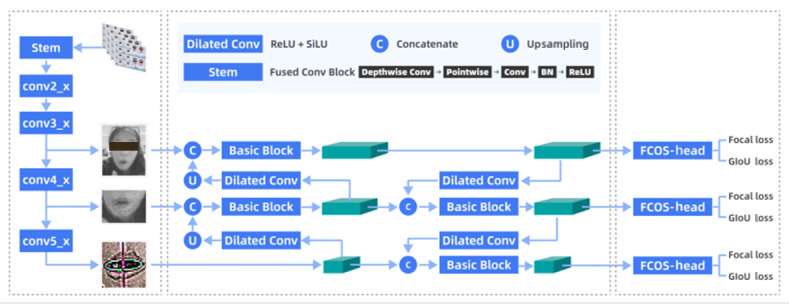 Figure 3
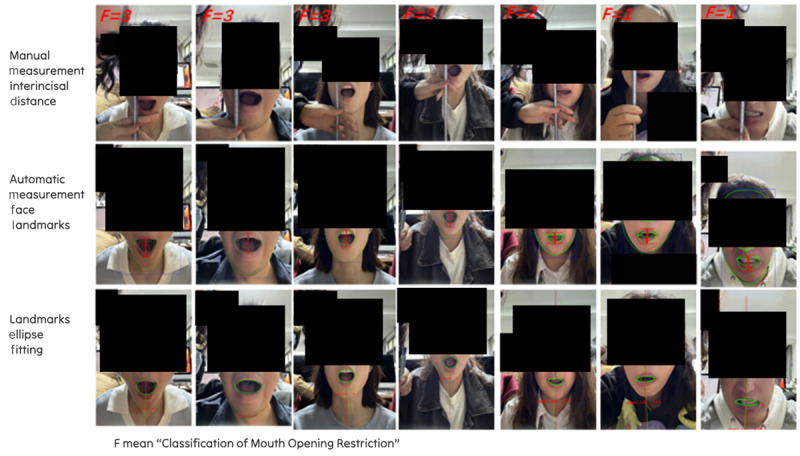 Figure 4
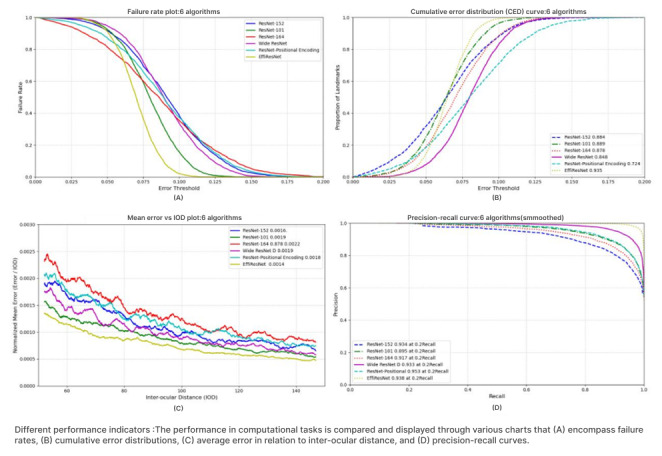 Figure 5
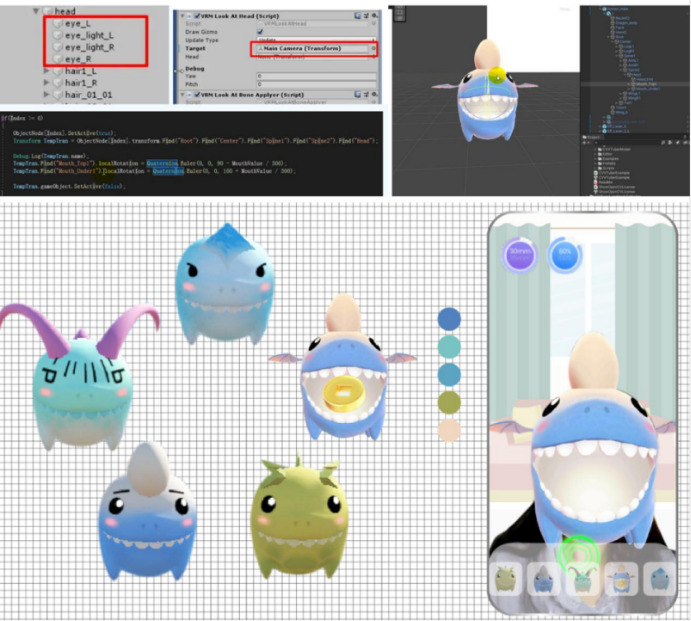 Figure 6
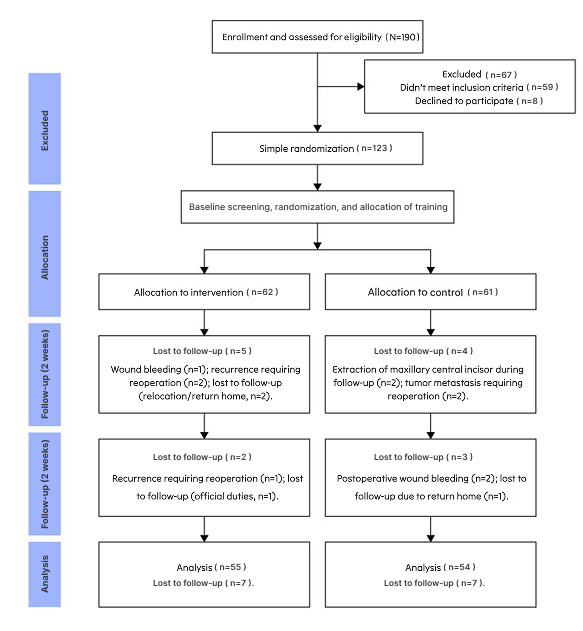 Figure 7
 Figure 8
 Figure 9
Peer Reviews
No public reviews on file for this paper yet. If you reviewed it on a platform where reviews are public (OpenReview, ICLR, NeurIPS, ICML), you can paste yours below so the community can read it here.
Videos
No videos yet. Explain this paper in a talk, walkthrough, or lecture? Add one.
Taxonomy
TopicsFacial Nerve Paralysis Treatment and Research · Dysphagia Assessment and Management · Dental Research and COVID-19