Longitudinal Effects of a Smartphone Game (Tumaini) for HIV Prevention Among Kenyan Adolescents: 45-Month Trajectories of Condom Use–Related Proximal Outcomes From a Randomized Controlled Trial
Kate Winskell, Gaëlle Sabben, Haowen Qin, Calvin Mbeda, Sophie Goldenberg, Ken Ondeng'e, Richard Ndivo, Judith Arego, Xinwei He, Robert A Bednarczyk, Kelli Komro, Robert H Lyles, Victor Mudhune

TL;DR
A smartphone game called Tumaini helped Kenyan adolescents improve their knowledge and intentions around condom use for HIV prevention over 45 months.
Contribution
The study demonstrates that a smartphone game can sustainably improve HIV prevention-related behaviors in adolescents over a long period.
Findings
Tumaini significantly improved condom-related outcomes like self-efficacy and knowledge in adolescents.
Effects were sustained 45 months after initial exposure and 16 months after the last exposure.
Female participants showed stronger improvements in self-efficacy, while males improved more in HIV knowledge.
Abstract
African adolescents and young adults account for a disproportionate number of new HIV infections. There is an urgent need to identify scalable and cost-effective behavioral HIV prevention strategies for this population. Using a condom at first sex is associated with a higher likelihood of consistent use later. Tumaini (“Hope for the Future” in Swahili; Emory University) is a choose-your-own-adventure smartphone game that has been shown to reduce the risk of unprotected first sex by end line in a 45-month randomized controlled trial in western Kenya. This study aimed to assess the impact of Tumaini on proximal outcomes related to condom use at first sex (specifically, behavioral intentions, self-efficacy, attitudes, and knowledge) longitudinally across mid-adolescence in the above trial. Adolescent participants (n=996, mean baseline age 14, SD 0.56 years) were randomized 1:1 to receive…
Genes, proteins, chemicals, diseases, species, mutations and cell lines named across the full text — each resolved to its canonical identifier and authoritative record.
Click any figure to enlarge with its caption.
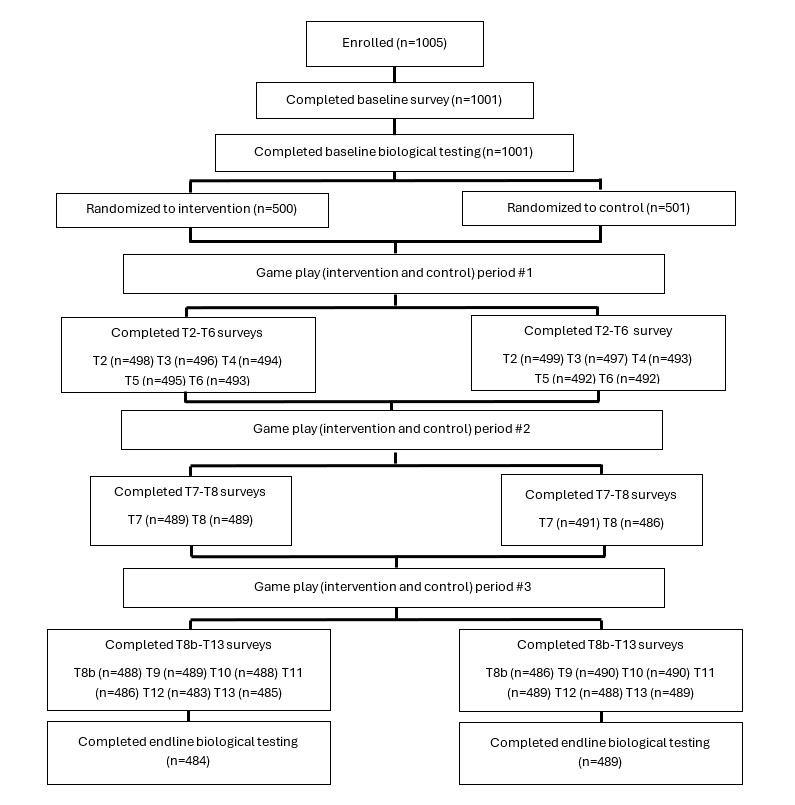 Figure 1
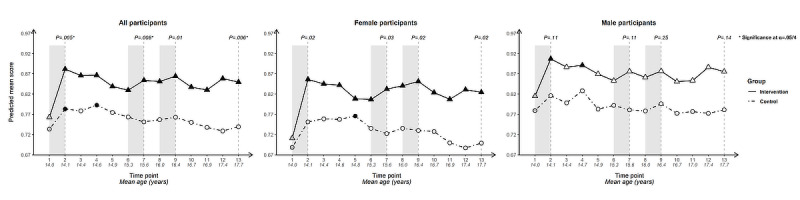 Figure 2
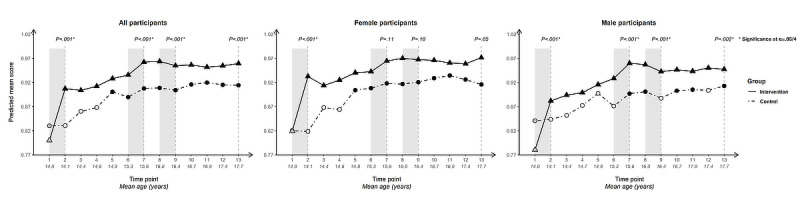 Figure 3
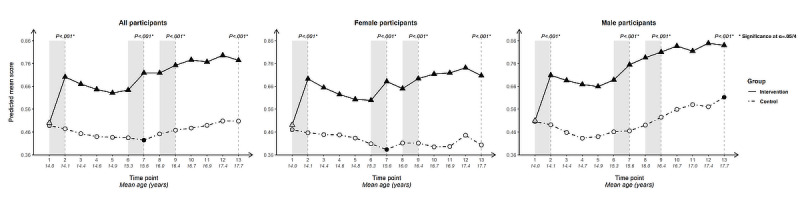 Figure 4
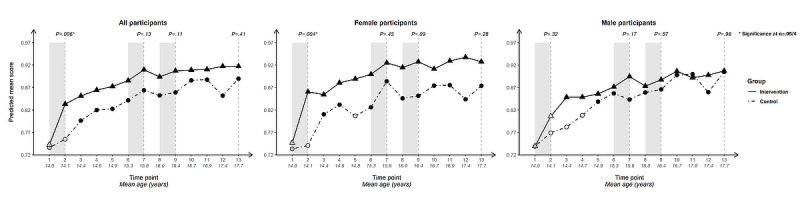 Figure 5
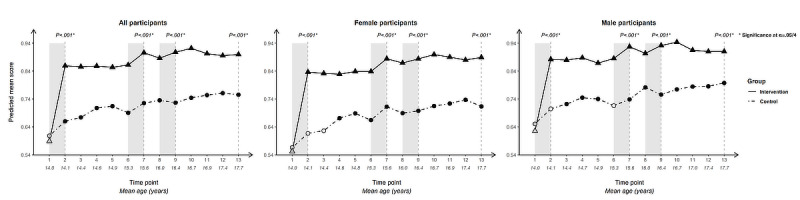 Figure 6
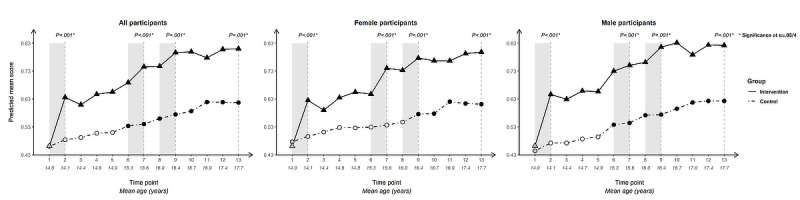 Figure 7
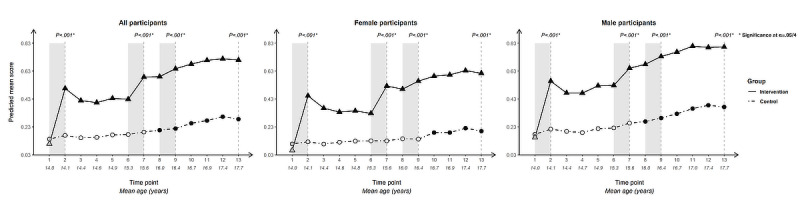 Figure 8
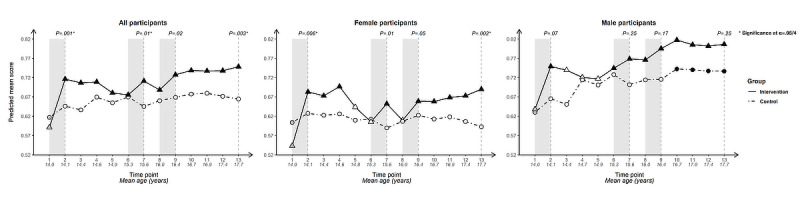 Figure 9
Peer Reviews
No public reviews on file for this paper yet. If you reviewed it on a platform where reviews are public (OpenReview, ICLR, NeurIPS, ICML), you can paste yours below so the community can read it here.
Videos
No videos yet. Explain this paper in a talk, walkthrough, or lecture? Add one.
Taxonomy
TopicsMobile Health and mHealth Applications · HIV/AIDS Research and Interventions · Adolescent Sexual and Reproductive Health