Monocytes from inflammatory arthritis patients accumulate methotrexate and their transcriptome predicts methotrexate clinical response
Israel Ríos, María Teresa Schiaffino, Baltasar López-Navarro, Ana Triguero-Martínez, Marry Lin, Mónica Torres-Torresano, Eduard A. Struys, Susana Álvarez, Manuel Román, Francisco Abad-Santos, Santos Castañeda, Noelia Garcia-Castañeda, Robert de Jonge, Gerrit Jansen

TL;DR
This study shows that methotrexate accumulates in monocytes from arthritis patients and that gene patterns in these cells can predict treatment response.
Contribution
The study identifies monocyte transcriptome changes and gene markers that predict methotrexate effectiveness in arthritis patients.
Findings
Methotrexate suppresses inflammation in whole blood 5 days after treatment.
Methotrexate polyglutamates accumulate in monocytes and alter their gene expression.
Non-classical monocyte genes predict better methotrexate clinical response.
Abstract
Monocytes and monocyte-derived macrophages play a key pathogenic role in inflammatory arthritis. Methotrexate (MTX) is the first-line disease-modifying antirheumatic drug (DMARD) for arthritis, yet the mechanisms and kinetics of its effects on monocyte/macrophages remain poorly understood. We have now investigated the temporal dynamics of the MTX's anti-inflammatory action by initially performing a phase I clinical trial (METOMAC) on healthy individuals following a single MTX dose, which revealed that MTX plasma levels peak at 1 h after MTX treatment, with maximal suppression of LPS-induced IL-1β and IL-6 in whole blood 5 days after MTX exposure. Building on these findings, we performed an observational clinical study (METOMAC-PAC) on 29 DMARD-naïve early arthritis patients receiving a weekly dose of MTX over a 3 month period. The METOMAC-PAC study revealed that MTX polyglutamates…
Genes, proteins, chemicals, diseases, species, mutations and cell lines named across the full text — each resolved to its canonical identifier and authoritative record.
Click any figure to enlarge with its caption.
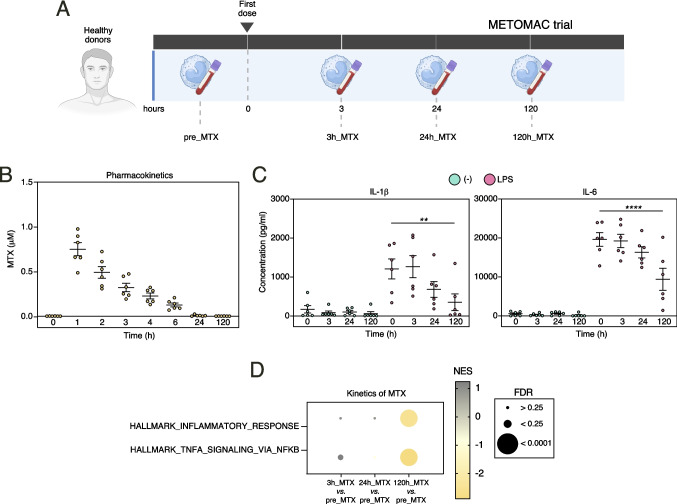 Figure 1
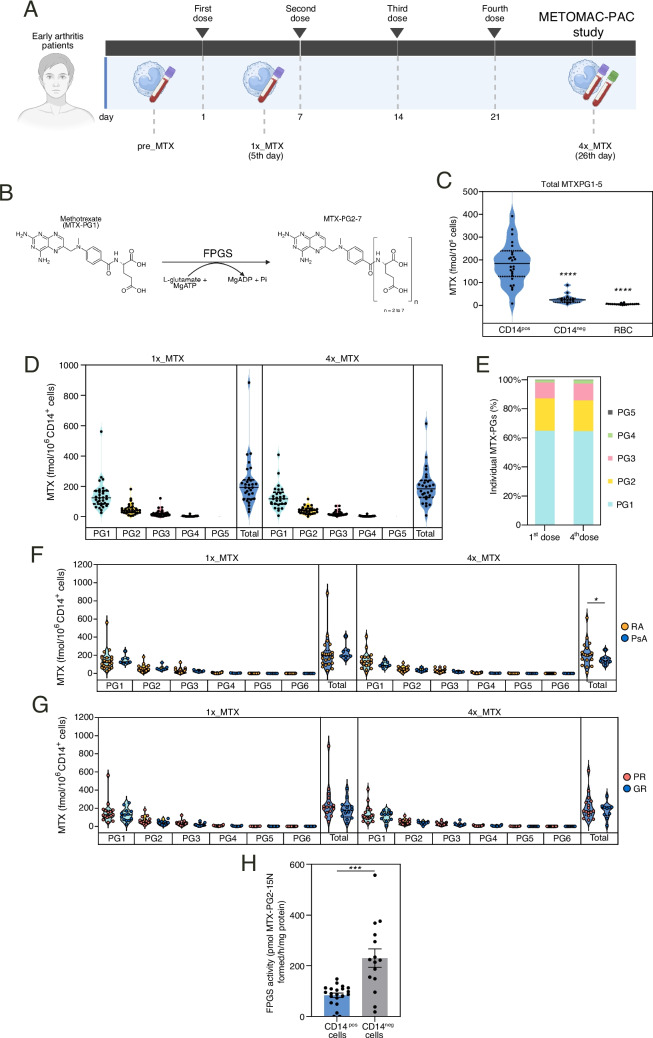 Figure 2
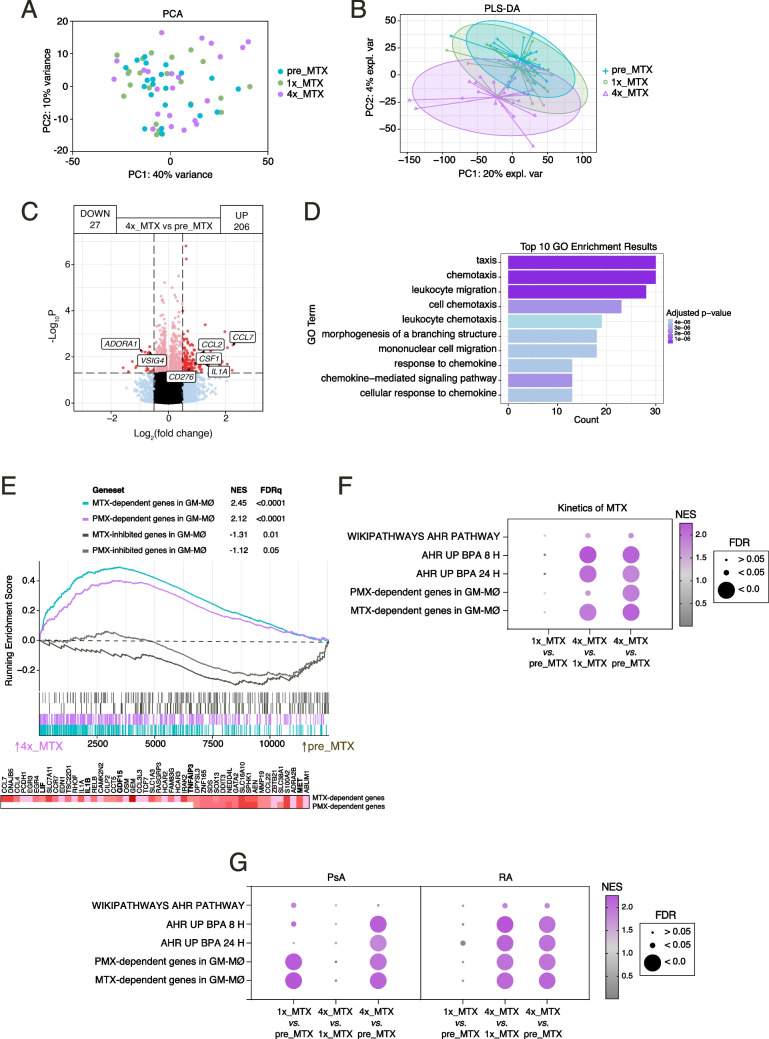 Figure 3
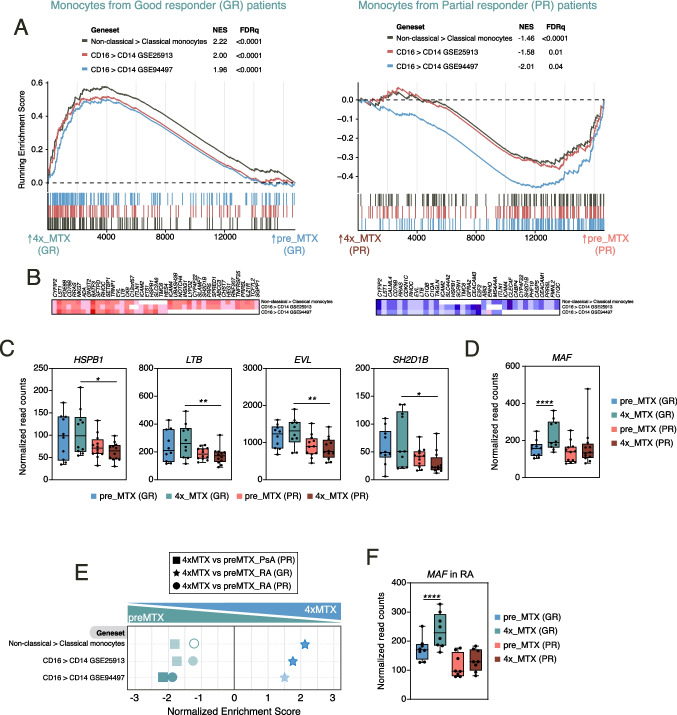 Figure 4
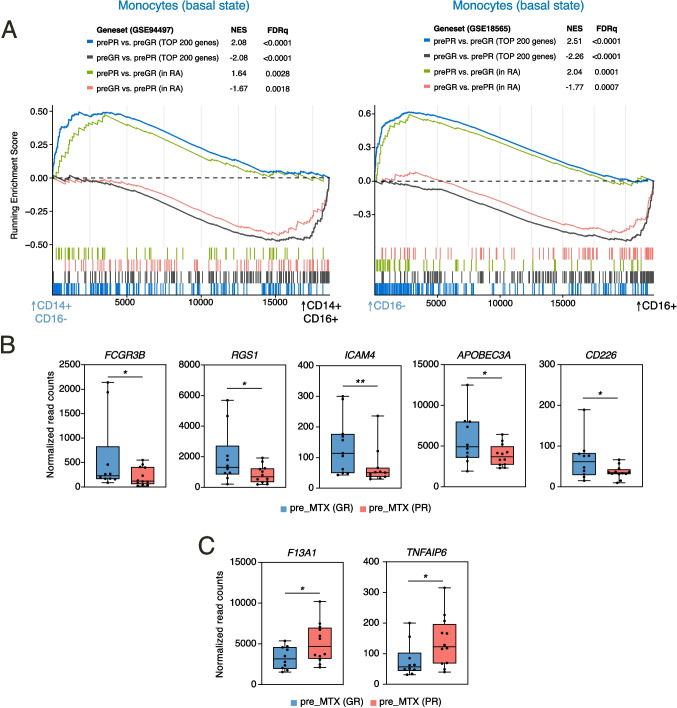 Figure 5
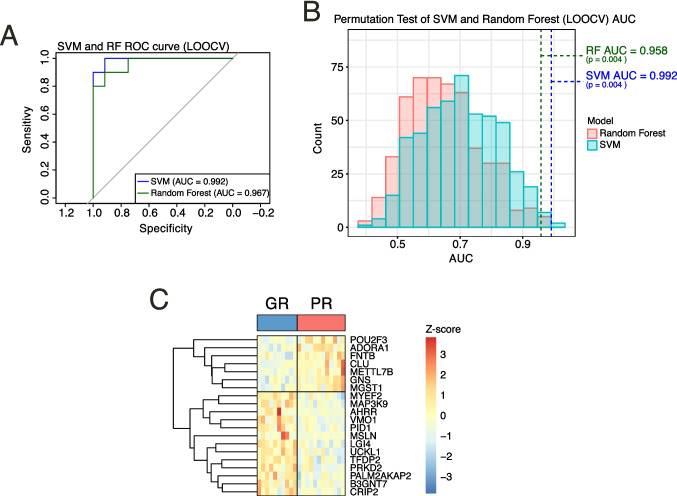 Figure 6
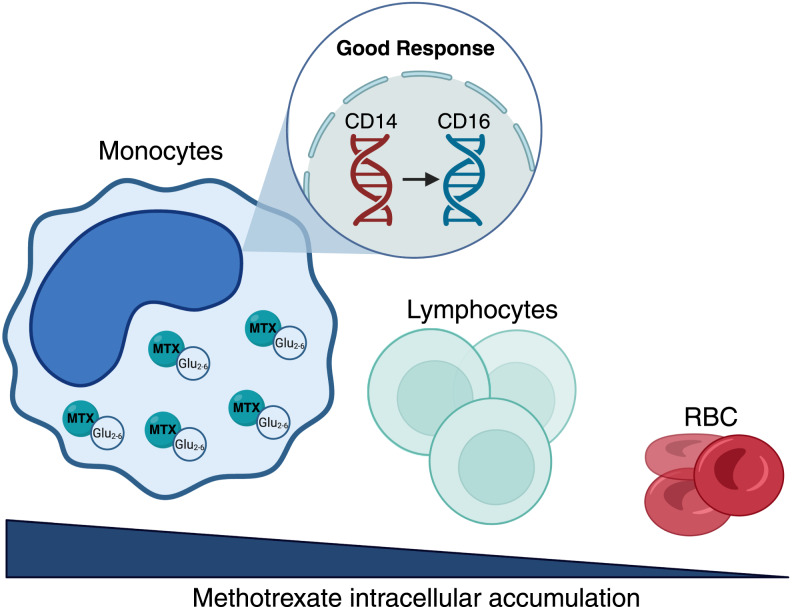 Figure 7
Peer Reviews
No public reviews on file for this paper yet. If you reviewed it on a platform where reviews are public (OpenReview, ICLR, NeurIPS, ICML), you can paste yours below so the community can read it here.
Videos
No videos yet. Explain this paper in a talk, walkthrough, or lecture? Add one.
Taxonomy
TopicsRheumatoid Arthritis Research and Therapies · Immune cells in cancer · Autoimmune and Inflammatory Disorders Research