Smarca4 maintains mitochondrial homeostasis and energy metabolism during cardiac development
Deung-Dae Park, Sujin Kim, Alena Boos, Yannik Andrasch, Leonie Krieg, Wolfgang Rottbauer, Steffen Just

TL;DR
This study shows that Smarca4, a chromatin remodeling protein, is essential for maintaining mitochondrial function and energy production in developing heart and muscle cells.
Contribution
The study identifies Smarca4 as a novel regulator of mitochondrial homeostasis through chromatin remodeling during vertebrate muscle development.
Findings
Smarca4 deficiency in zebrafish leads to impaired cardiac and skeletal muscle function.
Smarca4 loss reduces mitochondrial content and ATP production in heart and muscle cells.
Smarca4 regulates genes involved in mitochondrial biogenesis and oxidative phosphorylation.
Abstract
Mitochondrial metabolism is fundamental to cardiac and skeletal muscle function due to the high adenosine triphosphate (ATP) demand required for sustained contractility. Although mitochondrial dysfunction is central to metabolic myopathies, the epigenetic mechanisms regulating mitochondrial structure and function remain poorly defined. Here, we identify the SWI/SNF chromatin remodeling ATPase subunit Smarca4 as a critical regulator of mitochondrial homeostasis and cellular energy metabolism. Using a smarca4a-deficient zebrafish model (smarca4aa8−/−), we show that Smarca4 loss causes ventricular hypoplasia, pericardial edema, and disorganized skeletal muscle, leading to pronounced impairment of cardiac and muscular function. Heart-specific RNA-seq, ATAC-seq, and single-cell RNA-seq analyses revealed that Smarca4 deficiency reduces chromatin accessibility and suppresses the transcription…
Genes, proteins, chemicals, diseases, species, mutations and cell lines named across the full text — each resolved to its canonical identifier and authoritative record.
Click any figure to enlarge with its caption.
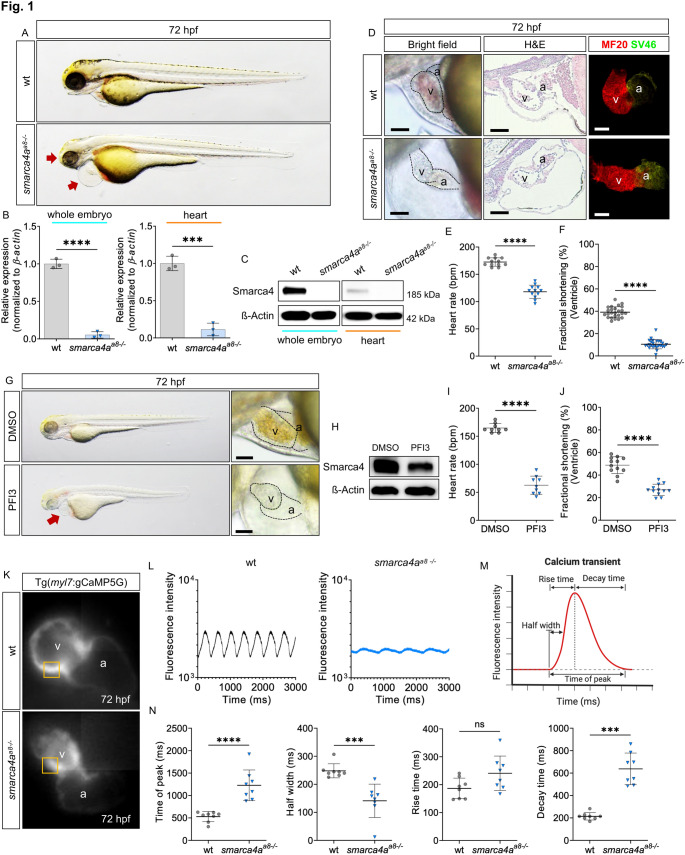 Figure 1
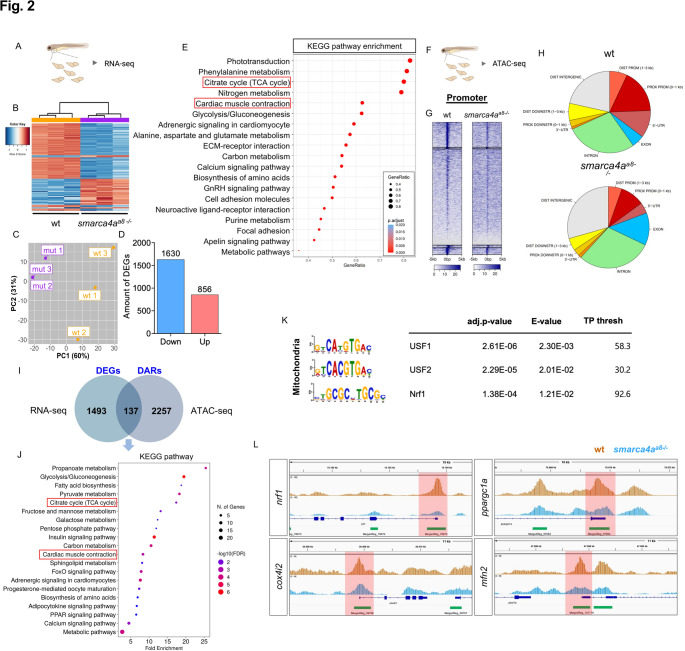 Figure 2
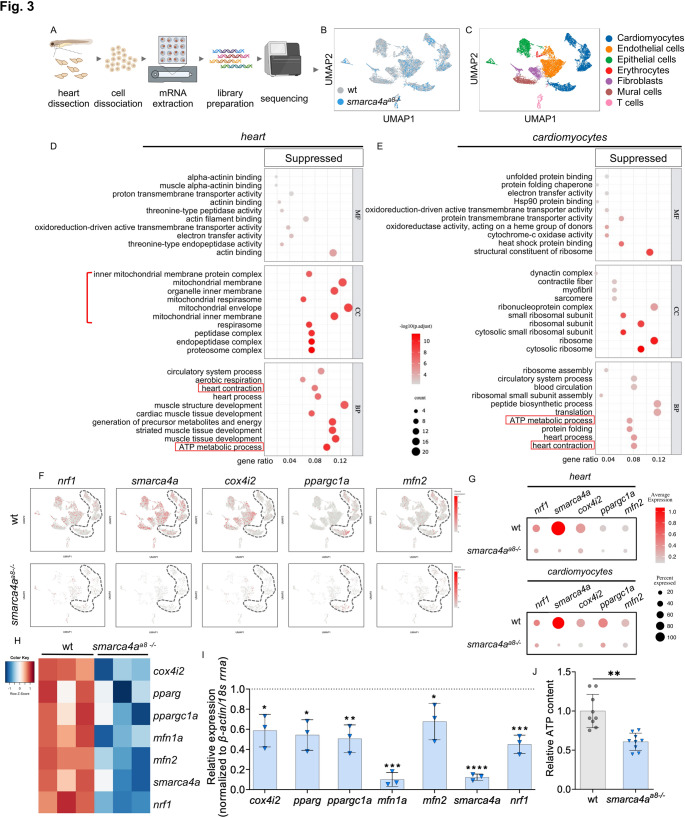 Figure 3
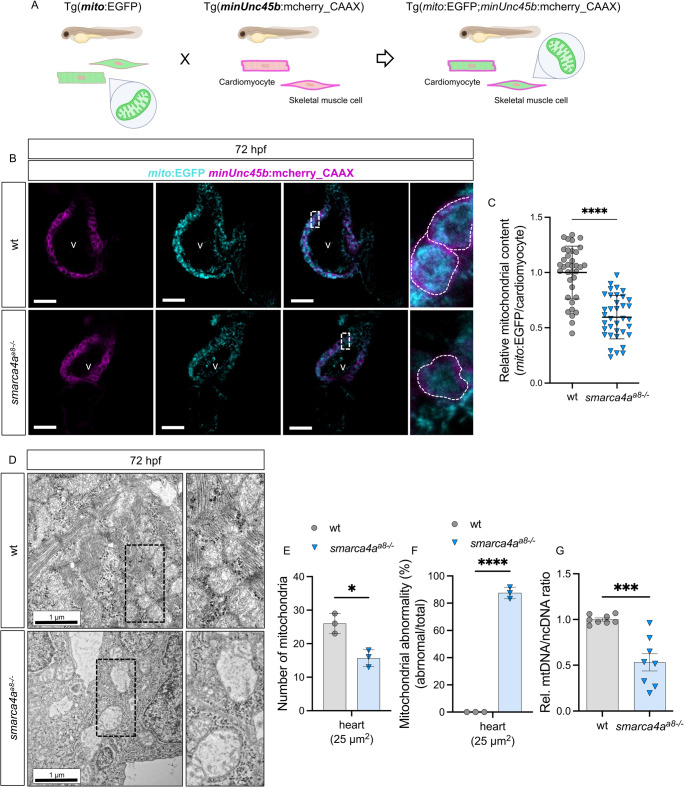 Figure 4
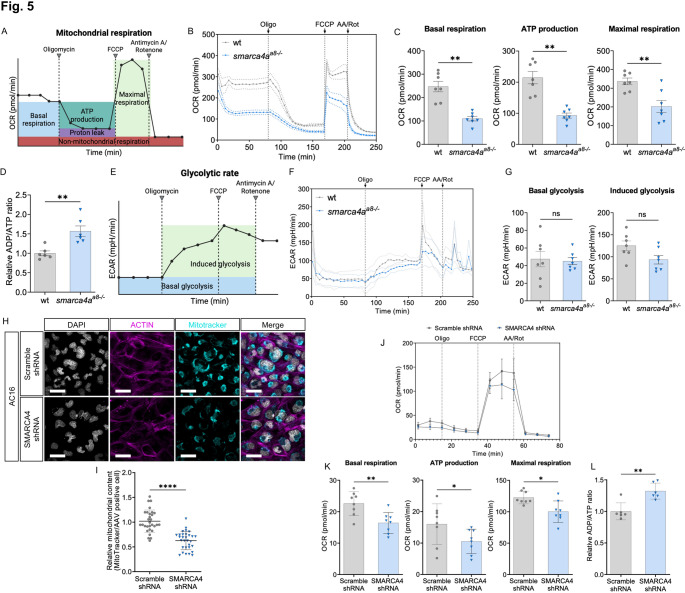 Figure 5
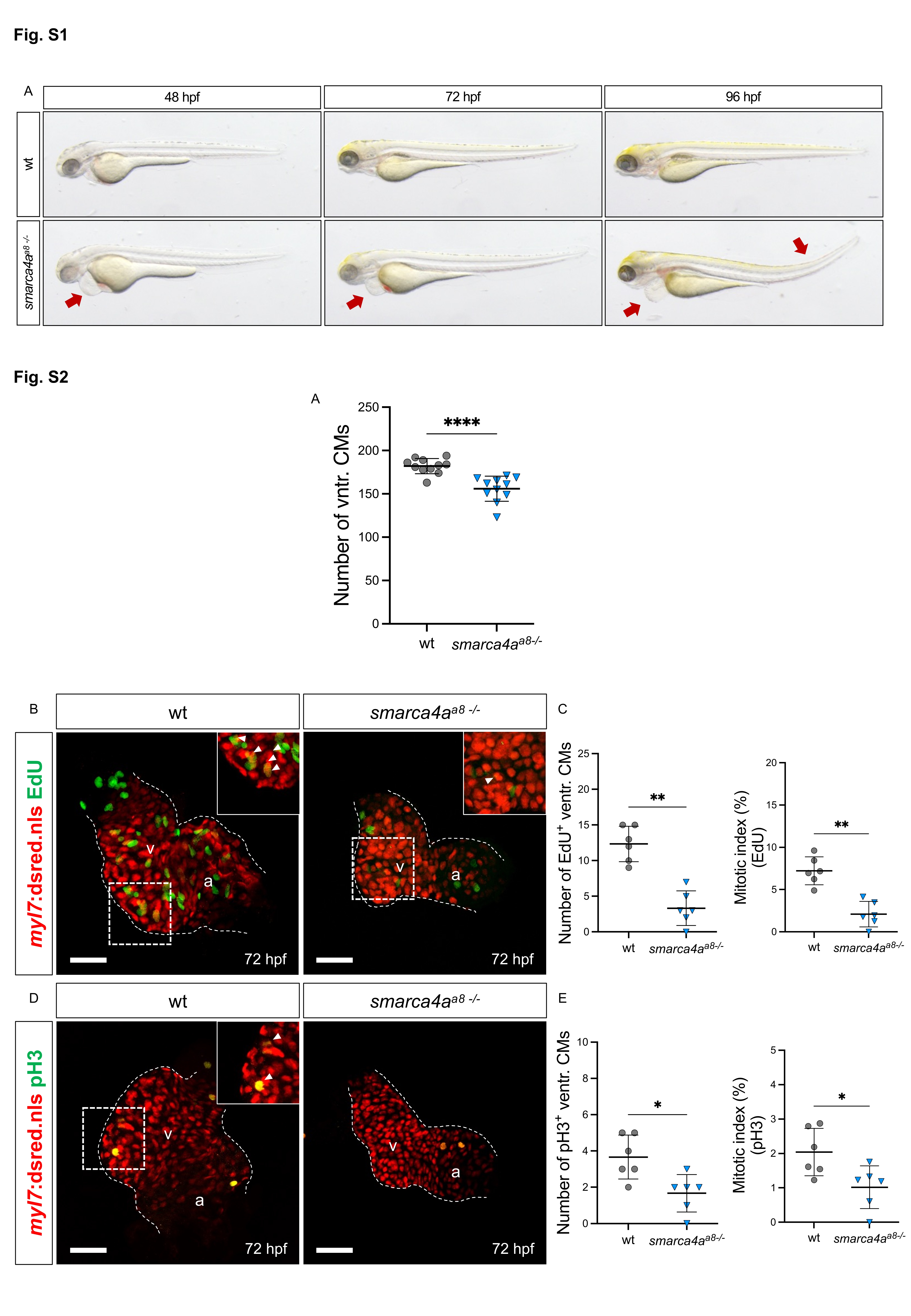 Figure 6
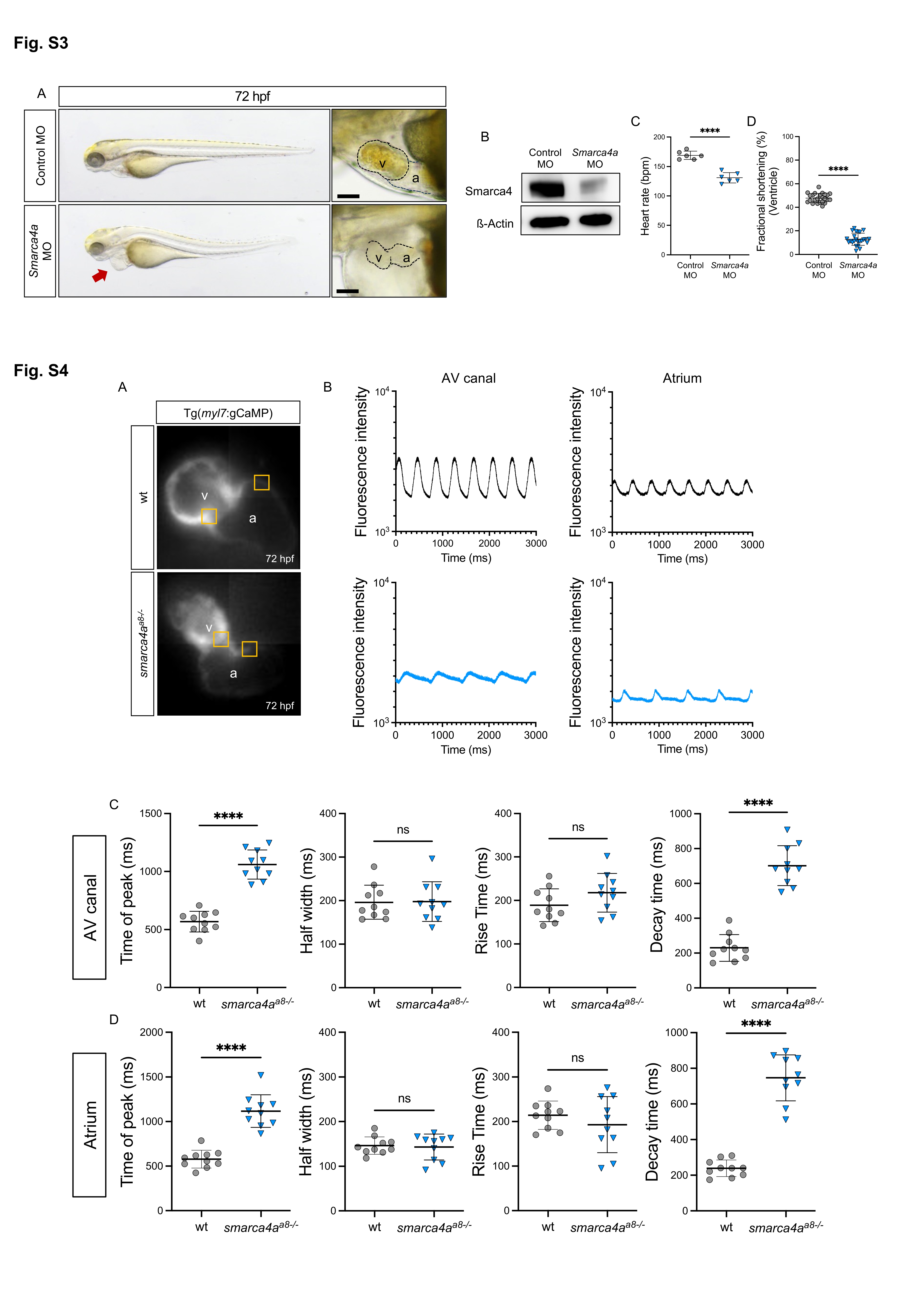 Figure 7
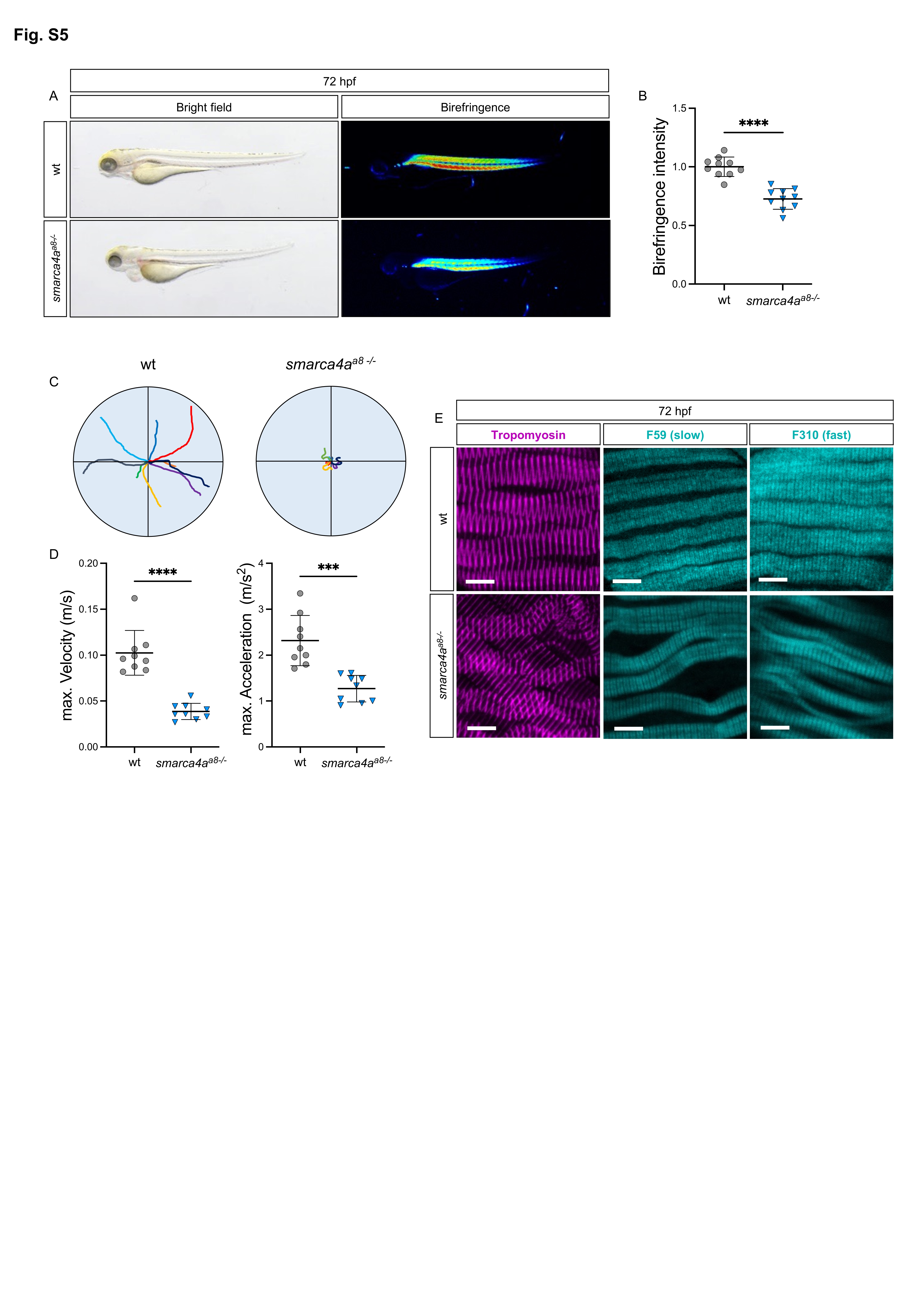 Figure 8
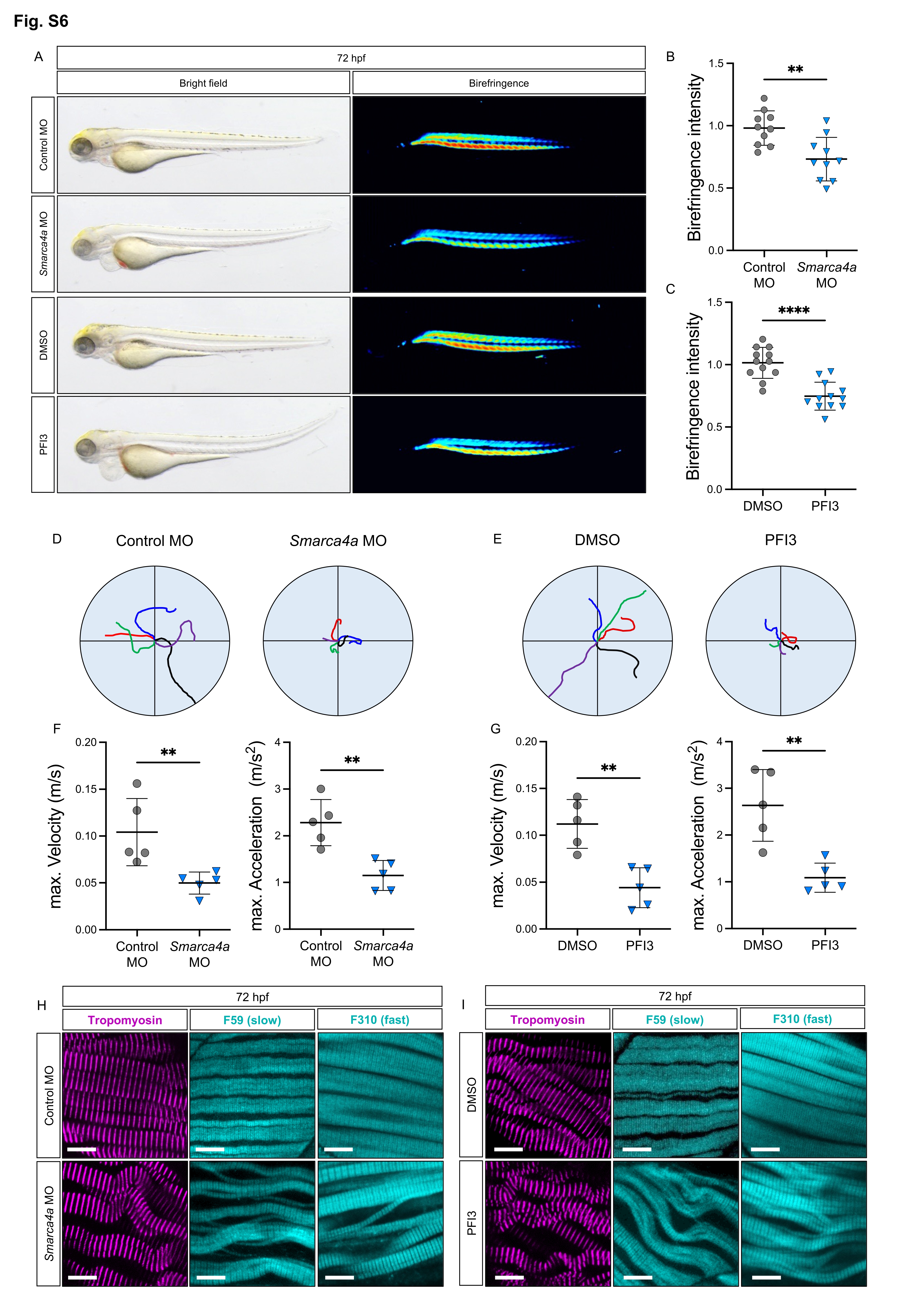 Figure 9
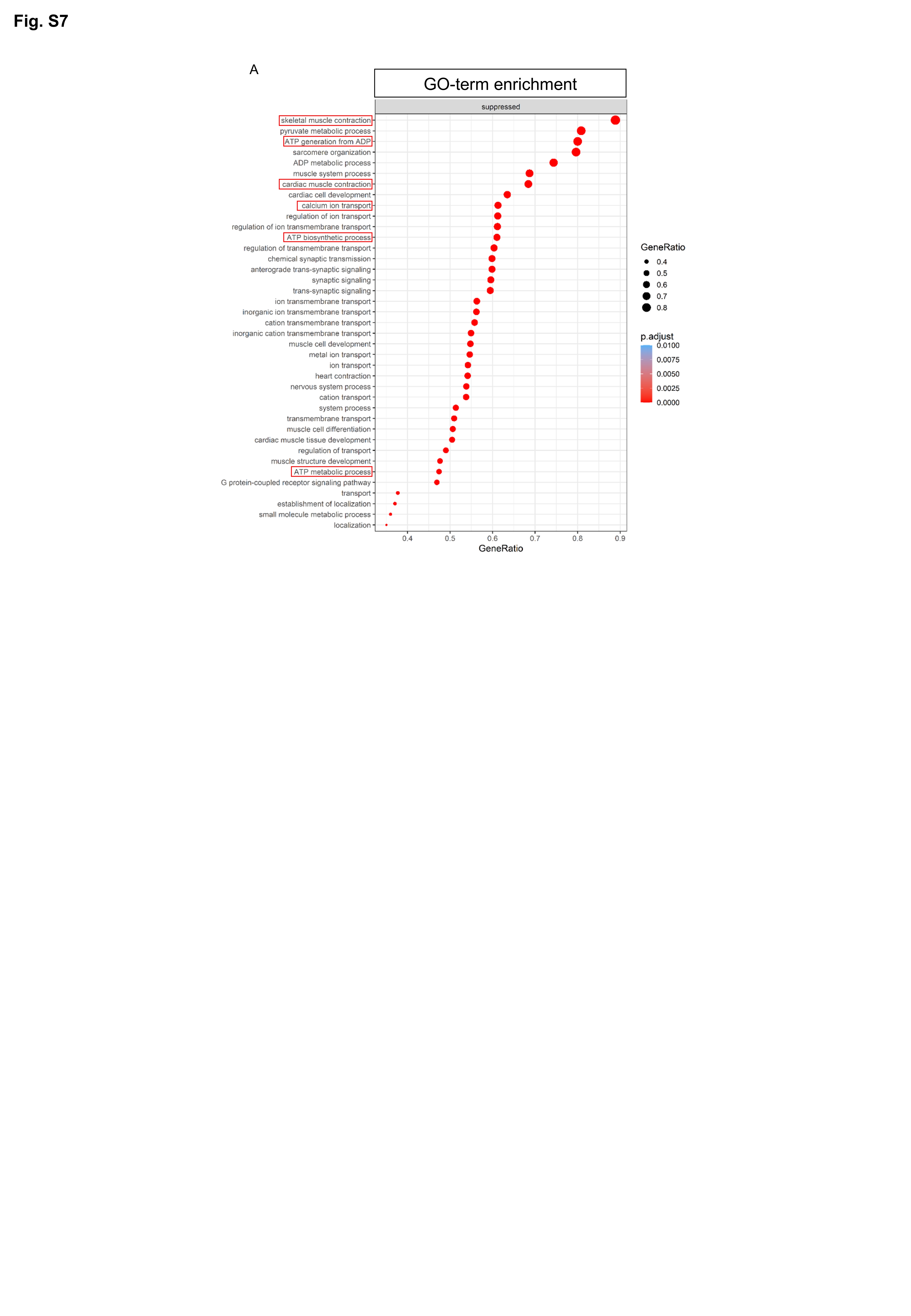 Figure 10
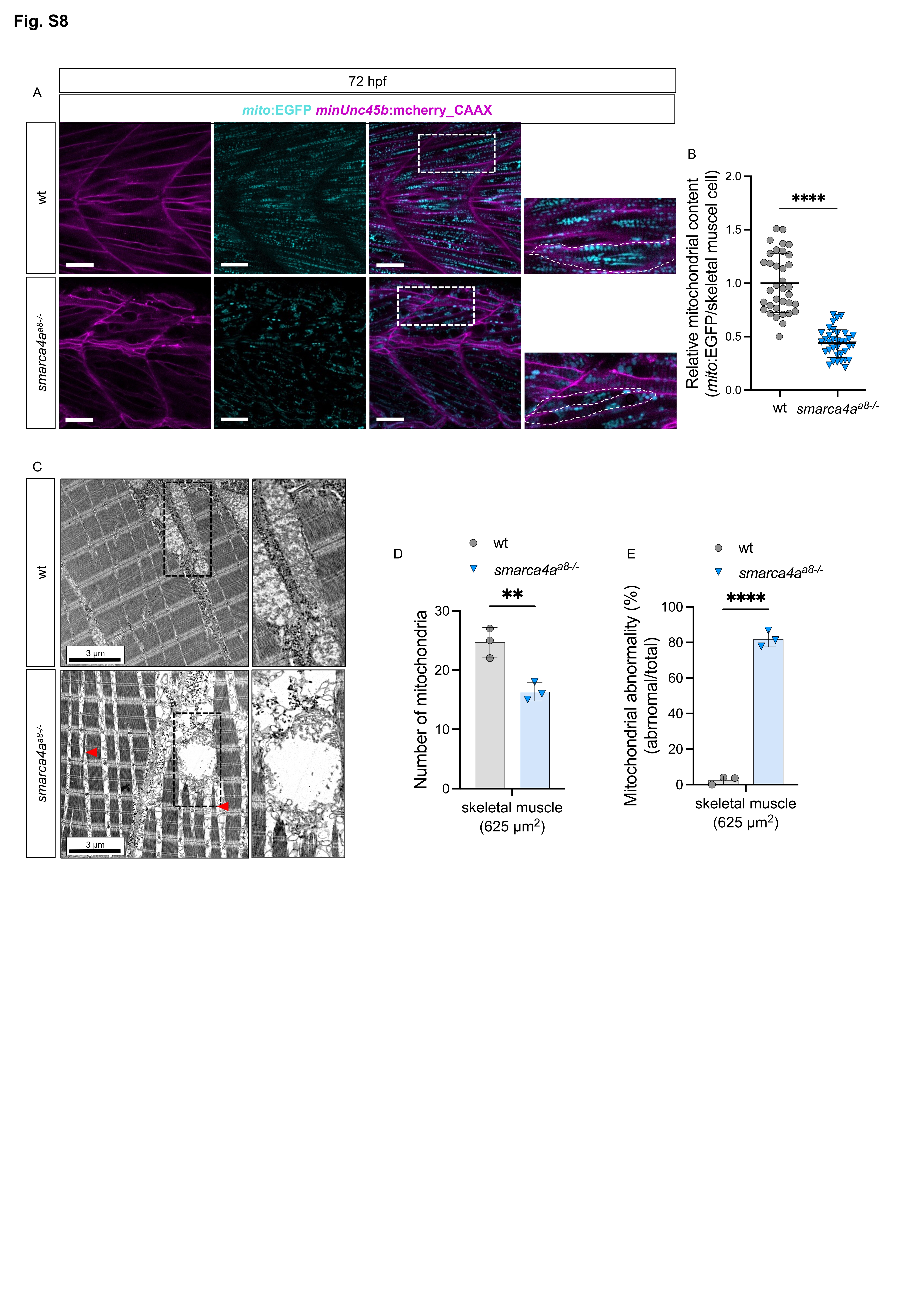 Figure 11
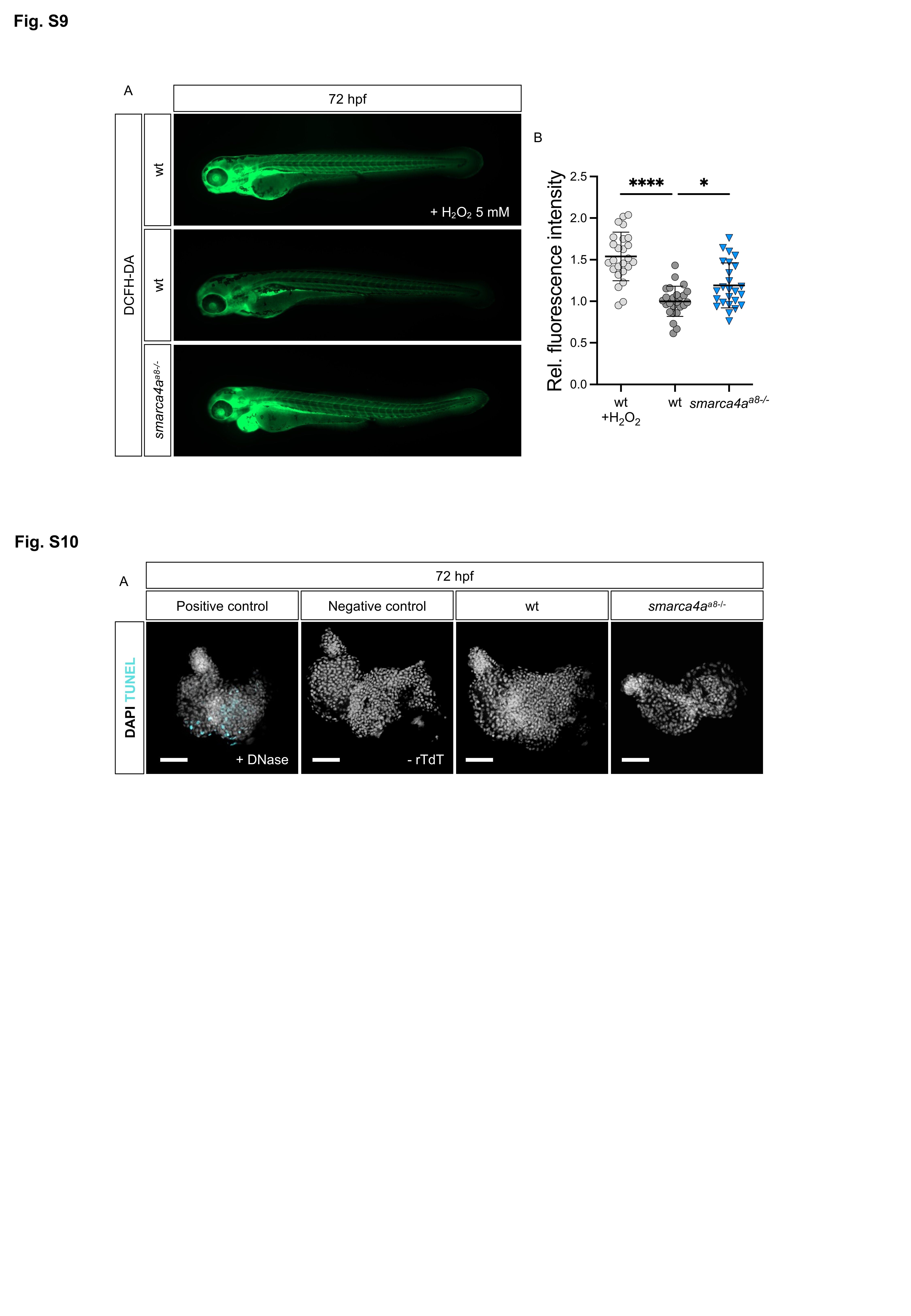 Figure 12
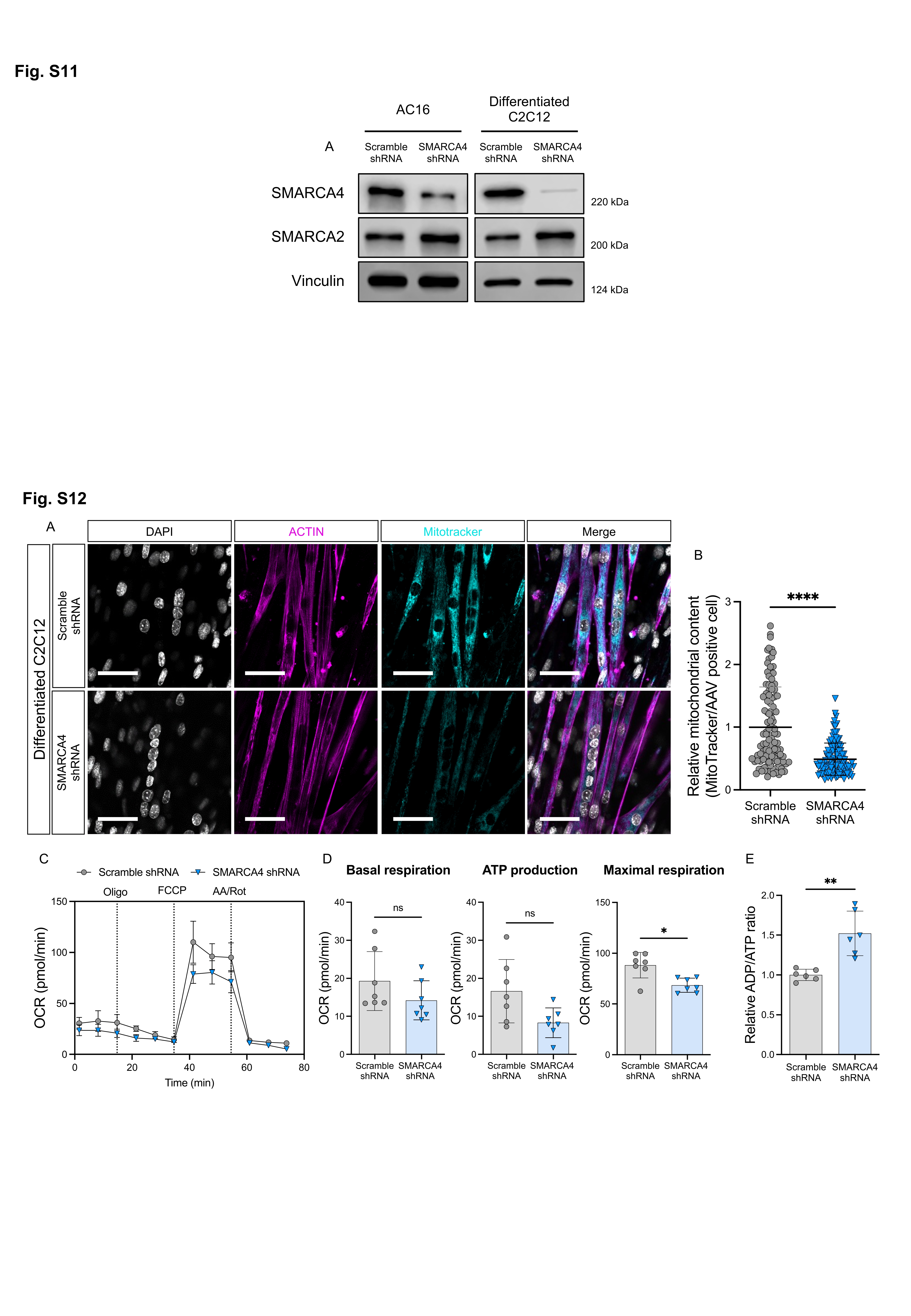 Figure 13
Peer Reviews
No public reviews on file for this paper yet. If you reviewed it on a platform where reviews are public (OpenReview, ICLR, NeurIPS, ICML), you can paste yours below so the community can read it here.
Videos
No videos yet. Explain this paper in a talk, walkthrough, or lecture? Add one.
Taxonomy
TopicsChromatin Remodeling and Cancer · Mitochondrial Function and Pathology · Congenital heart defects research