Histone methyltransferase EZH2 drives podocyte injury and senescence in diabetic nephropathy through STAT3 activation
Mengfei He, Lulu Liang, Panpan Zhou, Linxiao Lv, Mingyang Hu, Shaokang Pan, Mianzhi Zhang, Zhangsuo Liu, Dongwei Liu, Sijie Zhou

TL;DR
This study shows that EZH2 promotes kidney cell aging and damage in diabetic nephropathy by activating STAT3, suggesting EZH2 inhibition could be a new treatment approach.
Contribution
The study reveals a novel EZH2-STAT3 signaling pathway in podocyte injury and senescence in diabetic nephropathy.
Findings
EZH2 inhibition reduced podocyte injury and senescence markers in diabetic models.
EZH2 enhances STAT3 activity through lysine methylation, contributing to kidney damage.
Overexpression of STAT3 counteracts the benefits of EZH2 downregulation in podocytes.
Abstract
As a common secondary nephropathy, diabetic nephropathy (DN) is closely related to podocyte senescence. Histone methyltransferase enhancer of zeste homolog 2 (EZH2) participates in the regulation of cellular proliferation, apoptosis, and senescence. Recently, the non-histone role of EZH2 has attracted much attention. It was reported that EZH2 can directly combine with signal transducer and activator of transcription 3 (STAT3) thereby enhancing its activity. However, the association between EZH2 and STAT3 in podocyte senescence remains unclear. To clarify the association between EZH2 and STAT3 and their functions in podocyte injury and senescence in DN, we established db/db mice and cultured mouse podocyte cells (MPCs) exposed to high glucose (HG) as DN models. EZH2 was regulated genetically and pharmacologically in this study and changes in indicators related to podocyte injury and…
Genes, proteins, chemicals, diseases, species, mutations and cell lines named across the full text — each resolved to its canonical identifier and authoritative record.
Click any figure to enlarge with its caption.
 Figure 1
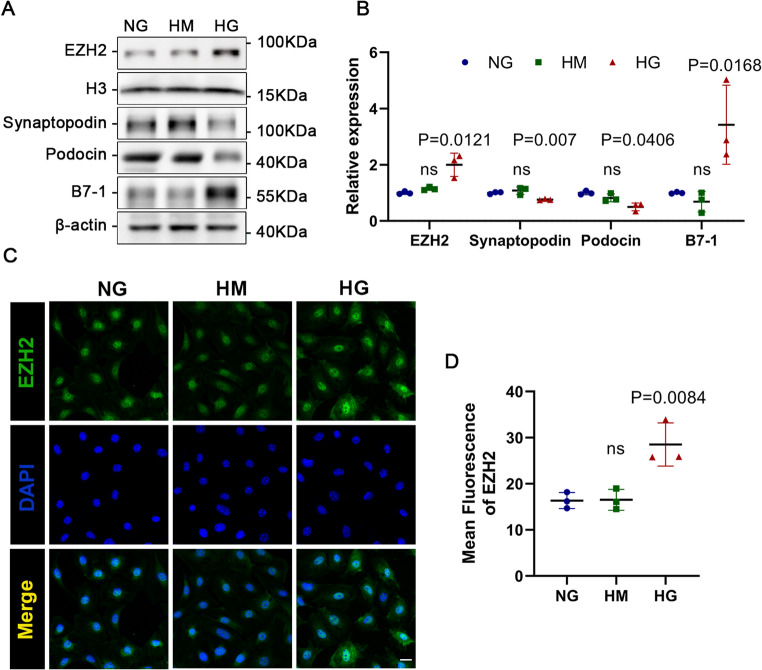 Figure 2
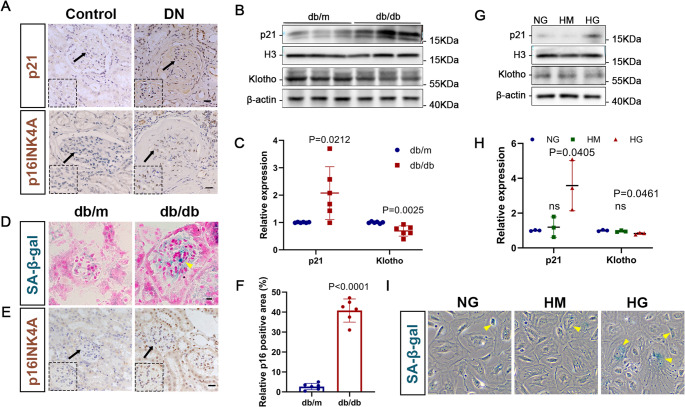 Figure 3
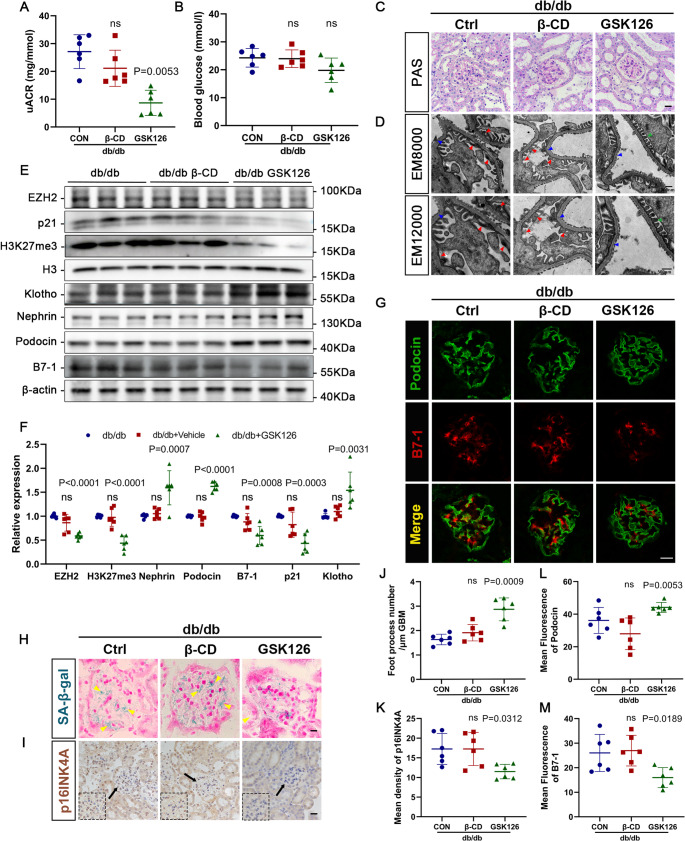 Figure 4
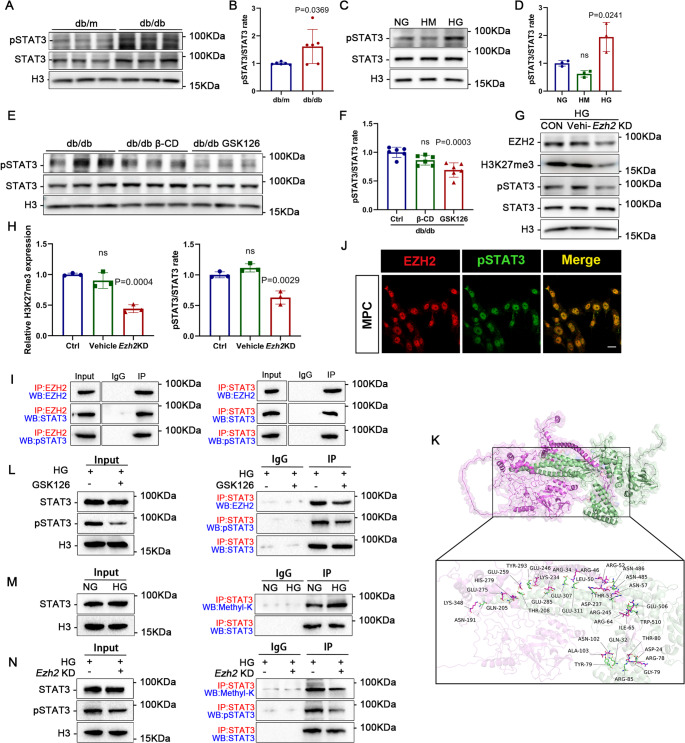 Figure 5
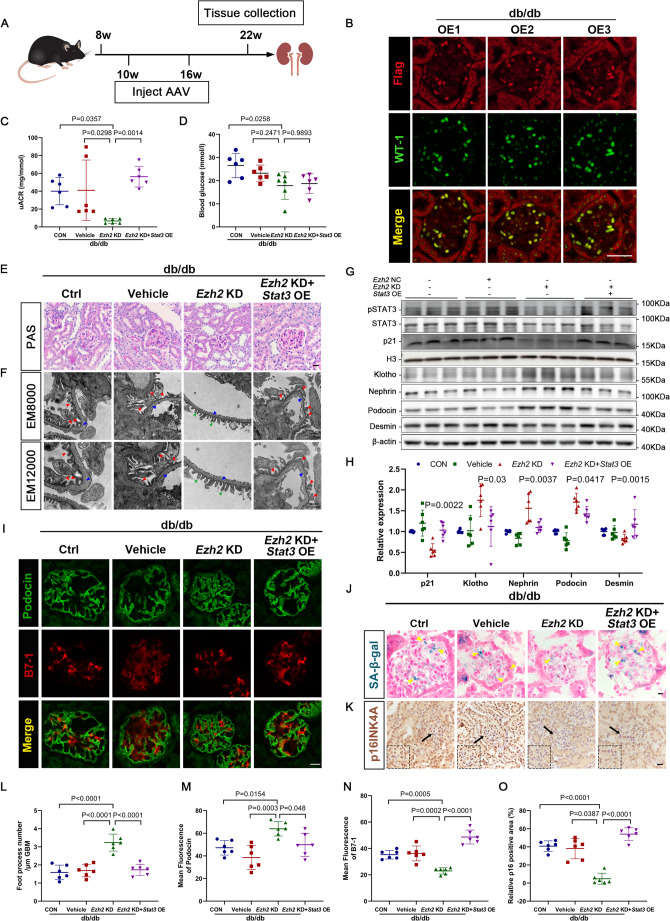 Figure 6
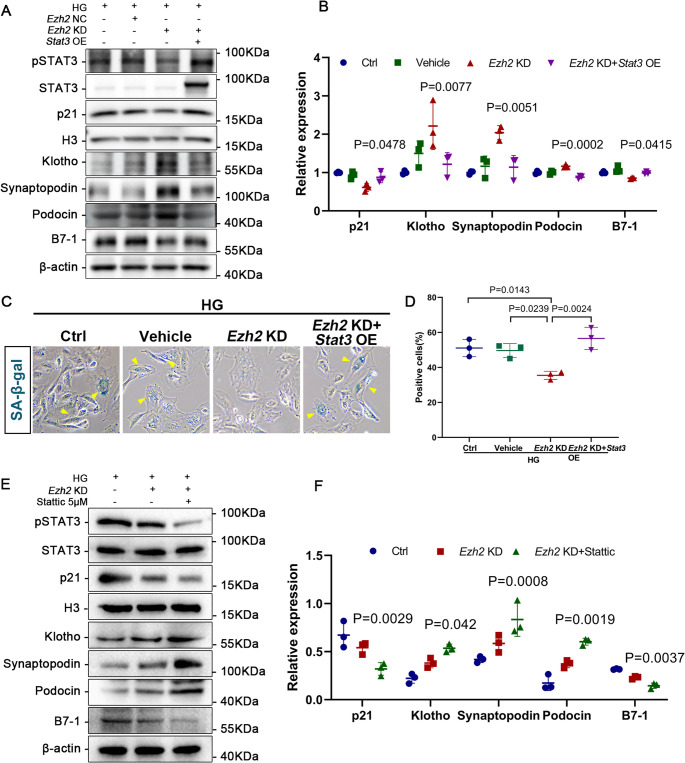 Figure 7
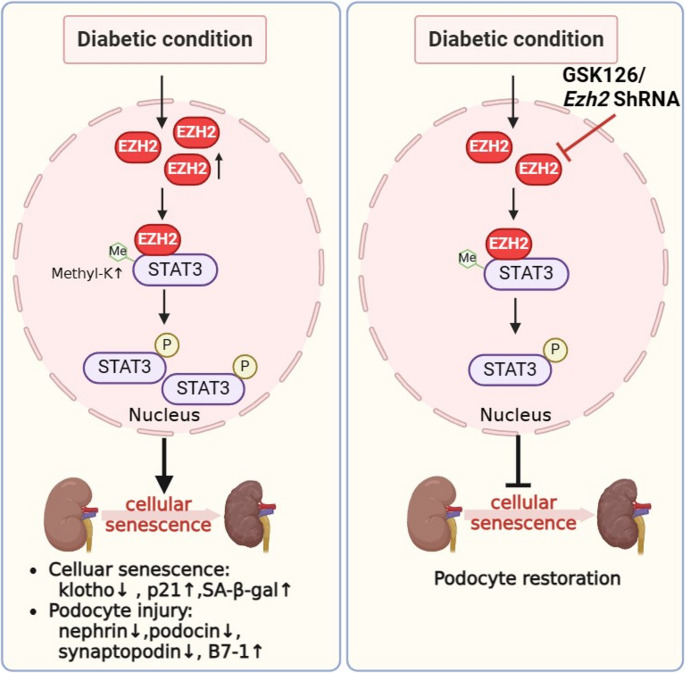 Figure 8
Peer Reviews
No public reviews on file for this paper yet. If you reviewed it on a platform where reviews are public (OpenReview, ICLR, NeurIPS, ICML), you can paste yours below so the community can read it here.
Videos
No videos yet. Explain this paper in a talk, walkthrough, or lecture? Add one.
Taxonomy
TopicsRenal Diseases and Glomerulopathies · Renal and related cancers · Chronic Kidney Disease and Diabetes