Self-Generated Expectations of Hazard Prevalence Affect Virtual Search and Rescue
Yan Shan Tai, Jacques A. Grange, Robert C. Honey

TL;DR
This study shows how prior expectations about hazards can affect search performance in virtual rescue missions, even when new information is given.
Contribution
The study reveals how outdated hazard expectations can override explicit instructions in high-stakes virtual search tasks.
Findings
More hazards and false positives occurred when test prevalence was lower than during training.
False negative errors remained consistently low across all conditions.
Outdated expectations led to persistent search errors despite explicit instructions.
Abstract
To understand how prior expectations and instructions about hazard prevalence affect high-stakes visual search in a semi-immersive virtual environment, where participants take on the role of firefighters in search and rescue missions. Information about target prevalence influences visual search in standard laboratory studies. However, little is known about how prior expectations and new information about target prevalence interact in simulated emergency scenarios. Participants (n = 48) received training where the average number of hazards (explosive cylinders) amongst similar distractors was varied (two or six) before participants rescued a trapped person. Trial-end feedback indicated whether all targets were removed and the person rescued. They were then instructed that hazard prevalence would increase, decrease, or stay similar during test blocks. Stress was manipulated by an…
Genes, proteins, chemicals, diseases, species, mutations and cell lines named across the full text — each resolved to its canonical identifier and authoritative record.
Click any figure to enlarge with its caption.
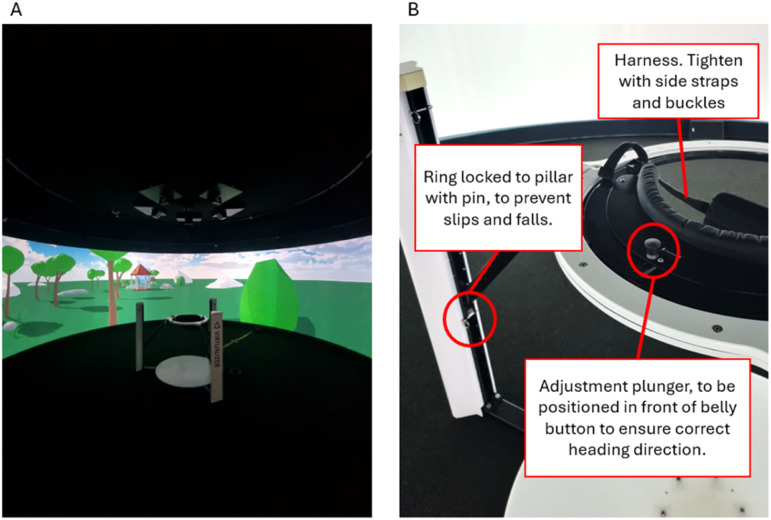 Figure 1
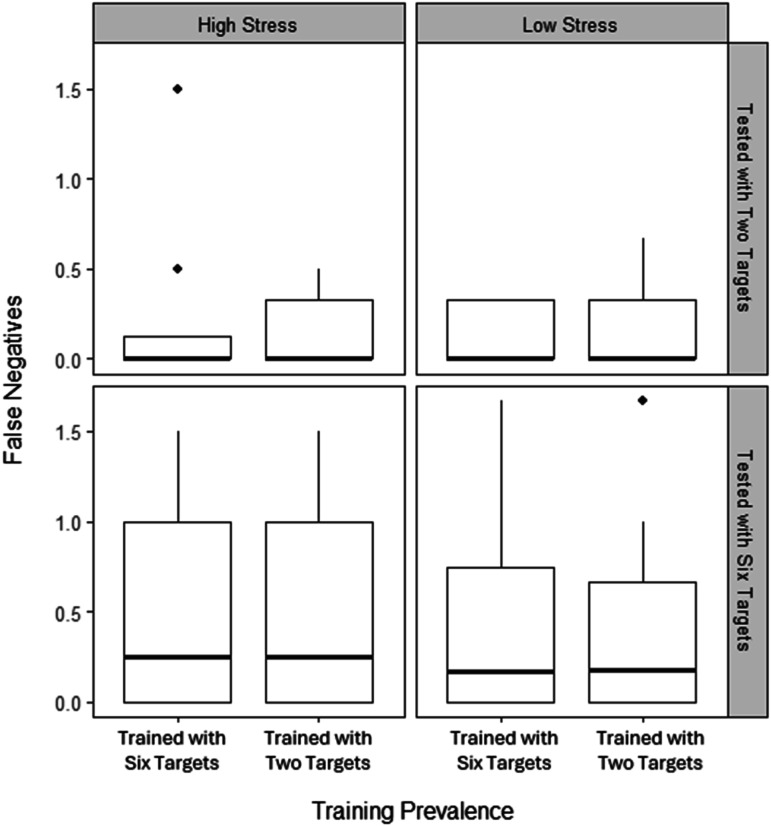 Figure 10
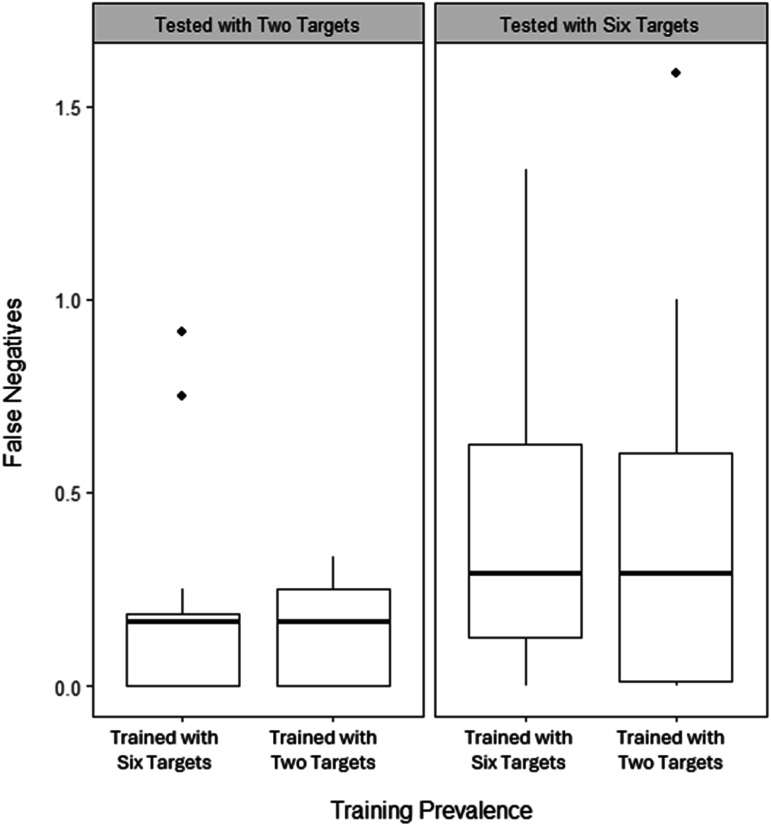 Figure 11
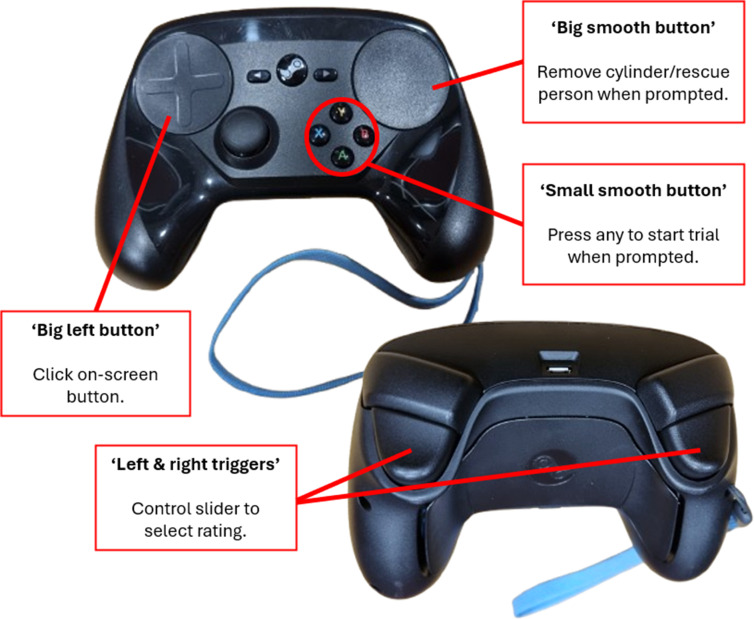 Figure 2
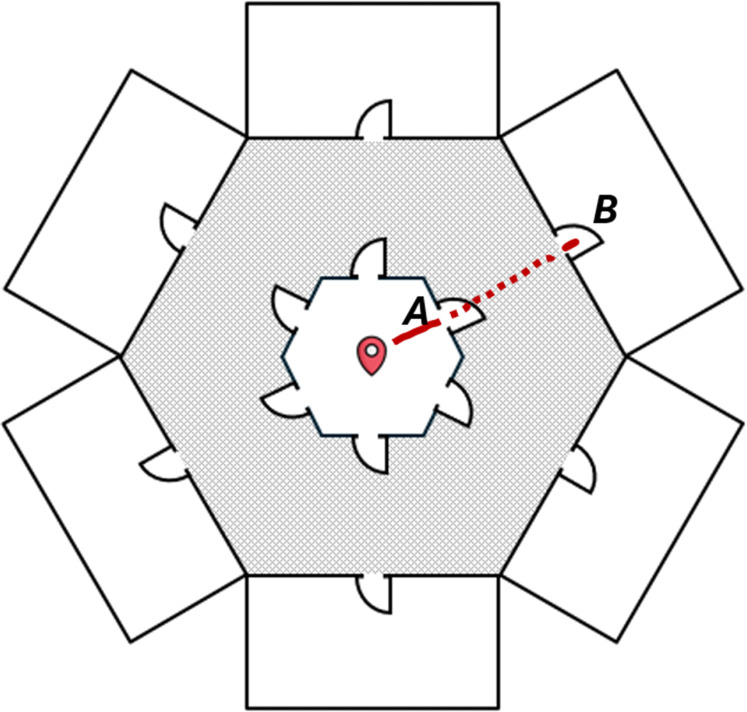 Figure 3
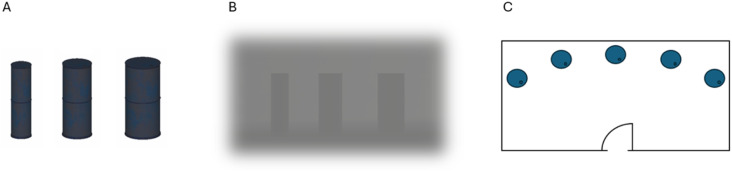 Figure 4
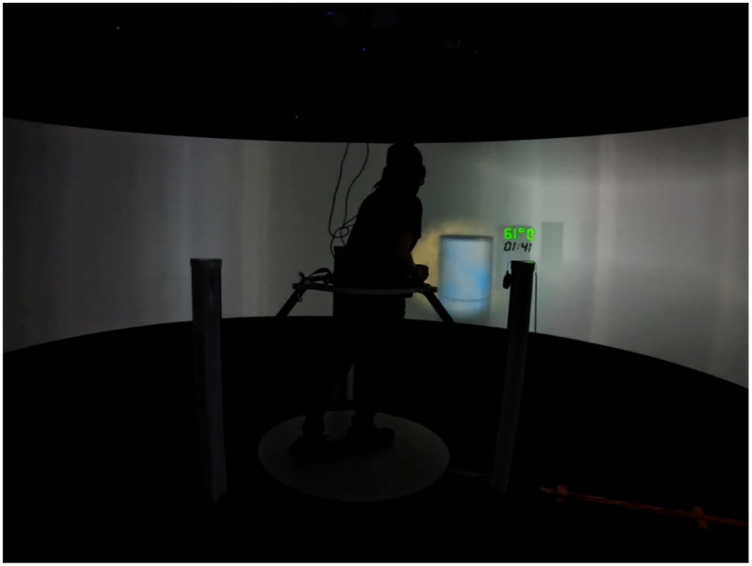 Figure 5
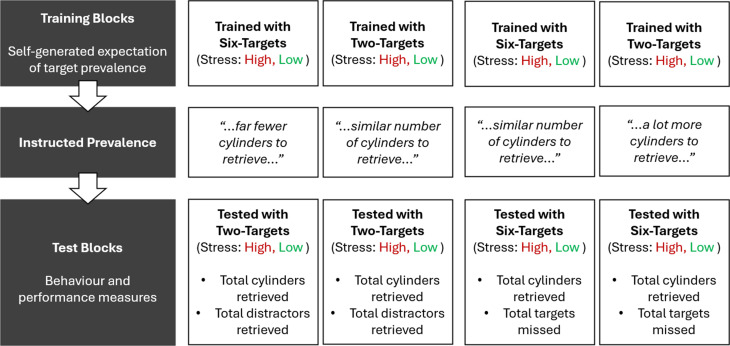 Figure 6
 Figure 7
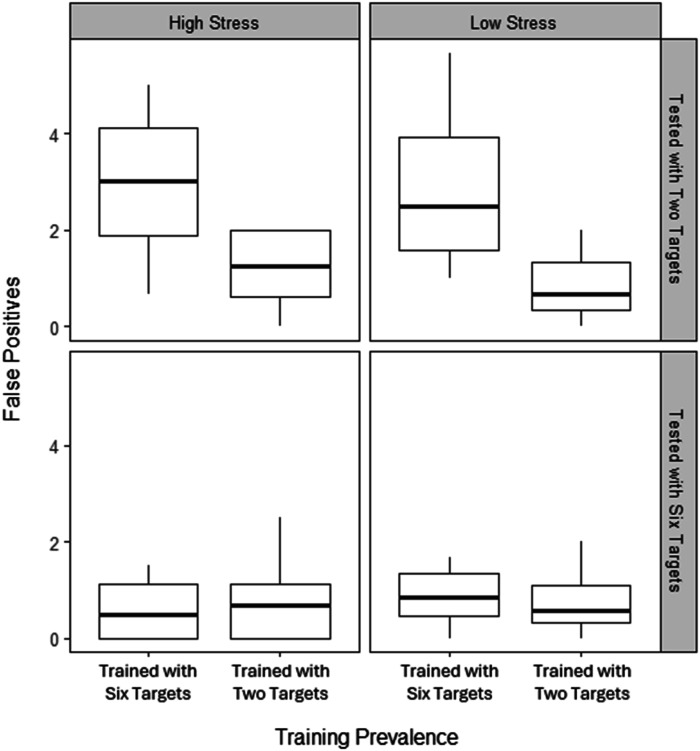 Figure 8
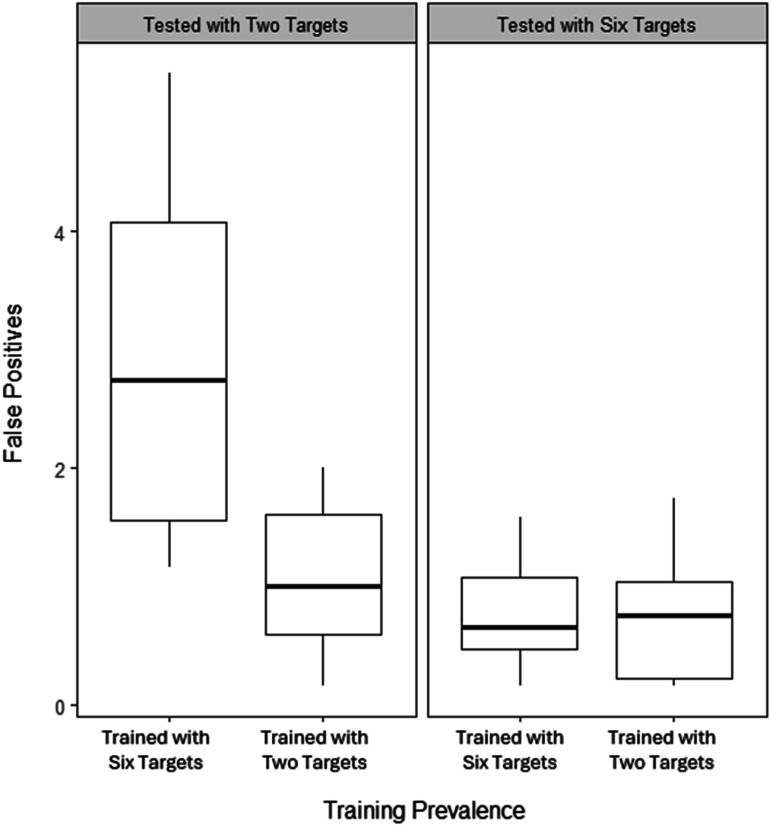 Figure 9
 Figure 12
 Figure 13
Peer Reviews
No public reviews on file for this paper yet. If you reviewed it on a platform where reviews are public (OpenReview, ICLR, NeurIPS, ICML), you can paste yours below so the community can read it here.
Videos
No videos yet. Explain this paper in a talk, walkthrough, or lecture? Add one.
Taxonomy
TopicsHuman-Automation Interaction and Safety · Evacuation and Crowd Dynamics · Occupational Health and Performance