Antifungal activity of volatile organic compounds produced by Bacillus subtilis GB519 against blast pathogen Magnaporthe oryzae in rice
Feng Zhu, Jichun Wang, Chengli Tian, Yuting Xu, Yingshuang Gao, Xintong Zhang, Peng Gao, Qianfu Su

TL;DR
This study shows that VOCs from Bacillus subtilis GB519 can effectively inhibit the growth of the rice blast fungus, offering a potential sustainable biocontrol method.
Contribution
The study identifies specific VOCs from Bacillus subtilis GB519 that inhibit Magnaporthe oryzae through oxidative stress and mitochondrial dysfunction.
Findings
VOCs from Bacillus subtilis GB519 inhibited M. oryzae mycelial growth by up to 30.7% and biomass by 20.9%.
VOCs induced cell membrane damage and increased intracellular content leakage in M. oryzae.
VOCs downregulated the BUF1 gene, reducing lesion development on rice leaves.
Abstract
The use of microbial-derived volatile organic compounds (VOCs) for the biocontrol of plant diseases has attracted increasing attention. This study, using a two-compartment petri dish assay, investigated the antifungal activity of VOCs produced by Bacillus subtilis GB519 against Magnaporthe oryzae, the causal pathogen of rice blast disease. The results revealed that the VOCs emitted by strain GB519 significantly inhibited the mycelial growth and biomass accumulation of M. oryzae by up to 30.7% and 20.9%, respectively. Exposure to GB519 VOCs disrupted hyphal morphology, increased cell membrane permeability, and induced substantial leakage of intracellular contents, evidenced by significant increases in extracellular pyruvate (59.9%), alkaline phosphatase activity (33.7%), nucleic acids (249.4%), and electrical conductivity (31.8%). Furthermore, VOCs markedly reduced the activity and gene…
Genes, proteins, chemicals, diseases, species, mutations and cell lines named across the full text — each resolved to its canonical identifier and authoritative record.
Click any figure to enlarge with its caption.
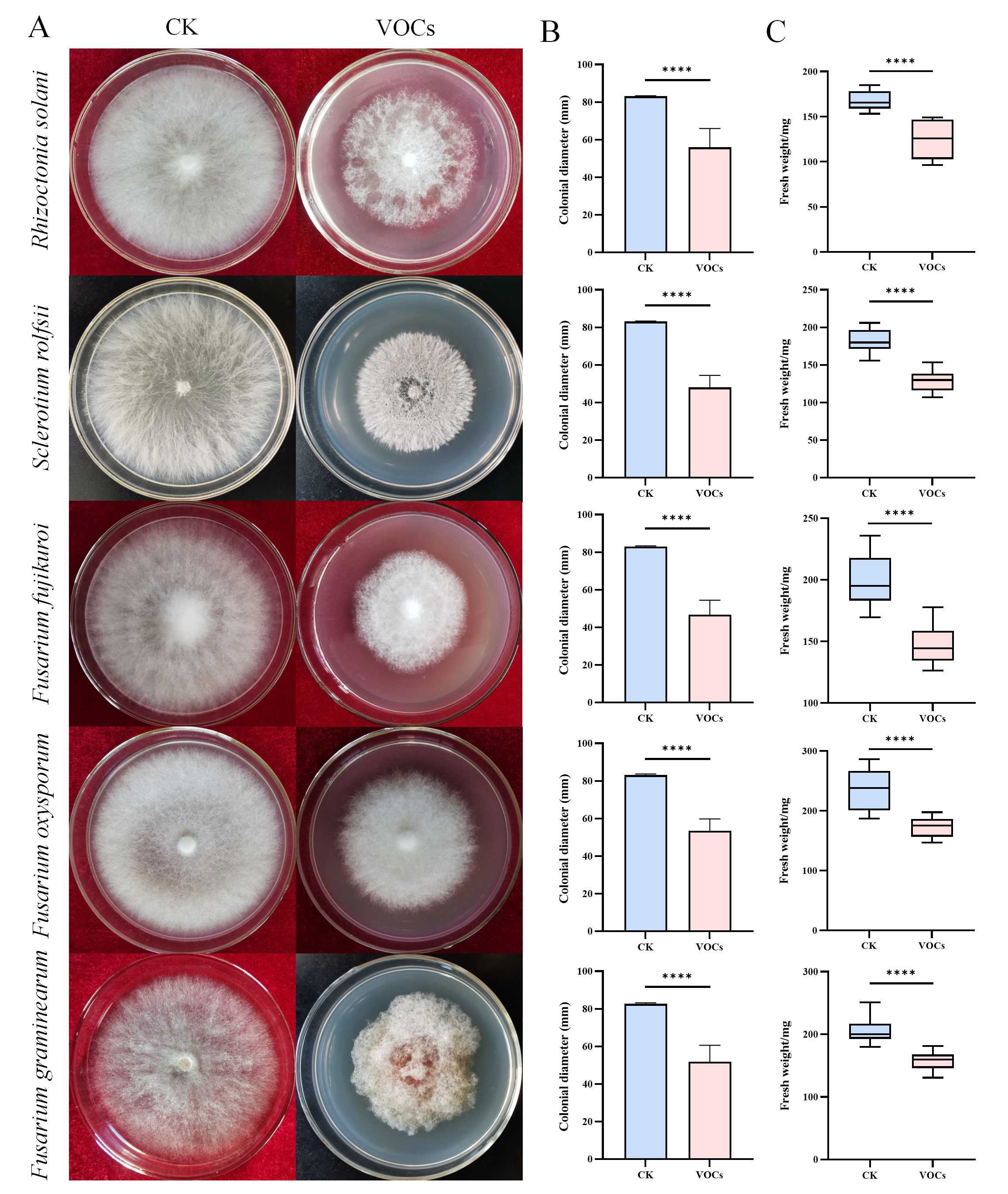 Figure 1
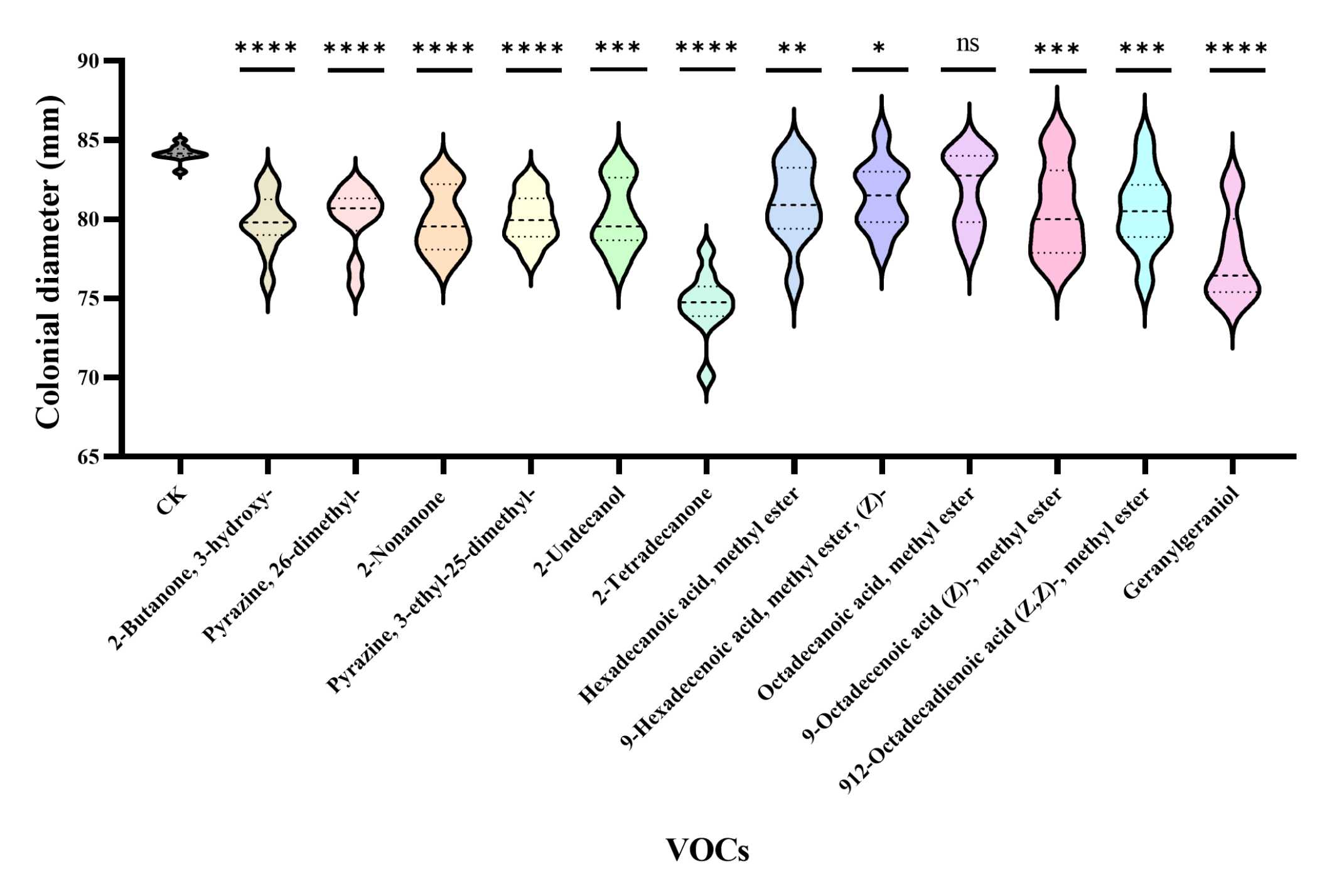 Figure 2
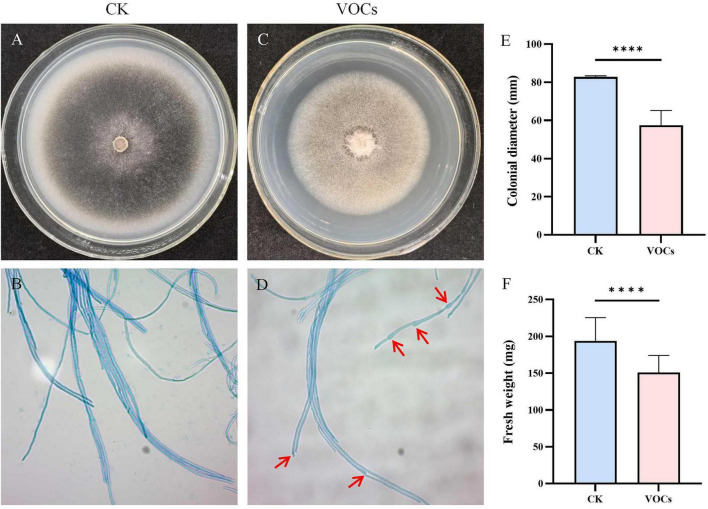 Figure 3
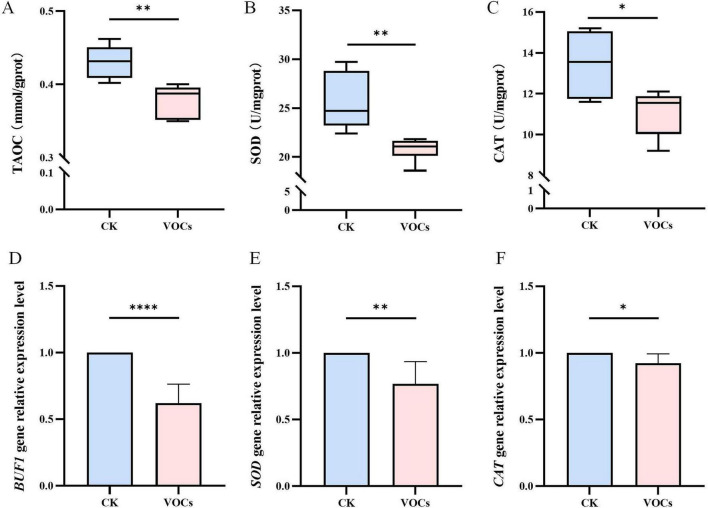 Figure 4
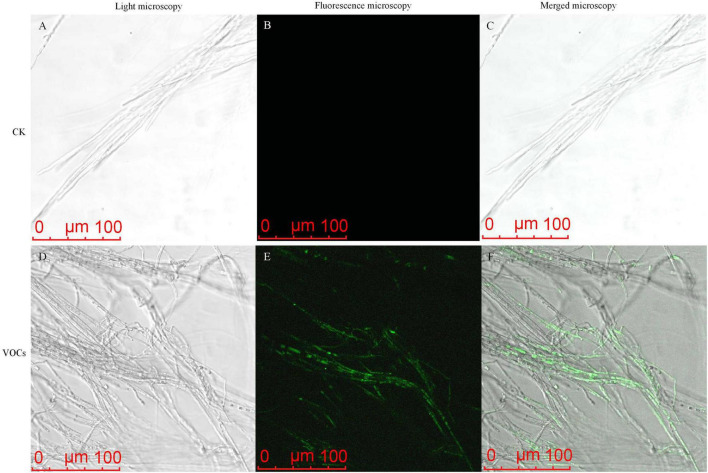 Figure 5
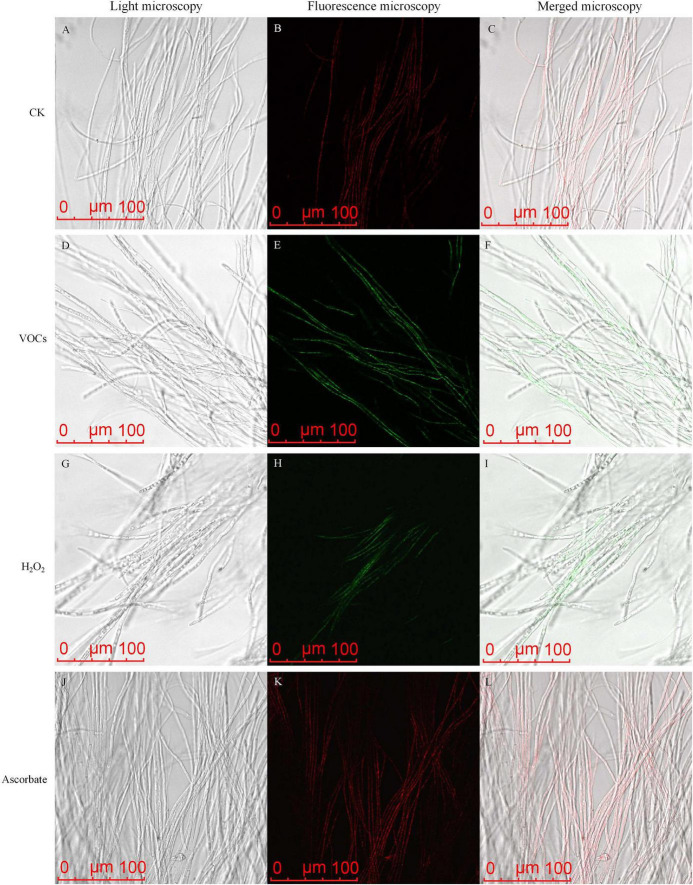 Figure 6
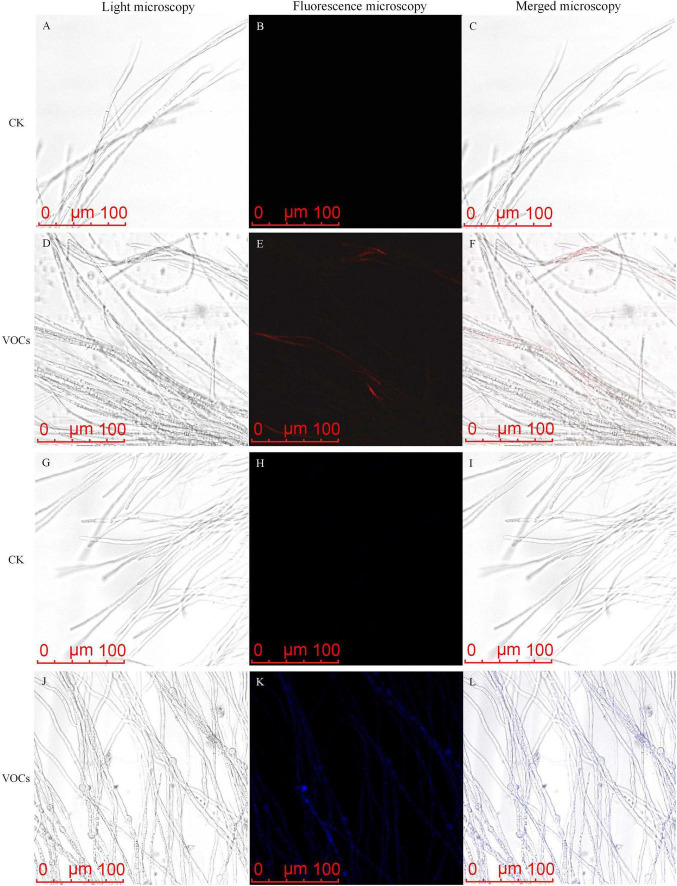 Figure 7
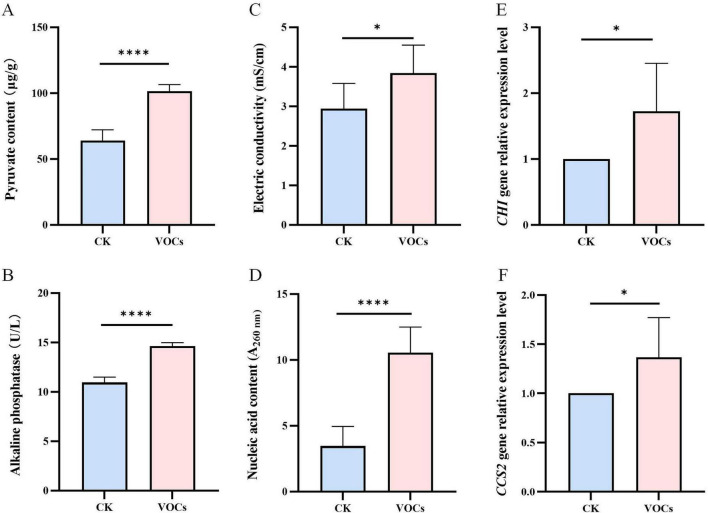 Figure 8
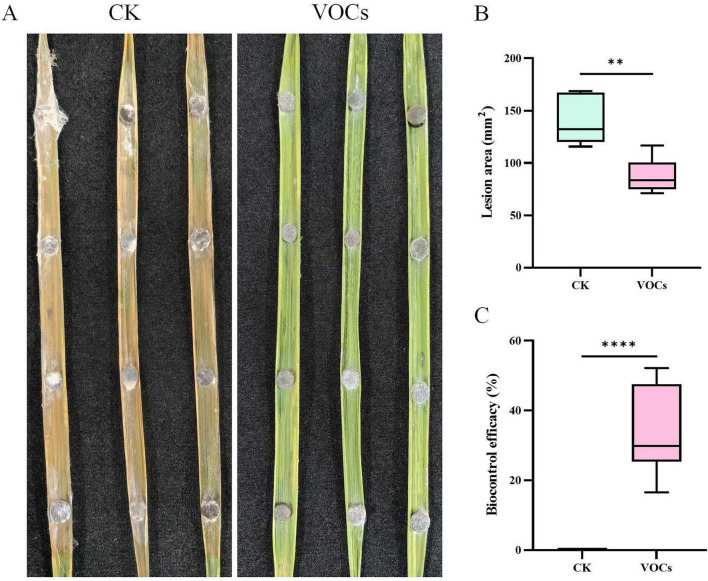 Figure 9
Peer Reviews
No public reviews on file for this paper yet. If you reviewed it on a platform where reviews are public (OpenReview, ICLR, NeurIPS, ICML), you can paste yours below so the community can read it here.
Videos
No videos yet. Explain this paper in a talk, walkthrough, or lecture? Add one.
Taxonomy
TopicsPlant-Microbe Interactions and Immunity · Advanced Chemical Sensor Technologies · Plant and Biological Electrophysiology Studies