POCA: a CPG signal analysis algorithm using peak-based feature extraction and machine learning
Xu Han, Giuliano Taccola, Stanislav Culaclii, Atiyeh Mohammadshirazi, Yan-Peng Chen, Wentai Liu

TL;DR
This paper introduces POCA, a new algorithm for analyzing CPG signals using peak-based features and machine learning to classify locomotor activity more accurately.
Contribution
The novel peak-based feature extraction framework improves CPG signal analysis and classification performance compared to traditional epoch-based methods.
Findings
POCA achieved an F1 score of 0.911 and accuracy of 0.957 using peak prominence as a key feature.
Incorporating additional peak features with an SVM improved performance to an F1 score of 0.923 and accuracy of 0.966.
POCA's results aligned closely with human-expert assessments of locomotor rhythms.
Abstract
Our understanding of the central pattern generator (CPG) for locomotion is primarily based on motor output analyses in isolated neonatal rodent preparations. Recent studies show that biomimetic neural modulation protocols, which mimic biological signals, outperform traditional methods in sustaining long-lasting fictive locomotor rhythms. However, fine-tuning such protocols requires extensive experimental trials, highlighting the urgent need for an automated CPG signal analysis tool. This study introduces the Peak-based Oscillation Classification Algorithm (POCA) for analyzing CPG signals using a novel peak-based feature extraction and machine learning. Although epoch-based feature extraction is widely applied in other biological oscillation analyses, they are suboptimal for CPG signals due to issue like challenging annotation and indirect feature representation. POCA addresses these…
Genes, proteins, chemicals, diseases, species, mutations and cell lines named across the full text — each resolved to its canonical identifier and authoritative record.
Click any figure to enlarge with its caption.
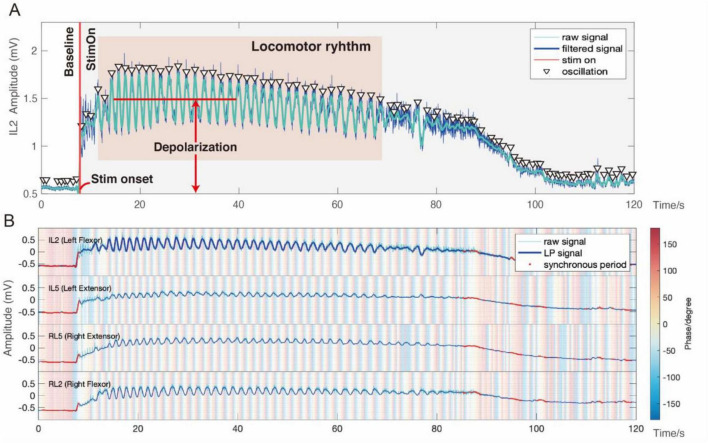 Figure 1
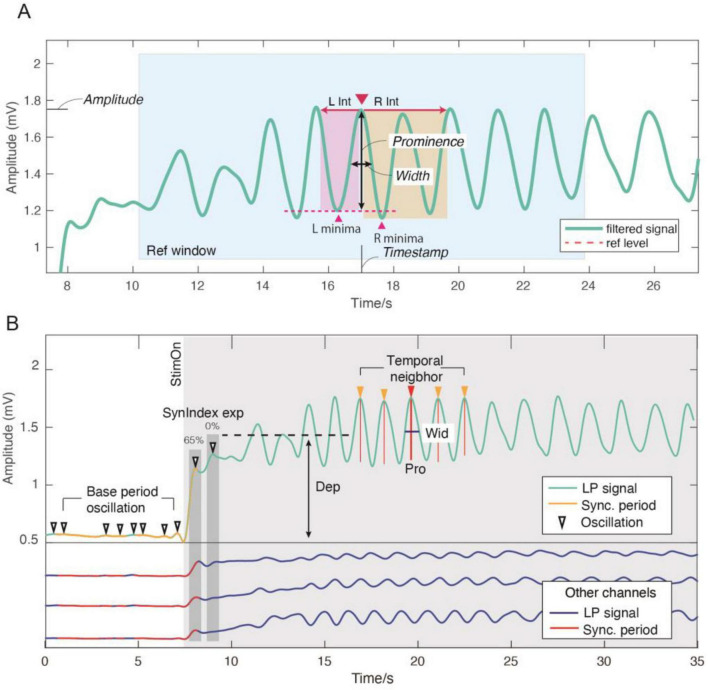 Figure 2
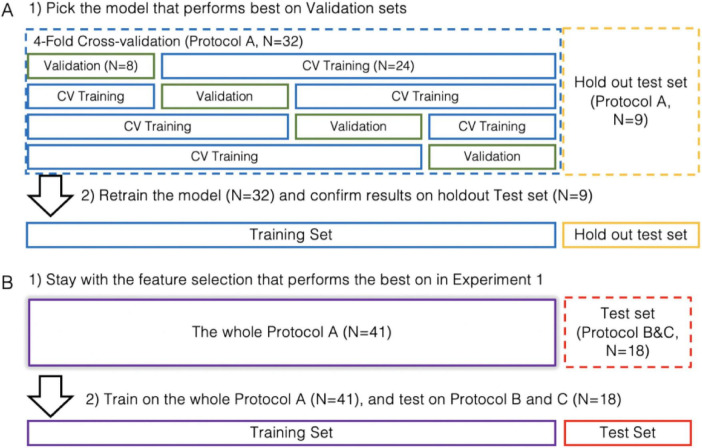 Figure 3
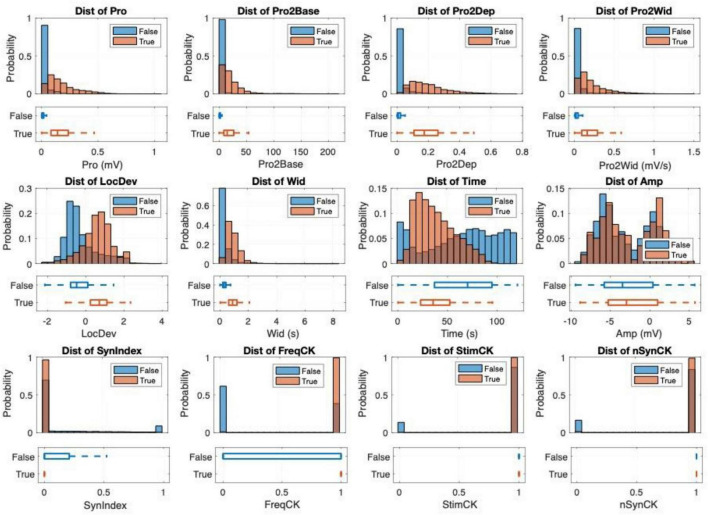 Figure 4
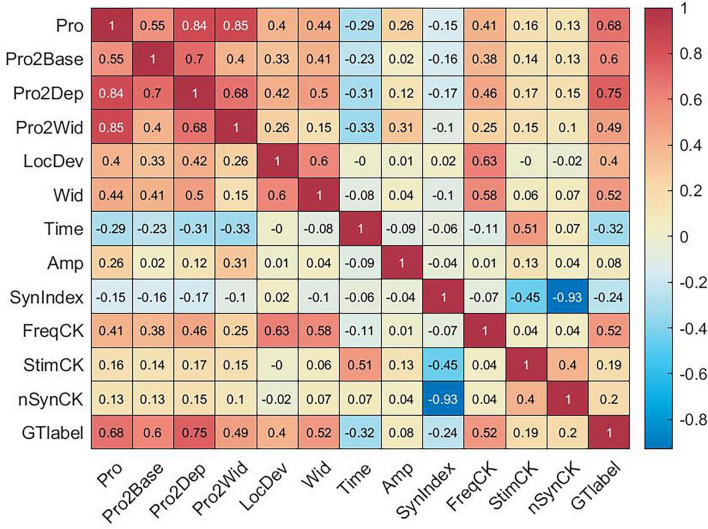 Figure 5
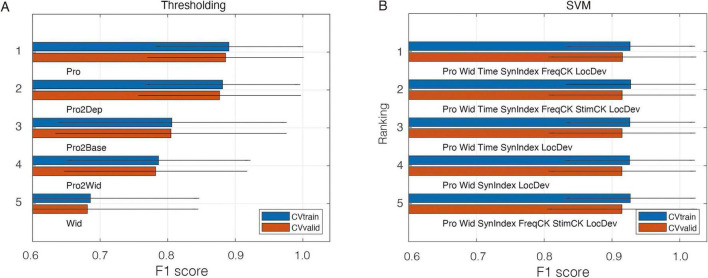 Figure 6
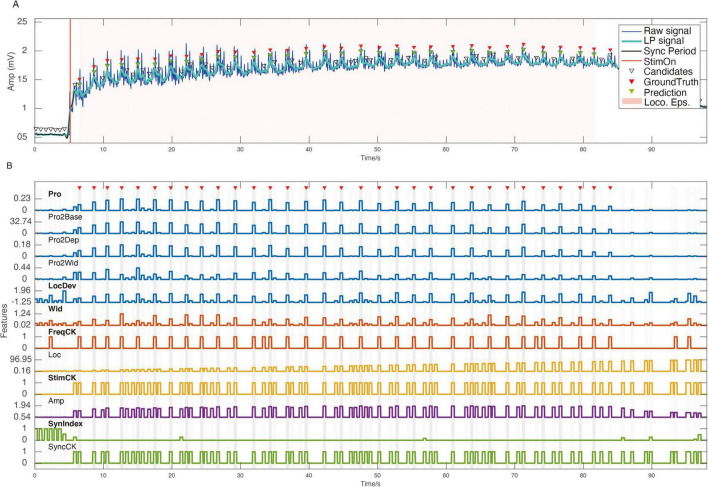 Figure 7
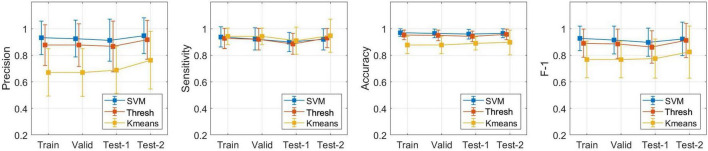 Figure 8
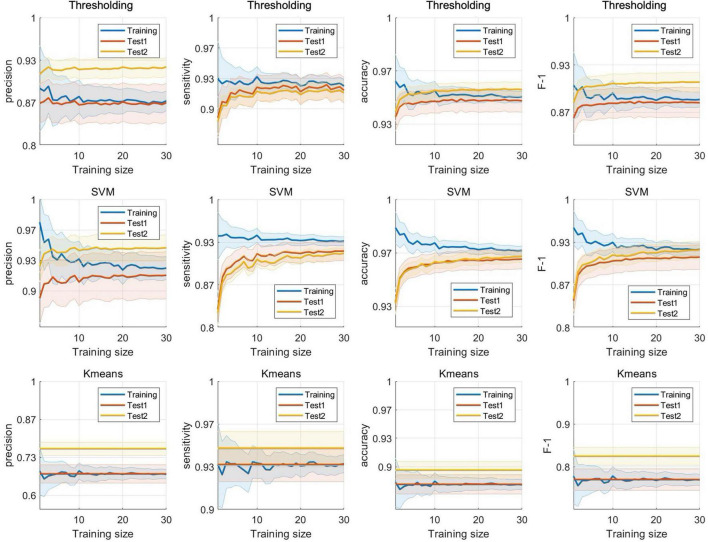 Figure 9
Peer Reviews
No public reviews on file for this paper yet. If you reviewed it on a platform where reviews are public (OpenReview, ICLR, NeurIPS, ICML), you can paste yours below so the community can read it here.
Videos
No videos yet. Explain this paper in a talk, walkthrough, or lecture? Add one.
Taxonomy
TopicsZebrafish Biomedical Research Applications · Robotic Locomotion and Control · Spinal Cord Injury Research