Integrated multi-omics elucidates the dual anti-inflammatory and neuroendocrine mechanisms of novel TCM plasters against primary dysmenorrhea
Weihui Liang, Wenxuan Cao, Yuan Zheng, Tie Li, Aoxue Yu, Fuchun Wang, Jia Liu

TL;DR
This study uses multi-omics to reveal how two traditional Chinese medicine plasters reduce menstrual pain by targeting inflammation and hormonal imbalances.
Contribution
The study provides a comprehensive, systems-level understanding of the dual anti-inflammatory and neuroendocrine mechanisms of TCM plasters for primary dysmenorrhea.
Findings
NGZT and SMX reduced pain behaviors and normalized inflammatory markers in a rat model of PD.
Multi-omics revealed that the plasters modulate arachidonic acid and estrogen pathways to rebalance the neuroendocrine system.
SMX showed enhanced efficacy due to improved transdermal delivery via graphene.
Abstract
Primary dysmenorrhea (PD) is a prevalent gynecological condition primarily driven by uterine inflammation and hormonal imbalances. While non-steroidal anti-inflammatory drugs (NSAIDs) are the first-line treatment, their side effects and failure rate necessitate alternative therapies. The Nuangong Zhitong Plaster (NGZT) and its graphene-modified variant (SMX) are clinically used traditional Chinese medicine (TCM) formulations for PD, but their comprehensive mechanisms of action remain unclear. A rat PD model was established via estradiol benzoate and oxytocin injection. Rats were treated with NGZT, SMX, ibuprofen, or a loxoprofen patch. Therapeutic effects were assessed through pain behavior scoring, uterine coefficient measurement, and enzyme-linked immunosorbent assay (ELISA) for prostaglandins and β-endorphin. An integrated approach combining network pharmacology, transcriptomics,…
Genes, proteins, chemicals, diseases, species, mutations and cell lines named across the full text — each resolved to its canonical identifier and authoritative record.
Click any figure to enlarge with its caption.
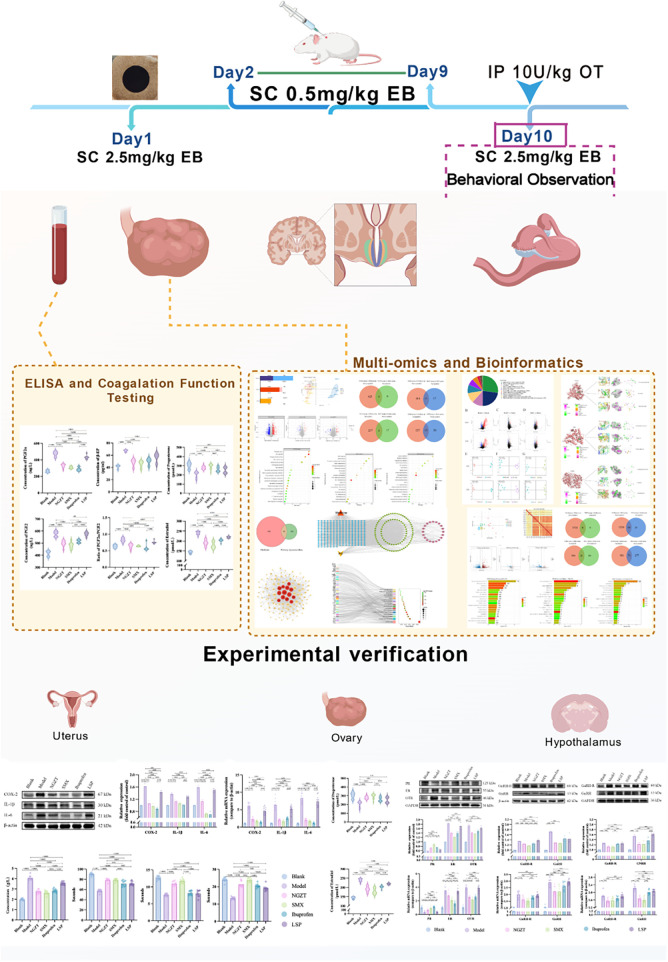 Figure 1
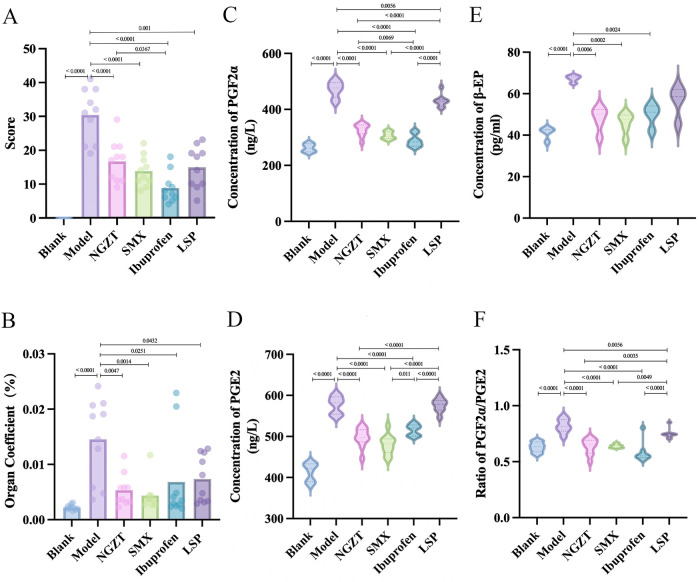 Figure 2
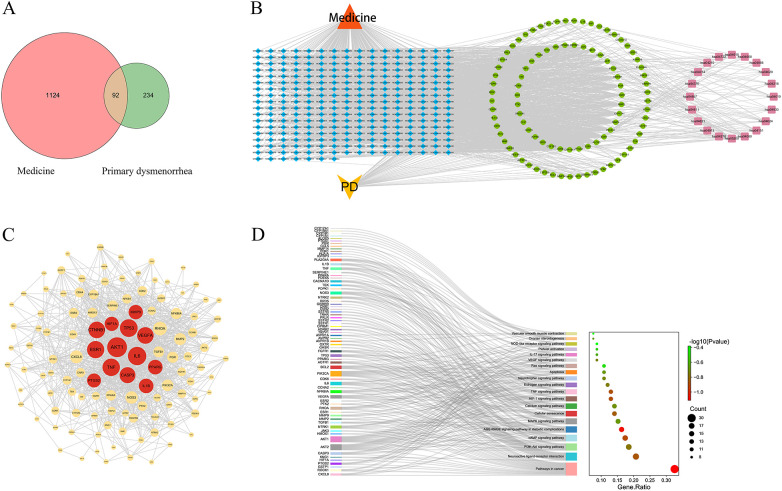 Figure 3
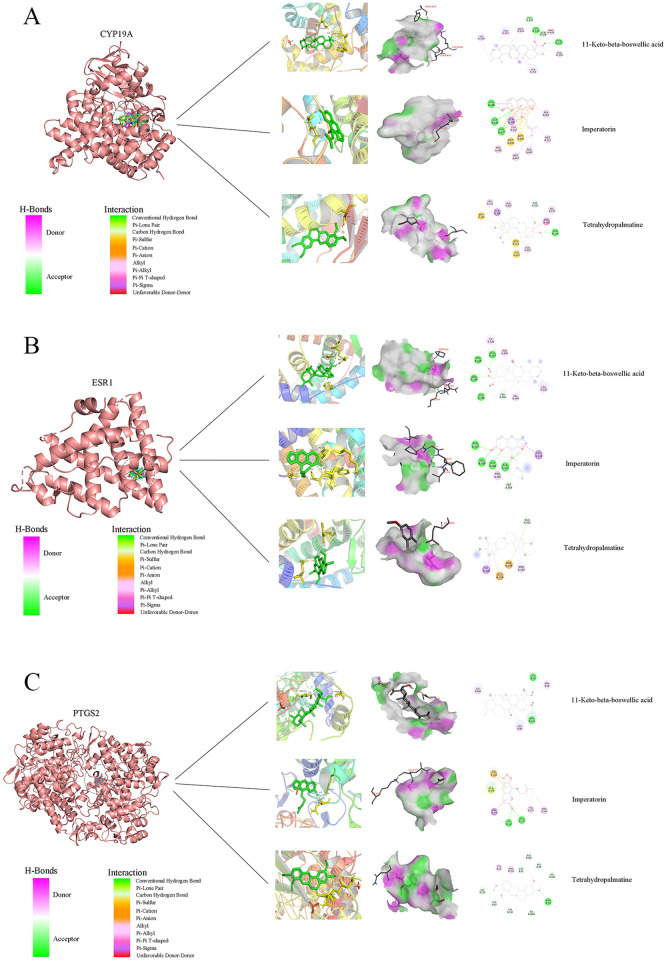 Figure 4
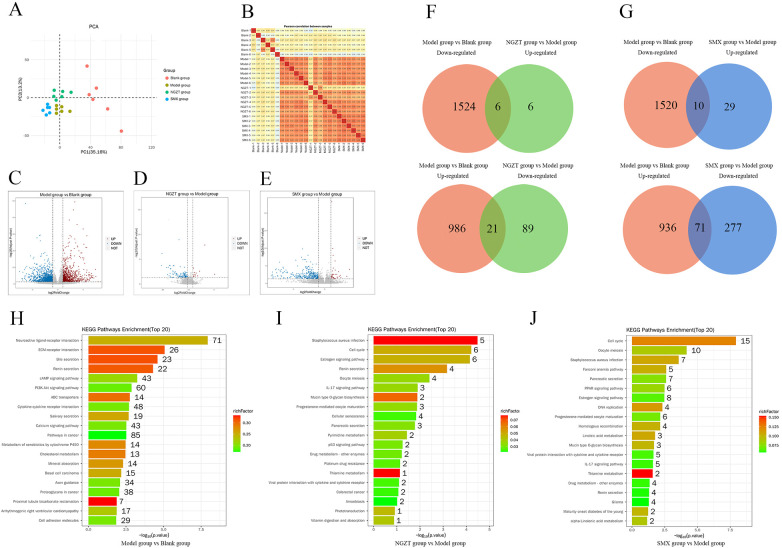 Figure 5
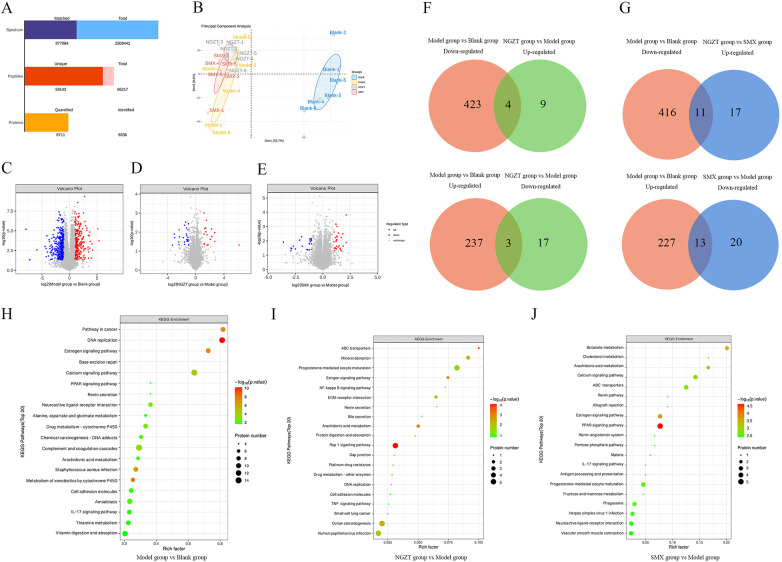 Figure 6
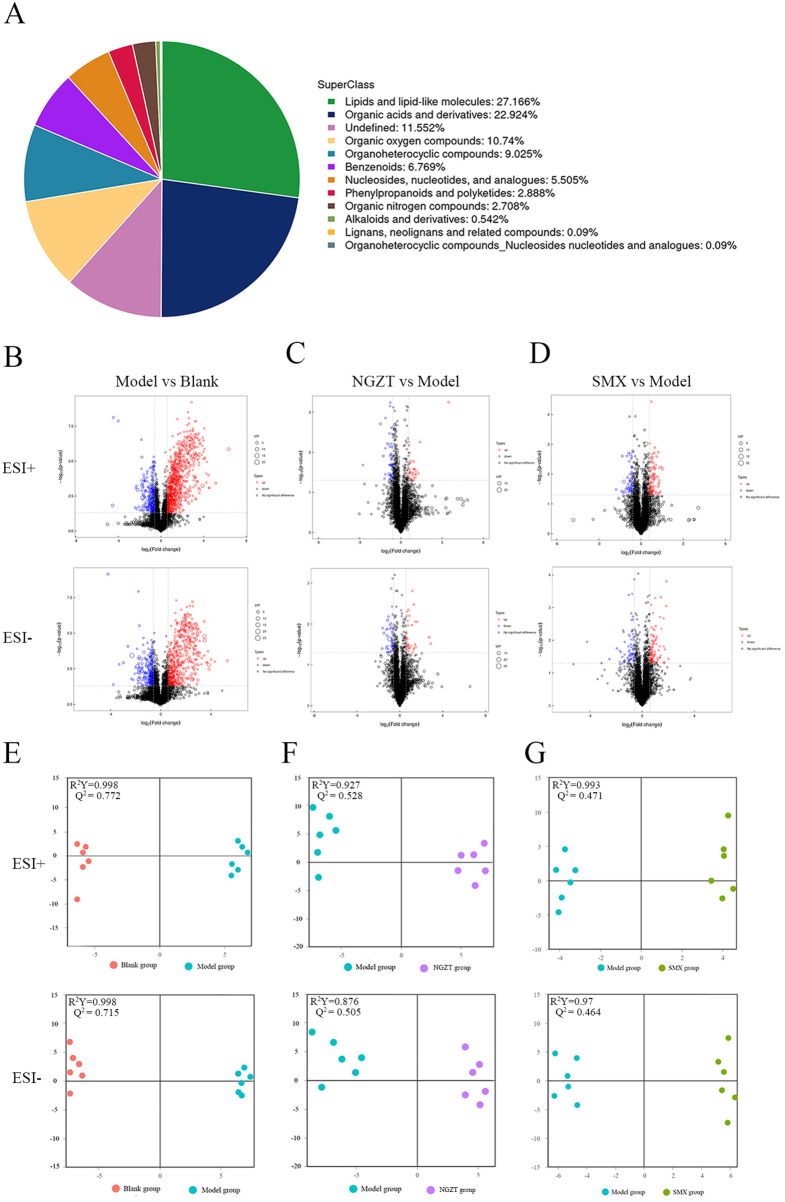 Figure 7
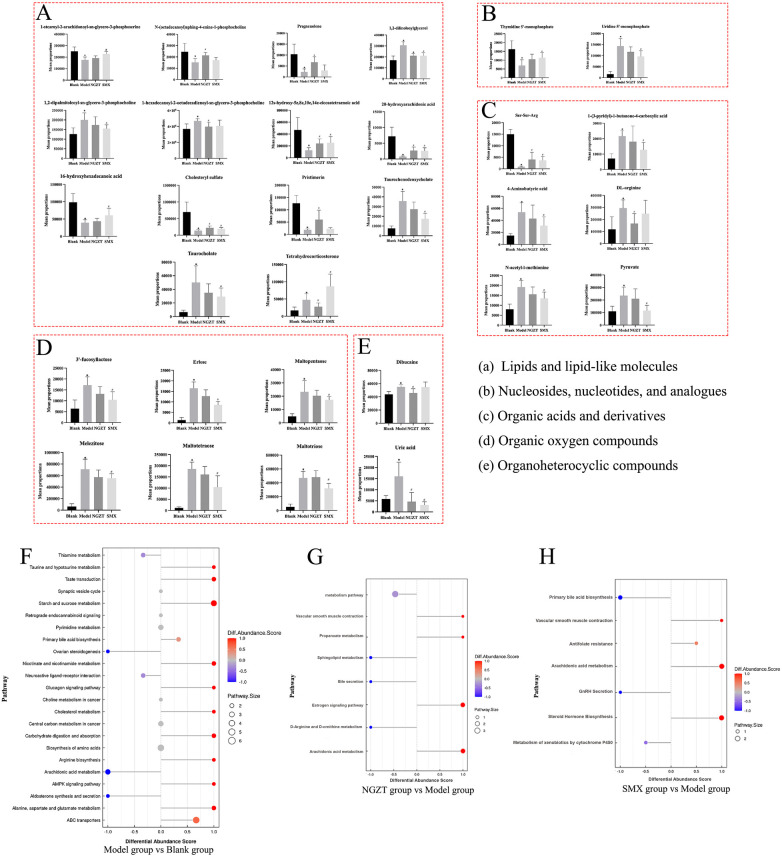 Figure 8
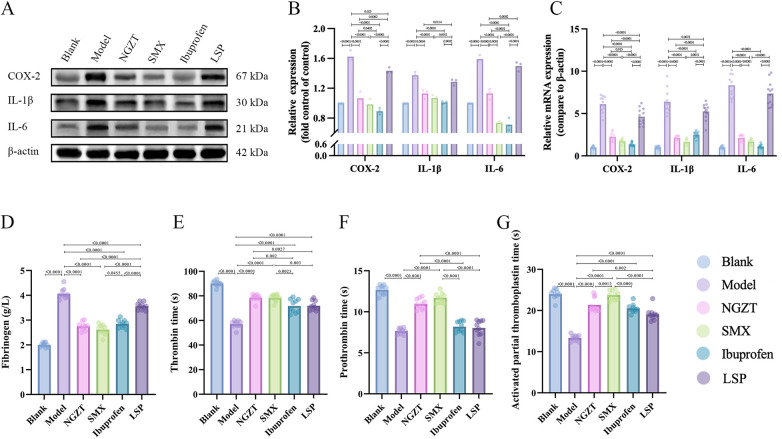 Figure 9
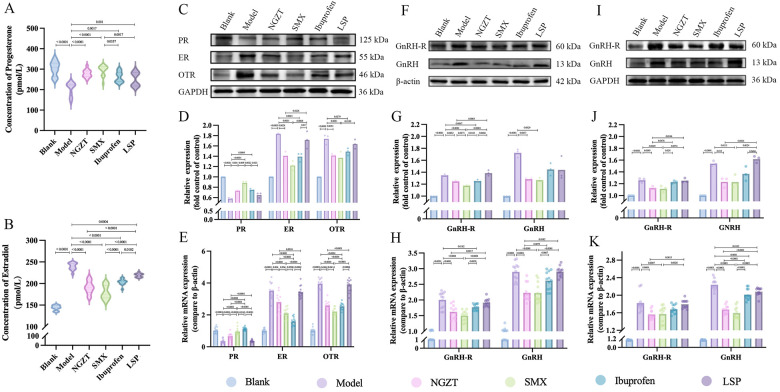 Figure 10
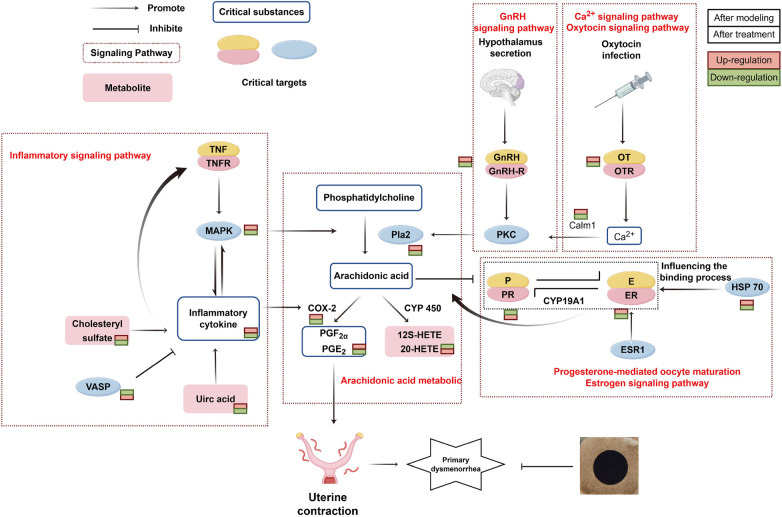 Figure 11
Peer Reviews
No public reviews on file for this paper yet. If you reviewed it on a platform where reviews are public (OpenReview, ICLR, NeurIPS, ICML), you can paste yours below so the community can read it here.
Videos
No videos yet. Explain this paper in a talk, walkthrough, or lecture? Add one.
Taxonomy
TopicsMenstrual Health and Disorders · Reproductive System and Pregnancy · Menopause: Health Impacts and Treatments