Sodium pyruvate ameliorates cognitive dysfunction by expanding hippocampal endogenous neural stem cells in tBCCAO mice
Jia He, Lici Yang, Zican Wang, Wenwen Liu, Benjun Qi, Pengyue Li, Yongwei Pan, Yongjian Jiang, Dongyu Ding, Ge Yan, Zijia Liu, Lili Yuan, Yang Gao

TL;DR
Sodium pyruvate helps improve cognitive function after stroke by boosting neural stem cells in the hippocampus of mice.
Contribution
This study reveals a new therapeutic mechanism of sodium pyruvate in promoting neural stem cell expansion after stroke.
Findings
Sodium pyruvate reduces brain damage and improves learning and memory in tBCCAO mice.
SP increases the expansion of hippocampal neural stem cells and upregulates key proteins like SOX2 and DCX.
The p300-H3K9ac-DCX pathway may mediate SP's effects on neural stem cell growth and neuron maturation.
Abstract
After a stroke, many survivors experience post-stroke cognitive impairment (PSCI), a frequent clinical problem that might continue for an extended timeframe. Nerve regeneration is a crucial aspect of the body’s self-repair mechanism following a stroke. While Sodium Pyruvate (SP) exhibits notable neuroprotective properties, its potential role in facilitating nerve regeneration requires further investigation. Thorough investigation into how cerebral ischemia-reperfusion injury is repaired and the function of SP in healing ischemic stroke damage. A temporary bilateral common carotid artery occlusion model (tBCCAO) was used to induce cerebral ischemic injury in mice. Laser scattering technique used to evaluate blood flow variations in the mouse brain. The water maze served as a tool to measure the learning and memory capabilities of the mice. The expansion of neural stem cells (NSCs) pool…
Genes, proteins, chemicals, diseases, species, mutations and cell lines named across the full text — each resolved to its canonical identifier and authoritative record.
Click any figure to enlarge with its caption.
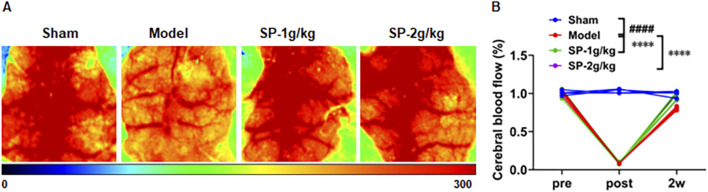 Figure 1
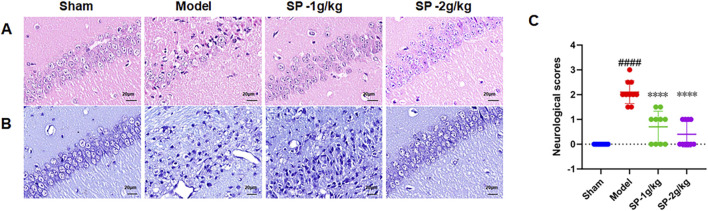 Figure 2
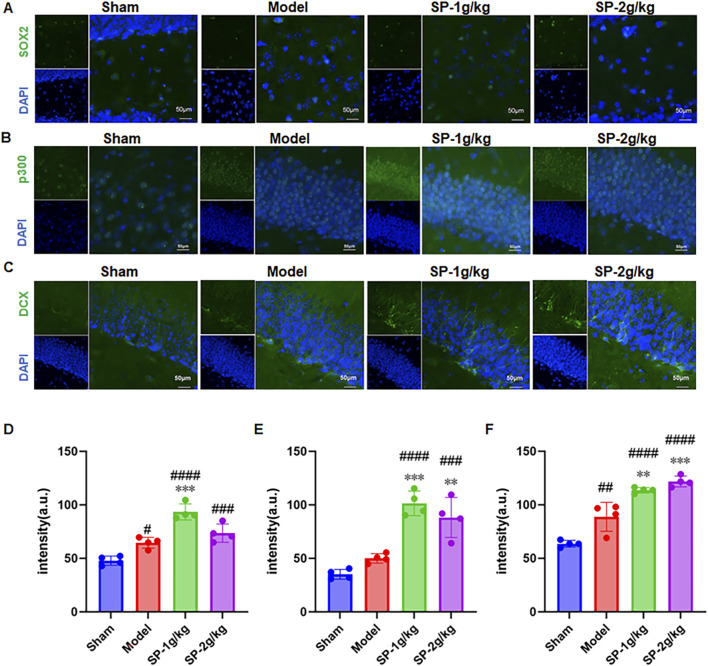 Figure 3
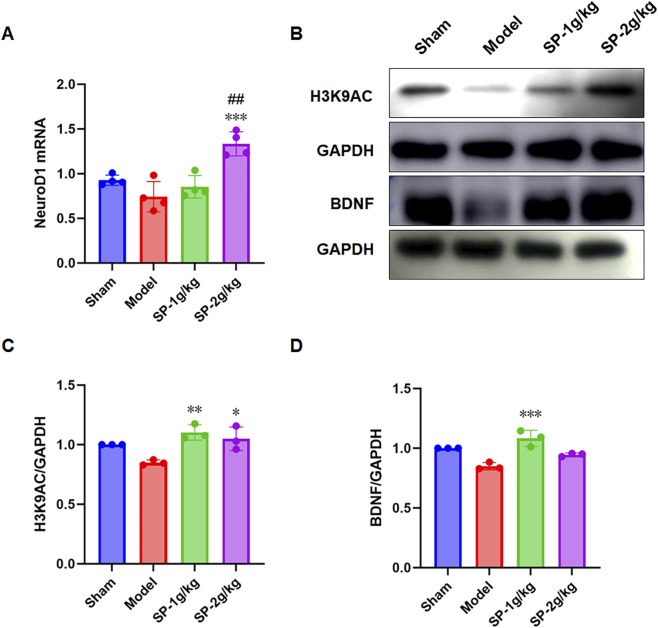 Figure 4
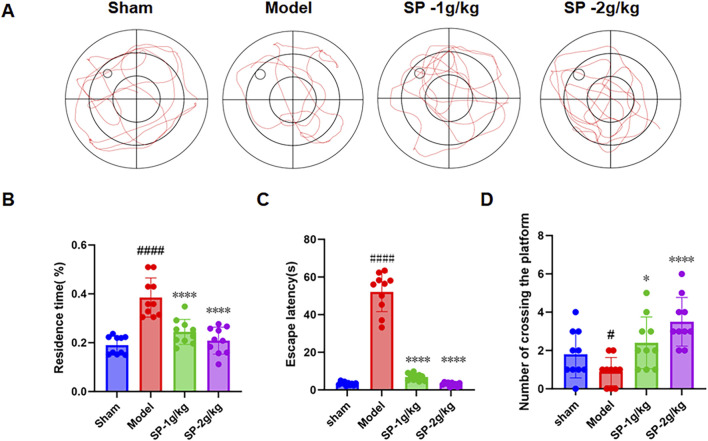 Figure 5
Peer Reviews
No public reviews on file for this paper yet. If you reviewed it on a platform where reviews are public (OpenReview, ICLR, NeurIPS, ICML), you can paste yours below so the community can read it here.
Videos
No videos yet. Explain this paper in a talk, walkthrough, or lecture? Add one.
Taxonomy
TopicsNeurological Disease Mechanisms and Treatments · Neuroinflammation and Neurodegeneration Mechanisms · Neurogenesis and neuroplasticity mechanisms