PRMT5 inhibition triggers functional ATM deficiency and sensitizes pancreatic cancer to CHK1 blockade
Madeline Dzikowski, Gareth Pollin, Veda Gunia, Shawna Butler, Byambasuren Enkhtuul, Jennifer Gavina Chavez, Michael T. Zimmermann, Angela Mathison, Raul Urrutia, Gwen Lomberk

TL;DR
PRMT5 inhibition weakens DNA repair in pancreatic cancer cells, making them more vulnerable to CHK1 inhibitors, which could improve treatment outcomes.
Contribution
PRMT5 inhibition is shown to functionally disable ATM, creating a new therapeutic vulnerability in pancreatic cancer when combined with CHK1 blockade.
Findings
PRMT5 inhibition reduces ATM levels, leading to functional ATM deficiency in pancreatic cancer cells.
Combining PRMT5 and CHK1 inhibition synergistically suppresses PDAC growth and increases DNA damage and cell death.
RNA-seq reveals downregulation of DNA repair genes and upregulation of cell death pathways with the drug combination.
Abstract
PRMT5 inhibitors are under clinical investigation for pancreatic ductal adenocarcinoma (PDAC), but strategies to maximize their therapeutic efficacy remain undefined. Here, we sought to determine whether pharmacologic inhibition of PRMT5 creates therapeutically exploitable vulnerabilities in PDAC. We employed immunofluorescence, western blotting, and comet assays for molecular analyses, Incucyte live-cell imaging and clonogenic assays for in vitro growth assessment, RNA-seq for transcriptomic profiling followed by RT-qPCR array validation of selected targets, and xenograft models with immunohistochemistry to evaluate in vivo effects. We report that pharmacologic inhibition of PRMT5 markedly reduces ATM levels across multiple PDAC cell lines using different PRMT5 inhibitors, resulting in a functional ATM-deficient state. This reduction in ATM rewires DNA damage response signaling,…
Genes, proteins, chemicals, diseases, species, mutations and cell lines named across the full text — each resolved to its canonical identifier and authoritative record.
Click any figure to enlarge with its caption.
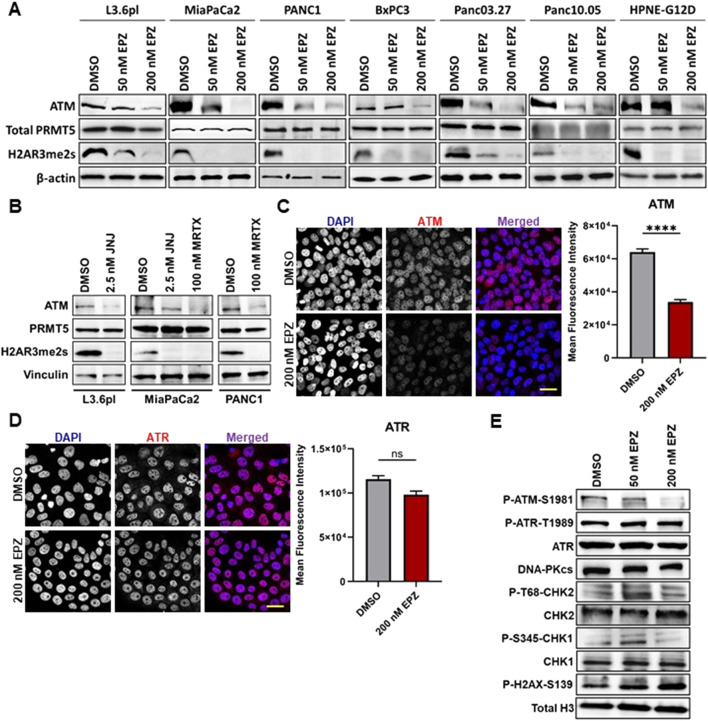 Figure 1
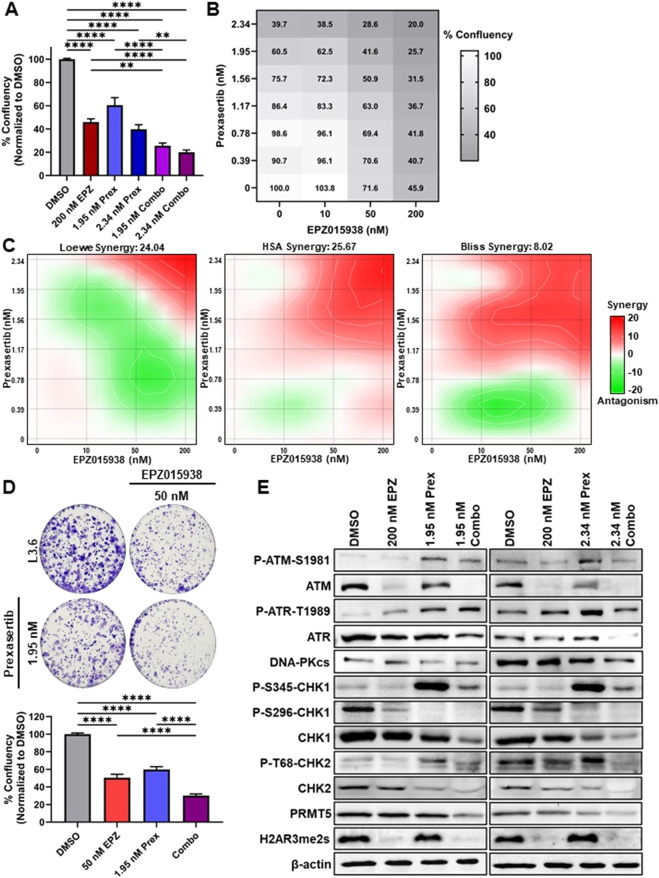 Figure 2
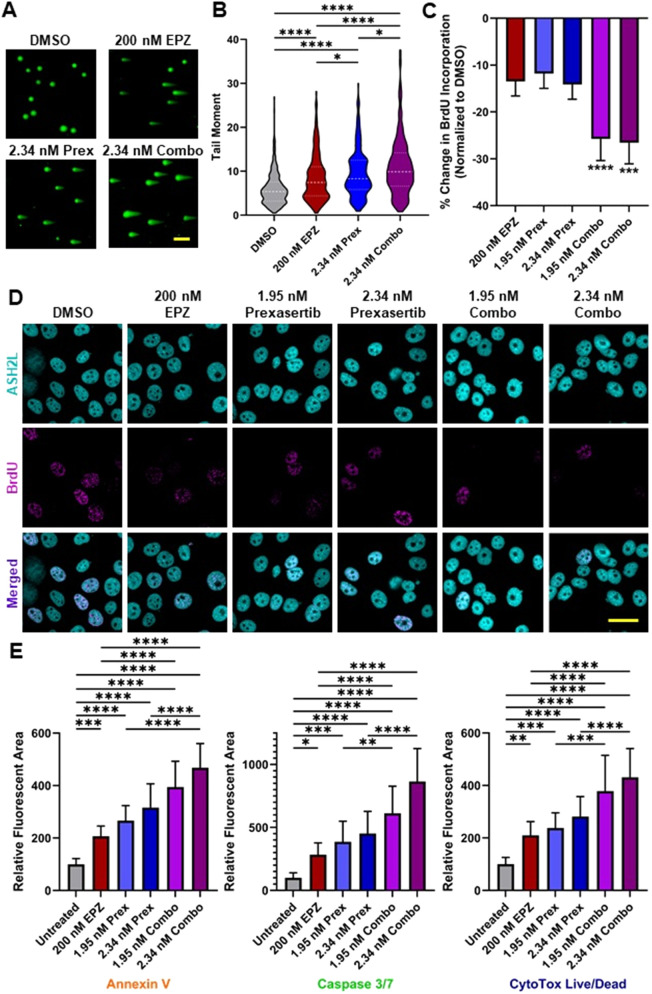 Figure 3
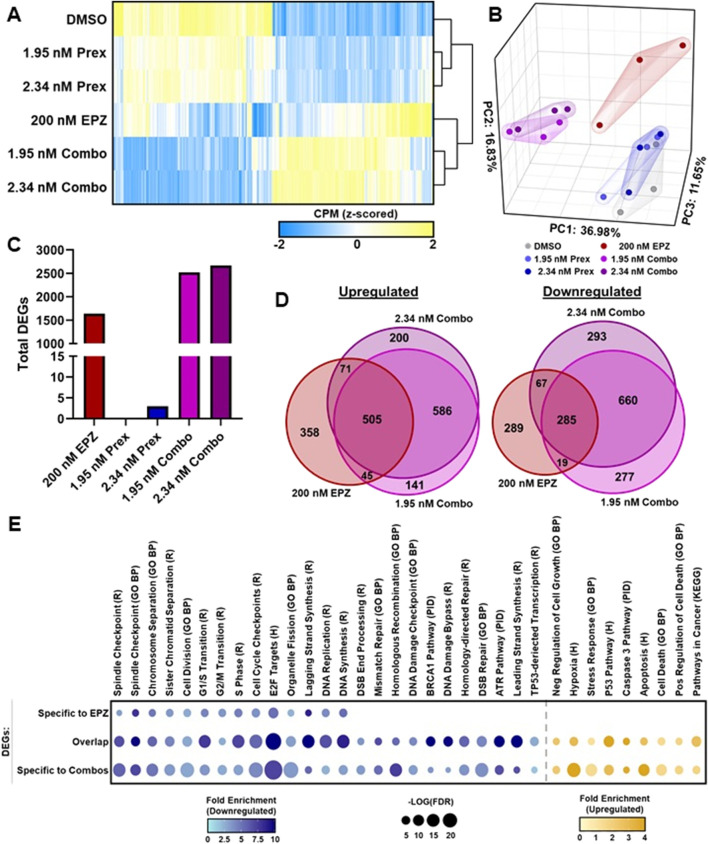 Figure 4
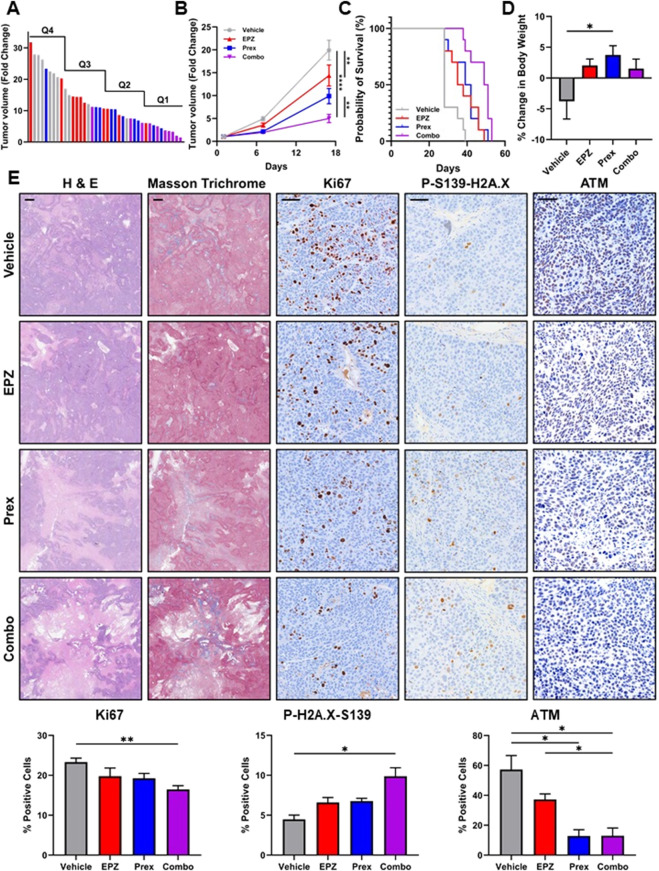 Figure 5
Peer Reviews
No public reviews on file for this paper yet. If you reviewed it on a platform where reviews are public (OpenReview, ICLR, NeurIPS, ICML), you can paste yours below so the community can read it here.
Videos
No videos yet. Explain this paper in a talk, walkthrough, or lecture? Add one.
Taxonomy
TopicsCancer-related gene regulation · Protein Degradation and Inhibitors · Renal and related cancers