Unraveling the dual immunomodulatory and immunogenic roles of the central conserved cysteine-rich region in respiratory syncytial virus G protein
Juan Gutman, Ana Luz Paletta, Federico Birnberg-Weiss, Cecilia Arahi Prato, Analía Boudgouste, Carla Jimena Goldin, Santiago Sastre, Alana Brooke Byrne, Pablo Pakciarz, Fernando Pedro Polack, Julia Dvorkin, Ari Zeida, Mauricio Tomas Caballero, Verónica Inés Landoni

TL;DR
This study explores how a specific region of the RSV G protein affects immune responses, revealing how its structure and redox state influence immune evasion and suppression.
Contribution
The study reveals a redox-dependent immune-evasion mechanism of RSV G protein involving monomeric and oligomeric forms.
Findings
Reduced Gpep folds into an oxidized monomer that suppresses dendritic cell and neutrophil activity.
Oligomerized Gpep lacks immunosuppressive activity, suggesting a structural switch in function.
Pediatric serology shows a shift in antibody responses toward the F protein after early RSV exposure.
Abstract
Respiratory syncytial virus (RSV) causes severe respiratory disease in infants and high-risk adults, in part by subverting host immunity. The RSV G glycoprotein’s central conserved cysteine rich domain (CCD) contains a CX3C motif implicated in immune modulation, but the relationship between its redox state, structural conformation, and immune modulatory function remains unclear. In this study, we recombinantly expressed a CCD-derived peptide (Gpep, residues 149–196), determined its redox-dependent folding by reversed-phase HPLC (RP-HPLC) and biophysical analyses, and assessed its function using murine dendritic cell and human neutrophil assays alongside pediatric serology. Kinetic analyses by RP‑HPLC and biophysical techniques showed that reduced Gpep rapidly folds through a predominant intermediate to yield an oxidized monomer; conversely, higher concentrations drive intermolecular…
Genes, proteins, chemicals, diseases, species, mutations and cell lines named across the full text — each resolved to its canonical identifier and authoritative record.
Click any figure to enlarge with its caption.
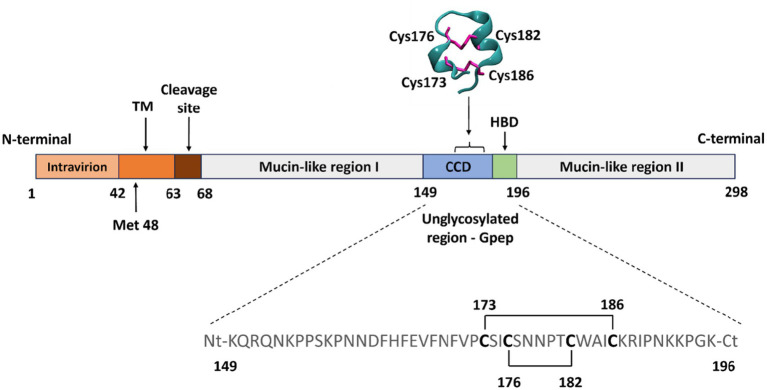 Figure 1
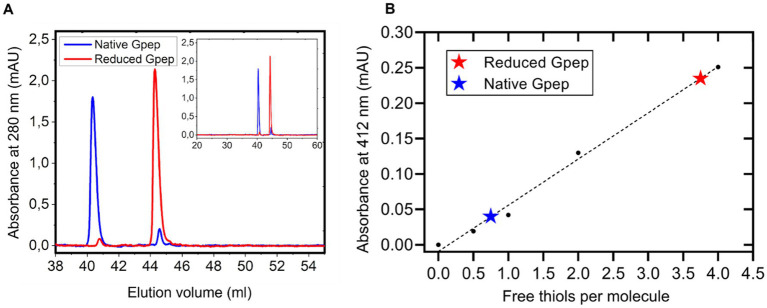 Figure 2
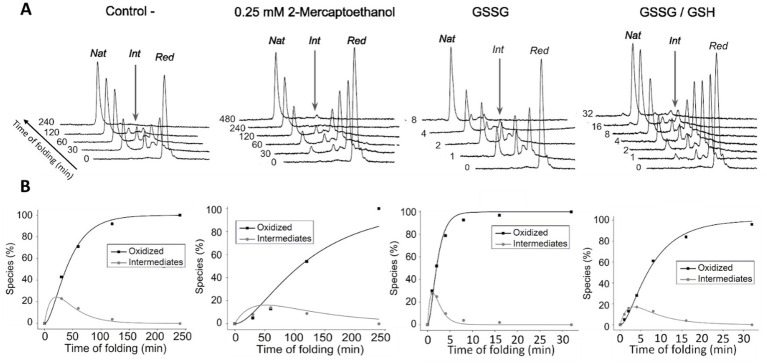 Figure 3
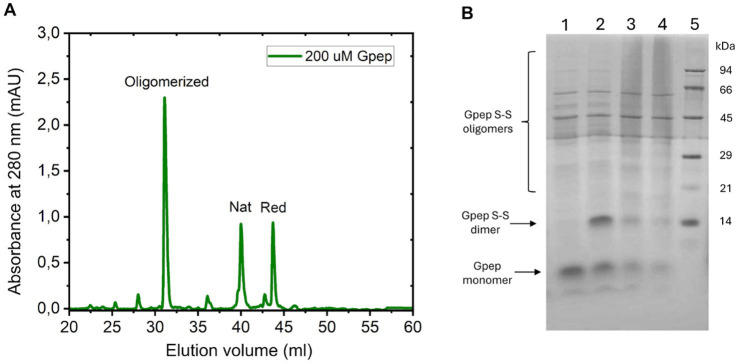 Figure 4
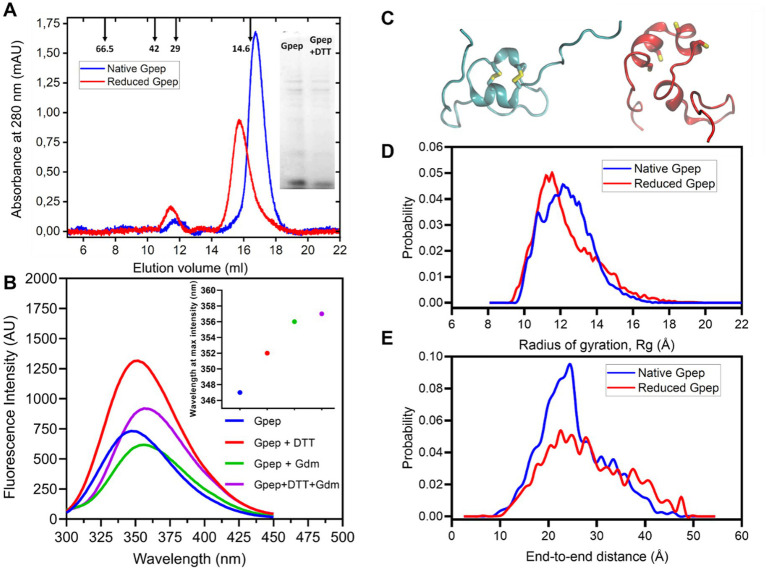 Figure 5
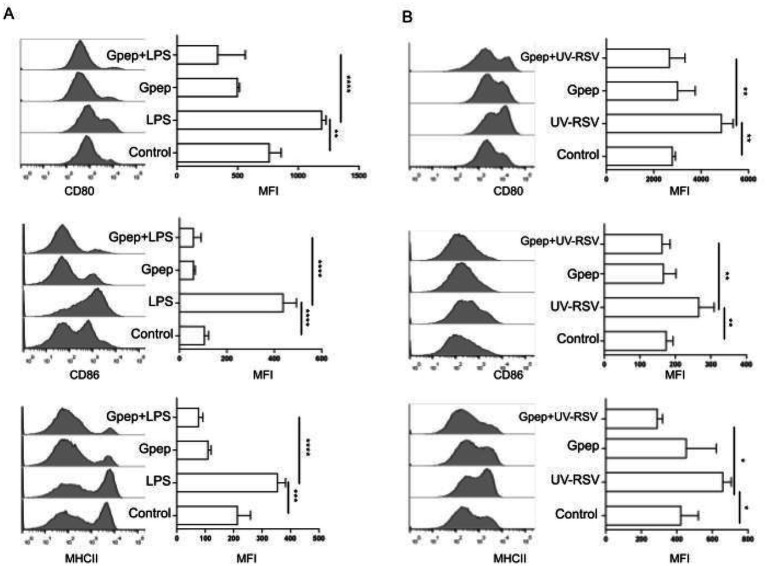 Figure 6
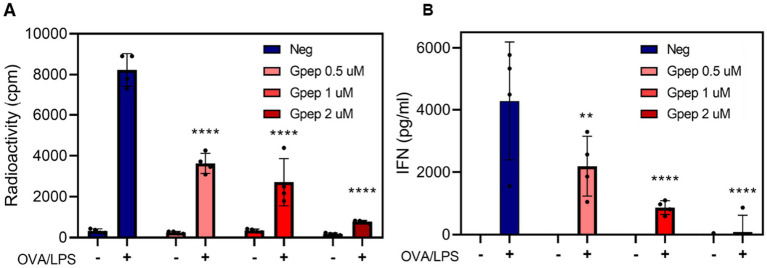 Figure 7
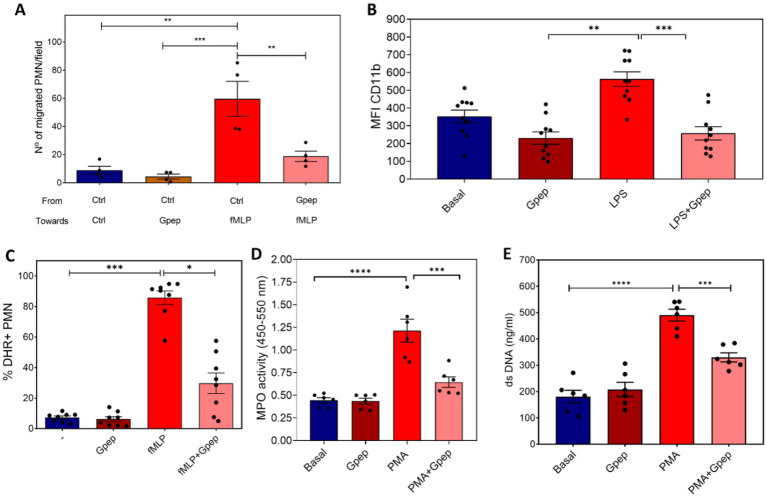 Figure 8
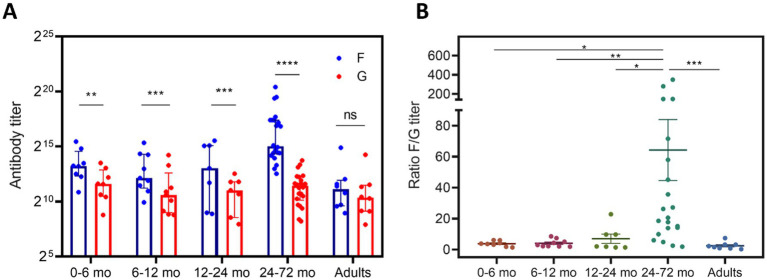 Figure 9
Peer Reviews
No public reviews on file for this paper yet. If you reviewed it on a platform where reviews are public (OpenReview, ICLR, NeurIPS, ICML), you can paste yours below so the community can read it here.
Videos
No videos yet. Explain this paper in a talk, walkthrough, or lecture? Add one.
Taxonomy
TopicsRespiratory viral infections research · Antimicrobial Peptides and Activities · Virology and Viral Diseases