Wild-type MIC distribution and evaluation of epidemiological cut-offs of second-line TB-drugs in susceptible and MDR-TB clinical isolates from Chennai, India
Azger Dusthackeer, Mahizhaveni Balasubramanian, Sam Ebenezer Rajadas, Christy Rosaline Nirmal, Padmasini Elango, Kannan Thiruvengadam, Shainaba A. Saadhali, Sivakumar Shanmugam

TL;DR
This study evaluates drug resistance thresholds for second-line TB drugs in India, finding discrepancies with global standards that could impact treatment effectiveness.
Contribution
The study identifies region-specific deviations in epidemiological cut-off values for second-line TB drugs in clinical isolates from Chennai.
Findings
Deviations from WHO-recommended cut-off values were observed for delamanid, levofloxacin, clofazimine, and bedaquiline.
Sub-therapeutic drug exposure ranges were found in susceptible strains, risking treatment failure.
Region-specific recalibration of cut-off values is urgently needed to improve MDR-TB treatment outcomes.
Abstract
The rise of drug-resistant tuberculosis poses a significant challenge in patient management. Epidemiological cut-off values define drug resistance in Mycobacterium tuberculosis. In our previous study, we reported deviations from the WHO-recommended epidemiological cut-off values and identified subtherapeutic concentrations of rifampicin in clinical Mycobacterium tuberculosis isolates. Building on these findings, the present study systematically evaluated the epidemiological cut-off values and pharmacodynamic profiles of newer and repurposed second-line anti-TB drugs - Bedaquiline, Delamanid, Moxifloxacin, Linezolid, Clofazimine, Levofloxacin, and Pretomanid against the first-line drug-sensitive and isolates that are resistant to Rifampicin and Isoniazid from tuberculosis patients in and around Chennai. The Broth microdilution-based Microscopic Observation Drug Susceptibility assay was…
Genes, proteins, chemicals, diseases, species, mutations and cell lines named across the full text — each resolved to its canonical identifier and authoritative record.
Click any figure to enlarge with its caption.
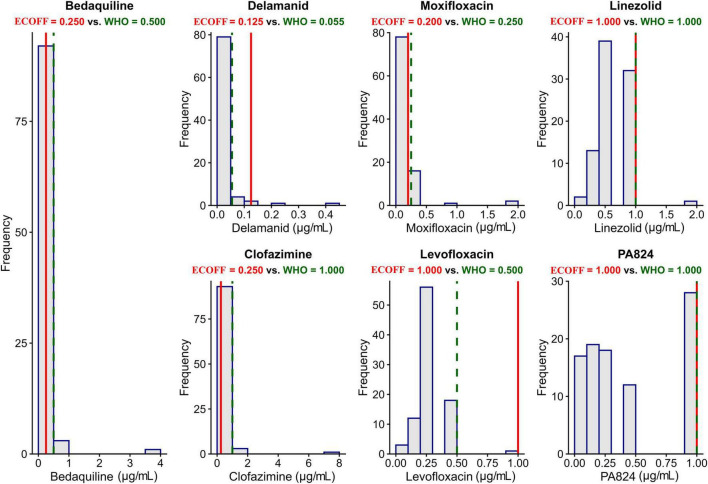 Figure 1
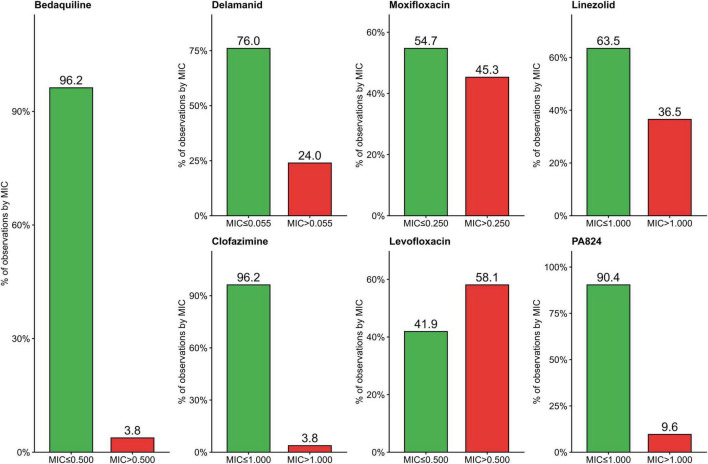 Figure 2
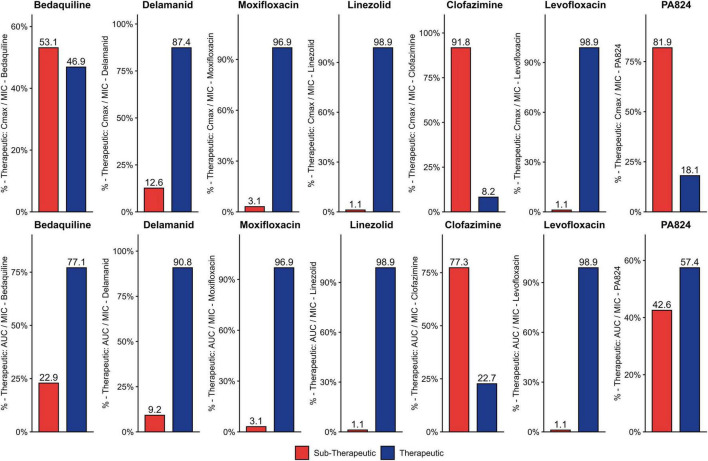 Figure 3
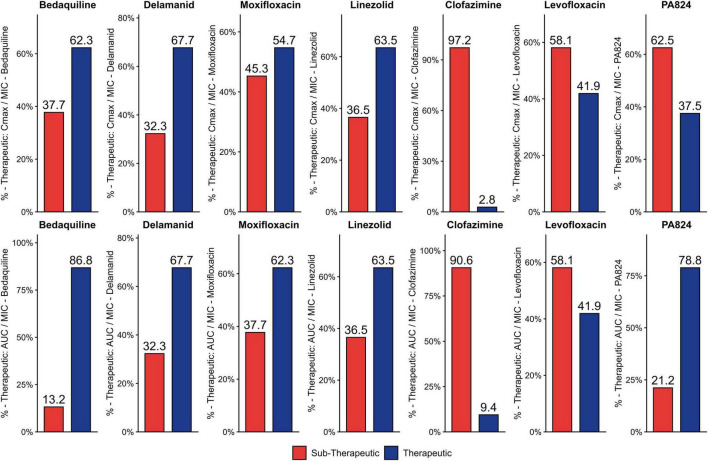 Figure 4
Peer Reviews
No public reviews on file for this paper yet. If you reviewed it on a platform where reviews are public (OpenReview, ICLR, NeurIPS, ICML), you can paste yours below so the community can read it here.
Videos
No videos yet. Explain this paper in a talk, walkthrough, or lecture? Add one.
Taxonomy
TopicsTuberculosis Research and Epidemiology · Mycobacterium research and diagnosis · Diverse Scientific Research Studies