Molecular characterisation of Trypanosoma cruzi in Triatoma dimidiata from a highland locality in western Panamá
Vanessa Jenny Pineda, Kadir González, José Eduardo Calzada, Azael Saldaña

TL;DR
This study found that 70% of Triatoma dimidiata bugs in western Panamá were infected with Trypanosoma cruzi, suggesting active local transmission of the parasite.
Contribution
The first molecular confirmation of T. cruzi in T. dimidiata from Palmira Arriba, highlighting active transmission in highland regions.
Findings
21 out of 30 triatomines tested positive for Trypanosoma cruzi.
Most infections were linked to domestic and sylvatic cycles (TcI and TcIa genotypes).
Blood meal analysis showed opportunistic feeding on mammals and birds.
Abstract
Triatoma dimidiata is a widely distributed vector of Trypanosoma cruzi in Mesoamerica, but its epidemiological role in most regions of Panamá remains poorly understood. To investigate the presence, infection status, and feeding behaviour of T. dimidiata populations in peridomestic areas of Palmira Arriba, western Panamá. Entomological surveys were conducted in five peridomestic sites of a rural highland community. Thirty-seven triatomines (13 adults and 24 nymphs) were collected from wooden piles and construction materials in contact with the ground. DNA from 30 specimens was analysed by polymerase chain reaction (PCR) for T. cruzi detection, genotyping [discrete typing unit (DTU) and haplotype identification], and blood meal source determination through cytochrome b amplification. Twenty-one insects (70.0%) were positive for T. cruzi. Sixteen infections (76.2%) belonged to DTU I…
Genes, proteins, chemicals, diseases, species, mutations and cell lines named across the full text — each resolved to its canonical identifier and authoritative record.
Click any figure to enlarge with its caption.
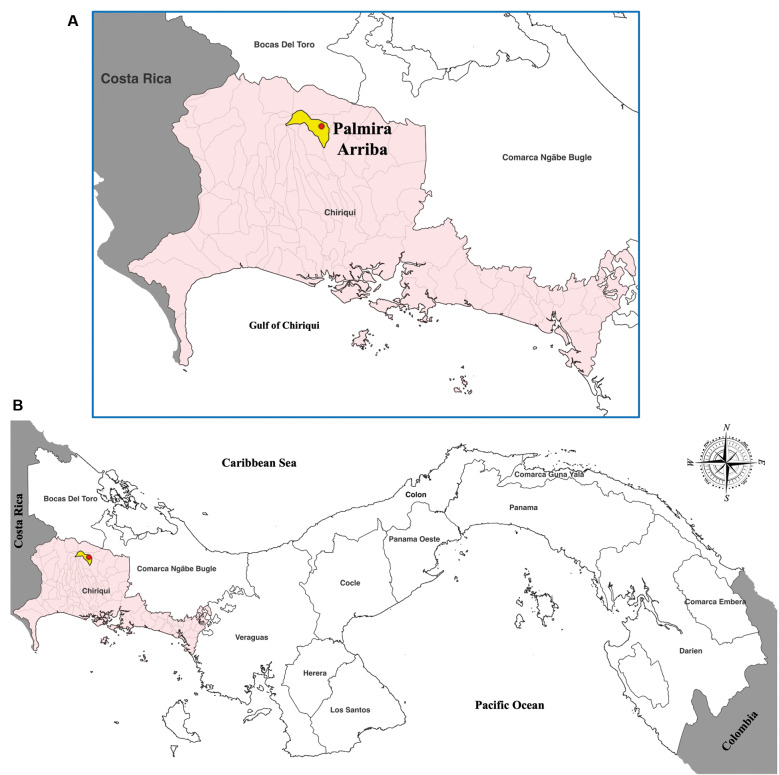 Fig. 1
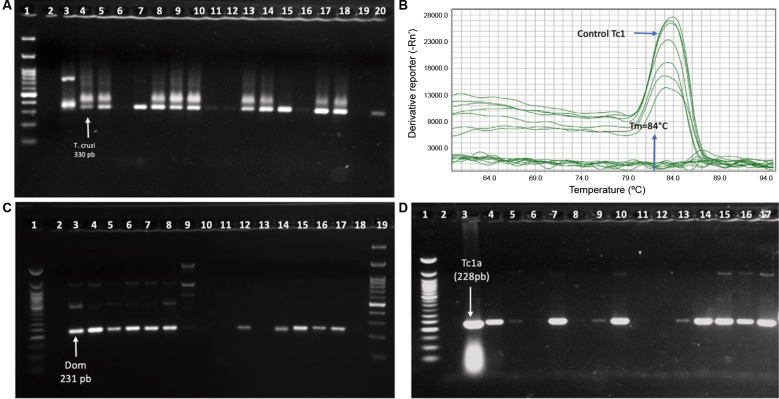 Fig. 2
| Number of | Percentage (%) | |
|---|---|---|
| Total | 30 | 100% |
|
| 21 | 70.0% (21/30) |
| - Adults positive | 6 | 28.6% (6/21) |
| - Nymphs positive | 15 | 71.4% (15/21) |
| Genotyped as TcI | 16 | 76.2% (16/21) |
| No amplification | 5 | 23.8% (5/21) |
| - TcIDOM genotype | 13 | 81.2% (13/16) |
| - TcIa haplotype | 14 | 87.5% (14/16) |
| No amplification | 2 | 12.5% (2/16) |
- —Ministry of Economy and Finance (MEF) of the Republic of Panamá
Peer Reviews
No public reviews on file for this paper yet. If you reviewed it on a platform where reviews are public (OpenReview, ICLR, NeurIPS, ICML), you can paste yours below so the community can read it here.
Videos
No videos yet. Explain this paper in a talk, walkthrough, or lecture? Add one.
Taxonomy
TopicsTrypanosoma species research and implications · Research on Leishmaniasis Studies · Parasites and Host Interactions
INTRODUCTION
Chagas disease (CD), caused by the protozoan parasite Trypanosoma cruzi, remains a significant vector-borne zoonosis in Latin America, with over seven million people infected worldwide.1 In Panamá, T. cruzi transmission is primarily linked to sylvatic and peridomestic cycles involving triatomine vectors and mammalian reservoirs.2 Historically, Rhodnius pallescens has been regarded as the principal vector due to its strong ecological association with the endemic palm tree Attalea butyracea and its widespread presence across central Panamá.3 However, the increasing detection of Triatoma dimidiata infestations and evidence of its colonisation in rural dwellings of western provinces, including Veraguas and Chiriquí, suggest a shifting entomological landscape that merits further investigation.4 ^,^ 5
Triatoma dimidiata is a widely distributed triatomine species that ranges from southern México to northern South America, including Colombia, Ecuador, and parts of Venezuela.6 ^,^ 7 While often considered a secondary vector in Panamá, T. dimidiata has demonstrated remarkable ecological plasticity, thriving in sylvatic, peridomestic, and domestic environments.8 ^,^ 9 ^,^ 10 Its ability to invade and colonise rural households, combined with a broad host feeding range that includes humans, dogs, chickens, and synanthropic mammals, confers a high potential for T. cruzi transmission.11 ^,^ 12 ^,^ 13 Despite this, molecular surveillance data on T. dimidiata populations and their infection dynamics with T. cruzi remain scarce in Panamá, particularly in highland regions such as Chiriquí province, where ecological conditions may favour persistent vector populations.
Historical evidence of T. dimidiata presence in the Chiriquí province dates back several years. Entomological surveys conducted in 1986, 1999, and 2012 documented the collection of triatomine bugs in the corregimiento of Palmira, Boquete district.5 A total of 131 specimens were captured during that period; however, microscopic examination of the insects yielded negative results for T. cruzi. Additionally, preliminary serological screening using a latex agglutination test among 100 residents revealed a 2% positivity rate. Although constrained by the diagnostic tools available at the time, these findings raised concerns about the possibility of undetected T. cruzi transmission cycles and underscored the need for further investigation.
In support of ongoing surveillance efforts, the Department of Parasitology Research at the Gorgas Memorial Institute received 30 T. dimidiata specimens from the same community of Palmira Arriba over the past decade. These samples were processed as part of a routine diagnostic service for species identification and T. cruzi infection assessment, but the data were not previously published. All were independent of the present field collections. All specimens were taxonomically confirmed as T. dimidiata and collected from peridomestic ecotopes. Microscopic examination revealed that 16.7% (5/30) of the triatomines were infected with T. cruzi.
Palmira Arriba, situated in the highland region of Boquete, constitutes an ecologically distinct area that, until now, had not been the subject of molecular studies concerning triatomine-borne T. cruzi transmission. In this context, we conducted a preliminary molecular study aimed at determining the infection prevalence of T. cruzi in T. dimidiata specimens collected from Palmira Arriba and characterising the genetic diversity of the circulating parasite. The objective of this pilot investigation was to elucidate the eco-epidemiological role of T. dimidiata in this newly recognised transmission focus by integrating field entomological surveys with molecular detection and typing methods. The findings contribute to a more comprehensive understanding of CD transmission dynamics in western Panamá and underscore the importance of updating national vector surveillance and control strategies considering emerging local transmission patterns.
SUBJECTS AND METHODS
Study site and Triatomine collection procedures - Palmira Arriba (8.76716º N, 82.45815º W) is a small rural community located in the highlands of Boquete District, Chiriquí Province, Panamá, approximately 478 kilometres (a 7-hour drive) from Panamá City (Fig. 1).5 ^,^ 14 The area has an average elevation of 1,300 metres above sea level and is characterised by a cool, humid montane tropical climate, with annual rainfall reaching up to 3,100 mm and temperatures ranging from 17ºC to 28ºC.15 The population is estimated at around 300 inhabitants. Local livelihoods are based primarily on small scale agriculture (including coffee, vegetables, and fruits), as well as ecotourism.16 The surrounding landscape is dominated by cloud forest, supporting high biodiversity and a complex ecological interface between humans, domestic animals, and wildlife.17
map of Panamá showing the geographic location of the study area within the Chiriquí Province. (A) map shows Boquete District (highlighted in yellow) in Chiriquí Province, western Panamá. The corregimiento of Palmira, where the study was conducted, is highlighted in red. (B) map displays the location of Chiriquí Province within the national territory of Panamá.
Palmira Arriba was chosen as the study site due to its long-recognised presence of T. dimidiata populations, documented in previous entomological surveys conducted in 1986, 1999, and 2012.5 During those surveys, a small serological screening of residents revealed 2% positivity rate for T. cruzi antibodies, suggesting possible low-level or undetected transmission cycles. Despite these early observations, no molecular investigations of vectors or parasites had ever been performed in this community prior to the present study. This historical background, together with its distinctive highland ecology, justified the selection of Palmira Arriba as a priority site for molecular and eco-epidemiological evaluation of T. cruzi transmission.
Triatomine surveys were carried out in collaboration with staff from the Vector Control Department of the Ministry of Health (MINSA), Chiriquí Province. Manual searches were conducted in the peridomestic areas of five households, following prior informed consent from property owners. Five distinct peridomestic household areas were surveyed, located within 0.5-1.5 km of each other. These included piles of timber and wooden materials, animal enclosures (dog/cat resting areas and chicken coops), and adjacent storage structures within household premises. A range of potential triatomine habitat patches was inspected, including piles of construction timber, wooden materials, animal enclosures (such as dog/cat bedding areas and chicken coops), and various storage structures. Each triatomine specimen collected was placed in a separate plastic container, labelled, and transported to the laboratory for processing.
Taxonomic identification was performed to confirm species and developmental stage. Adult specimens were identified following morphological keys.18 ^,^ 19 For nymphal stages, identification was based on the rearing of representative individuals to adulthood in the laboratory and corroboration of distinctive morphological traits observable in late instars. This limitation is acknowledged as a potential source of uncertainty in nymphal identification. Dissections were conducted under a stereomicroscope to extract the intestinal tract, which was stored at -20ºC until DNA analysis.
Molecular detection and genotyping of T. cruzi - Genomic DNA was extracted from the intestinal material using the Wizard® Genomic DNA Purification Kit (Promega), following the manufacturer’s instructions. Detection of T. cruzi was performed using conventional polymerase chain reaction (PCR) with the primers S35/S36, which amplify a 330 bp fragment of the variable region of T. cruzi minicircle DNA.20 Positive samples were subsequently analysed by a real-time PCR for discrete typing unit (DTU) assignment, using a panel of molecular markers targeting SL-IR (TcI–TcIII), COII (TcII–TcIV), ND1 (TcV), and 18S rRNA (TcVI), following the protocol described by Muñoz-San Martín et al.21 For samples identified as TcI, subgenotyping was conducted to discriminate between TcIDOM and sylvatic TcI strains, using the SL-IR region as a molecular marker.22 Further subtyping to distinguish TcIa, TcIb, and TcId haplotypes was carried out using primers described by Falla et al.23
Detection of blood meal sources - To identify the blood meal source, DNA was extracted from the intestinal contents of triatomines and subjected to PCR amplification targeting the mitochondrial cytochrome b (Cyt b) gene. Two primer sets specific for mammals (772 bp) and birds (508 bp), as described by Ngo and Kramer,24 were used in separate reactions. PCR products were resolved by electrophoresis on 1.5% agarose gels and visualised using SYBR™ Green I Nucleic Acid Gel Stain.
Ethical statement - This preliminary study did not involve human participants or the handling of vertebrate animals. All triatomine collections were conducted exclusively in peridomestic settings, with the prior consent of household owners, and following current environmental and public health guidelines to minimise disruption to local ecosystems and domestic animal habitats. This study was granted exemption (009/CIUCAL/ICGES-2024) from the Comité Institucional para el Uso y Cuidado de Animales de Laboratorio (CIUCAL-ICGES).
RESULTS
Five peridomestic areas in Palmira Arriba were surveyed, allowing the identification and evaluation of various habitat patches suitable for T. dimidiata. A total of 37 triatomines were collected, including 13 (35.1%) adults and 24 (64.9%) nymphs at different developmental stages. All specimens were taxonomically confirmed as T. dimidiata and collected from peridomestic ecotopes. Most specimens were associated with piles of construction timber and wooden materials in direct contact with the ground. These structures frequently served as resting or sheltering sites for domestic animals, including dogs, cats, and backyard poultry.
Microscopic examination revealed that 16.7% (5/30) of the triatomines were infected with T. cruzi. Of the 30 T. dimidiata specimens analysed by PCR, 70% (21/30) tested positive for T. cruzi, with a higher infection rate observed in nymphs (71.4%) compared to adults (28.6%). Genotyping revealed that 76.2% (16/21) of the positive samples corresponded to the TcI lineage, predominantly the TcIDOM genotype and TcIa haplotype. The remaining 23.8% of positive samples could not be genotyped, likely due to low DNA quantity or degraded templates, a common limitation in field-collected triatomine specimens. Full genotyping details are provided in Fig. 2 and Table.
molecular detection of Trypanosoma cruzi in triatomines from Palmira Arriba, Boquete, Panamá. (A) Conventional polymerase chain reaction (PCR) amplification of kinetoplast DNA using S35/S36 primers. Products were resolved on a 1.5% agarose gel stained with SYBR™ Green I Nucleic Acid Gel Stain. Lane 1:100 bp molecular weight marker (Promega); Lane 2: negative control; Lane 3: T. rangeli control; Lane 4: T. cruzi control; Lanes 5-20: triatomine samples. (B) Real-time PCR using SL-IR primers Tc1 SL-IR Fw and Tc1 SL-IR Fr in a QuantStudio 5 Real-Time PCR System. Shown: T. cruzi TcI control and triatomine samples from Palmira Arriba. (C) Conventional PCR using SL-IR primers 1Am/1B. Products were separated on a 1.5% agarose gel stained with SYBR™ Green I. Lane 1:50 bp molecular weight marker; Lane 2: negative control; Lane 3: T. cruzi TcIDOM control; Lanes 4-18: triatomine samples; Lane 19:100 bp molecular weight marker (Promega). (D) PCR amplification of the miniexon intergenic region using primer sets 1A-B (228 bp), 2A-B (250 bp), and 4A-B (200 bp). Products were visualised on a 1.5% agarose gel stained with SYBR™ Green I. Lane 1:50 bp molecular weight marker (Promega); Lane 2: negative control; Lane 3: T. cruzi TcIa control; Lanes 4-17: triatomine samples from Palmira Arriba.
The analysis of blood meal sources using Cyt b primers revealed that one triatomines tested positive for mammalian blood and two for avian blood. Most triatomines analysed were starved and lacked recent blood meals, which likely limited PCR detection of vertebrate DNA, as observed in previous studies.25
DISCUSSION
This study provides the first molecular confirmation of T. cruzi infection in T. dimidiata from Palmira Arriba, a highland rural locality in Chiriquí Province. The infection rate observed (70.0%), one of the highest documented for T. dimidiata in the Meso-Andean region, was detected in both adult and nymphal stages, indicating active transmission within peridomestic environments. Comparable or lower infection rates have been reported in other endemic localities, such as Santa Fé, Veraguas/Panamá (21.4%),4 northern Belize (60%),26 Yucatán, México (22.8%),9 and eastern Colombia (70%).27
All positive samples were exclusively associated with DTU I (TcI), consistent with the predominant DTU reported throughout Central America and northern South America.7 ^,^ 28 ^,^ 29 Further molecular characterisation identified two TcI genotypes: the TcIa haplotype and the TcIDOM genotype, both of which are frequently associated with domestic and sylvatic transmission cycles in the Meso-Andean regio.22 ^,^ 23 ^,^ 30
The presence of TcIDOM, a genotype strongly associated with domestic transmission cycles and human infections,22 ^,^ 30 ^,^ 31 suggests the establishment of a stable peridomestic transmission cycle in Palmira Arriba. This is further supported by the detection of multiple developmental stages of triatomines in piles of construction timber and wooden materials adjacent to homes, structures that likely serve as refuges and breeding sites for the vector, while also functioning as resting or sheltering areas for domestic animals. The finding aligns with studies from other endemic regions, such as Santa Fé, Panamá,4 Yucatán, México9 ^,^ 32 ^,^ 33 and northern Belize,26 where T. dimidiata has shown strong peridomestic adaptation and colonisation of structures like chicken coops, doghouses, and opossum nests. These microhabitats, often referred to as “habitat patches”, provide stable food sources and favourable environmental conditions that support the year-round persistence of vector populations and sustained T. cruzi transmission.10 ^,^ 34
The exclusive detection of TcI in Palmira Arriba is consistent with multiple studies across Panamá that have documented this DTU as the dominant lineage infecting humans, wildlife, and triatomines.35 ^,^ 36 ^,^ 37 Although only the TcIa haplotype and TcIDOM genotype were identified in this study, broader surveys in México, Colombia, and Belize have revealed mixed infections with other sublineages, such as TcId and TcIV, within individual triatomines.7 ^,^ 11 ^,^ 38 ^,^ 39
These findings suggest that the genetic diversity of T. cruzi in Palmira Arriba may be broader than currently observed and underscore the need for expanded molecular surveillance to capture the full range of circulating DTUs or haplotypes in the area.
On the other hand, the high infection prevalence observed in triatomines from Palmira Arriba may reflect specific ecological and environmental conditions that facilitate the establishment of triatomine populations and enhance the transmission of T. cruzi. Located at approximately 1,300 meters above sea level, Palmira Arriba has a cool and humid tropical mountain climate with frequent rainfall and dense vegetation, conditions similar to those found in other mid to high altitude localities in Chiapas, México,40 and the Colombian Andes,6 ^,^ 31 where T. dimidiata has demonstrated high vector competence. Notably, experimental evidence from Chiapas suggests that T. cruzi isolates from mid elevation zones (~ 700 m) may exhibit greater virulence and trigger stronger immune responses in both triatomines and mammalian hosts, implying that altitude related ecological factors could influence parasite behaviour and transmission dynamics.40
In this ecological context, evidence of host-feeding behaviour further supports the local adaptation of T. dimidiata populations. Molecular analysis of blood meal sources revealed that one T. dimidiata analysed specimen had fed on mammalian hosts and two on avian hosts, as determined by PCR amplification of cytochrome b gene fragments. Although the low number of positive detections is likely attributable to the analysis of starved specimens lacking recent blood ingestion, the identification of both mammalian and avian blood provides direct evidence of active feeding within the evaluated peridomestic environment. These results are consistent with earlier serological findings from western Panamá,13 particularly in the district of Boquete, where capillary precipitin tests showed that over 70% of triatomines had fed on mammals, most frequently humans (37.7%) and dogs (17.1%), followed by chickens (19.0%) as the predominant avian source.
This trophic plasticity is not unique to Panamá but has been consistently reported across Mesoamerican and northern South American regions, further illustrating the ecological adaptability of T. dimidiata. Molecular studies in México, Central America, and Colombia, have revealed broad host ranges, including humans, dogs, cattle, birds, and wild mammals such as opossums.12 ^,^ 25 ^,^ 27 ^,^ 39 Dogs frequently emerge as key bridge hosts, and humans are consistently among the most common blood sources. This generalist feeding behaviour likely supports the long-term persistence of vector populations in sites where humans, domestic animals, and sylvatic reservoirs coexist, thereby reinforcing the role of T. dimidiata as a competent bridge vector for T. cruzi transmission between sylvatic and domestic cycles in the highlands of western Panamá.
From a One Health perspective, the epidemiological role of T. dimidiata in this highland area must be reevaluated. Genetic differentiation in T. dimidiata populations across Colombia and México has revealed distinct eco-geographical clades with varying behaviours, habitat preferences, and vectorial capacities.6 ^,^ 7 ^,^ 8 ^,^ 41 Although such population structure remains uncharacterised in Panamá, the high infection rate and peridomestic adaptation observed in Palmira Arriba suggest the possible existence of a behaviourally and genetically distinct ecotype. Future molecular analyses, such as COI barcoding, ITS-2 genotyping, or microsatellite profiling, could help delineate population boundaries and guide the design of vector control strategies adapted to local ecological and epidemiological conditions.11 ^,^ 27 ^,^ 28
Taken together, these findings highlight T. dimidiata as an important and ecologically adaptable vector in western Panamá, capable of sustaining T. cruzi transmission in peridomestic environments at high altitude. The detection of TcIDOM and TcIa genotypes reinforces the epidemiological relevance of this species in domestic and sylvatic cycles. However, this pilot study, while providing the first molecular confirmation of T. cruzi infection in T. dimidiata from Palmira Arriba, is constrained by its relatively small sample size, limited geographic scope, and the resolution of the molecular tools used for parasite genotyping. Parasite load was not quantified in infected specimens, which could have offered further insights into vector competence and intra-vector parasite dynamics. The absence of mixed infections or additional DTUs (e.g., TcId, TcIV) may result from methodological limitations or restricted sampling depth rather than their true absence in the local transmission network. Likewise, blood meal analysis was limited to conventional PCR targeting the cyt b gene, which, although informative, lacks the sensitivity and specificity to detect and characterise low-abundance host DNA.
To address these limitations and obtain a more comprehensive understanding of T. cruzi transmission dynamics in the region, future research should incorporate large scale and longitudinal entomological surveys, expanded ecological sampling across seasons and microhabitats, and the application of high-resolution molecular tools such as next-generation sequencing (NGS), multilocus sequence typing (MLST), and microsatellite analysis. In parallel, it is necessary to assess T. cruzi infection in both domestic and sylvatic mammalian reservoirs, as well as in human populations, to characterise the complete transmission network and identify potential spillover events. These integrative approaches will be essential to reveal cryptic parasite diversity, evaluate population structure in T. dimidiata, and determine whether a distinct behavioural or genetic ecotype is emerging in the highlands of Chiriquí. Finally, these findings will support the development of more effective One Health-based surveillance and vector control strategies for this ecologically complex and understudied region, approaches that have already proven successful in Central American countries.42
The reference list from the paper itself. Each links out to its DOI / PubMed record.
- 1WHO - World Health Organization Chagas disease (also known as American trypanosomiasis)2023 cited 2025 Mar 17Available from: https://www.who.int/news-room/fact-sheets/detail/chagas-disease-(american-trypanosomiasis)
- 2Rodriguez IG Loaiza JR American trypanosomiasis, or Chagas disease, in Panamá: a chronological synopsis of ecological and epidemiological research Parasit Vectors 2017104592901758410.1186/s 13071-017-2380-5PMC 5634828 · doi ↗ · pubmed ↗
- 3Hurtado LA Calzada JE Pineda V González K Santamaría AM Cáceres L Conocimientos y factores de riesgo relacionados con la enfermedad de Chagas en dos comunidades panameñas donde Rhodnius pallescens es el vector principal Biomedica 2014342602702496793110.1590/S 0120-41572014000200012 · doi ↗ · pubmed ↗
- 4Saldaña A Pineda V Martinez I Santamaria G Santamaria AM Miranda A A new endemic focus of Chagas disease in the northern region of Veraguas Province, Western Half Panamá, Central America P Lo S One 20127 e 346572255809510.1371/journal.pone.0034657 PMC 3338824 · doi ↗ · pubmed ↗
- 5de Camargo MVT Recolección y análisis de excretas de chinches Triatoma dimidiata, vector transmisor de la enfermedad de Chagas, en predios y alrededores de la Universidad Autónoma de Chiriquí y en el corregimiento de Palmira, distrito de Boquete Plus Economía 202084756
- 6Gómez-Palacio A Triana O Jaramillo-ON Dotson EM Marcet PL Eco-geographical differentiation among Colombian populations of the Chagas Disease vector Triatoma dimidiata (Hemiptera: Reduviidae)Infect Genet Evol 2013203523612403581010.1016/j.meegid.2013.09.003PMC 4705547 · doi ↗ · pubmed ↗
- 7Dorn PL Mc Clure AG Gallaspy MD Waleckx E Woods AS Monroy MC The diversity of the Chagas parasite, Trypanosoma cruzi, infecting the main Central American vector, Triatoma dimidiata, from México to Colombia P Lo S Negl Trop Dis 201711 e 00058782895731510.1371/journal.pntd.0005878 PMC 5619707 · doi ↗ · pubmed ↗
- 8Parra-Henao G Angulo VM Osorio L Jaramillo-ON Geographic distribution and ecology of Triatoma dimidiata (Hemiptera: Reduviidae) in Colombia J Med Entomol 2016531221292648724710.1093/jme/tjv 163 · doi ↗ · pubmed ↗