Salt supplementation-induced metabolic reprogramming in Streptomyces coelicolor
Hiroshi Otani, Katherine Louie, Meghana Faltane, Marie Lynde, Benjamin Bowen, Nigel J. Mouncey

TL;DR
This study shows how Streptomyces coelicolor changes its metabolism in response to salt, leading to increased production of bioactive compounds.
Contribution
The study identifies salt as a novel environmental stimulus for activating secondary metabolism in Streptomyces coelicolor.
Findings
Salt supplementation leads to overproduction of secondary metabolites like undecylprodigiosin and coelimycin P1.
Transcriptomic analysis shows activation of cation uptake and stress response pathways due to increased salinity.
Promoter sequences involved in upregulating secondary metabolism under salt stress were identified.
Abstract
Members of the genus Streptomyces are major producers of a wide variety of secondary metabolites that serve as bioactive compounds. Many secondary metabolites are produced in response to environmental signals such as biotic and abiotic stresses. In this study, we identified salt supplementation as one of the stimuli activating secondary metabolism in the model Streptomyces species, Streptomyces coelicolor. Comparative metabolomics revealed overproduction of several known secondary metabolites, most notably undecylprodigiosin and coelimycin P1, in addition to their biosynthetic intermediates and derivatives, as well as many unknown metabolites. Transcriptomic analysis revealed activation of diverse biological processes including cation uptake, compatible solute production, and the phosphate limitation stress response through conserved and species-specific mechanisms, presumably to…
Genes, proteins, chemicals, diseases, species, mutations and cell lines named across the full text — each resolved to its canonical identifier and authoritative record.
Click any figure to enlarge with its caption.
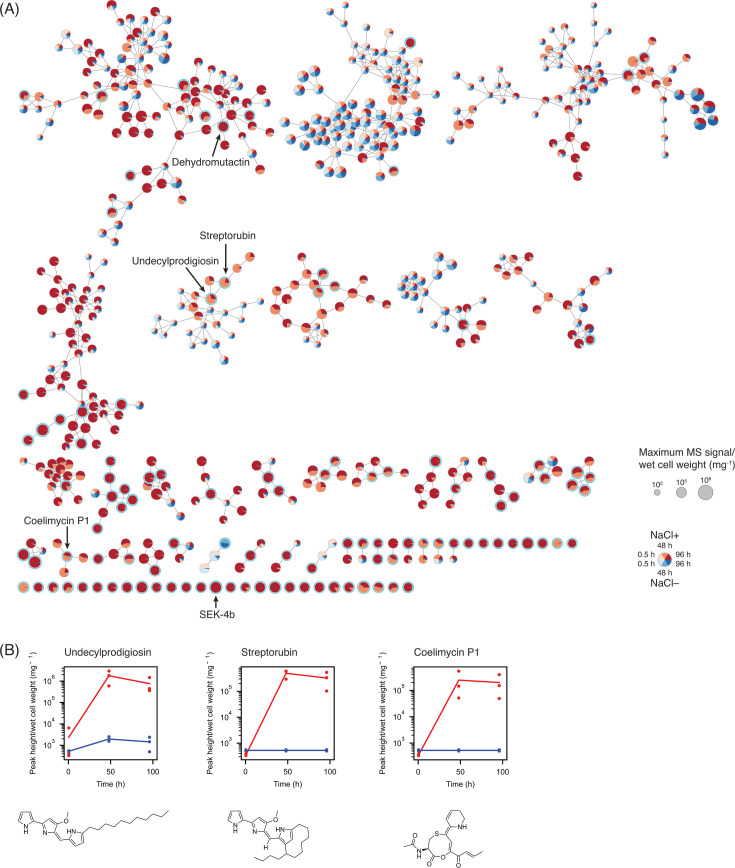 Figure 1
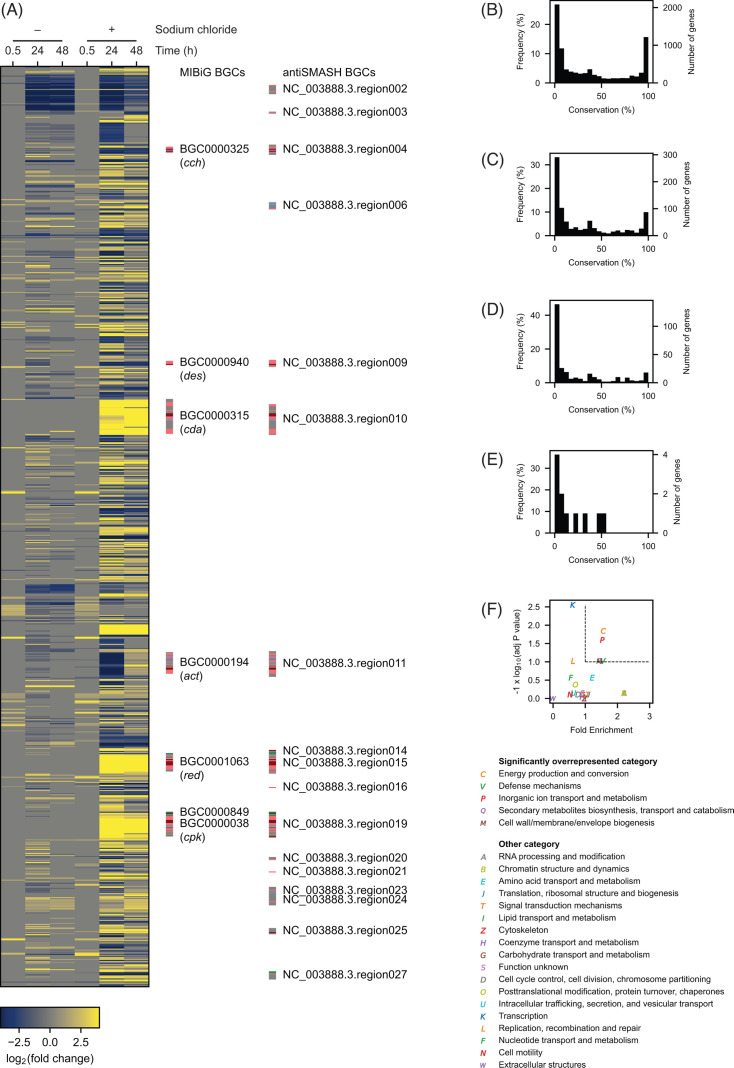 Figure 2
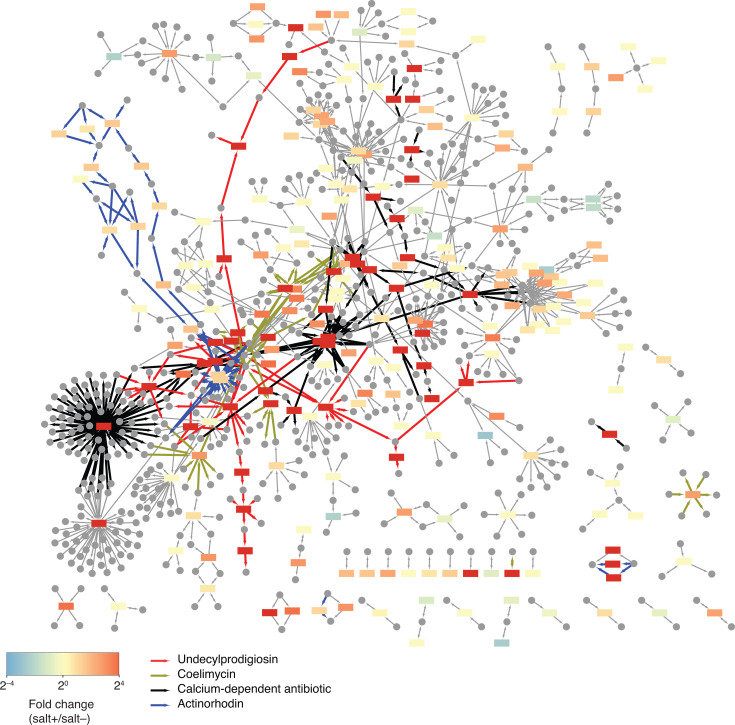 Figure 3
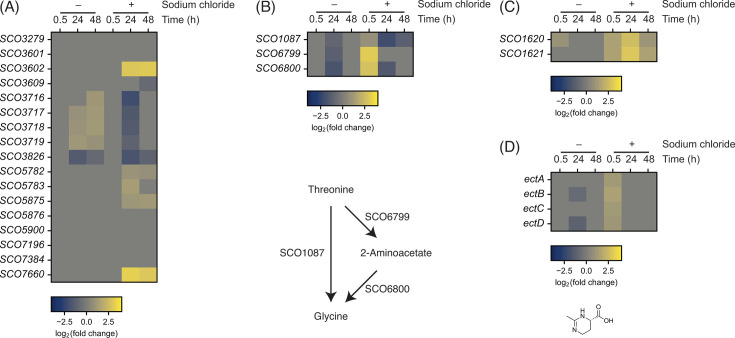 Figure 4
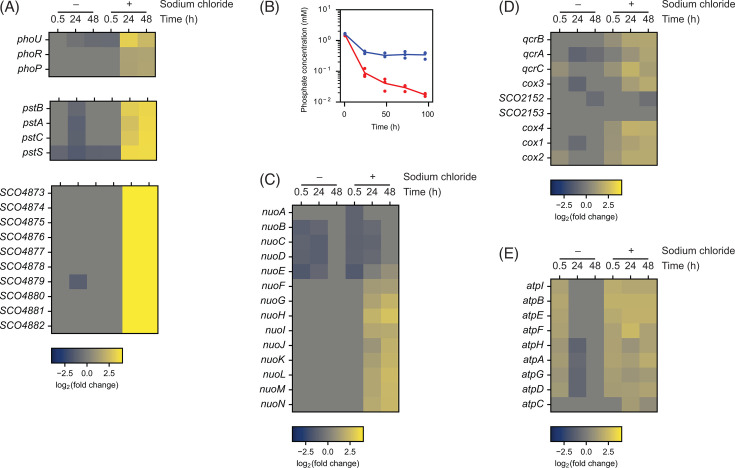 Figure 5
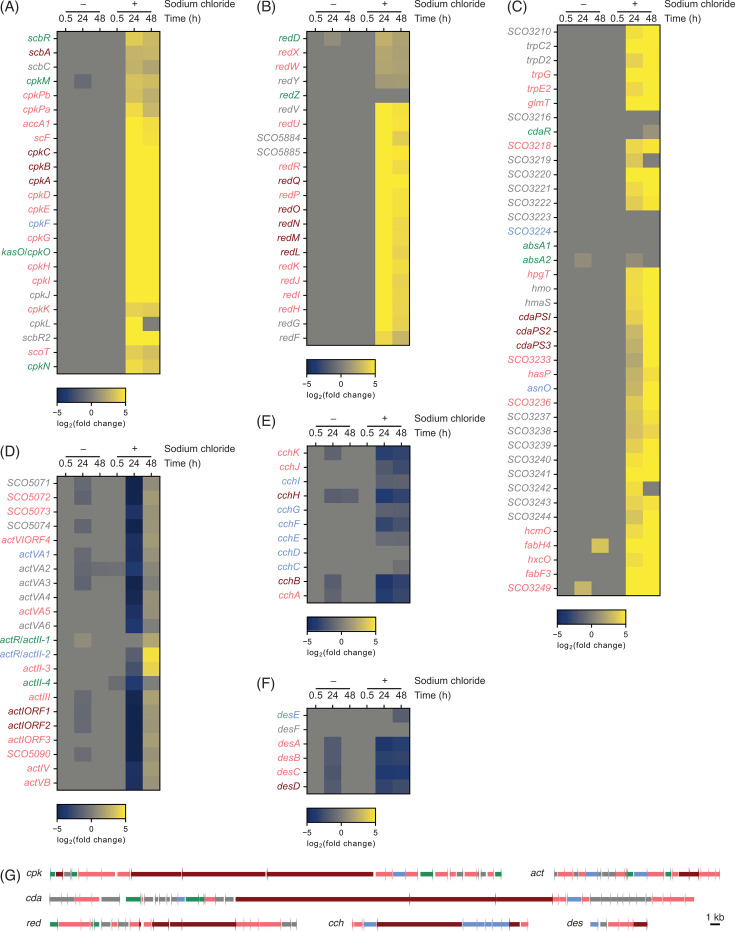 Figure 6
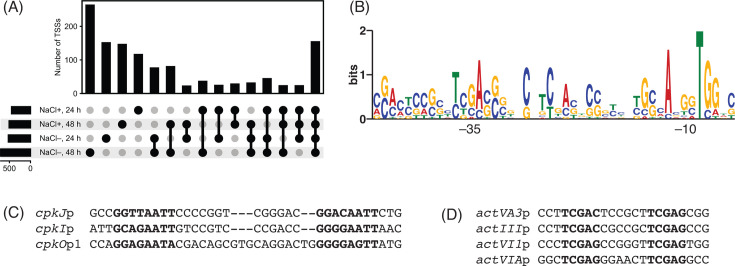 Figure 7
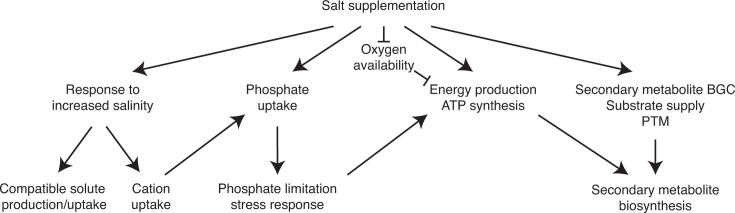 Figure 8
Peer Reviews
No public reviews on file for this paper yet. If you reviewed it on a platform where reviews are public (OpenReview, ICLR, NeurIPS, ICML), you can paste yours below so the community can read it here.
Videos
No videos yet. Explain this paper in a talk, walkthrough, or lecture? Add one.
Taxonomy
TopicsMicrobial Natural Products and Biosynthesis · ATP Synthase and ATPases Research · Synthetic Organic Chemistry Methods