DIDS modulates VDAC1 oligomerization to suppress intrinsic apoptosis and attenuates in vitro and in vivo RSV infection
Siyu Lin, Xiaotong Chen, Meihua Luo, Xiaolu Cui, You Dai, Zhen Sun, Guikang Wang, Hong Peng, Ping Ling, Jinlin Long, Huifang Zhou, Changlei Luo, Yan-Fei Qi, Ke Zhang, Yu-Si Luo

TL;DR
This study shows that the VDAC1 inhibitor DIDS can block RSV replication by disrupting mitochondrial processes and chloride ion flow.
Contribution
The study reveals that VDAC1 is a novel antiviral target for RSV by modulating mitochondrial apoptosis and anion homeostasis.
Findings
DIDS significantly inhibits RSV replication by blocking VDAC1 oligomerization in the mitochondrial membrane.
Disruption of chloride ion flux by DIDS suppresses mitochondrial apoptosis and viral replication.
Exogenous chloride supplementation reverses DIDS effects, confirming VDAC1's role in RSV infection.
Abstract
Human respiratory syncytial virus (RSV) is a major pathogen causing acute lower respiratory tract infections in infants, young children, and elderly people worldwide. Viruses often hijack host cell ion channels to optimize their intracellular environment, positioning ion channel blockers as promising antiviral agents. On the outer mitochondrial membrane, voltage-dependent anion channel protein 1 (VDAC1) plays a crucial role in regulating mitochondrial pathway apoptosis and maintaining cellular homeostasis. This study systematically evaluates the antiviral activity of the VDAC1 inhibitor 4,4′-diisothiocyanatostilbene-2,2′-disulfonic acid (DIDS), both in vitro and in vivo. The results demonstrate that VDAC1 is a key factor in RSV infection, and DIDS significantly inhibits viral replication. Functional intervention experiments show that DIDS effectively blocks RSV-induced VDAC1…
Genes, proteins, chemicals, diseases, species, mutations and cell lines named across the full text — each resolved to its canonical identifier and authoritative record.
Click any figure to enlarge with its caption.
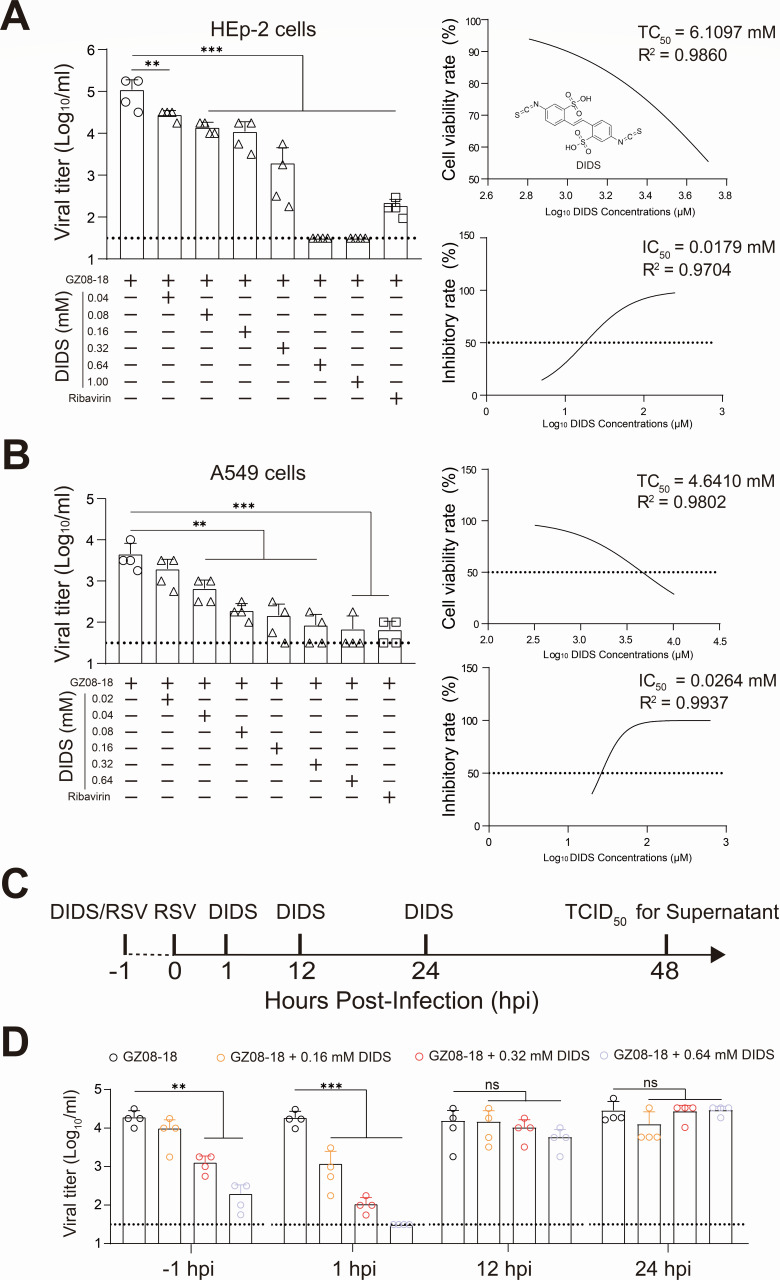 Figure 1
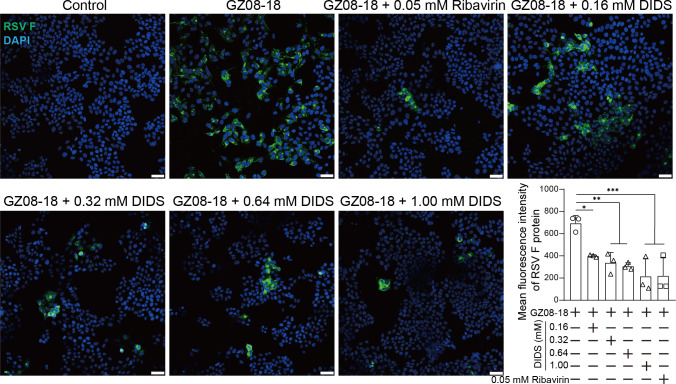 Figure 2
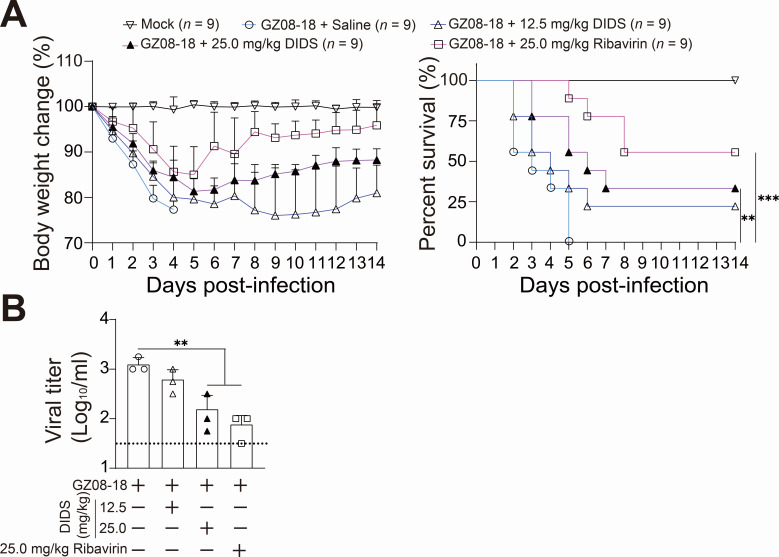 Figure 3
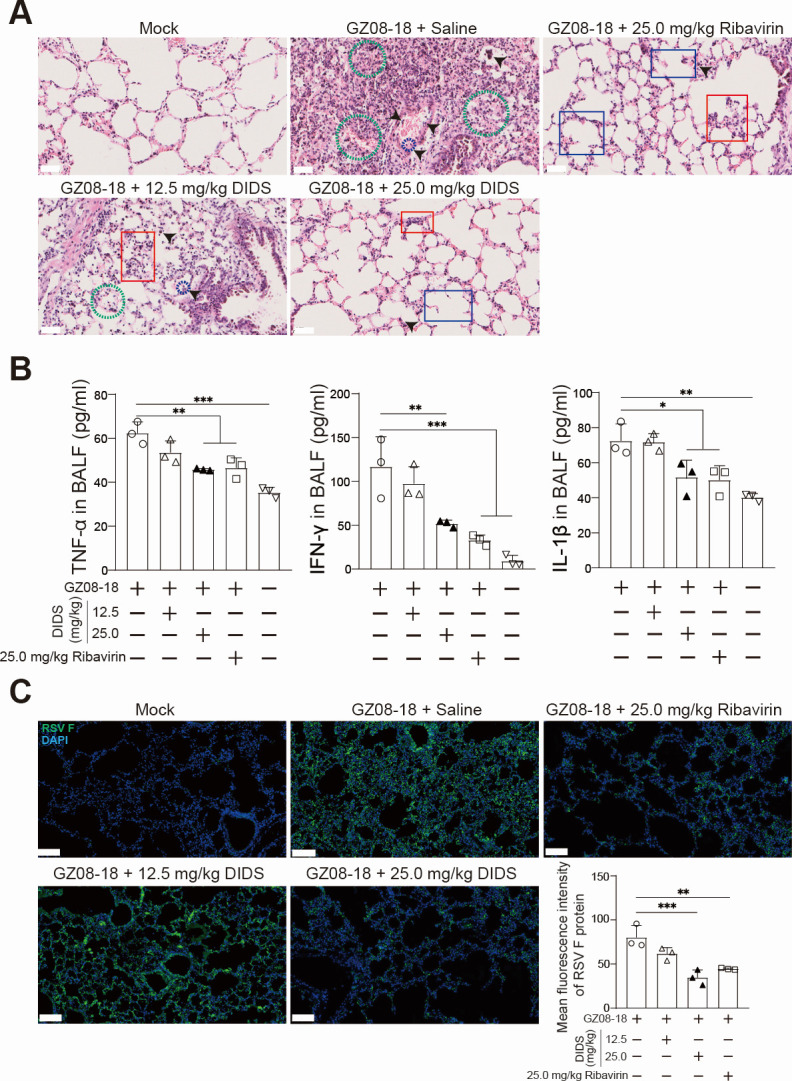 Figure 4
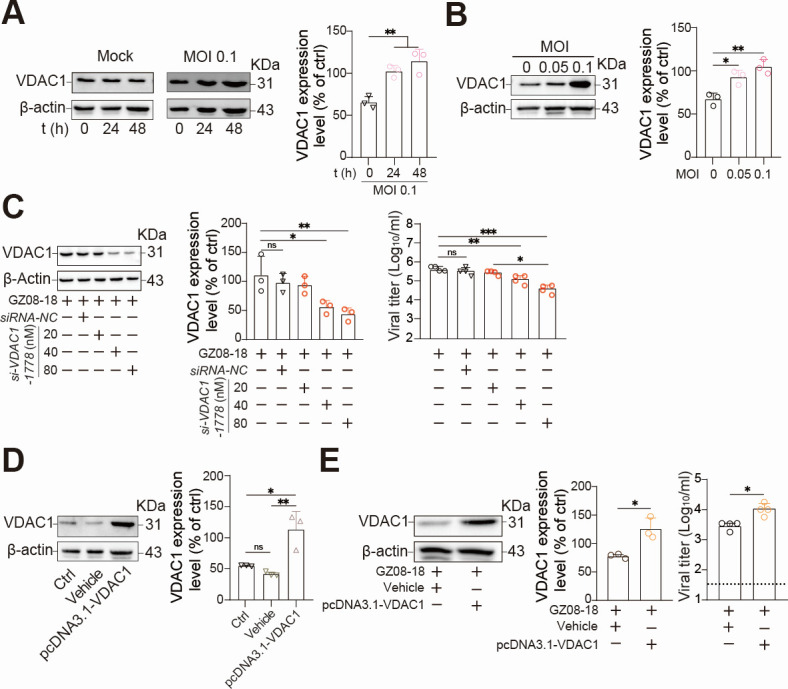 Figure 5
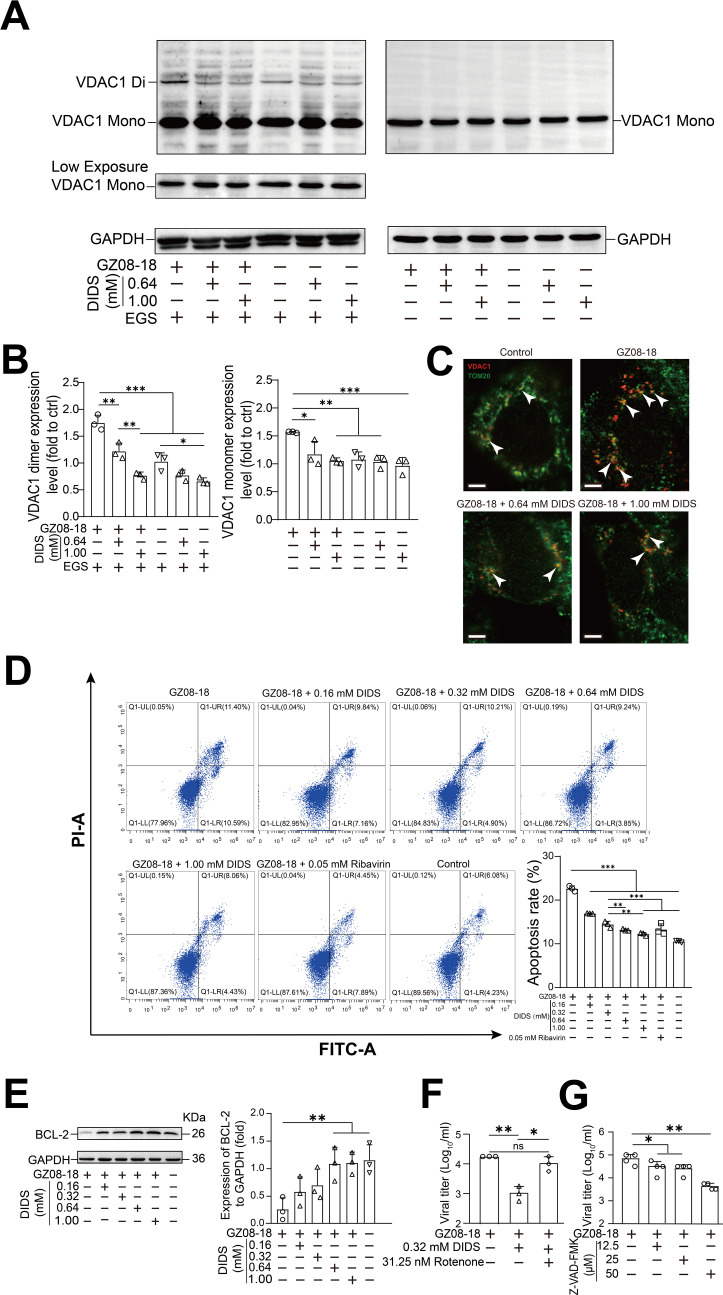 Figure 6
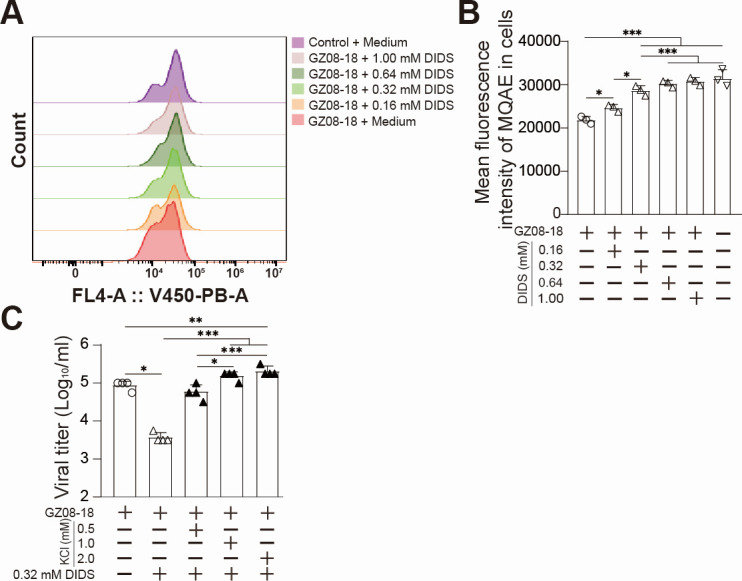 Figure 7
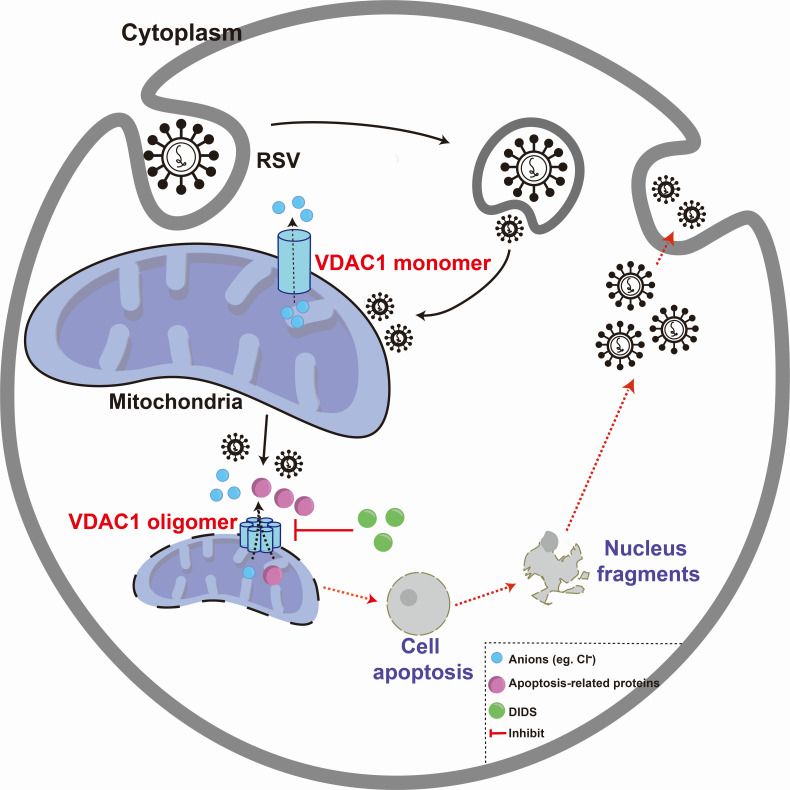 Figure 8
Peer Reviews
No public reviews on file for this paper yet. If you reviewed it on a platform where reviews are public (OpenReview, ICLR, NeurIPS, ICML), you can paste yours below so the community can read it here.
Videos
No videos yet. Explain this paper in a talk, walkthrough, or lecture? Add one.
Taxonomy
TopicsRespiratory viral infections research · Mitochondrial Function and Pathology · COVID-19 Clinical Research Studies