Ecological dynamics of three persistent opportunistic pathogens in hospital sinks and their potential antagonistic bacteria
Thibault Bourdin, Mylène C. Trottier, Marie-Ève Benoit, Michèle Prévost, Caroline Quach, Alizée Monnier, Dominique Charron, Eric Déziel, Philippe Constant, Emilie Bédard

TL;DR
Hospital sinks can harbor dangerous bacteria that cause infections, and this study shows how these bacteria persist and how other bacteria might help stop them.
Contribution
The study identifies Delftia tsuruhatensis as a potential antagonist to three opportunistic pathogens in hospital sinks.
Findings
Pseudomonas aeruginosa, Serratia marcescens, and Stenotrophomonas maltophilia were found in 47%, 39%, and 67% of sink drains, respectively.
Dominant genotypes of the pathogens persisted for months, showing long-term colonization.
Delftia tsuruhatensis reduced the biofilm-forming ability of the pathogens in laboratory tests.
Abstract
Sinks contaminated with opportunistic pathogens are a source of hospital-acquired infections, responsible for morbidity and mortality in neonatal intensive care units (NICUs). Understanding pathogen behavior in sinks is essential for preventing their spread. Only a few studies have examined how sink environments affect pathogen distribution through changes in drain microbiota. This research uses an integrative approach to study three major bacterial pathogens: Pseudomonas aeruginosa, Stenotrophomonas maltophilia, and Serratia marcescens. Sink drains in two NICUs were sampled during 2-month and 5-month periods. The diversity and abundance of opportunistic pathogens were determined at the genotypic level. Their occurrence was analyzed considering microbial communities, water parameters, faucet design, and sink usage. P. aeruginosa, S. marcescens, and S. maltophilia were found in 47%, 39%,…
Genes, proteins, chemicals, diseases, species, mutations and cell lines named across the full text — each resolved to its canonical identifier and authoritative record.
Click any figure to enlarge with its caption.
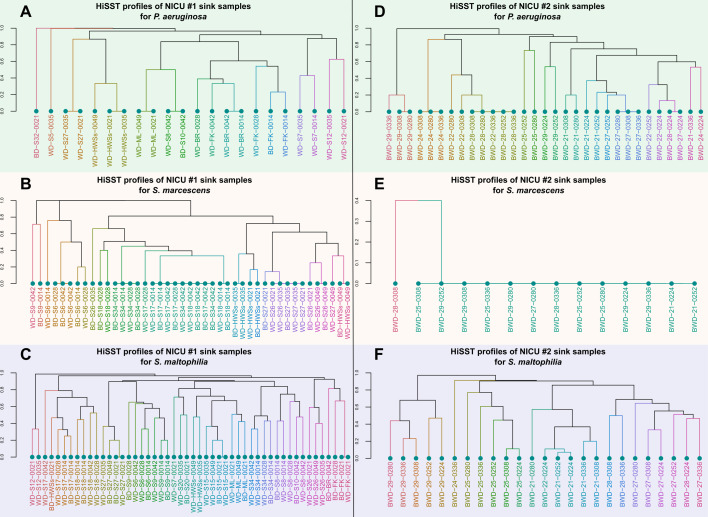 Figure 1
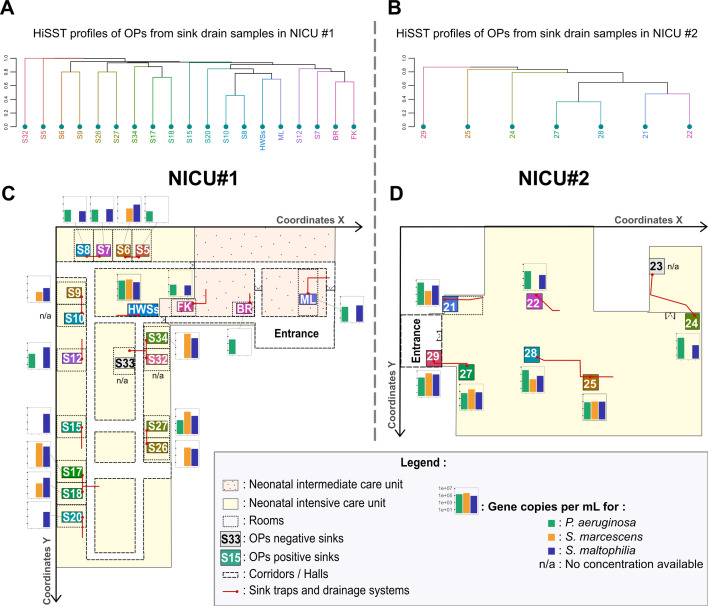 Figure 2
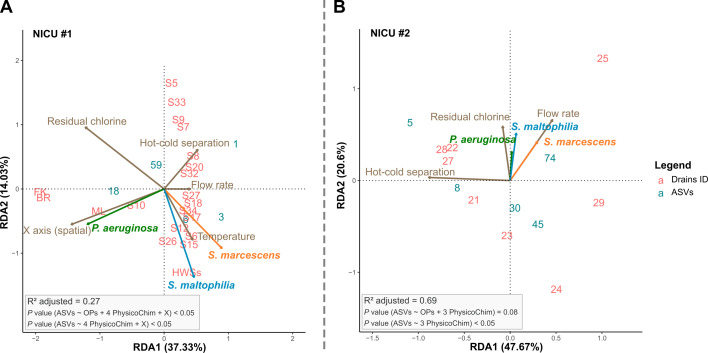 Figure 3
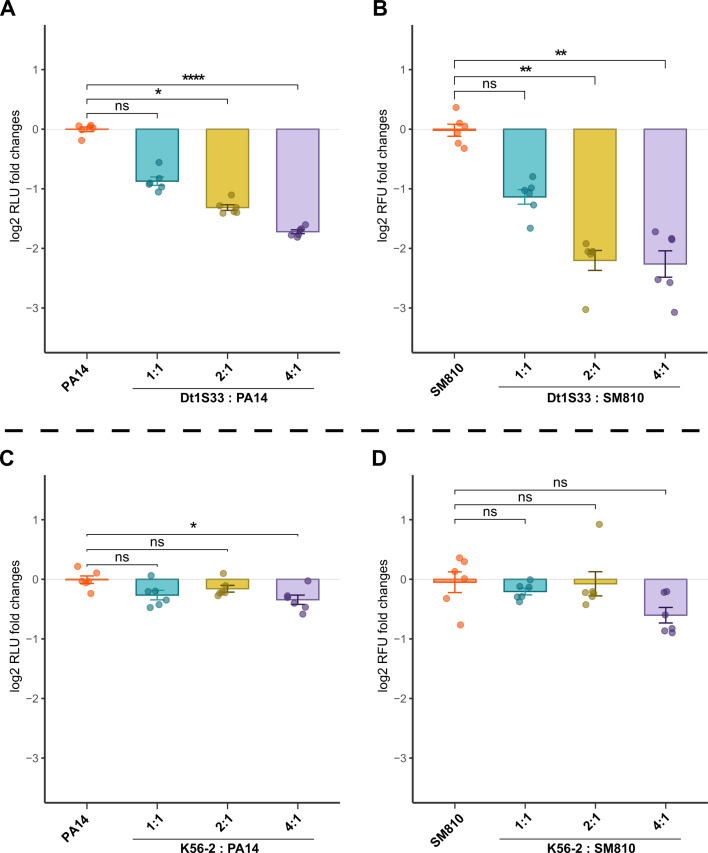 Figure 4
Peer Reviews
No public reviews on file for this paper yet. If you reviewed it on a platform where reviews are public (OpenReview, ICLR, NeurIPS, ICML), you can paste yours below so the community can read it here.
Videos
No videos yet. Explain this paper in a talk, walkthrough, or lecture? Add one.
Taxonomy
TopicsInfections and bacterial resistance · Neonatal and Maternal Infections · Enterobacteriaceae and Cronobacter Research