The macroecological dynamics of sojourn trajectories in the human gut microbiome
William R. Shoemaker, Jacopo Grilli

TL;DR
The study explores how gut microbes fluctuate around stable levels over time and finds that these fluctuations are influenced more by environmental noise than by average abundance.
Contribution
The study introduces a novel application of the stochastic logistic model to characterize sojourn trajectories in the gut microbiome.
Findings
The duration of sojourn trajectories is not linked to microbial abundance but is strongly influenced by environmental noise.
A stochastic logistic model explains the length, height, and deviation of sojourn trajectories in microbial communities.
Microbial fluctuations return to steady-state levels over typical timescales without leading to extinction or dominance.
Abstract
The human gut microbiome is a dynamic ecosystem. Host behaviors (e.g., diet) provide a regular source of environmental variation that induces fluctuations in the abundances of resident microbiota. Despite these displacements, microbial community members remain highly resilient. Population abundances tend to fluctuate around a characteristic steady-state over long timescales in healthy human hosts. These temporary excursions from steady-state abundances, known as sojourn trajectories, have the potential to inform our understanding of the fundamental dynamics of the microbiome. However, to our knowledge, the macroecology of sojourn trajectories has yet to be systematically characterized. In this study, we leverage theoretical tools from the study of random walks to characterize the duration of sojourn trajectories, their shape, and the degree that diverse community members exhibit similar…
Genes, proteins, chemicals, diseases, species, mutations and cell lines named across the full text — each resolved to its canonical identifier and authoritative record.
Click any figure to enlarge with its caption.
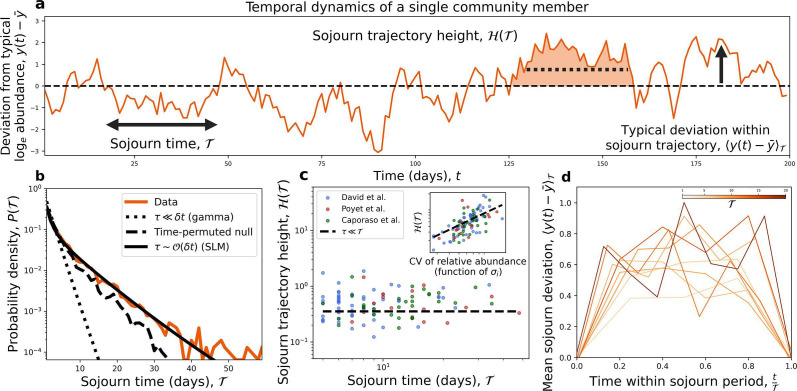 Figure 1
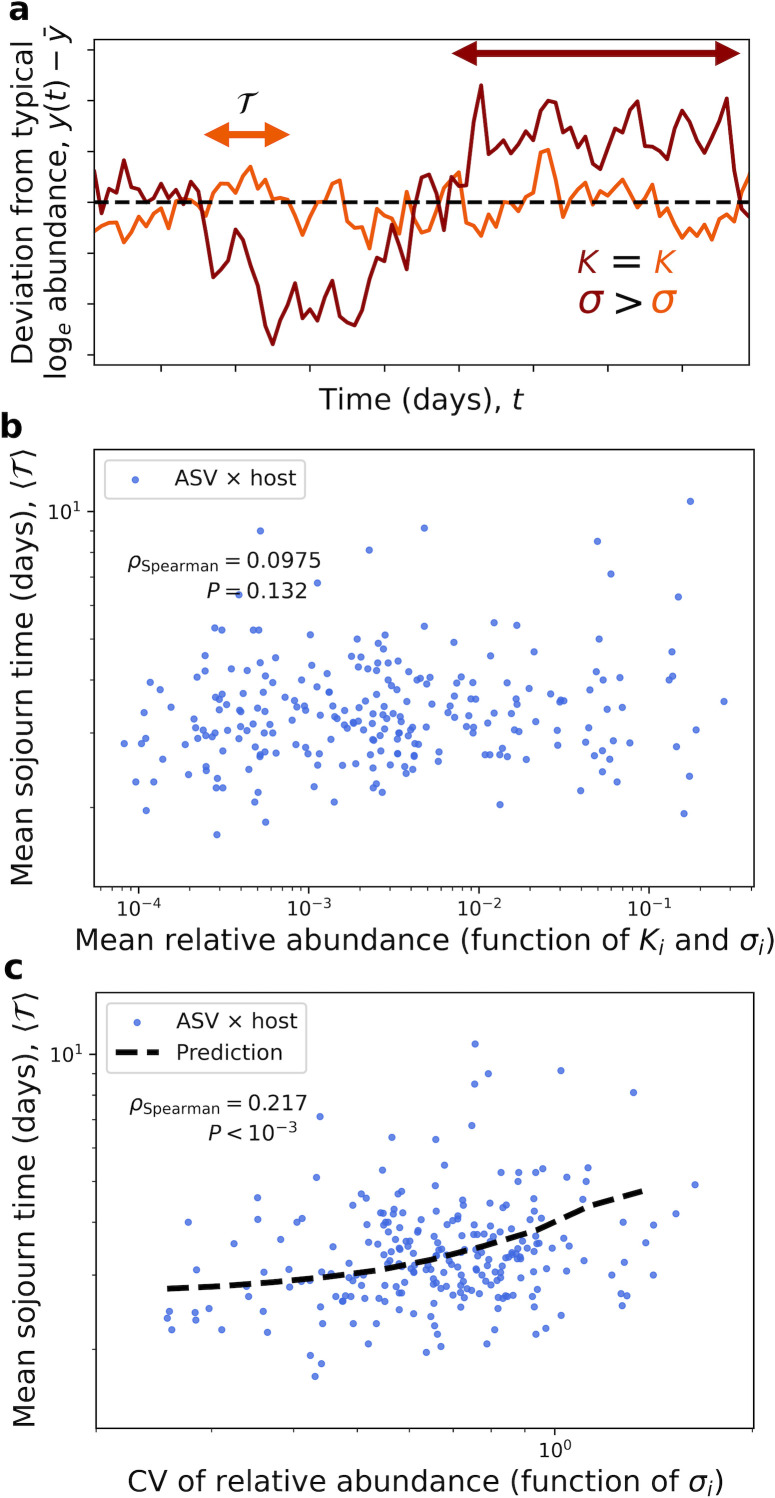 Figure 2
 Figure 3
 Figure 4
 Figure 5
 Figure 6
 Figure 7
 Figure 8
 Figure 9
 Figure 10
 Figure 11
 Figure 12
 Figure 13
 Figure 14
 Figure 15
 Figure 16
 Figure 17
 Figure 18
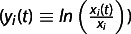 Figure 19
 Figure 20
 Figure 21
 Figure 22
 Figure 23
 Figure 24
 Figure 25
 Figure 26
 Figure 27
 Figure 28
 Figure 29
 Figure 30
 Figure 31
 Figure 32
 Figure 33
 Figure 34
 Figure 35
 Figure 36
 Figure 37
 Figure 38
 Figure 39
 Figure 40
 Figure 41
 Figure 42
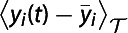 Figure 43
 Figure 44
 Figure 45
 Figure 46
 Figure 47
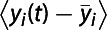 Figure 48
 Figure 49
 Figure 50
Peer Reviews
No public reviews on file for this paper yet. If you reviewed it on a platform where reviews are public (OpenReview, ICLR, NeurIPS, ICML), you can paste yours below so the community can read it here.
Videos
No videos yet. Explain this paper in a talk, walkthrough, or lecture? Add one.
Taxonomy
TopicsGut microbiota and health · Clostridium difficile and Clostridium perfringens research · Bacteriophages and microbial interactions