Glycosylated NS3/NS3A protein of bluetongue virus facilitates efficient viral egress via lipid raft anchoring
Yingran Huang, Yinglin Qi, Junyong Guan, Ran Shao, Cankun Xi, Xing Liu, Dong Zhou, Shuhui Qi, Xin Yin

TL;DR
This paper shows how a sugar attached to a virus protein helps it exit cells efficiently, which is important for its spread and disease severity.
Contribution
The study reveals that glycosylation at Asn150 in BTV's NS3/NS3A is a targeting signal for plasma membrane localization and efficient viral egress.
Findings
Glycosylation at Asn150 is essential for efficient virion egress but not for NS3/NS3A stability or interaction with outer capsid proteins.
The N150Q mutation reduces plasma membrane localization and lipid raft partitioning, impairing virus release and virulence in mice.
The Asn150 glycan is conserved across BTV serotypes and represents a potential target for antivirals or vaccines.
Abstract
Bluetongue virus (BTV) is an economically important arbovirus of ruminants worldwide. The nonstructural glycoprotein NS3/NS3A contains a uniquely conserved N-linked glycosylation site at Asn150; yet, the functional consequences of this modification have remained unclear. Here, we characterize the Asn150-linked glycan and show that it predominantly comprises high-mannose structures that undergo maturation specifically in mammalian cells. Using a reverse-genetics system, we demonstrate that N-linked glycosylation is not required to maintain NS3/NS3A stability or its interaction with outer capsid proteins, but is essential for efficient virion egress. Ablation of this site (N150Q) markedly impaired plasma-membrane localization and reduced partitioning into detergent-resistant lipid raft microdomains. These defects resulted in reduced extracellular titers and attenuated multicycle spread.…
Genes, proteins, chemicals, diseases, species, mutations and cell lines named across the full text — each resolved to its canonical identifier and authoritative record.
Click any figure to enlarge with its caption.
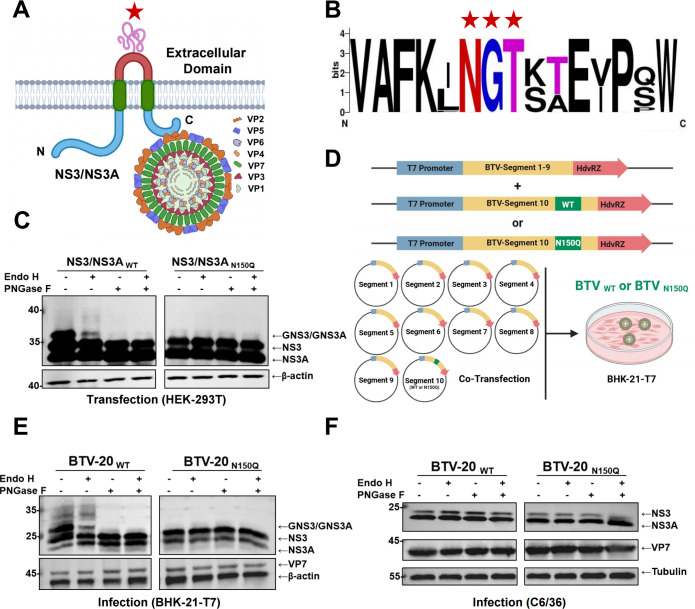 Figure 1
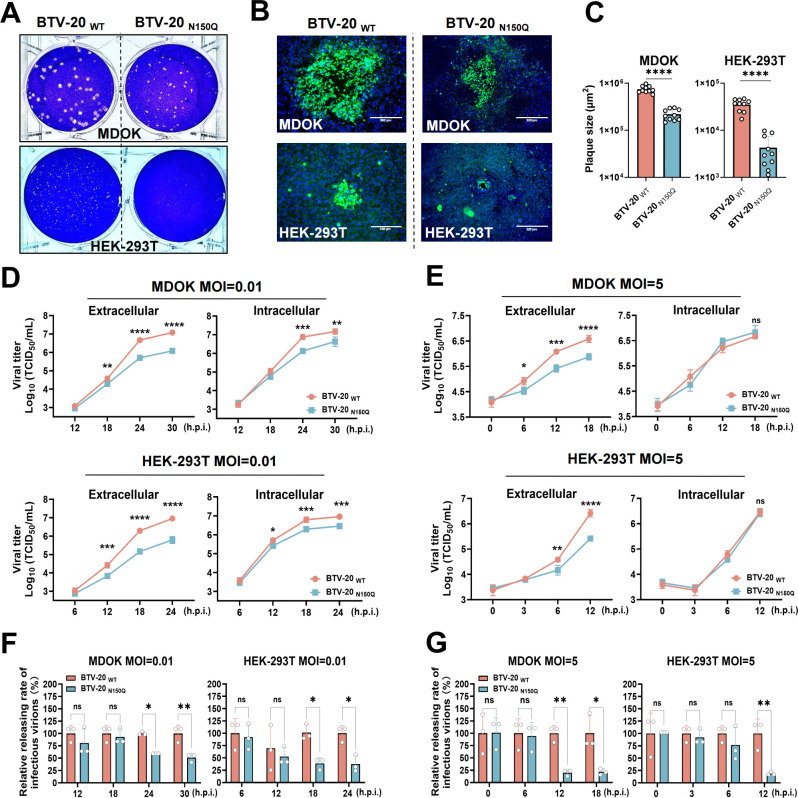 Figure 2
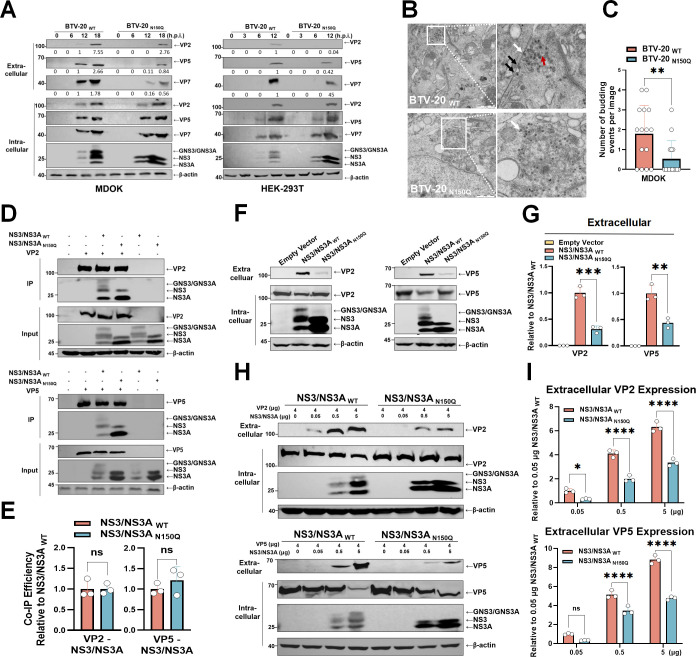 Figure 3
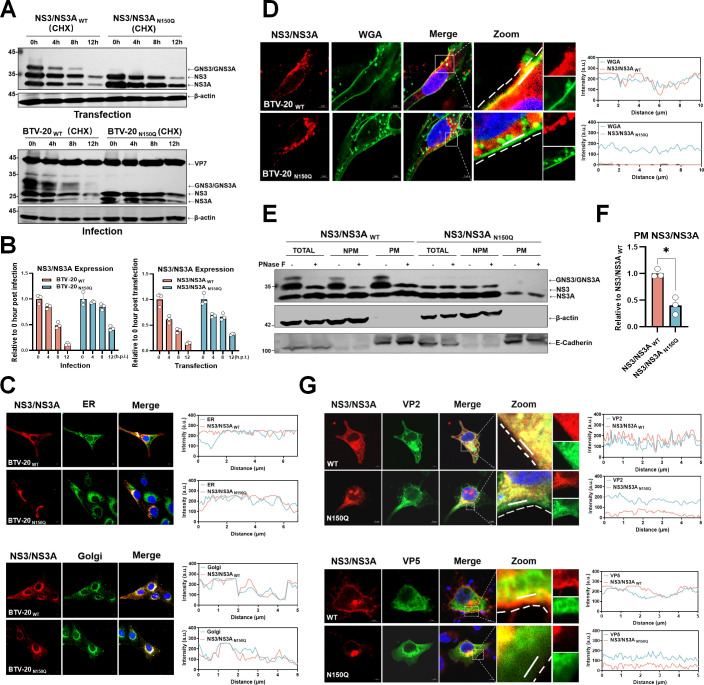 Figure 4
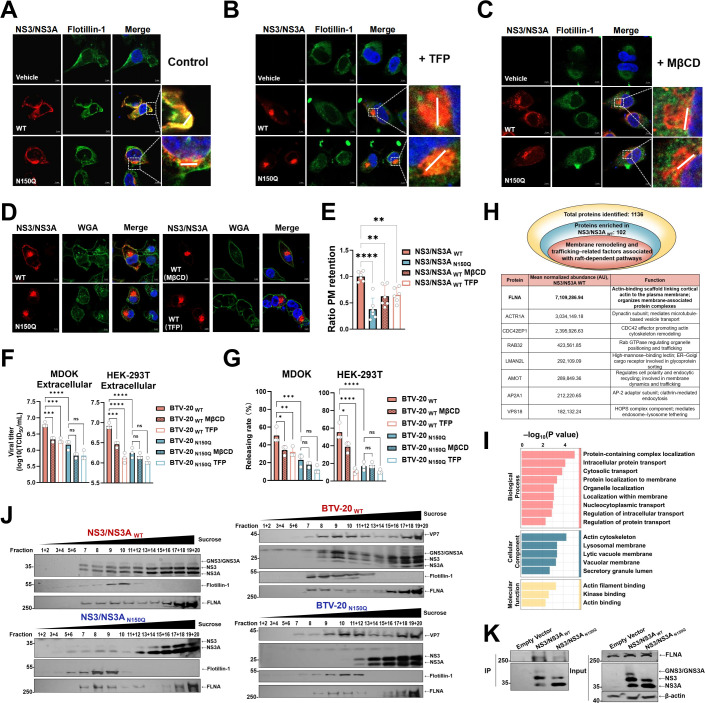 Figure 5
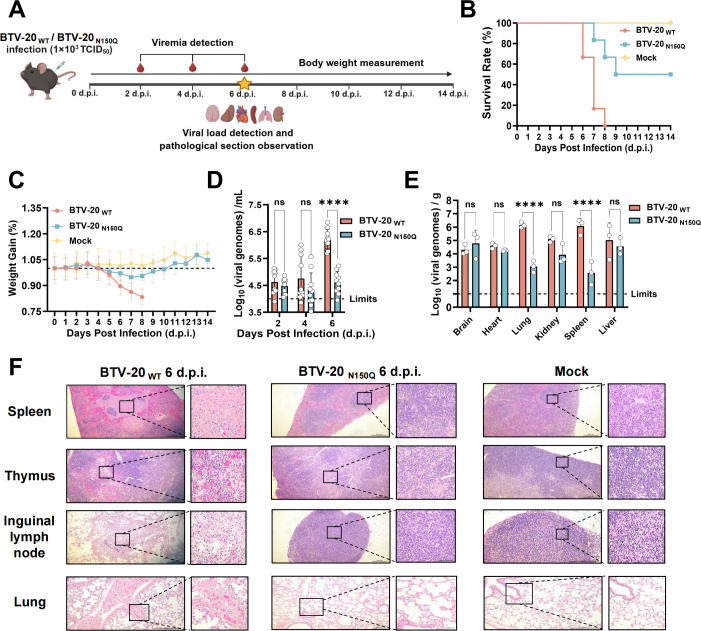 Figure 6
Peer Reviews
No public reviews on file for this paper yet. If you reviewed it on a platform where reviews are public (OpenReview, ICLR, NeurIPS, ICML), you can paste yours below so the community can read it here.
Videos
No videos yet. Explain this paper in a talk, walkthrough, or lecture? Add one.
Taxonomy
TopicsVector-Borne Animal Diseases · Animal Disease Management and Epidemiology · Virology and Viral Diseases