Screening of exogenous nutrients for pathogenic bacteria and development of highly active bactericides
Yao Ruan, Miao Zhang, Zhenyang Ge, Ting Cheng, Hao Tang, Zhi Zhang, Hailong Yu, Jie Yuan, Haoran Yin, Yiran Zhang, Shuaiyang Wang, Shengzhen Xu, Minhui Cao, Qingye Zhang

TL;DR
This study shows how combining antibiotics with nutrients bacteria need can help drugs bypass bacterial defenses and work better against infections.
Contribution
A novel strategy of conjugating antibiotics with pathogen-specific exogenous nutrients to enhance drug penetration and efficacy.
Findings
Urea, acetamide, and succinic acid were identified as key nutrients for Acinetobacter baumannii, Pseudomonas aeruginosa, and Salmonella enterica, respectively.
Conjugating these nutrients with antibiotics significantly improved antimicrobial activity against both susceptible and resistant strains.
MN, MA, and NA compounds showed up to 70.4% increased efficacy against Pseudomonas aeruginosa and fourfold improvement against drug-resistant Acinetobacter baumannii.
Abstract
The inherent barriers posed by bacterial outer membranes, efflux pumps, and biofilm matrices significantly limit the clinical efficacy of antimicrobial agents, underscoring the urgent need for strategies to enhance drug penetration. Integrating pathogen-specific exogenous nutrients with conventional antibiotics has emerged as a promising approach, facilitating the targeted delivery and enhanced efficacy of antimicrobial compounds. In this study, we aimed to improve antimicrobial efficacy by enhancing transmembrane transport. First, we comprehensively compared various genome-scale metabolic reconstruction methods to identify the optimal approach. Subsequently, we enhanced our previous approach to identify exogenous nutrients by integrating topological screening, flux scoring, and chemical structure analysis. Key exogenous nutrients were identified for three pathogens: urea for…
Genes, proteins, chemicals, diseases, species, mutations and cell lines named across the full text — each resolved to its canonical identifier and authoritative record.
Click any figure to enlarge with its caption.
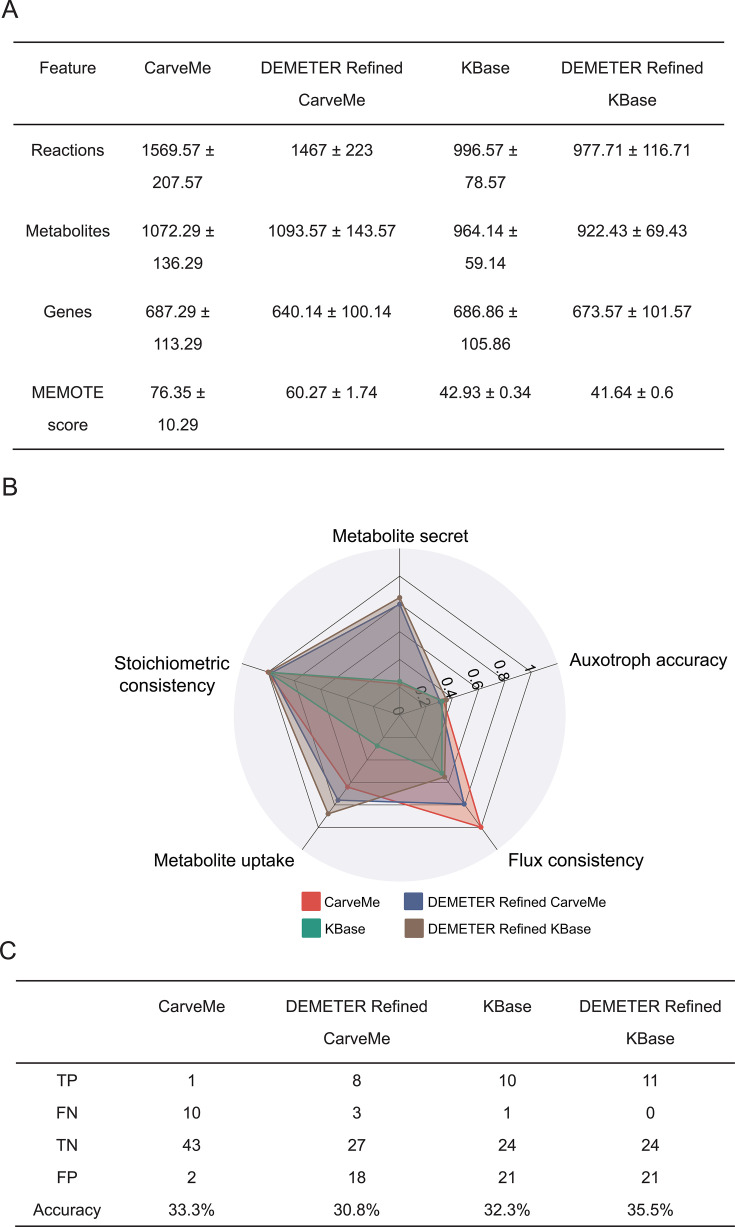 Figure 1
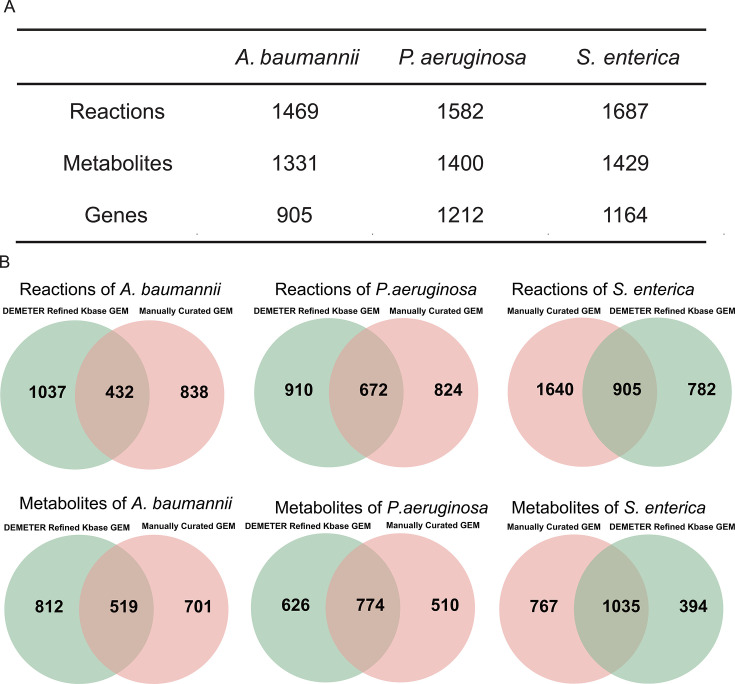 Figure 2
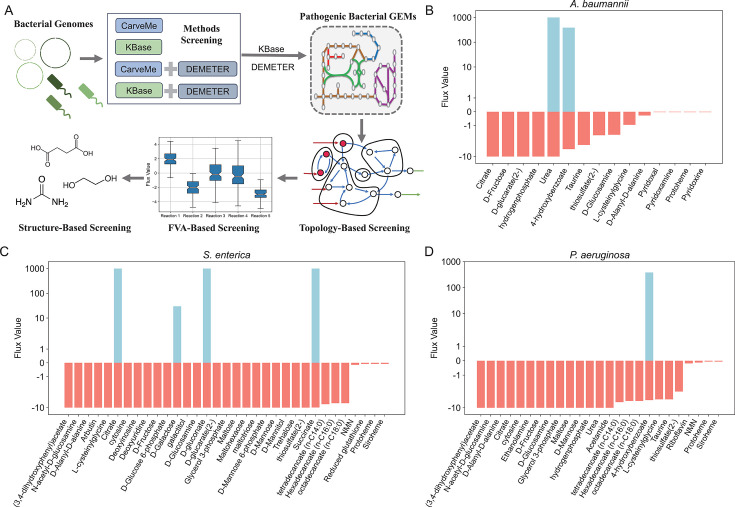 Figure 3
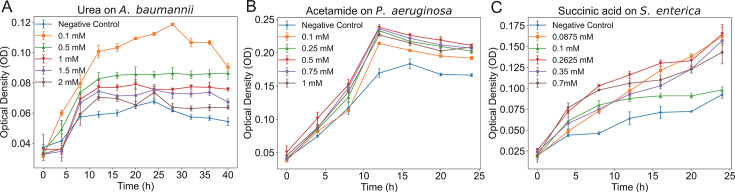 Figure 4
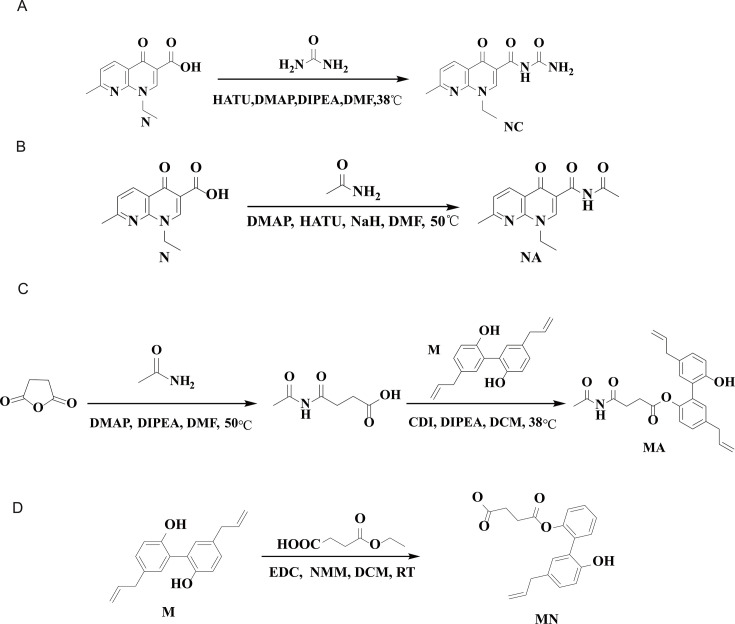 Figure 5
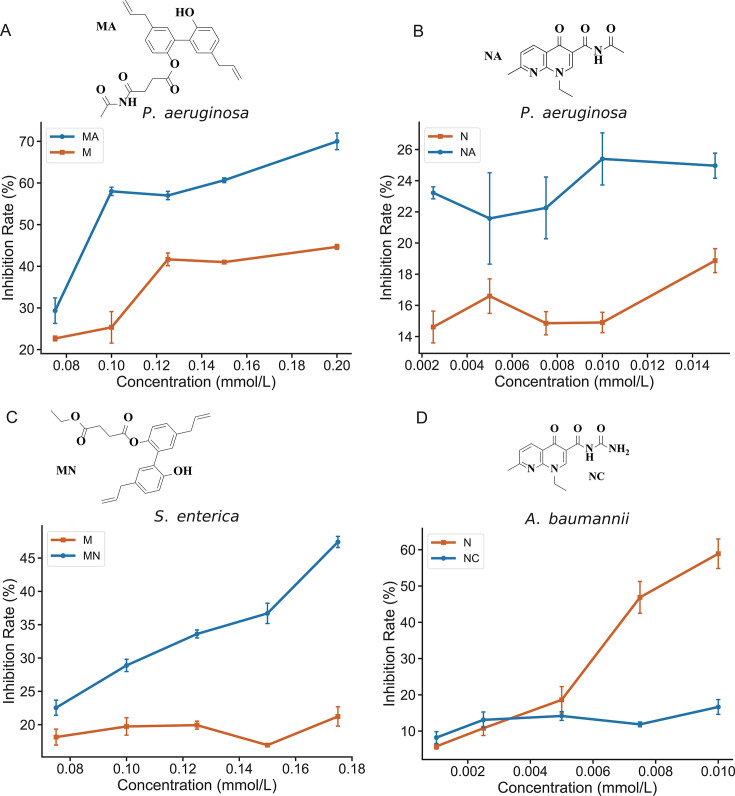 Figure 6
 Figure 7
 Figure 8
Peer Reviews
No public reviews on file for this paper yet. If you reviewed it on a platform where reviews are public (OpenReview, ICLR, NeurIPS, ICML), you can paste yours below so the community can read it here.
Videos
No videos yet. Explain this paper in a talk, walkthrough, or lecture? Add one.
Taxonomy
TopicsMagnolia and Illicium research · Curcumin's Biomedical Applications · Plant-derived Lignans Synthesis and Bioactivity