Transcriptional and metabolic stasis define desiccation-induced dormancy in the soil bacterium Arthrobacter sp. AZCC_0090 until water vapor initiates resuscitation
Paul Carini, Adriana Gomez-Buckley, Christina R. Guerrero, Melanie R. Kridler, Isabella A. Viney, Roya AminiTabrizi, Malak M. Tfaily, Peter Moma, Laura K. Meredith, Katherine B. Louie, Benjamin P. Bowen, Trent R. Northen, Oona Snoeyenbos-West, Ryan P. Bartelme

TL;DR
This study shows that desiccated soil bacteria maintain stable RNA and metabolite profiles during dormancy, challenging the use of RNA as a marker of microbial activity in dry environments.
Contribution
The study reveals that mRNA and metabolite profiles remain static during desiccation-induced dormancy in Arthrobacter, with changes only during state transitions.
Findings
mRNA and metabolite profiles remain essentially unchanged during desiccation-induced dormancy.
Water vapor rehydration restores cultivability and triggers dynamic changes in RNA and metabolite profiles.
RNA-based activity assessments may be misleading in periodically dry environments due to dormancy-associated molecular preservation.
Abstract
Microbes inhabiting soils experience periodic water deprivation. The effects of desiccation on DNA, protein, and membrane integrity are well-described. However, the effects of drying and rehydration on the composition of cellular RNA and metabolites are still poorly understood. Here, we describe how slow drying and rehydration with water vapor influence the composition of RNAs and metabolites in a soil Arthrobacter. While drying reduced cultivability relative to hydrated controls, water vapor rehydration fully restored it. Ribosomal RNA proportions remained constant throughout all treatments, and mRNA profiles showed stable composition during desiccation—changing only during transitions into and out of desiccation-induced dormancy. Six transcriptional modules displayed distinct expression patterns in desiccated-rehydrated samples relative to hydrated controls, including…
Genes, proteins, chemicals, diseases, species, mutations and cell lines named across the full text — each resolved to its canonical identifier and authoritative record.
Click any figure to enlarge with its caption.
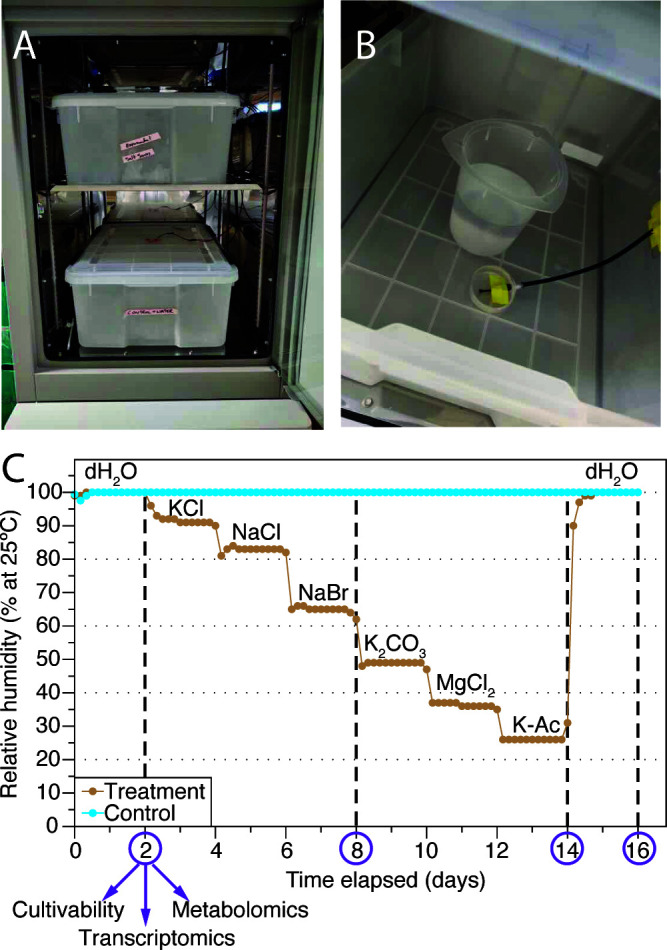 Figure 1
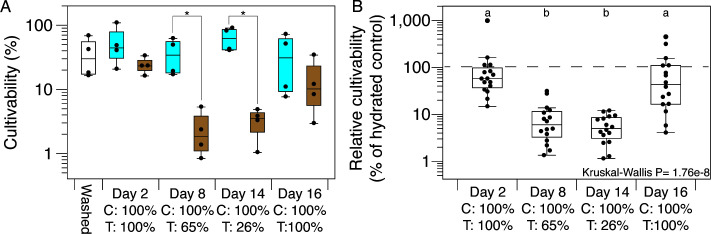 Figure 2
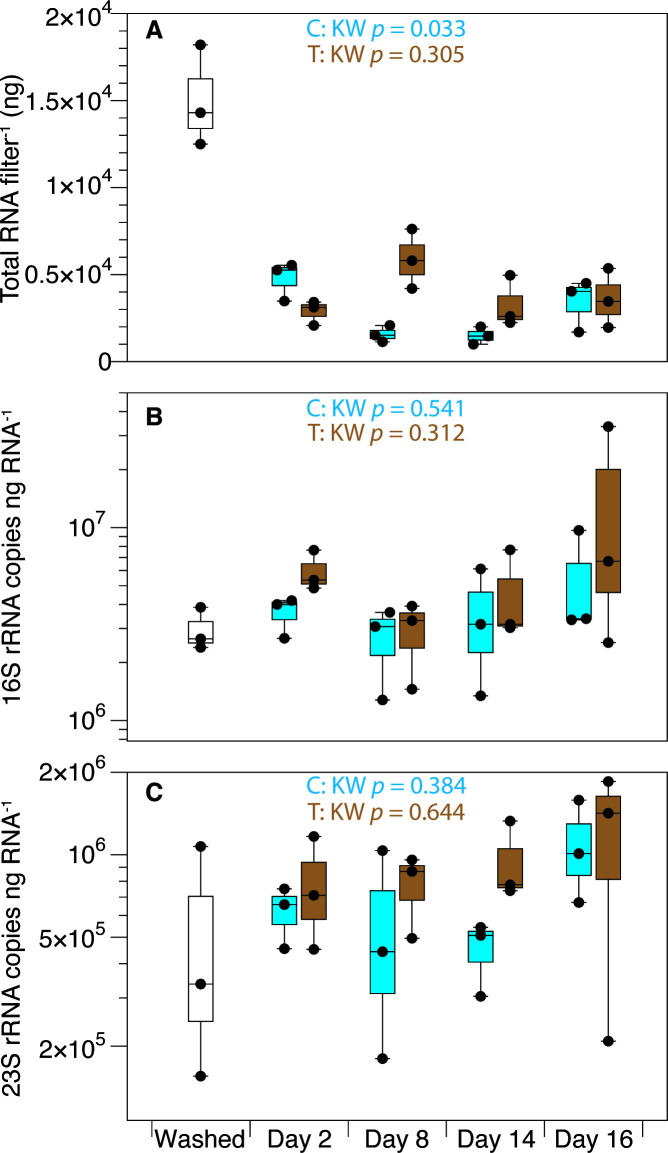 Figure 3
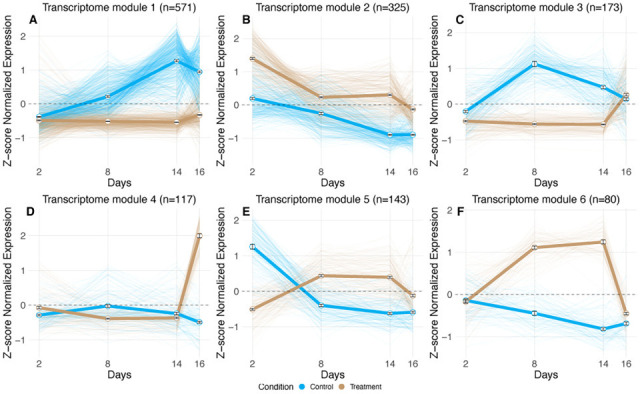 Figure 4
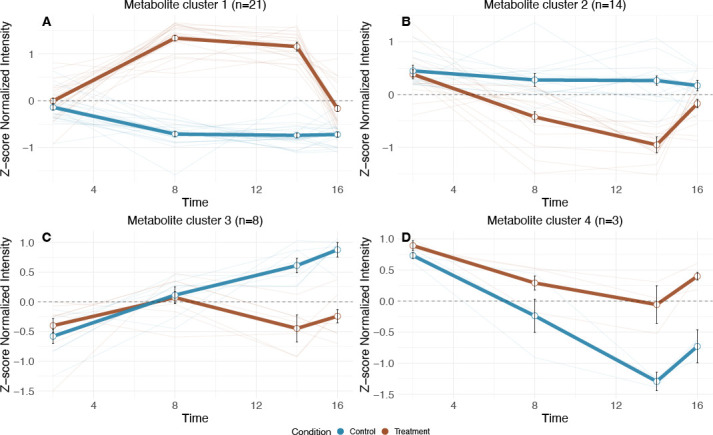 Figure 5
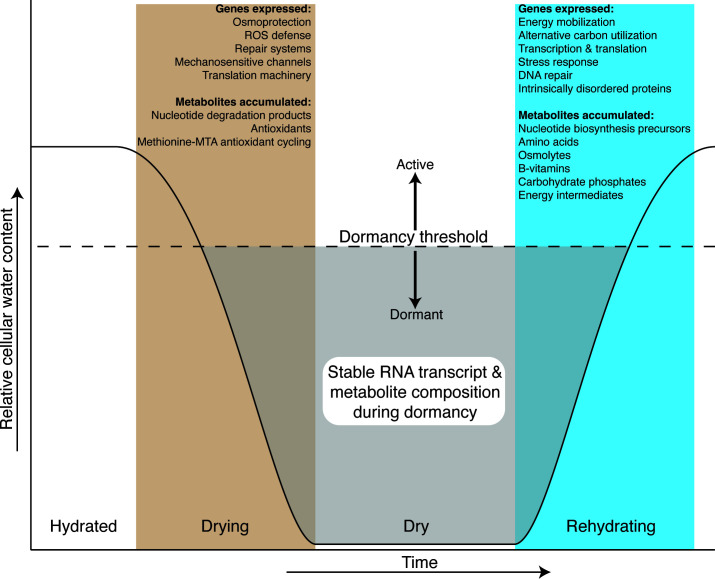 Figure 6
Peer Reviews
No public reviews on file for this paper yet. If you reviewed it on a platform where reviews are public (OpenReview, ICLR, NeurIPS, ICML), you can paste yours below so the community can read it here.
Videos
No videos yet. Explain this paper in a talk, walkthrough, or lecture? Add one.
Taxonomy
TopicsBiocrusts and Microbial Ecology · Tardigrade Biology and Ecology · Physiological and biochemical adaptations