AGPAT1 is a novel Chikungunya virus receptor on human cells
Brohmomoy Basu, Debapriyo Sarmadhikari, Anshula Sharma, Shailendra Asthana, Manjula Kalia, Sudhanshu Vrati

TL;DR
AGPAT1, a protein involved in lipid metabolism, was found to act as a receptor for Chikungunya virus in human cells, offering new insights for antiviral development.
Contribution
AGPAT1 is newly identified as a host receptor for Chikungunya virus, with implications for understanding viral pathogenesis and antiviral design.
Findings
AGPAT1 interacts with CHIKV's E1 protein and is essential for virus binding and uptake in human cells.
AGPAT1 knockout reduces CHIKV replication, and its expression rescues virus binding and replication.
AGPAT1 also facilitates binding and uptake of Ross River virus, another alphavirus.
Abstract
Chikungunya virus (CHIKV) is a medically important alphavirus whose host receptor is not fully understood. We identified AGPAT1 from the human Huh7 cell plasma membrane binding with CHIKV particles in vitro. The CHIKV binding with AGPAT1 was demonstrated on Huh7 cell plasma membrane by confocal microscopy. The AGPAT1 antibody inhibited CHIKV binding to cells, reducing the virus uptake in Huh7, ERMS, HAP1, and the primary mouse fibroblast cells. CHIKV binding, uptake, and replication were significantly reduced in the AGPAT1 knockout HAP1 cells, and the ectopic expression of AGPAT1 rescued the reduced virus binding, uptake, and replication. AGPAT1, together with CHIKV E2, was found to localize in the early endosomes, early during the virus infection. AGPAT1 interacted with the E1 surface on the E1–E2 dimer of CHIKV envelope proteins in silico. The E1-AGPAT1 interacting amino acid residues…
Genes, proteins, chemicals, diseases, species, mutations and cell lines named across the full text — each resolved to its canonical identifier and authoritative record.
Click any figure to enlarge with its caption.
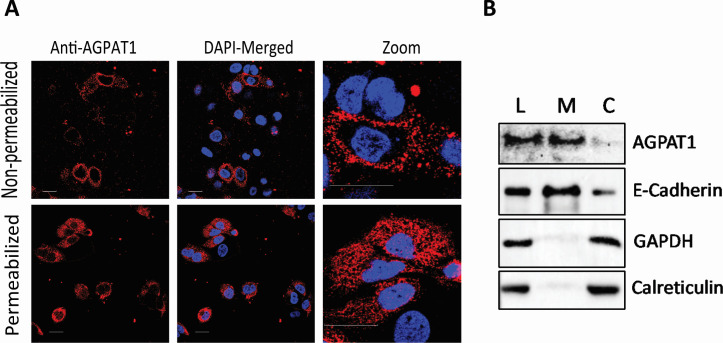 Figure 1
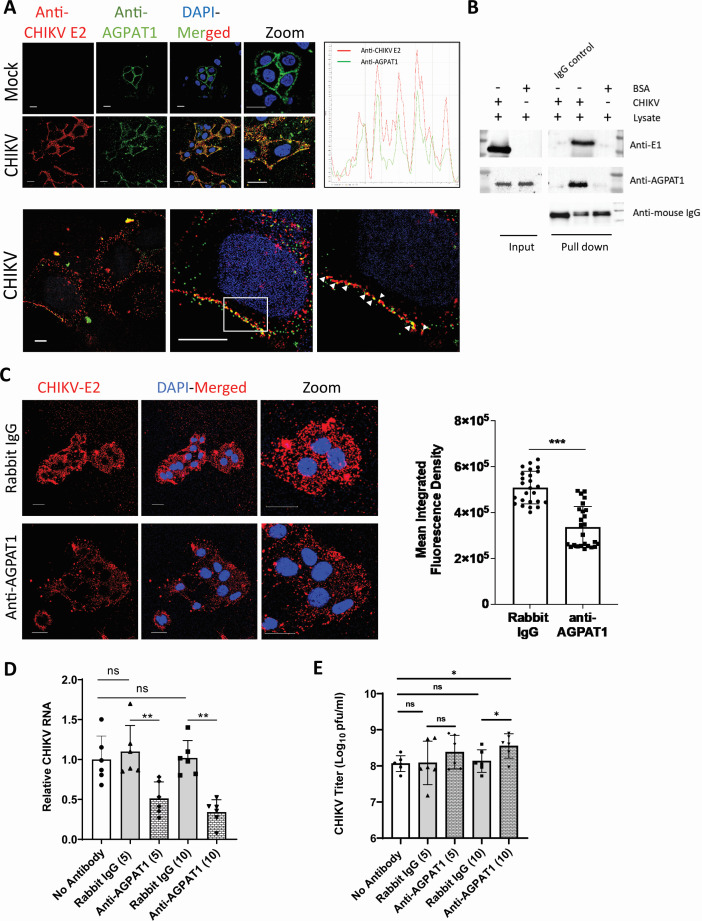 Figure 2
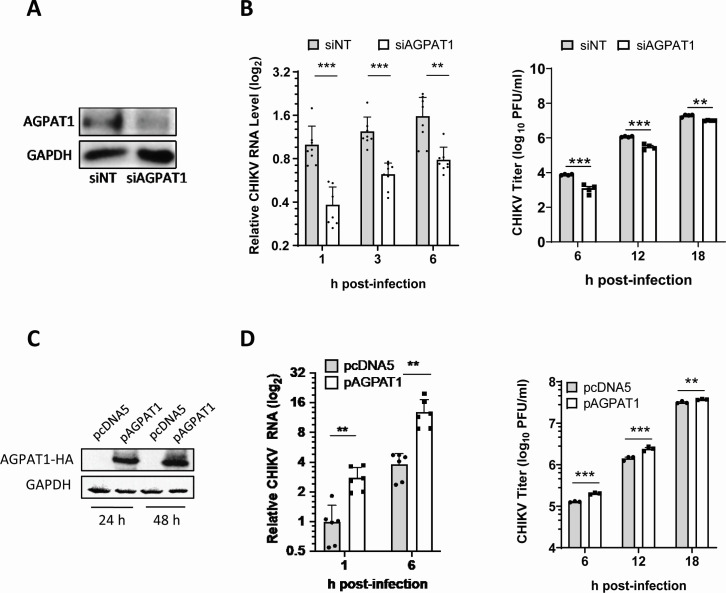 Figure 3
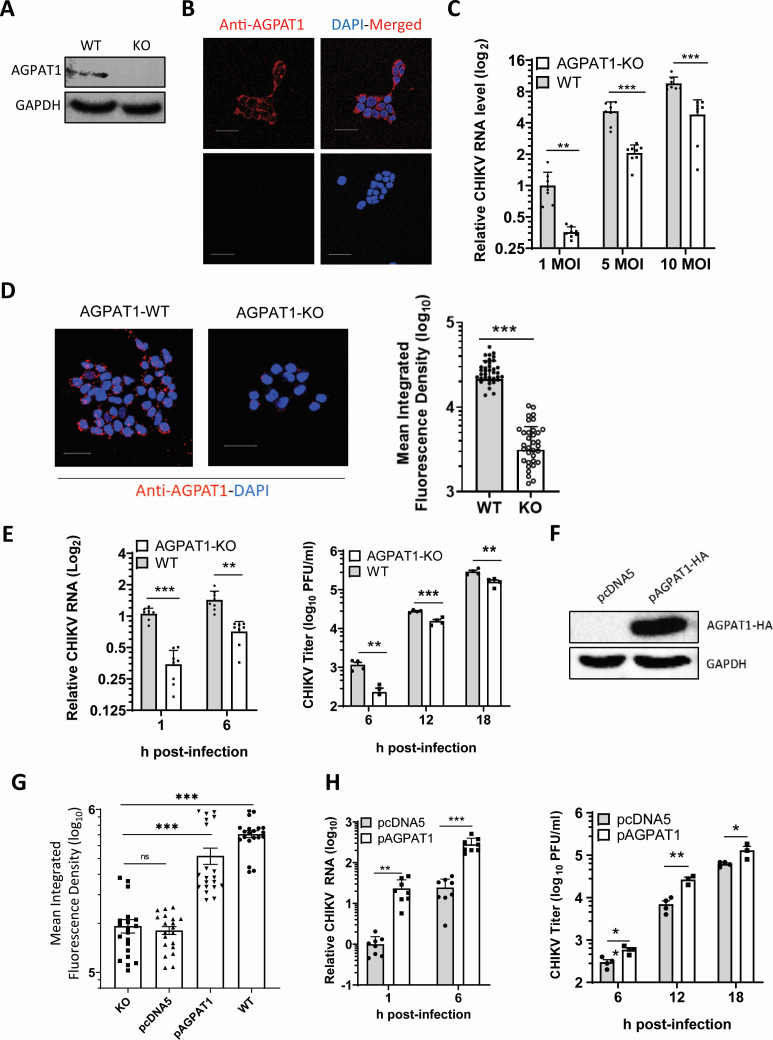 Figure 4
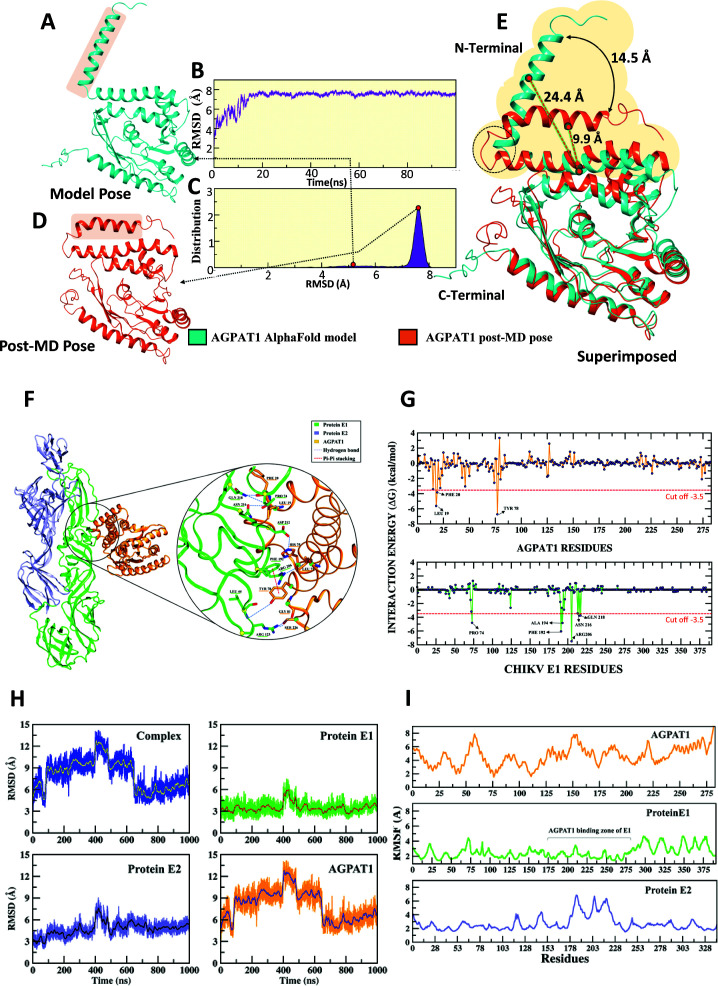 Figure 5
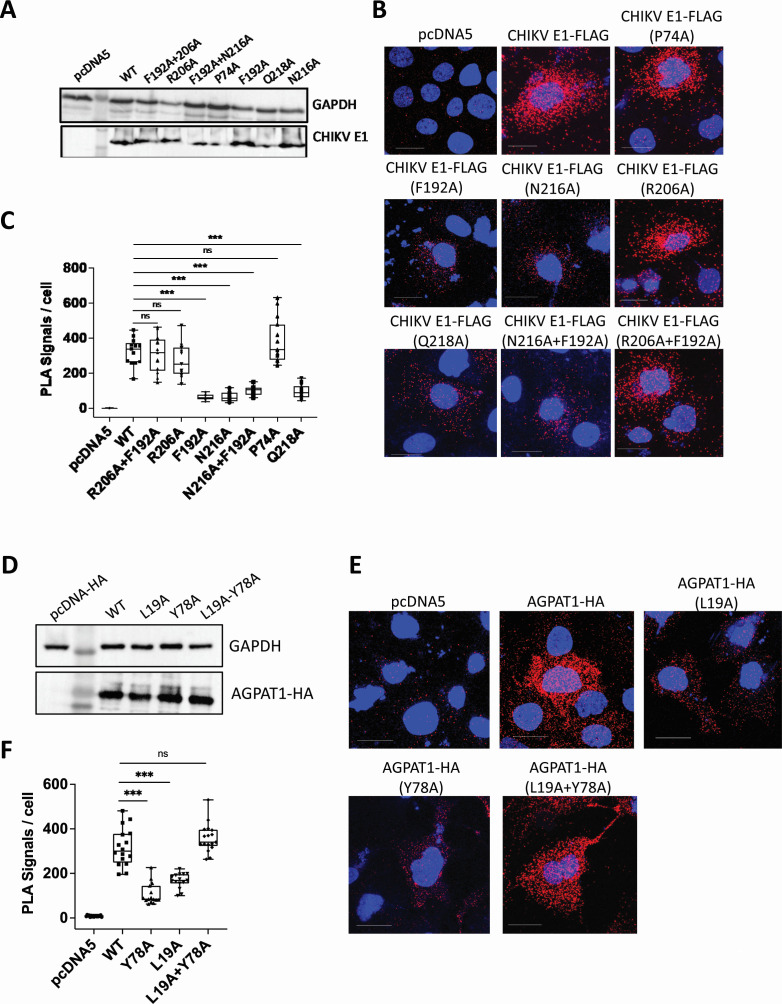 Figure 6
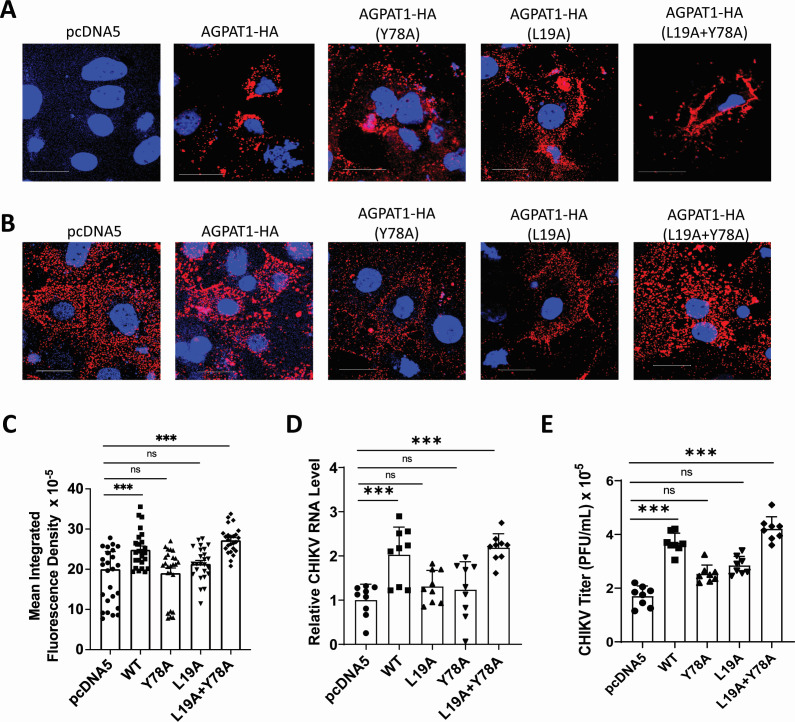 Figure 7
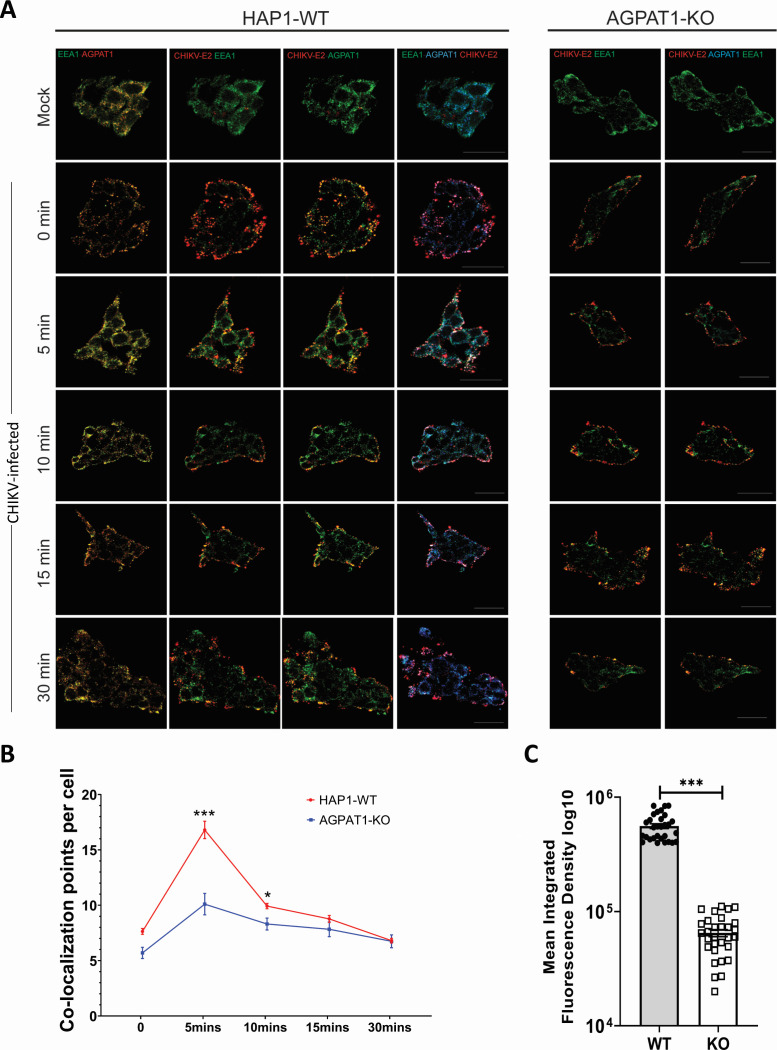 Figure 8
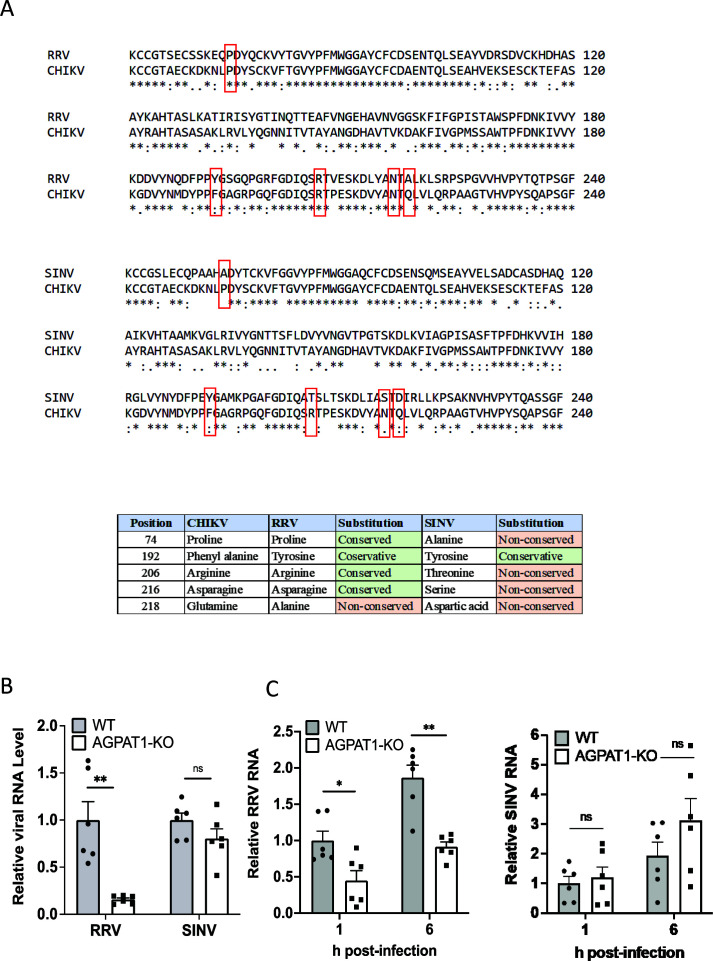 Figure 9
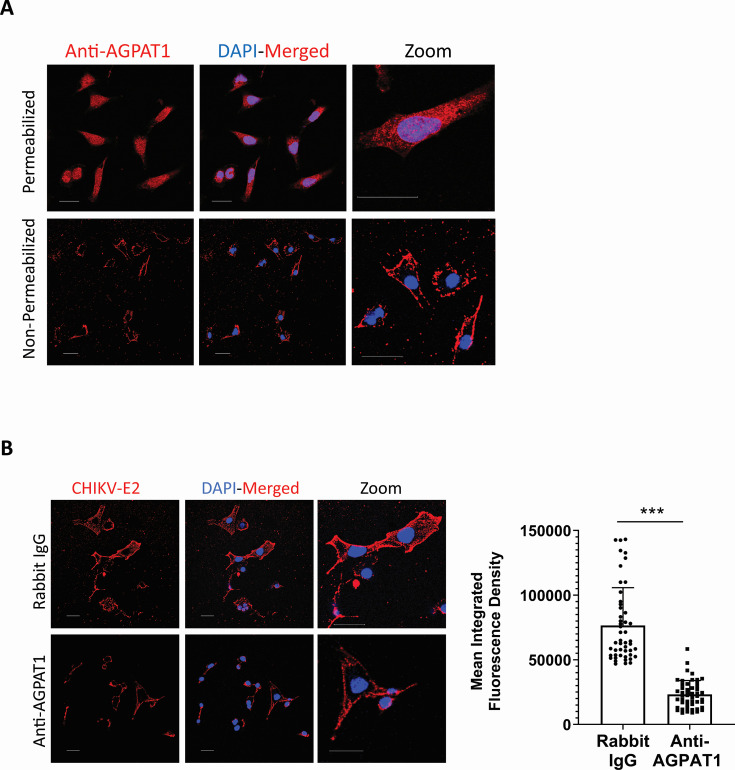 Figure 10
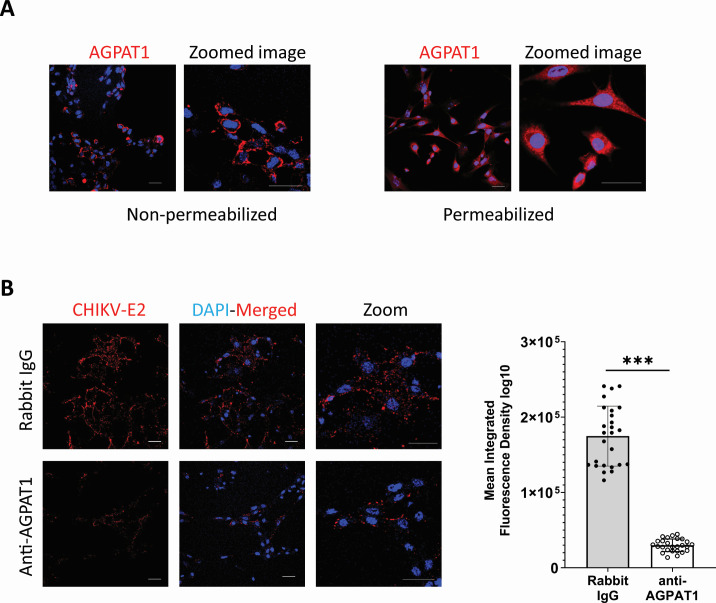 Figure 11
Peer Reviews
No public reviews on file for this paper yet. If you reviewed it on a platform where reviews are public (OpenReview, ICLR, NeurIPS, ICML), you can paste yours below so the community can read it here.
Videos
No videos yet. Explain this paper in a talk, walkthrough, or lecture? Add one.
Taxonomy
TopicsMosquito-borne diseases and control · Viral Infections and Outbreaks Research · Cell death mechanisms and regulation