Assessment of genome evolution in Bifidobacterium adolescentis indicates genetic adaptation to the human gut
Emanuele Selleri, Chiara Tarracchini, Silvia Petraro, Leonardo Mancabelli, Christian Milani, Francesca Turroni, Yan Shao, Hilary P. Browne, Trevor D. Lawley, Douwe van Sinderen, Marco Ventura, Gabriele Andrea Lugli

TL;DR
This study explores the genetic diversity and evolution of Bifidobacterium adolescentis, a common gut bacterium, revealing unique genes and its role in the human gut microbiome.
Contribution
The study provides a comprehensive pangenome analysis of B. adolescentis, identifying unique genes and horizontal gene transfer events that suggest adaptation to the human gut.
Findings
A pangenome analysis identified 203 unique gene clusters in B. adolescentis not found in other human-associated Bifidobacterium species.
2,597 genes were predicted to have been acquired via horizontal gene transfer, including those involved in host interaction and phage defense.
Phylogenetic analysis revealed seven clusters of B. adolescentis, partially linked to geographical origin, and its co-occurrence with beneficial gut microbes.
Abstract
Bifidobacterium adolescentis is one of the most frequently encountered bifidobacterial species present in the adult human gut microbiota, with a prevalence of approximately 60%. Despite its high prevalence, B. adolescentis has not been extensively studied and characterized, and our understanding of its physiological traits, genetic diversity, and potential interactions with other members of the human gut microbiota or with its host is therefore fragmentary. In the current study, a data set comprising 1,682 B. adolescentis genomes was compiled by combining publicly available data and metagenome assemblies from 131 projects to uncover the unique genetic characteristics of this species. A pangenome analysis of B. adolescentis identified 203 clusters of orthologous genes absent from the other five human-associated Bifidobacterium species, six of which were in silico predicted to encode…
Genes, proteins, chemicals, diseases, species, mutations and cell lines named across the full text — each resolved to its canonical identifier and authoritative record.
Click any figure to enlarge with its caption.
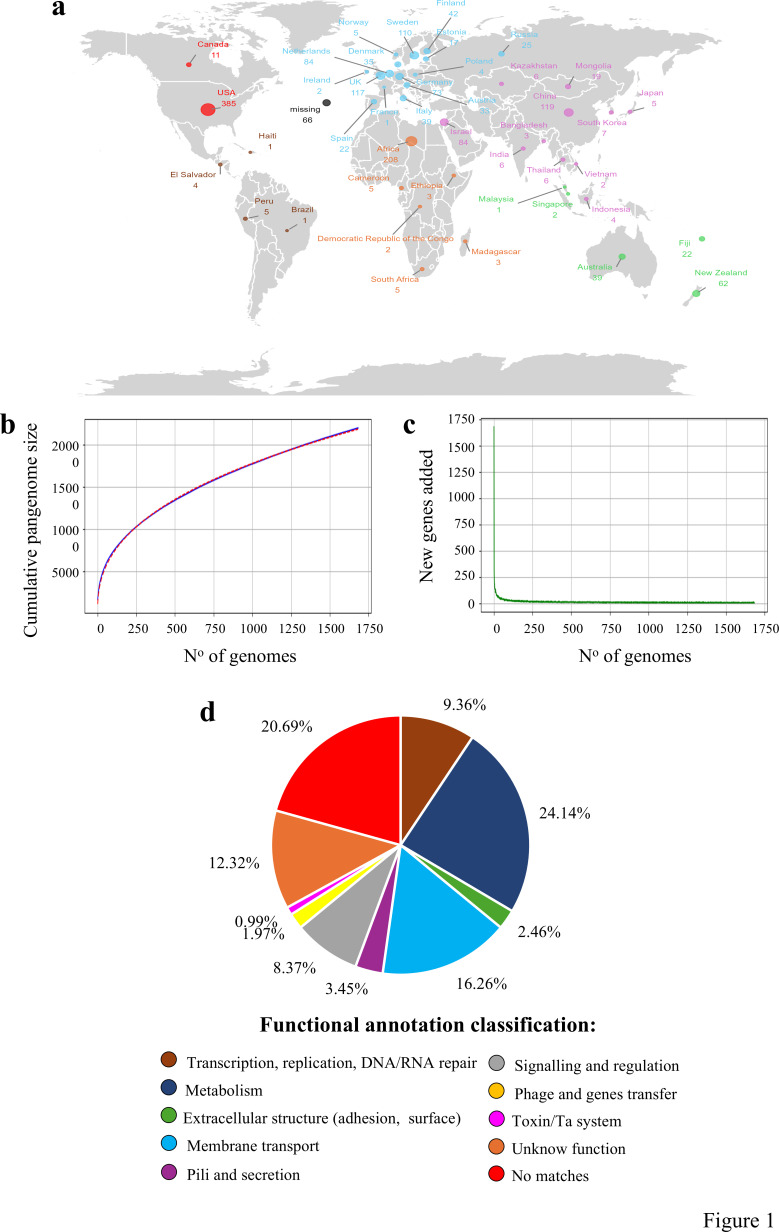 Figure 1
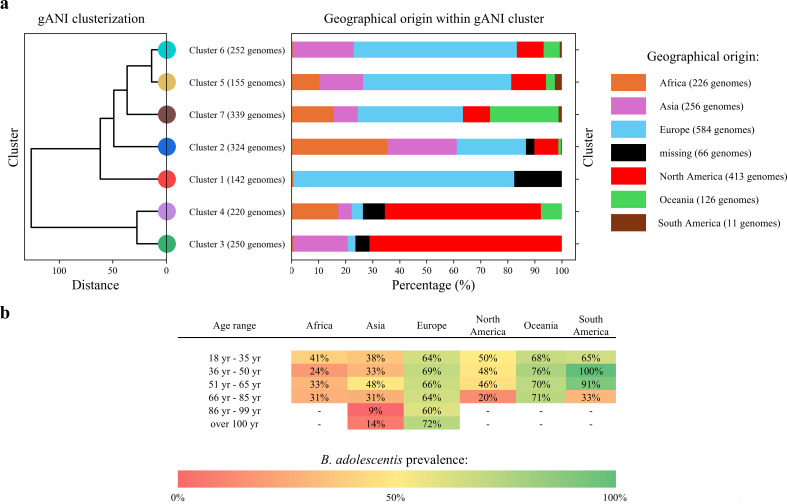 Figure 2
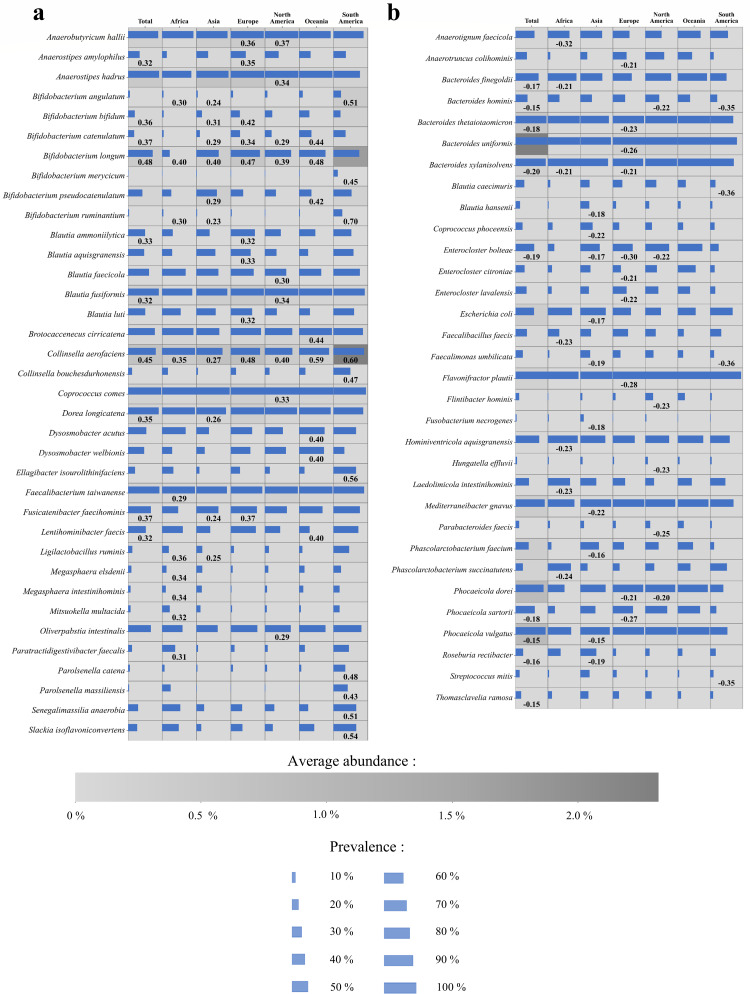 Figure 3
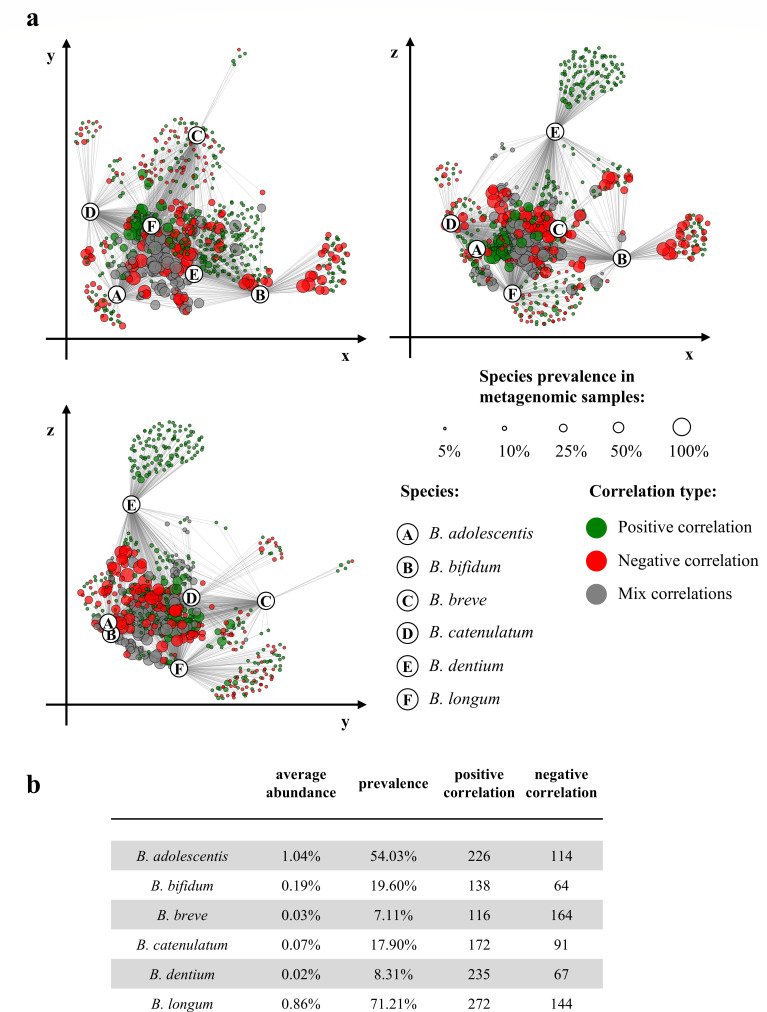 Figure 4
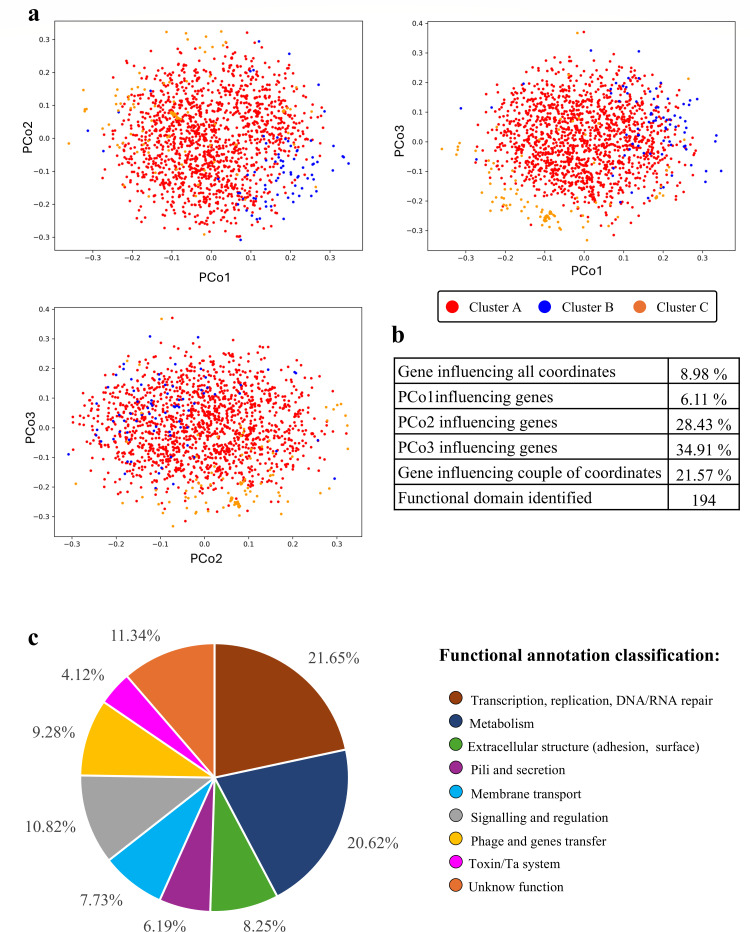 Figure 5
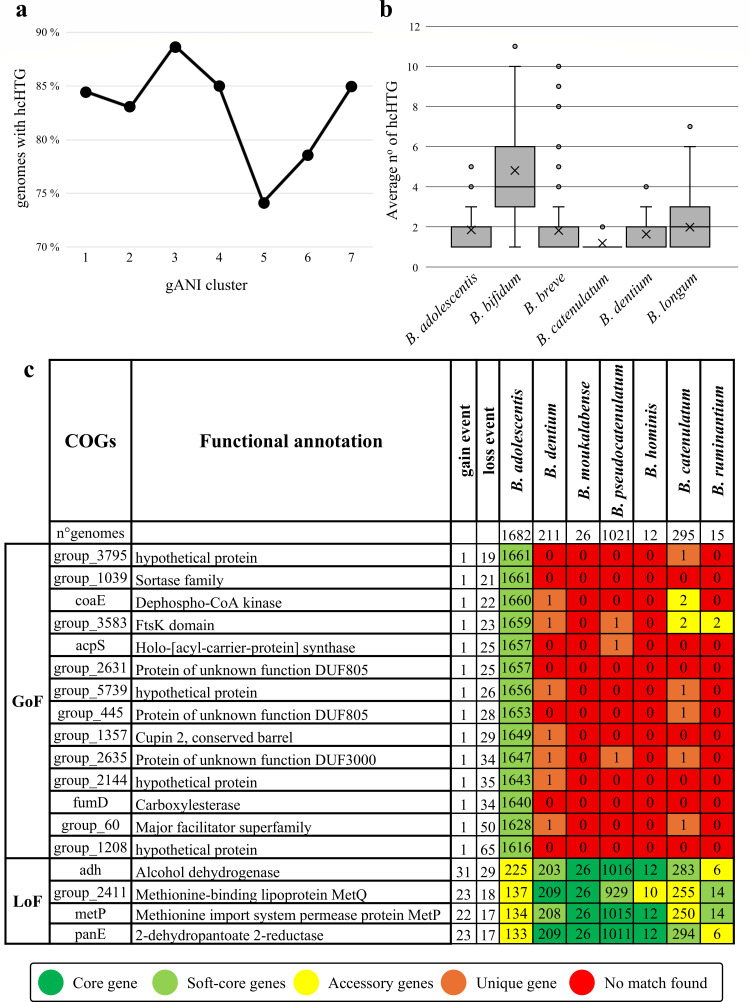 Figure 6
Peer Reviews
No public reviews on file for this paper yet. If you reviewed it on a platform where reviews are public (OpenReview, ICLR, NeurIPS, ICML), you can paste yours below so the community can read it here.
Videos
No videos yet. Explain this paper in a talk, walkthrough, or lecture? Add one.
Taxonomy
TopicsGut microbiota and health · Probiotics and Fermented Foods · Genomics and Phylogenetic Studies