Methaneseleninic acid, a circadian-modulating agent, reactivates latent HIV-1 infection without cellular activation or proliferation
Jared Stern, Rory A. Shepherd, Youry Kim, Carolin Tumpach, Kirsten E. Amos, Oscar H. Lloyd Williams, Swati Varshney, Hannah A. D. King, Ajantha Rhodes, Sharon R. Lewin, Michael Roche

TL;DR
This study shows that a compound called methaneseleninic acid can reactivate dormant HIV without causing harmful cell activity, offering a new approach to HIV treatment.
Contribution
The study introduces methaneseleninic acid as a novel circadian-modulating agent that reactivates latent HIV without cellular activation or proliferation.
Findings
Methaneseleninic acid reactivates latent HIV in cell lines and primary CD4+ T cells.
MSA increases unspliced HIV RNA without causing cell activation or proliferation.
MSA alters gene expression in CD4+ T cells, favoring apoptosis.
Abstract
Human immunodeficiency virus (HIV)-1 transcriptional activity is under circadian control in virally suppressed people with HIV (PWH), and circadian transcription factors can positively affect HIV transcription in vitro. We aimed to determine whether pharmacologic modulation of cell-autonomous circadian cycles can reverse HIV latency. We examined the effects of a known circadian modulator, the organic selenium compound, methaneseleninic acid (MSA), on viral reactivation, and cellular activation and proliferation in near-full-length latently infected cell lines and primary peripheral blood CD4+ T cells from virally suppressed males with HIV. MSA robustly reactivated HIV in latently infected cell lines and induced an increase in cell-associated unspliced but not multiply spliced HIV RNA in primary CD4+ T cells without cellular activation, proliferation, or changes in HIV DNA. Bulk RNA…
Genes, proteins, chemicals, diseases, species, mutations and cell lines named across the full text — each resolved to its canonical identifier and authoritative record.
Click any figure to enlarge with its caption.
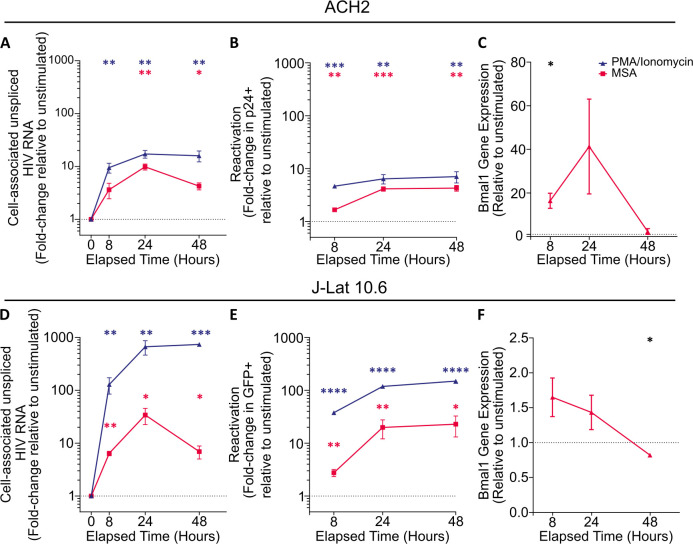 Figure 1
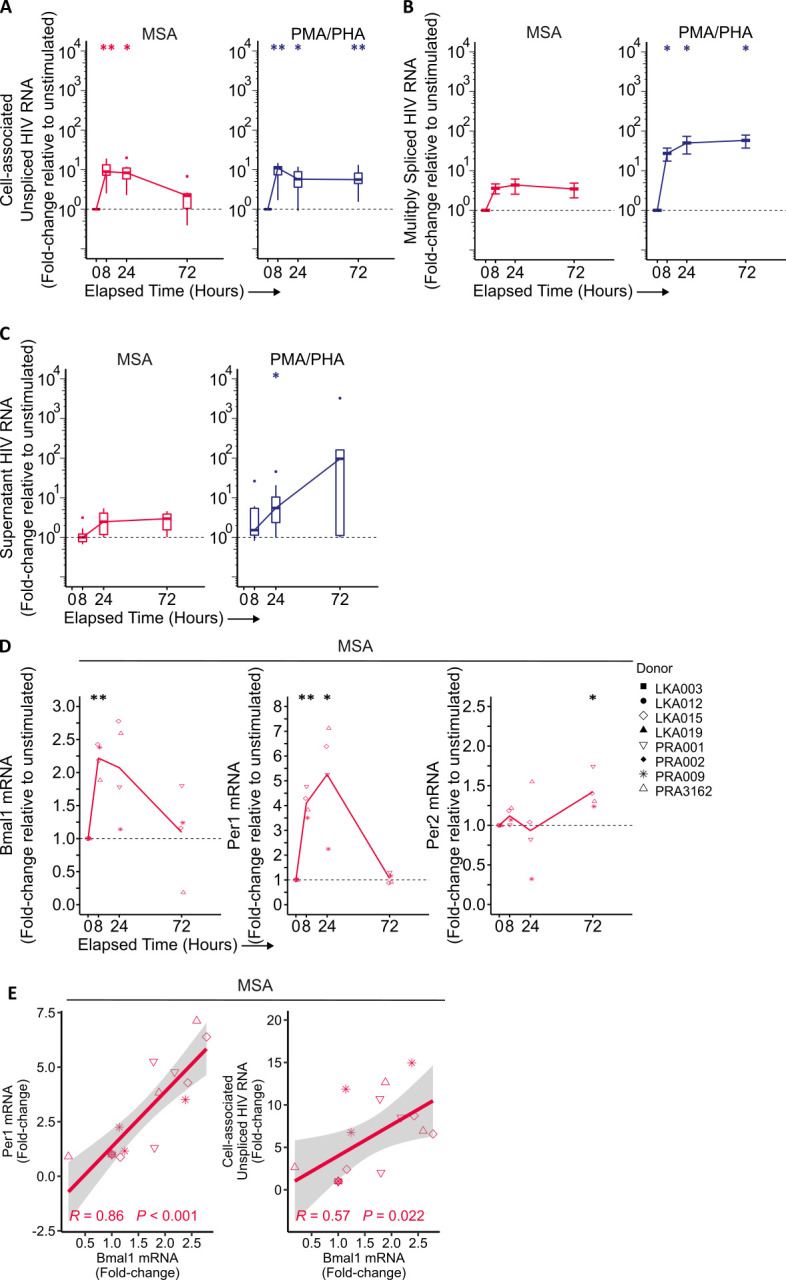 Figure 2
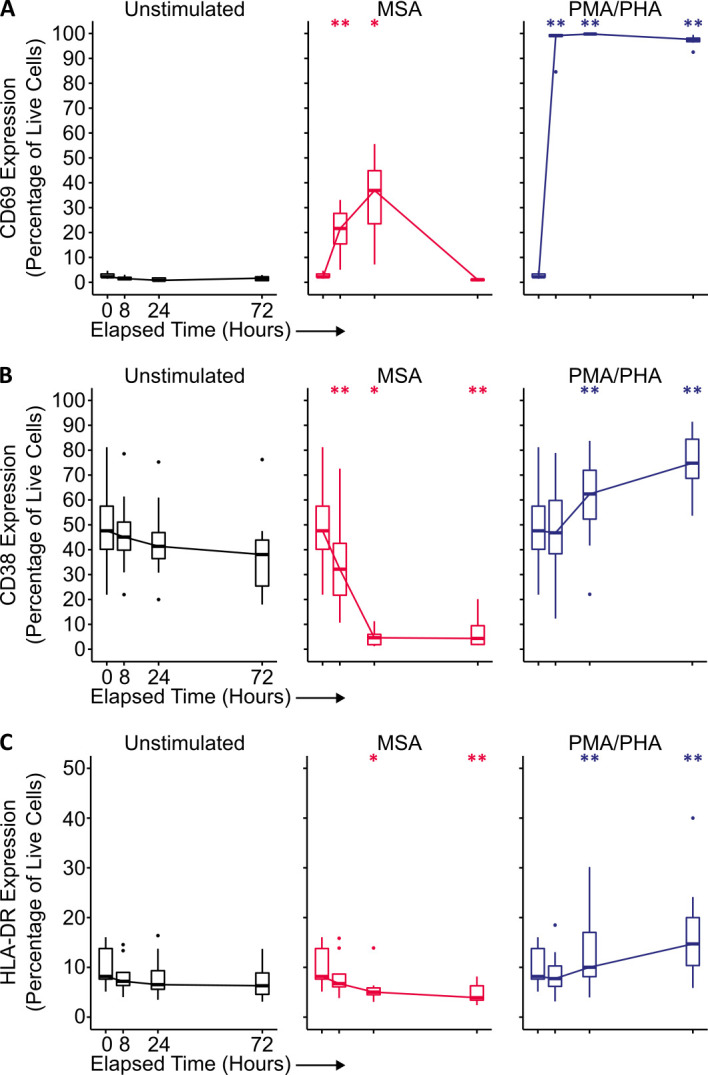 Figure 3
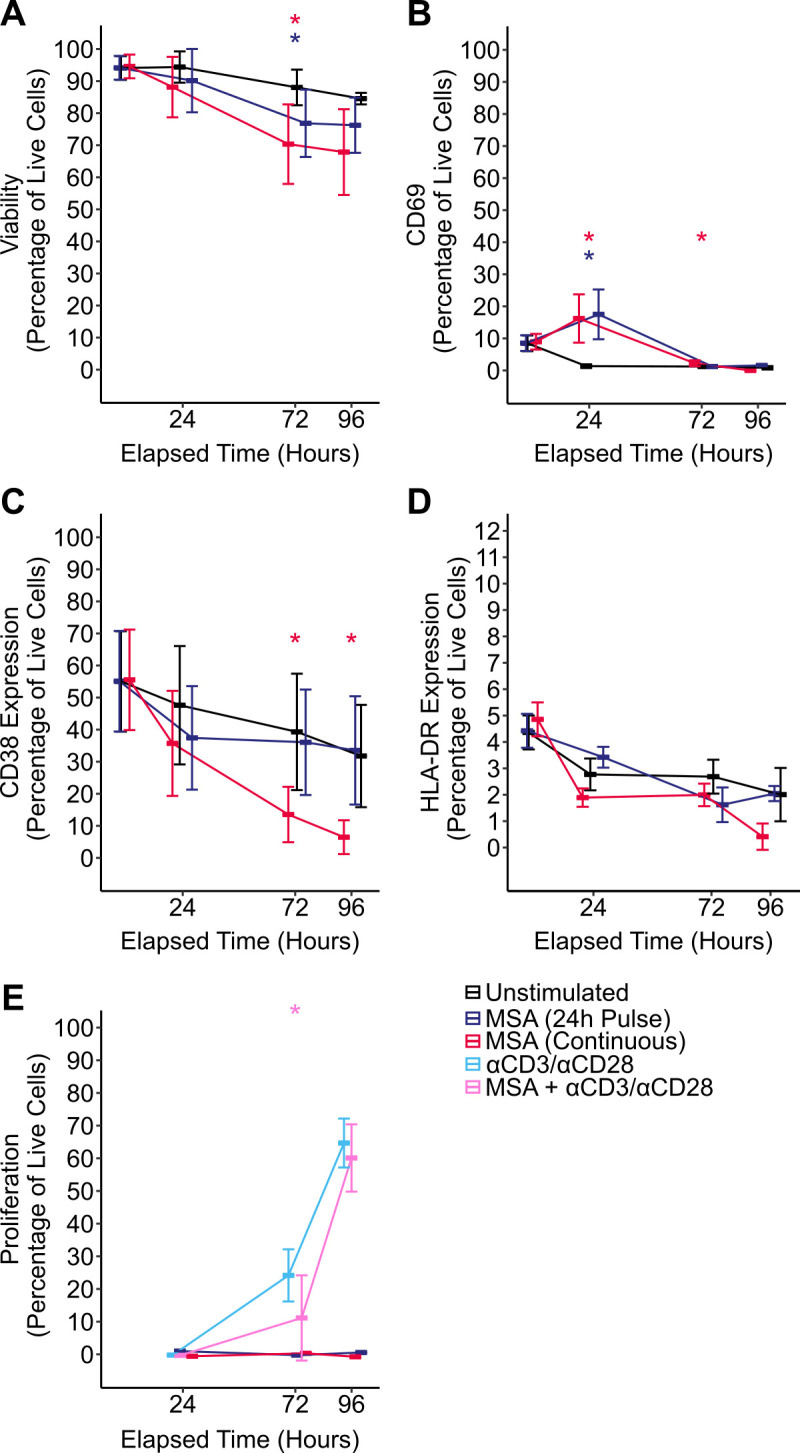 Figure 4
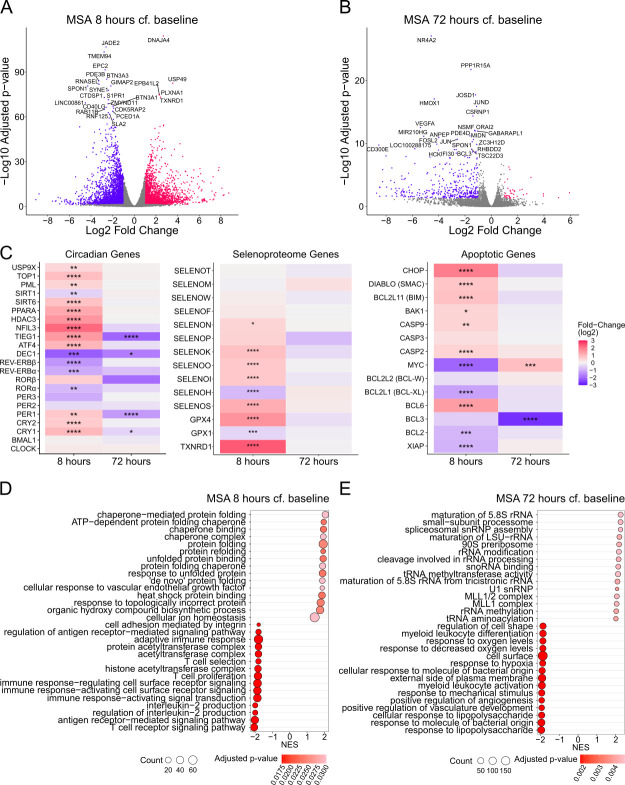 Figure 5
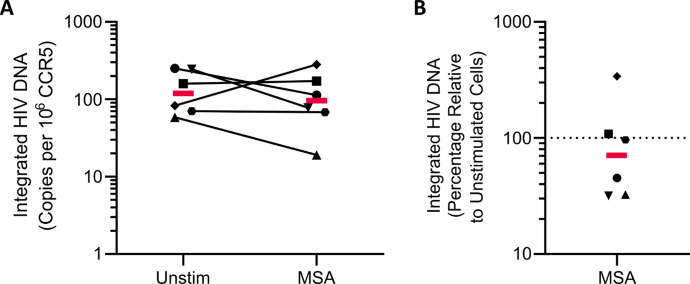 Figure 6
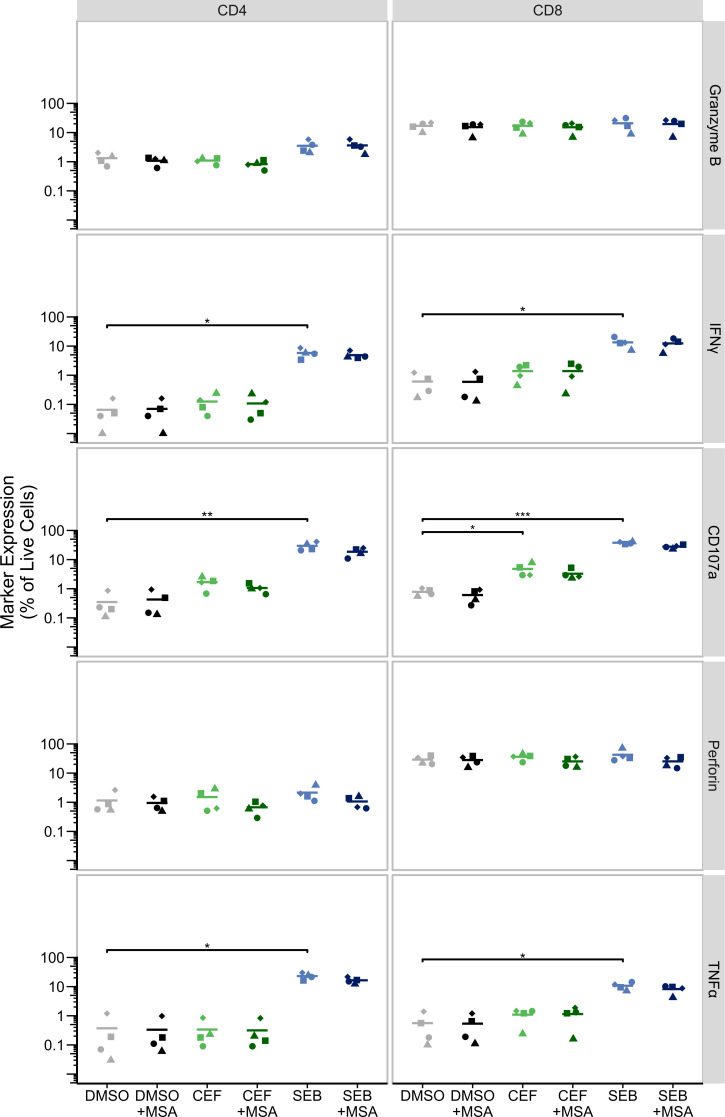 Figure 7
Peer Reviews
No public reviews on file for this paper yet. If you reviewed it on a platform where reviews are public (OpenReview, ICLR, NeurIPS, ICML), you can paste yours below so the community can read it here.
Videos
No videos yet. Explain this paper in a talk, walkthrough, or lecture? Add one.
Taxonomy
TopicsCircadian rhythm and melatonin · Dietary Effects on Health · Climate Change and Health Impacts