Lipidomics reveals the pro-viral roles of ceramides during fish nodavirus infection
Ya Zhang, Lin Liu, Long Lin, Yin Zhao, Kaitao Xi, Xixi Guo, Qiwei Qin, Xiaohong Huang, Youhua Huang

TL;DR
This study shows that ceramides, a type of lipid, help a deadly fish virus replicate by promoting autophagy, offering new ways to prevent viral infections in fish.
Contribution
The study is the first to demonstrate that ceramides act as pro-viral mediators during RGNNV infection via autophagy.
Findings
RGNNV infection increases ceramide levels and activates ceramide synthesis-related genes.
Ceramides promote RGNNV replication by enhancing autophagy and counteracting antiviral drugs.
Disrupting ceramide synthesis reduces RGNNV infection, which can be reversed by adding C16-ceramide.
Abstract
Red-spotted grouper nervous necrosis virus (RGNNV) is one of the most lethal viral pathogens with high mortality in the fry and juvenile stage of marine fish. Our previous studies demonstrated that RGNNV infection induced the remodeling of intracellular membrane and exploited cellular fatty acid synthesis for infection. However, the roles of lipid metabolism during infection still remained largely uncertain. Here, the global lipidomic profiles of RGNNV in grouper cells were analyzed, and the crucial roles of ceramides during viral infection were investigated. RGNNV significantly altered lipid homeostasis in vitro. Of note, almost all the detected ceramides were elevated in RGNNV-infected cells. Consistently, RGNNV infection induced a significant increase in ceramides accumulation and the mRNA expression levels of ceramide synthesis–related genes. Interestingly, virus-induced ceramides…
Genes, proteins, chemicals, diseases, species, mutations and cell lines named across the full text — each resolved to its canonical identifier and authoritative record.
Click any figure to enlarge with its caption.
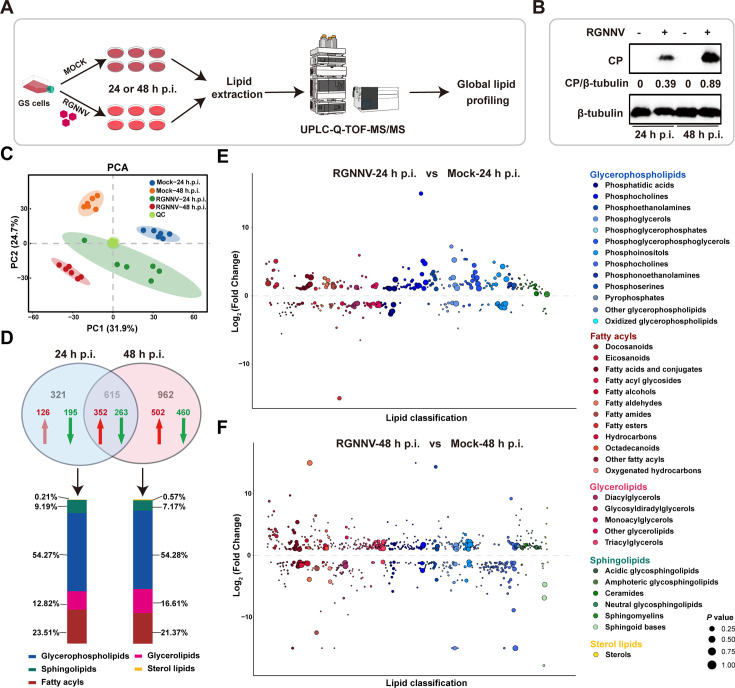 Figure 1
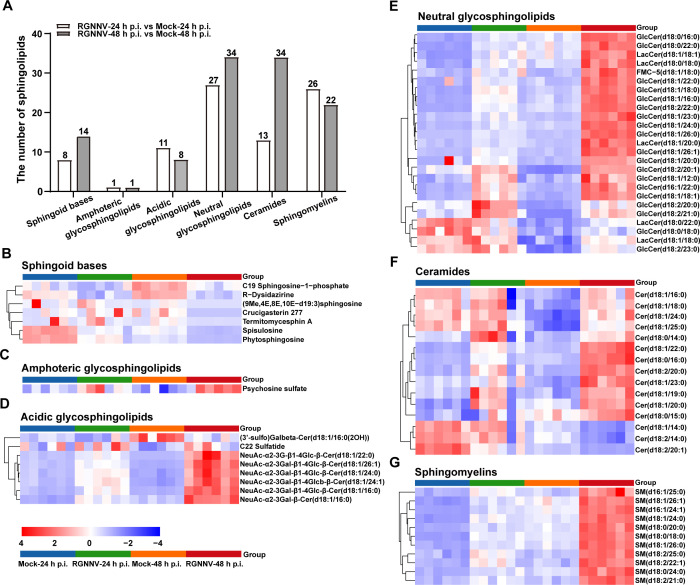 Figure 2
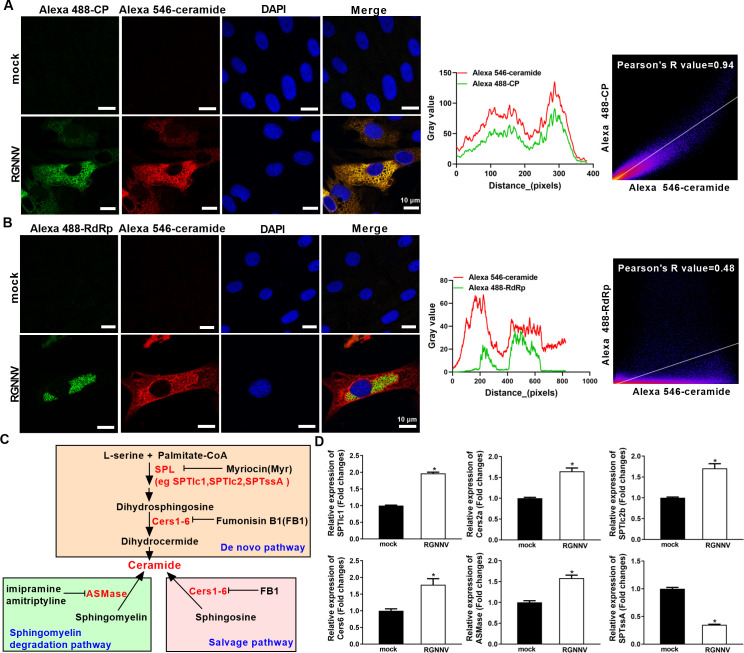 Figure 3
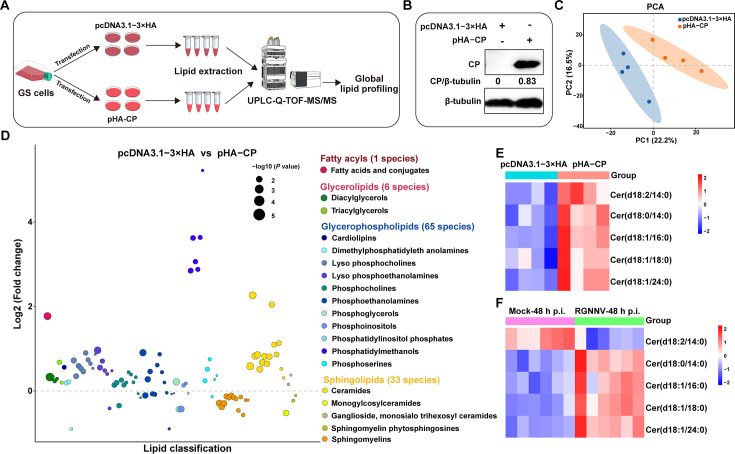 Figure 4
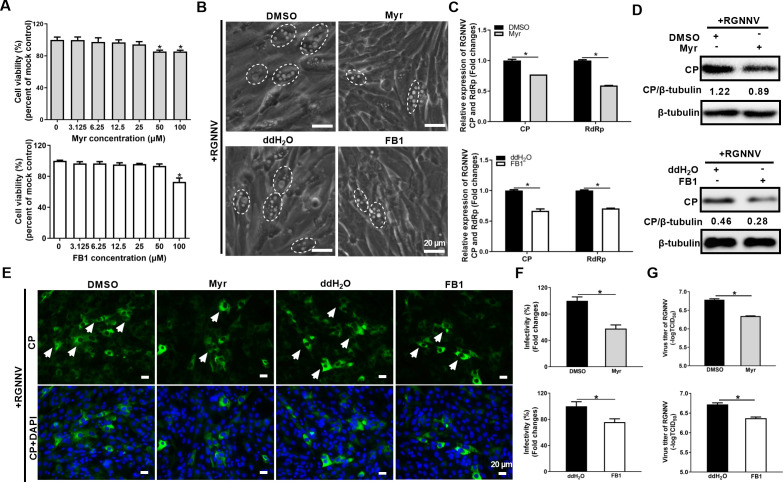 Figure 5
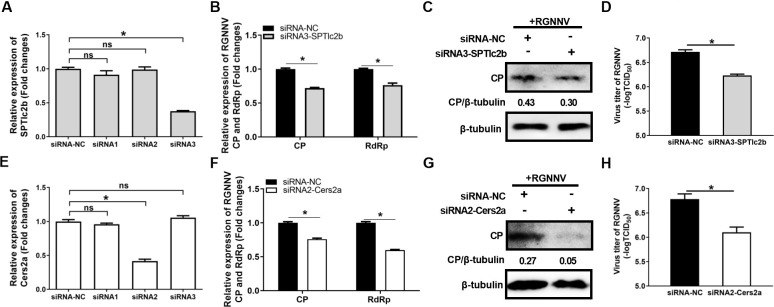 Figure 6
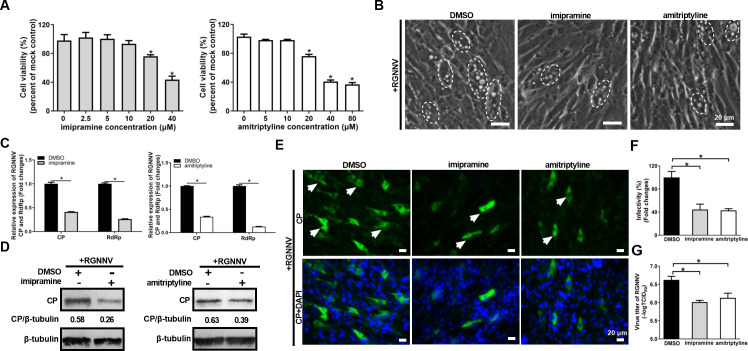 Figure 7
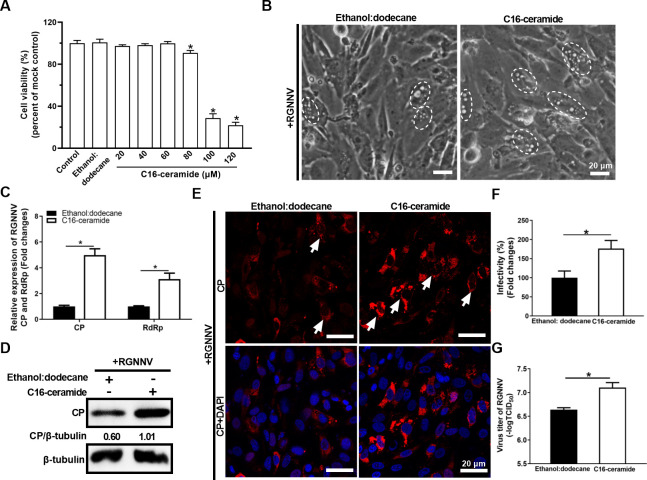 Figure 8
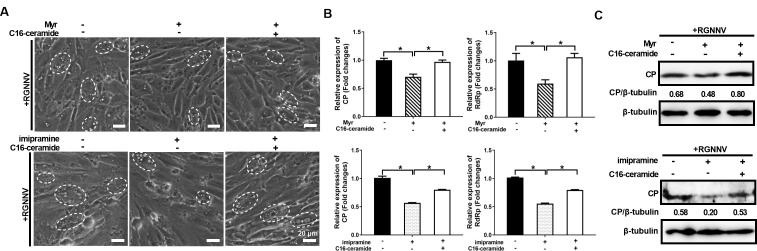 Figure 9
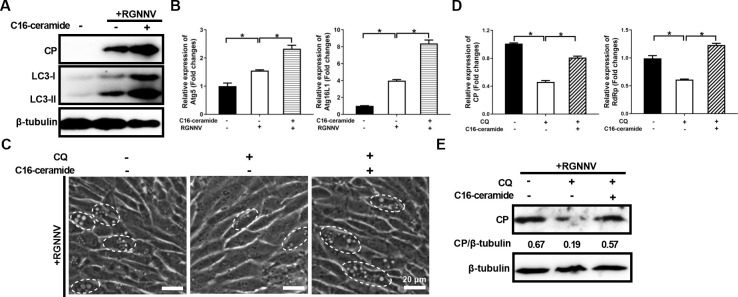 Figure 10
Peer Reviews
No public reviews on file for this paper yet. If you reviewed it on a platform where reviews are public (OpenReview, ICLR, NeurIPS, ICML), you can paste yours below so the community can read it here.
Videos
No videos yet. Explain this paper in a talk, walkthrough, or lecture? Add one.
Taxonomy
TopicsAquaculture disease management and microbiota · Sphingolipid Metabolism and Signaling · Invertebrate Immune Response Mechanisms