Staphylococcal accessory regulator SarA-mediated modulation of autolysis and surface charge enables Staphylococcus aureus to evade vancomycin killing
Yujie Li, Shihui Yuan, Ping Yan, Shupei Zhai, Zhien He, Huimin Su, Zhongliang Zhu, Qingze He, Weifeng Xu, Baolin Sun

TL;DR
This study shows how a regulator in Staphylococcus aureus helps the bacteria resist vancomycin by altering its cell surface and reducing antibiotic binding.
Contribution
The study reveals a novel mechanism by which SarA modulates vancomycin resistance through autolysis suppression and ABC transporter regulation.
Findings
SarA reduces vancomycin susceptibility by inhibiting autolysis-related genes.
SarA enhances resistance by altering surface charge via ABC-like transporter regulation.
The effect of SarA on antibiotic resistance is strain-dependent.
Abstract
Staphylococcus aureus is a major source of community and nosocomial infections. Due to the extensive application of antibiotics, S. aureus has developed resistance to antibiotics, especially vancomycin, making clinical treatment challenging. Staphylococcal accessory regulator A (SarA) modulates S. aureus virulence by regulating the principal virulence factors. However, its role in vancomycin resistance remains largely unknown. Herein, we found that SarA not only reduces the susceptibility of S. aureus to vancomycin by directly inhibiting the expression of autolysis-related genes, but also enhances resistance to vancomycin by negatively regulating the transcription of an ATP-binding cassette (ABC) transporter, ABC-like, thereby altering the bacterial surface charge and reducing vancomycin’s binding efficiency to the cell wall. Moreover, the regulation of antibiotic resistance by SarA is…
Genes, proteins, chemicals, diseases, species, mutations and cell lines named across the full text — each resolved to its canonical identifier and authoritative record.
Click any figure to enlarge with its caption.
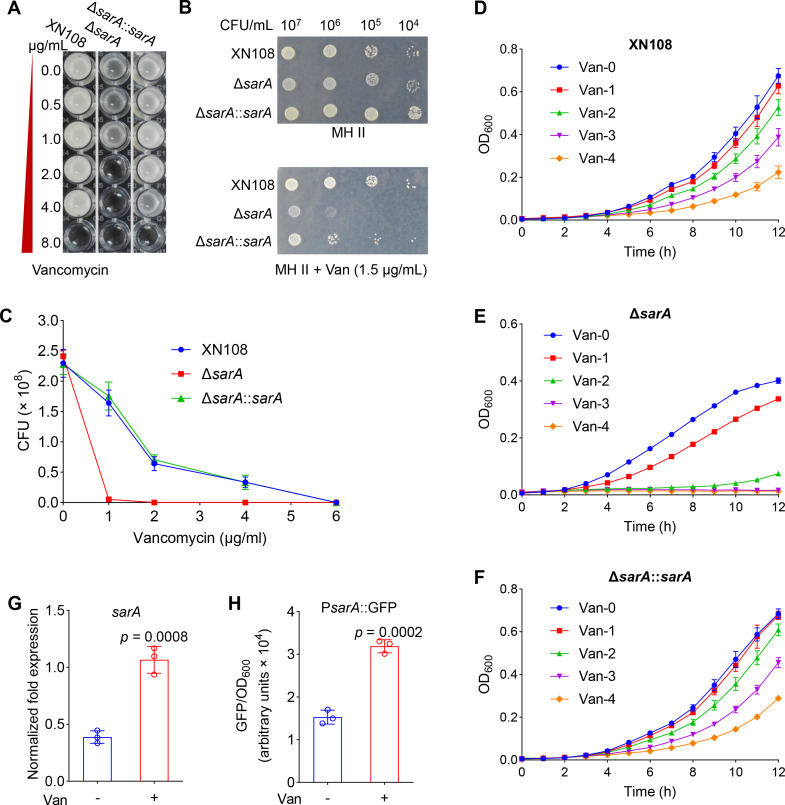 Figure 1
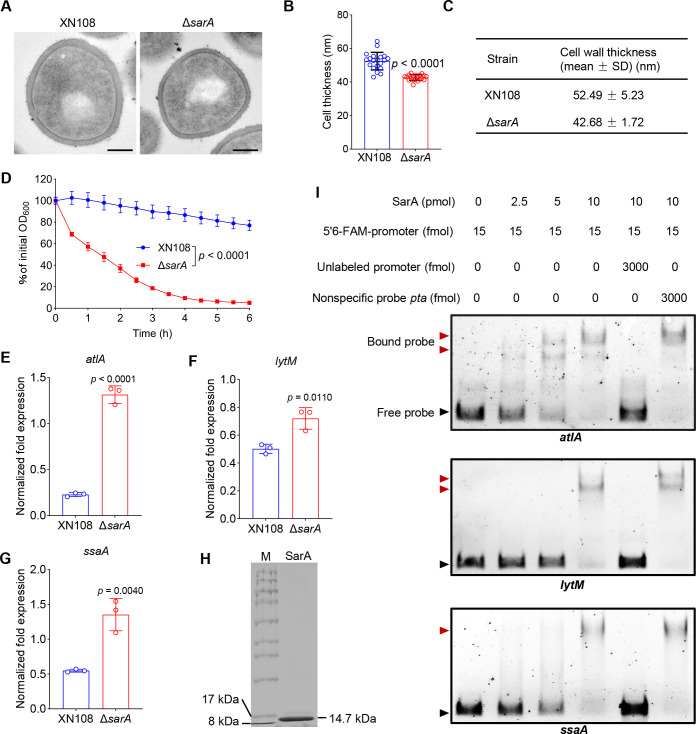 Figure 2
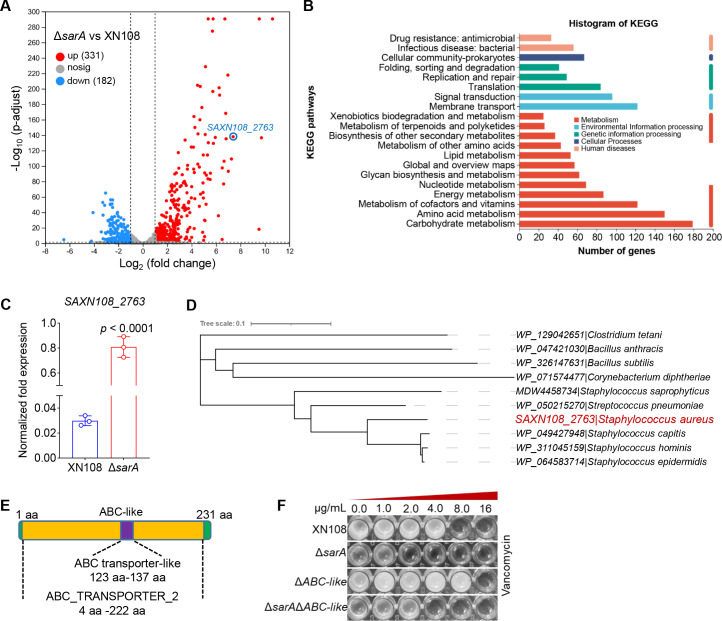 Figure 3
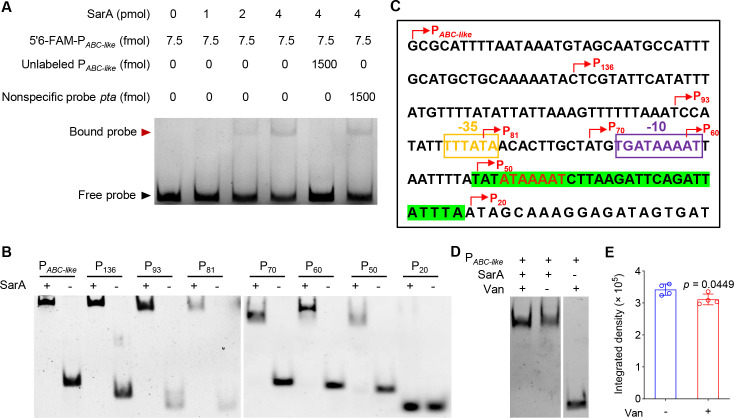 Figure 4
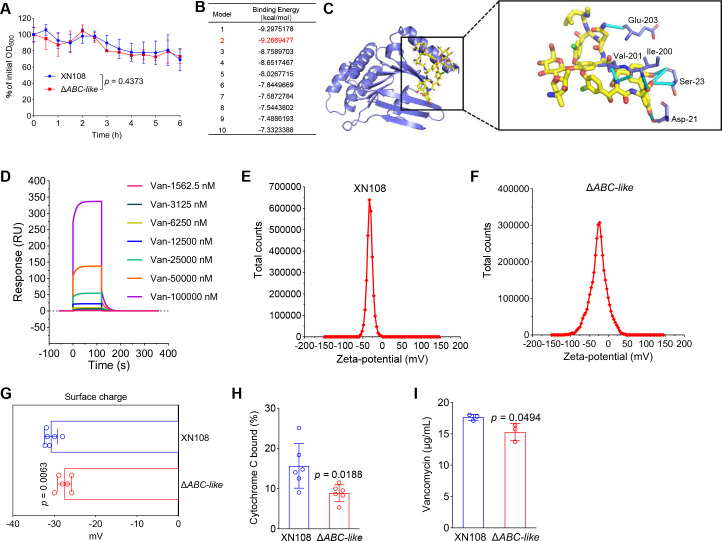 Figure 5
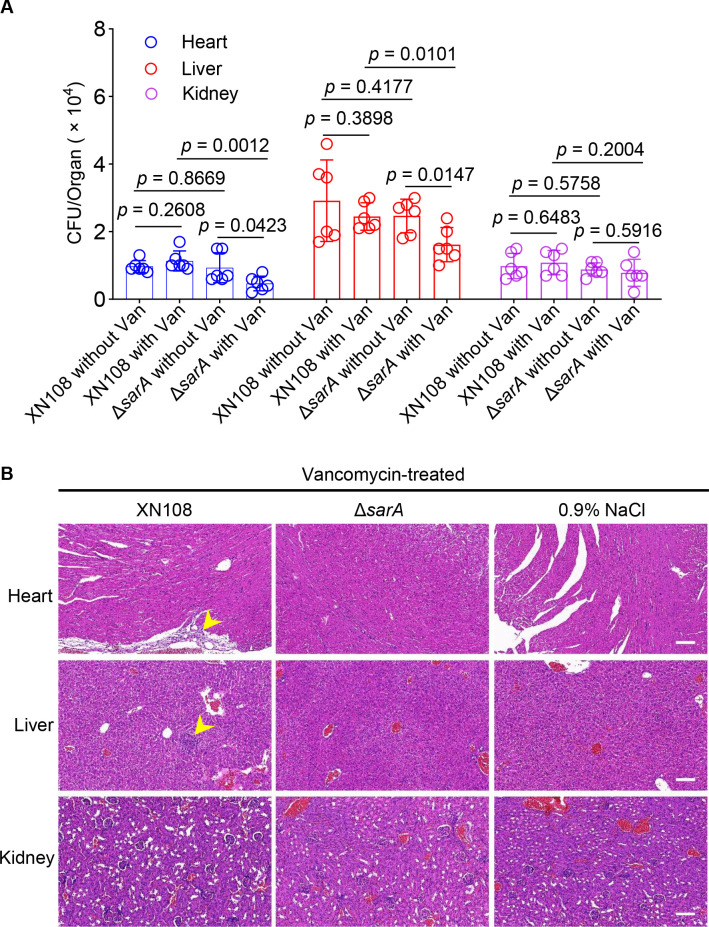 Figure 6
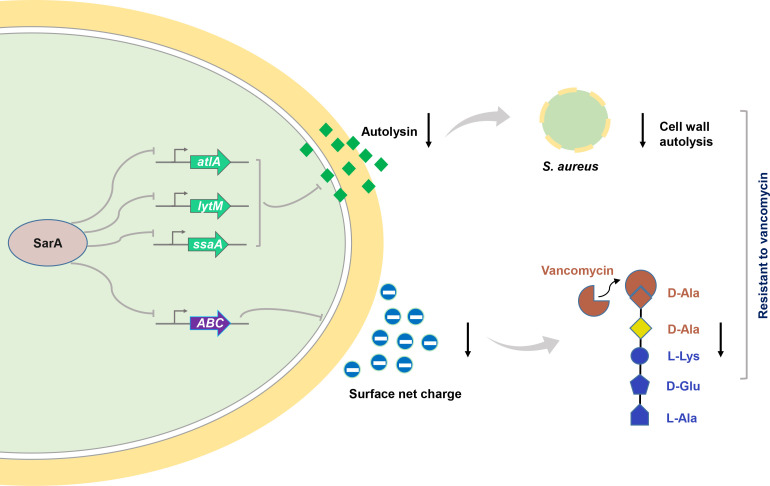 Figure 7
Peer Reviews
No public reviews on file for this paper yet. If you reviewed it on a platform where reviews are public (OpenReview, ICLR, NeurIPS, ICML), you can paste yours below so the community can read it here.
Videos
No videos yet. Explain this paper in a talk, walkthrough, or lecture? Add one.
Taxonomy
TopicsAntimicrobial Resistance in Staphylococcus · Bacterial biofilms and quorum sensing · Bacterial Genetics and Biotechnology