Computed tomography in pediatric blunt abdominal trauma: current evidence, challenges, and future directions — a systematic review and meta-analysis
Mohammed Alsabri, Shree Rath, Mohamed Amr Elkarargy, Amira A. Aboali, Ahmed Bostamy Elsnhory, Mohamed Hany Ezz, Eric Lusinski

TL;DR
This study reviews the use of CT scans in diagnosing abdominal injuries in children, finding high detection rates but low intervention and mortality, suggesting selective use of CT to reduce risks.
Contribution
The study provides a systematic review and meta-analysis of CT use in pediatric blunt abdominal trauma, emphasizing the need for selective imaging and future research on non-ionizing alternatives.
Findings
The pooled median prevalence of intra-abdominal injuries in children was 84.5%, with liver, bowel, spleen, and kidney injuries being most common.
Intervention and mortality rates were low at 7.7% and 1.4%, respectively, suggesting limited need for routine CT scans.
Higher injury probabilities were associated with increasing age and male predominance, while non-solid organ injuries were rare.
Abstract
Assessment of intra-abdominal injuries (IAIs) in children is challenging due to unreliable physical examination, communication barriers, and the serious consequences of missed injuries. Computed tomography (CT) is widely used for its high sensitivity, but concerns persist regarding radiation exposure and resource utilization. This systematic review and meta-analysis aimed to quantify IAI prevalence, describe organ-specific injury patterns, and evaluate intervention and mortality outcomes in children with blunt abdominal trauma assessed using CT. We searched PubMed, Web of Science, Cochrane Library, and Scopus through August 2025 for studies evaluating pediatric blunt abdominal trauma, CT-based assessment, and CT-detected IAIs. Bayesian random-effects meta-analyses were used to estimate pooled prevalence and outcomes, with additional hierarchical and meta-regression models for…
Genes, proteins, chemicals, diseases, species, mutations and cell lines named across the full text — each resolved to its canonical identifier and authoritative record.
Click any figure to enlarge with its caption.
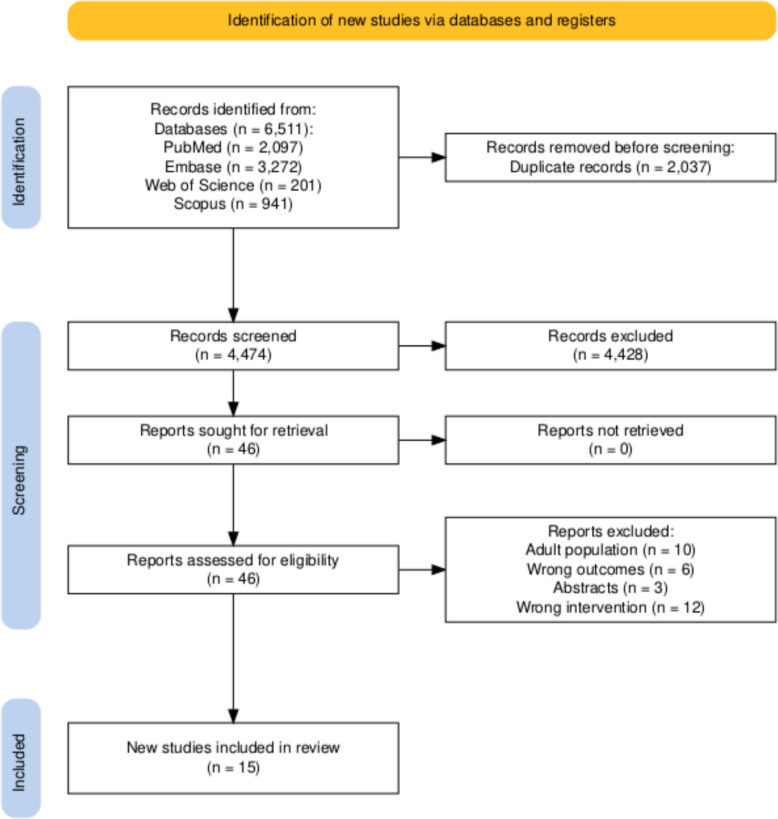 Figure 1
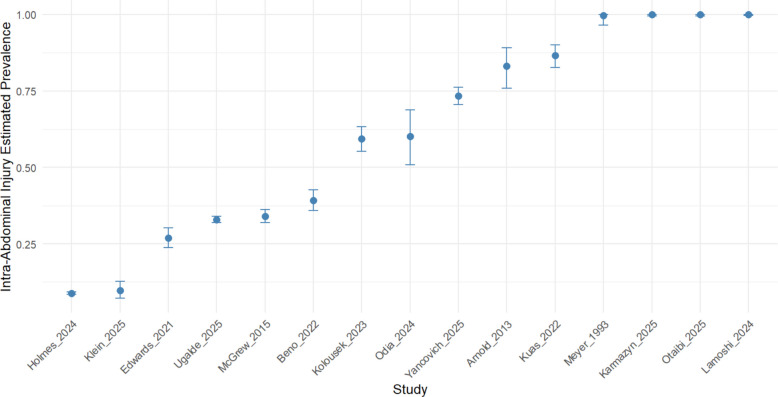 Figure 2
 Figure 3
 Figure 4
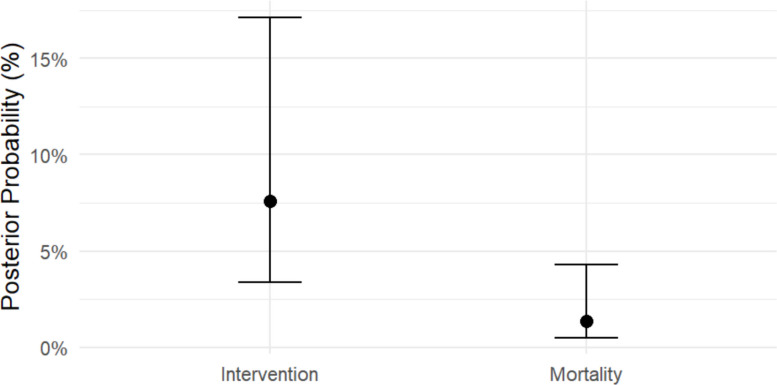 Figure 5
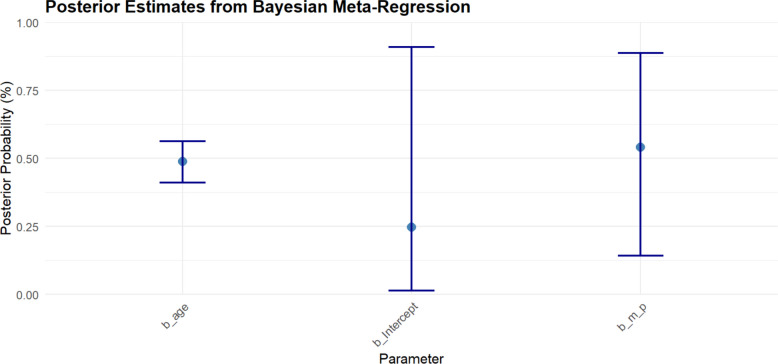 Figure 6
Peer Reviews
No public reviews on file for this paper yet. If you reviewed it on a platform where reviews are public (OpenReview, ICLR, NeurIPS, ICML), you can paste yours below so the community can read it here.
Videos
No videos yet. Explain this paper in a talk, walkthrough, or lecture? Add one.
Taxonomy
TopicsAbdominal Trauma and Injuries · Trauma and Emergency Care Studies · Pelvic and Acetabular Injuries