OptiSyn: an interpretable, multi-omics–driven graph convolutional network framework for synergy-oriented drug combination design in disease treatment
Yinli Shi, Jun Liu, Guoduan Zeng, Yuedan Wang, Shuang Guan, Muzhi Li, Sicun Wang, Yanan Yu, Weibin Yang, Zhong Wang

TL;DR
This paper introduces OptiSyn, a new AI framework that uses multi-omics data to design drug combinations for diseases like ankylosing spondylitis, combining traditional Chinese medicine with modern bioinformatics.
Contribution
OptiSyn is a novel interpretable graph convolutional network framework that integrates multi-omics data to design synergistic drug combinations aligned with TCM principles.
Findings
Eight AS-associated hub genes were identified using multi-omics and network analysis.
ASD-A, a TCM formula, reduced pro-inflammatory cytokines and modulated immune cell subsets in experiments.
Formula decomposition analysis clarified the roles of major and auxiliary components in controlling hub gene activity.
Abstract
Bioinformatics and large-scale computational modelling have emerged as essential research fields in modern biomedical science, enabling drug discovery and therapeutic optimisation. A unique and potent technical framework for the modernisation and mechanistic clarification of traditional Chinese medicine (TCM) formulations is provided by the integration of multidimensional data using systems biology and artificial intelligence (AI) techniques. Ankylosing spondylitis–associated key hub genes were identified using multi-omics datasets, differential gene expression analysis, weighted gene co-expression network analysis, single-cell transcriptomic analysis, Mendelian randomization, and network module partitioning. In order to predict the optimal drug combinations and synergistic principal-auxiliary therapeutic roles, an interpretable, multi-layer graph convolutional network model was built…
Genes, proteins, chemicals, diseases, species, mutations and cell lines named across the full text — each resolved to its canonical identifier and authoritative record.
Click any figure to enlarge with its caption.
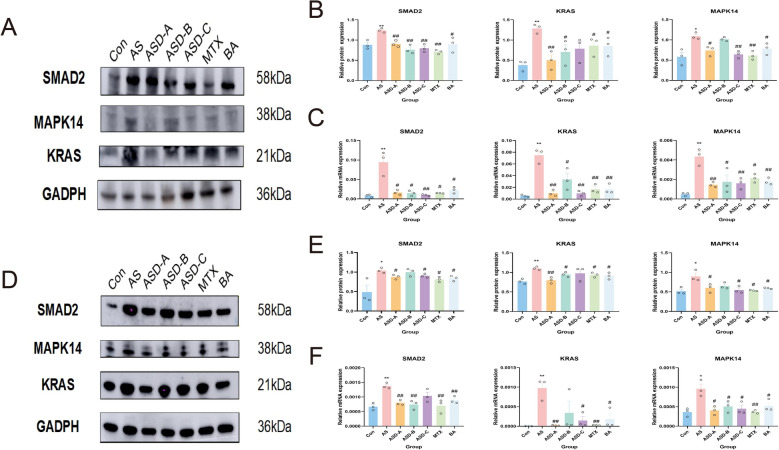 Figure 10
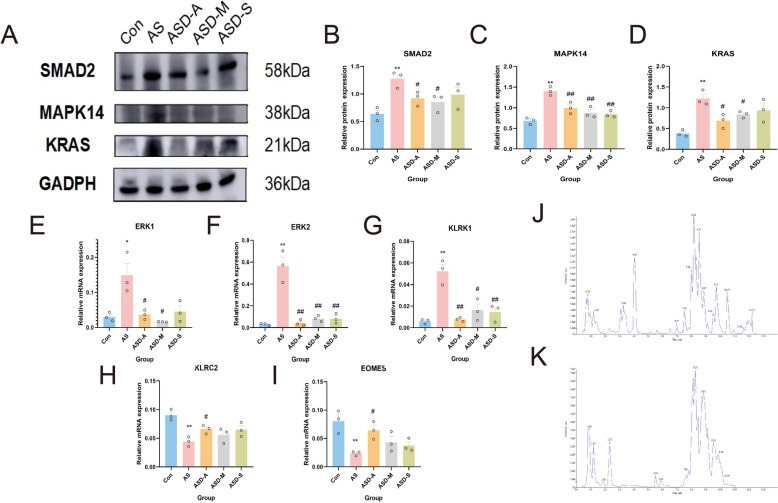 Figure 11
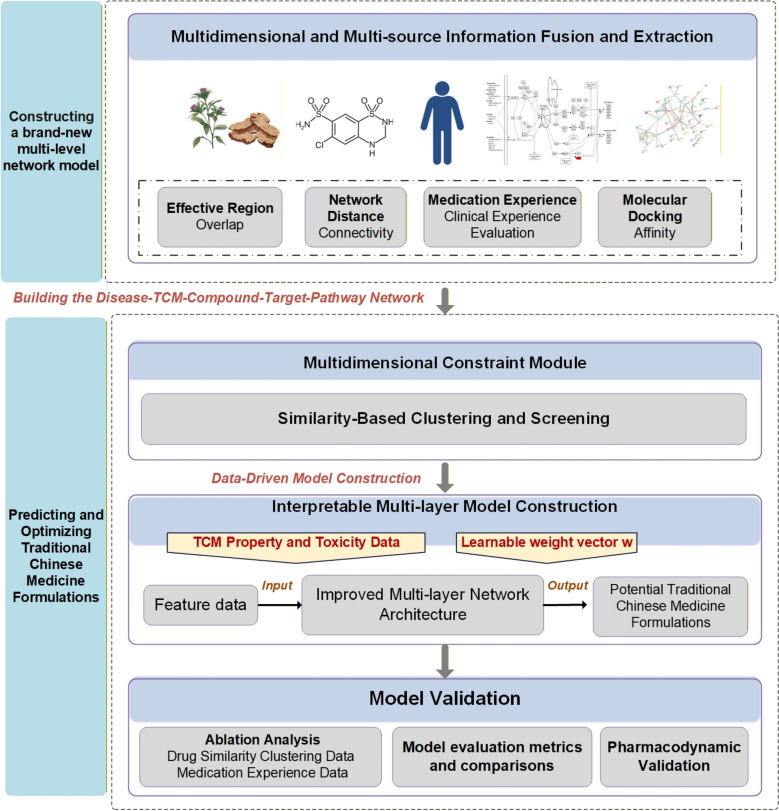 Figure 1
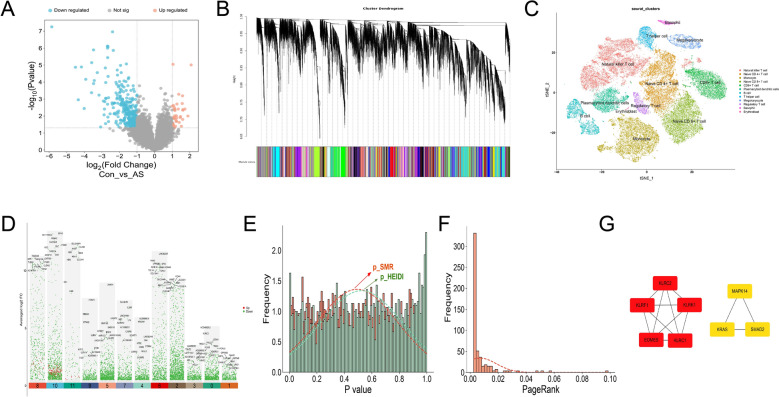 Figure 2
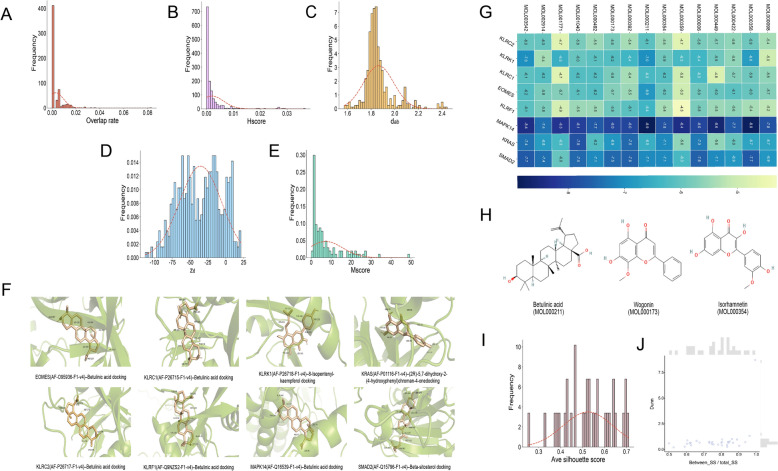 Figure 3
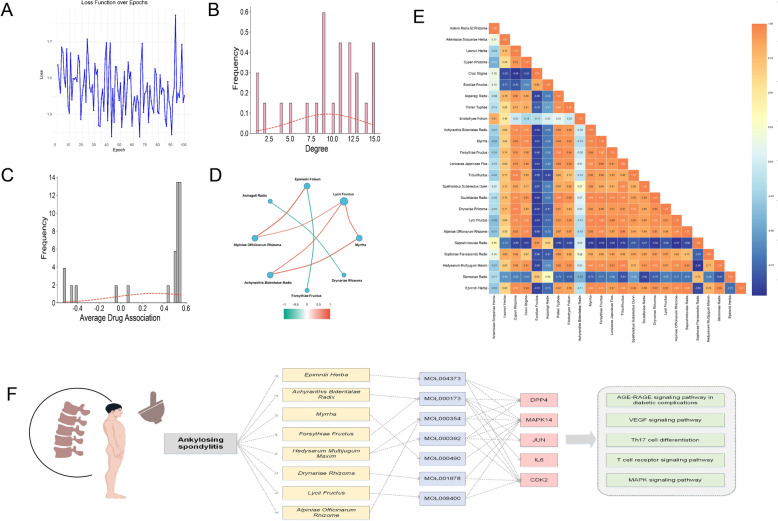 Figure 4
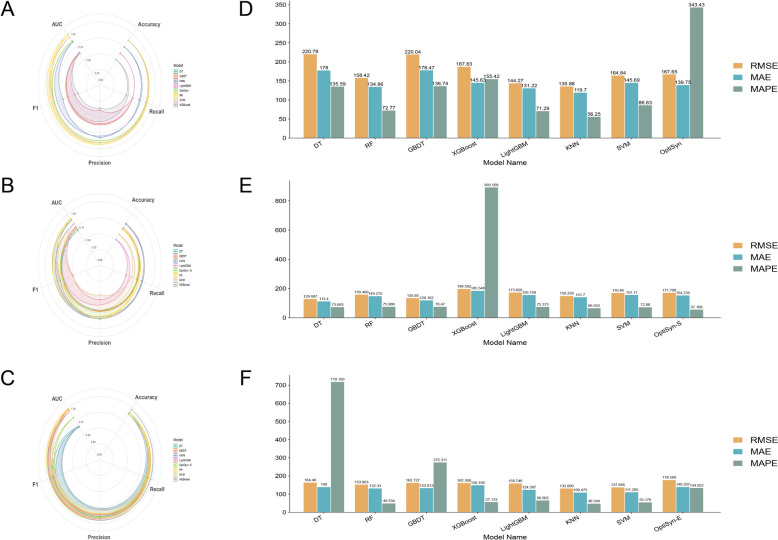 Figure 5
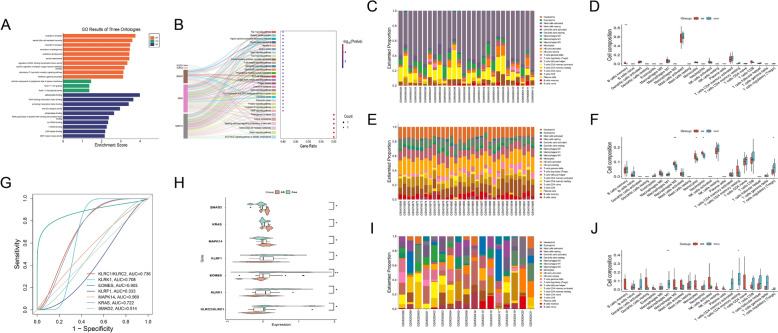 Figure 6
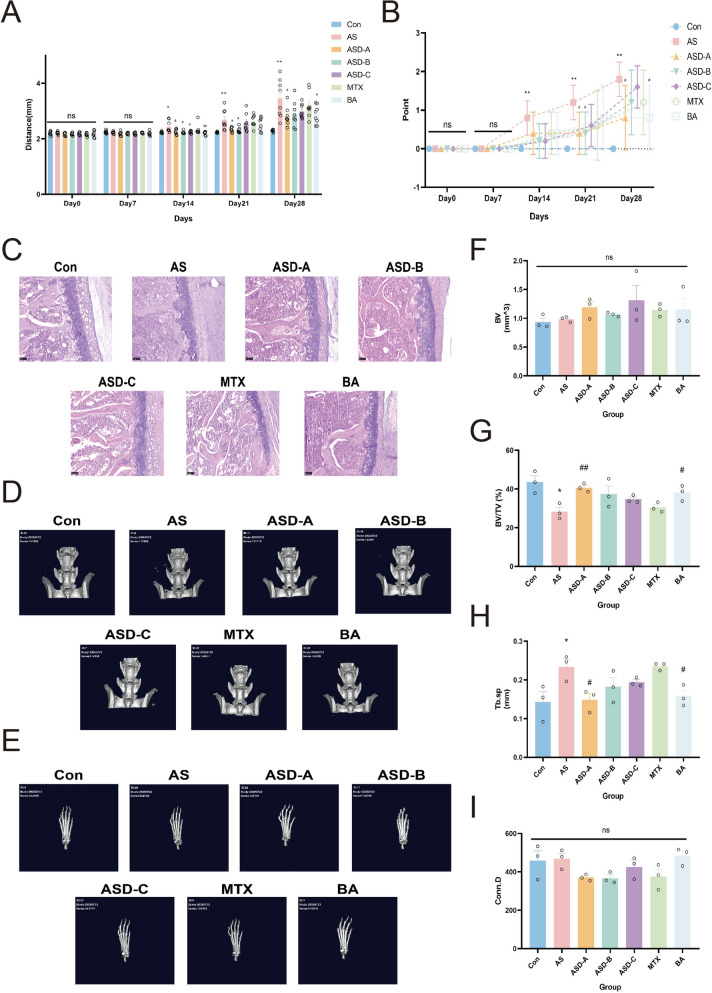 Figure 7
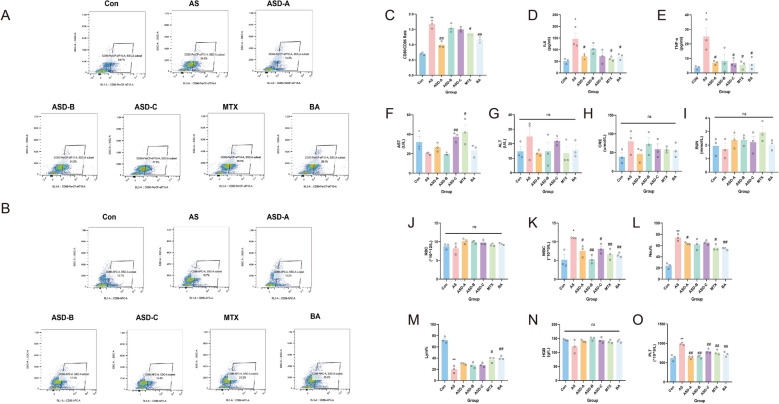 Figure 8
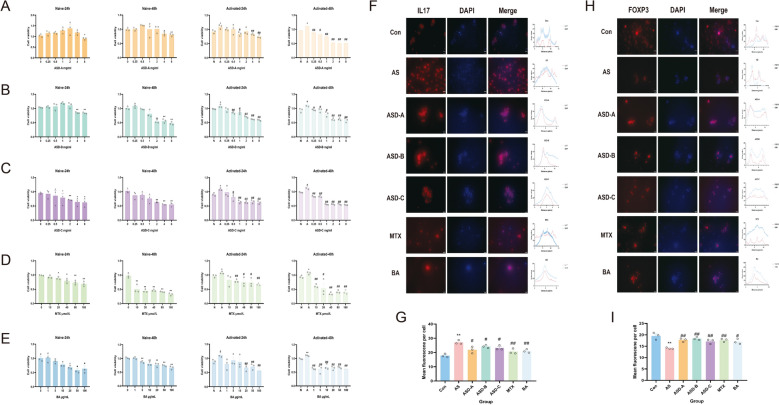 Figure 9
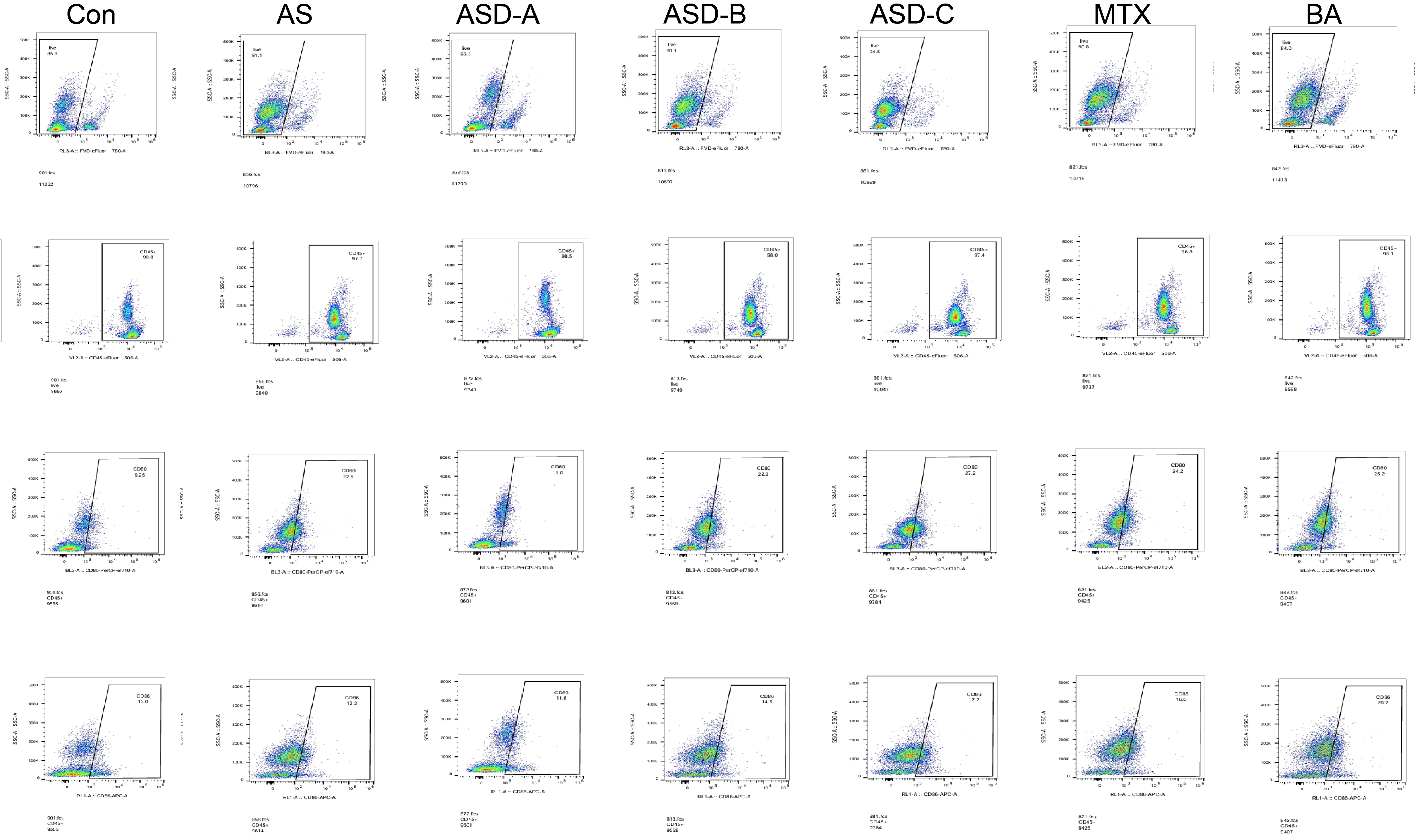 Figure 12
Peer Reviews
No public reviews on file for this paper yet. If you reviewed it on a platform where reviews are public (OpenReview, ICLR, NeurIPS, ICML), you can paste yours below so the community can read it here.
Videos
No videos yet. Explain this paper in a talk, walkthrough, or lecture? Add one.
Taxonomy
TopicsMedicinal Plant Pharmacodynamics Research · Ferroptosis and cancer prognosis · Spondyloarthritis Studies and Treatments