Cardiovascular risk and obesity in miner workers exposed to intermittent hypobaric hypoxia in the Peruvian Andes
Elizbet S. Montes-Madariaga, Brando Ortiz-Saavedra, Julio S. Mamani-Castillo, Anel Ivonne Valencia-Pacheco, Brenda Oporto-Arenas, Jose Luis Manrique-Ccopa, Jorge Ballón-Echegaray, Irmia Paz, Ricardo David Davila Ralaiza, Arturo A. Arce-Esquivel, Oscar Moreno-Loaiza

TL;DR
Workers exposed to high-altitude hypoxia in Peru show higher obesity rates but no increased cardiovascular risk compared to low-altitude workers.
Contribution
This study identifies a link between intermittent high-altitude hypoxia and obesity without adverse cardiovascular effects in miners.
Findings
CIHH-exposed workers had higher obesity prevalence (80%) compared to controls (20%).
Hematocrit levels were higher in CIHH workers, indicating mild erythropoietic adaptation.
Cardiovascular and metabolic biomarkers remained comparable between groups.
Abstract
Occupational activities such as mining and interprovincial transportation expose Peruvian workers to large altitude fluctuations, generating repeated cycles of chronic intermittent hypobaric hypoxia (CIHH). In this study, we aimed to evaluate the effect of CIHH exposure on cardiovascular risk, obesity, sleep quality, and physical activity among male workers performing rotational shifts at high altitude. A cross-sectional study was conducted with 96 male participants aged 20–60 years, who were divided into two groups: those exposed to CIHH (n = 53; ≥3,000 m, alternating with <2,500 m) and controls working permanently at low altitude (<2,500 m; n = 43). Anthropometric and body composition parameters were assessed by bioelectrical impedance, and cardiovascular risk was estimated using the Reynolds Risk Score (RRS) and Framingham Risk Score (FRS). Sleep apnea risk and physical activity…
Genes, proteins, chemicals, diseases, species, mutations and cell lines named across the full text — each resolved to its canonical identifier and authoritative record.
Click any figure to enlarge with its caption.
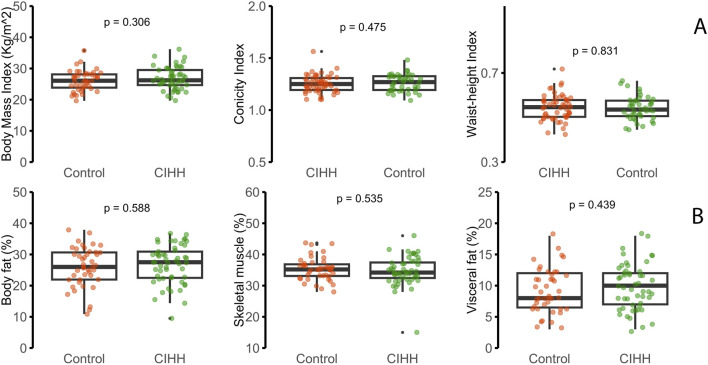 Figure 1
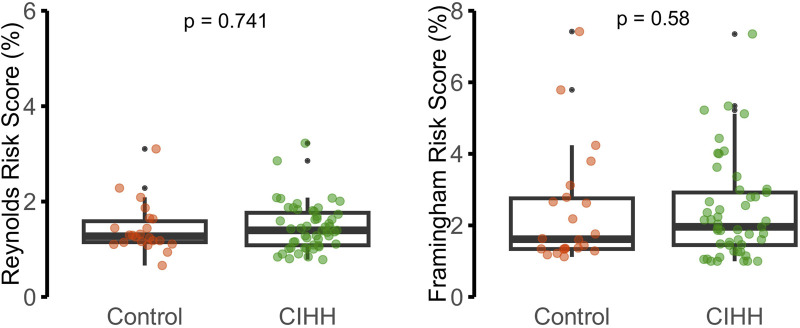 Figure 2
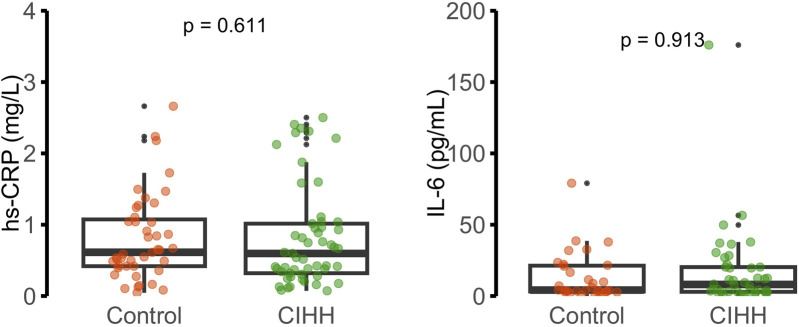 Figure 3
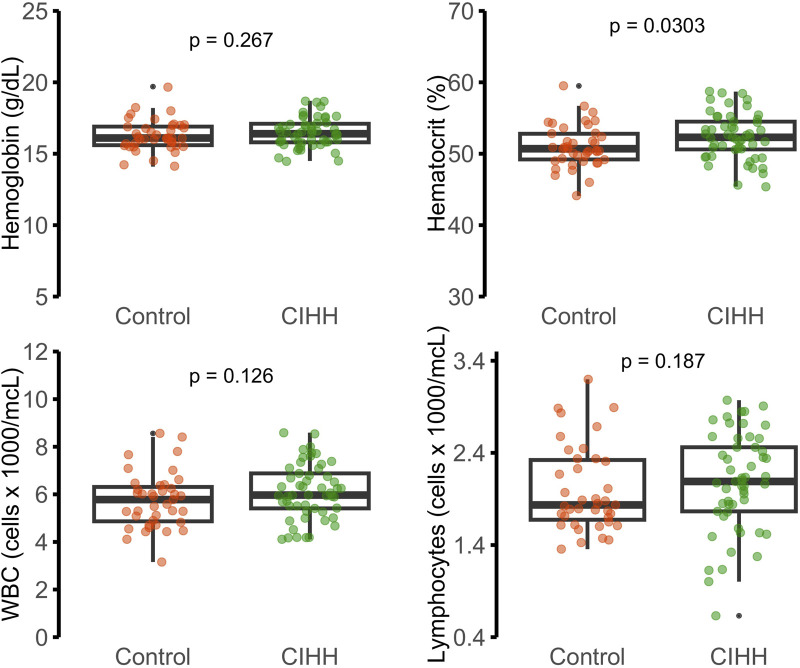 Figure 4
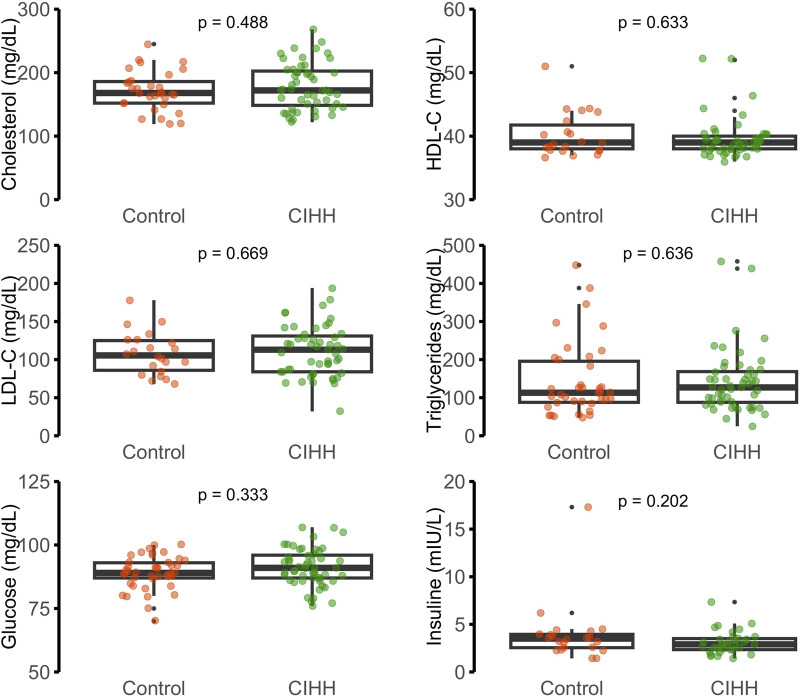 Figure 5
Peer Reviews
No public reviews on file for this paper yet. If you reviewed it on a platform where reviews are public (OpenReview, ICLR, NeurIPS, ICML), you can paste yours below so the community can read it here.
Videos
No videos yet. Explain this paper in a talk, walkthrough, or lecture? Add one.
Taxonomy
TopicsHigh Altitude and Hypoxia · Cardiovascular and Diving-Related Complications · Travel-related health issues