Innovative educational technology for visually impaired learners using a 3D-Printed foot reflexology robot
Kriengkrai Nabudda, Kanokpit Nabudda, Nustha Kitprathaung, Suwilai Phumpho, Pongthep Poungthong, Arus Kongrungchok

TL;DR
This paper introduces a 3D-printed foot reflexology robot designed to help visually impaired learners through tactile and audio-based education.
Contribution
The novel contribution is a user-centered, multisensory assistive educational robot for reflexology training tailored to visually impaired individuals.
Findings
The robot effectively supports hands-on engagement and multisensory learning for visually impaired users.
Evaluation with 29 participants confirmed high satisfaction in safety, practicality, and educational usability.
The framework offers a replicable approach for creating inclusive assistive educational technologies.
Abstract
This study presents the design, development, and validation of a foot reflexology teaching robot that integrates multidisciplinary design, rapid prototyping, and user-centred assistive educational strategies to support tactile learning for visually impaired individuals. A digital foot model, derived from anthropometric data of an average Thai female, was refined to achieve a balance between anatomical accuracy and manufacturability. The structural design featured modular internal compartments, precision openings, and detachable covers to support maintenance without compromising anatomical realism. Fabrication using PLA-based fused deposition modelling (FDM) produced a lightweight, durable, and cost-effective prototype incorporating interactive tactile sensing and modular electrical components. A Raspberry Pi platform programmed in Python enabled audio-based instructional feedback…
Genes, proteins, chemicals, diseases, species, mutations and cell lines named across the full text — each resolved to its canonical identifier and authoritative record.
Click any figure to enlarge with its caption.
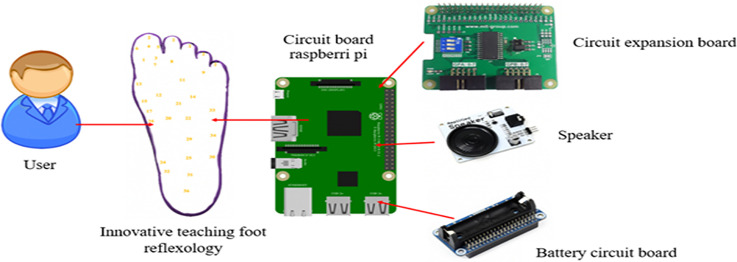 Figure 1
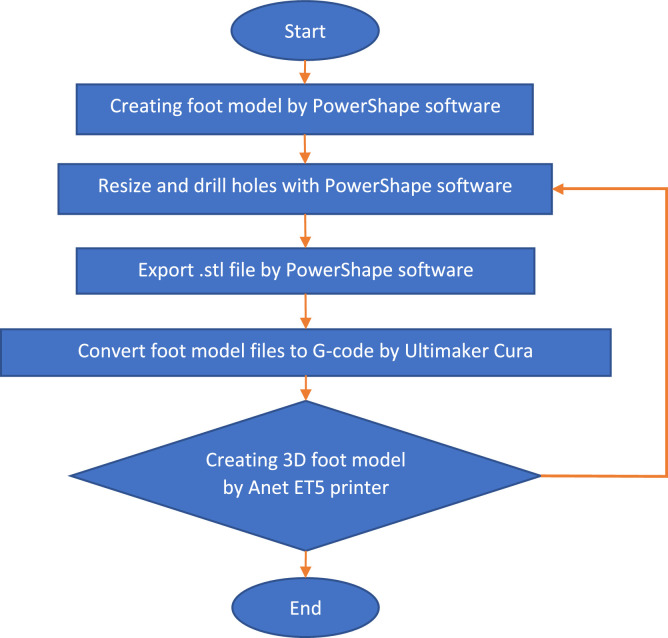 Figure 2
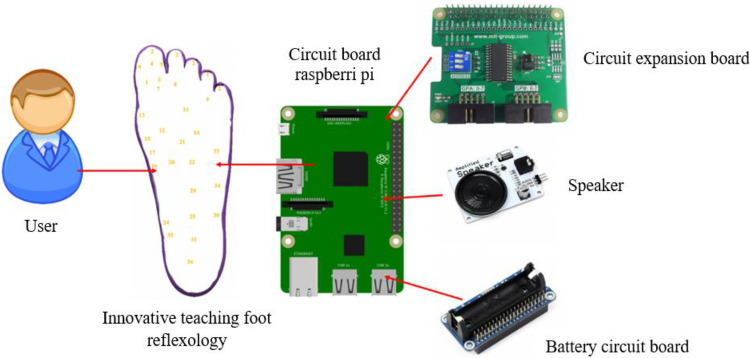 Figure 3
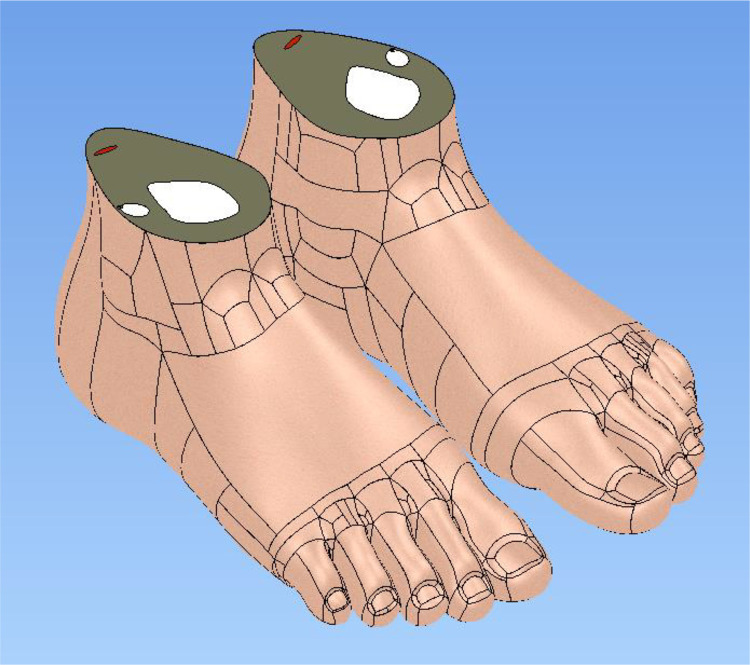 Figure 4
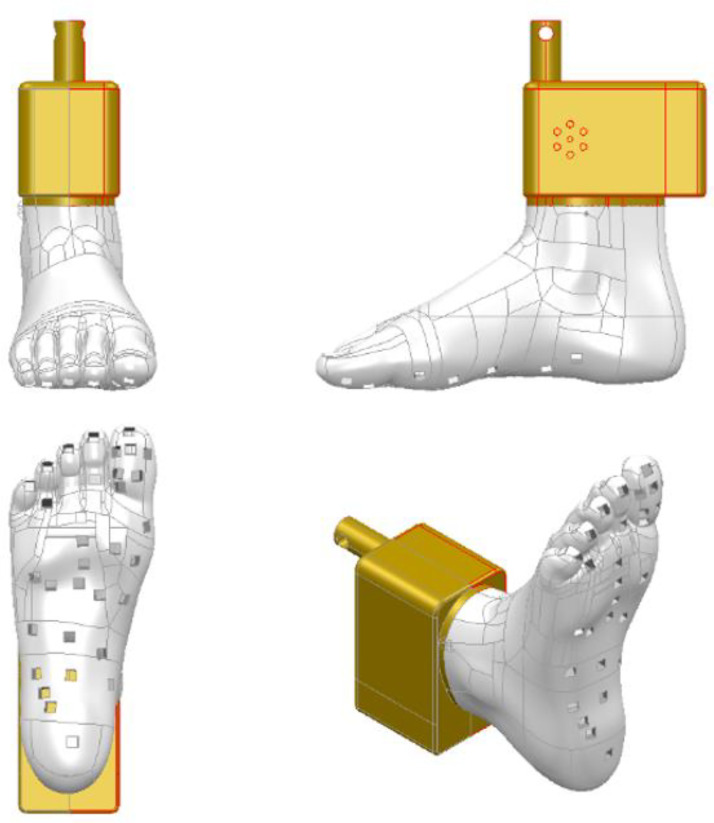 Figure 5
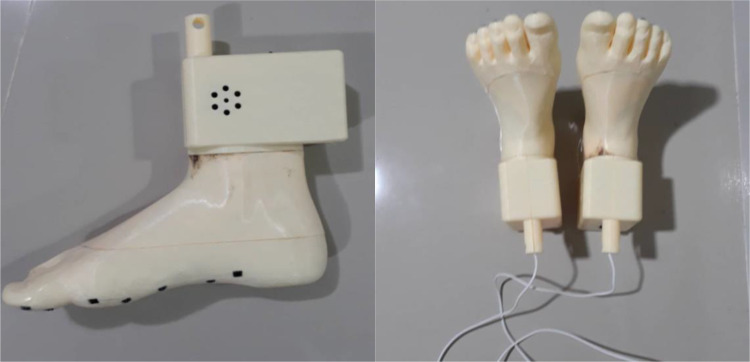 Figure 6
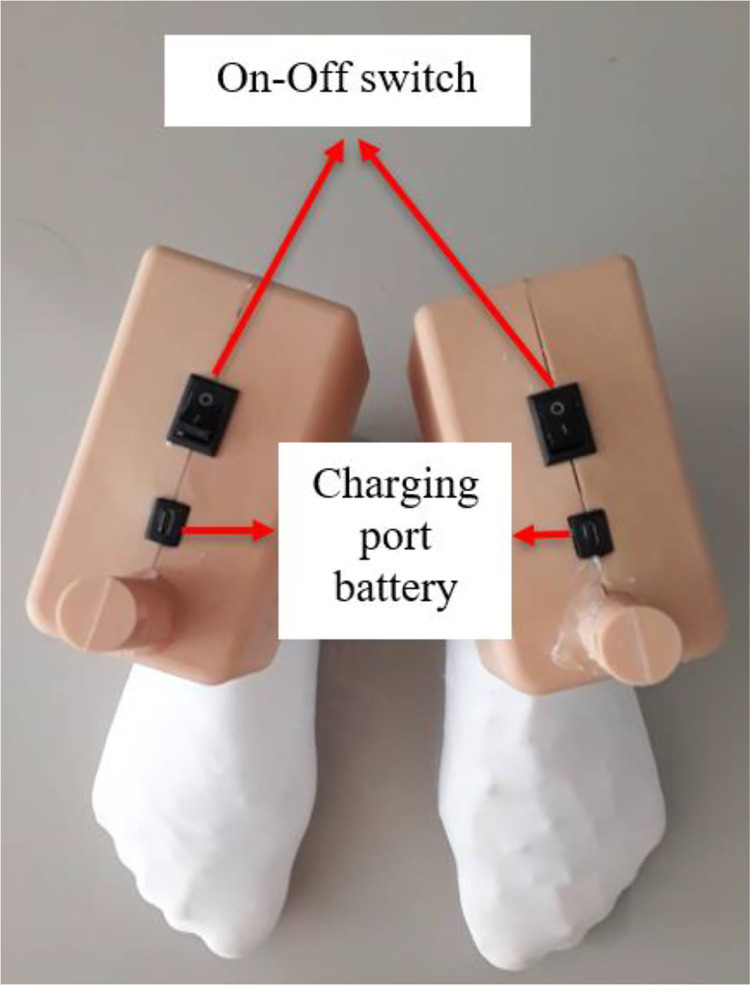 Figure 7
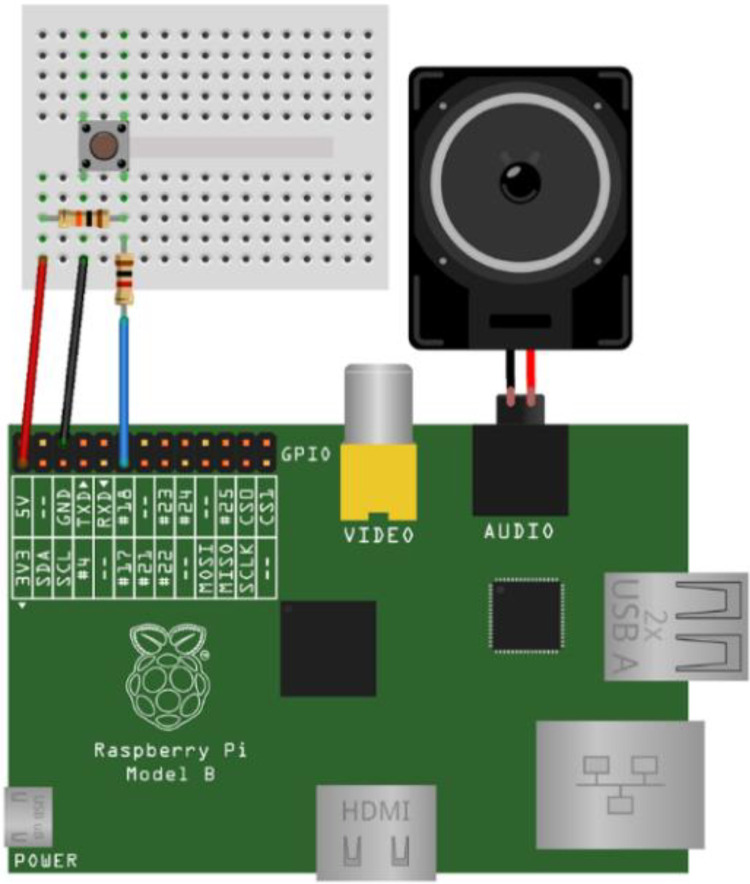 Figure 8
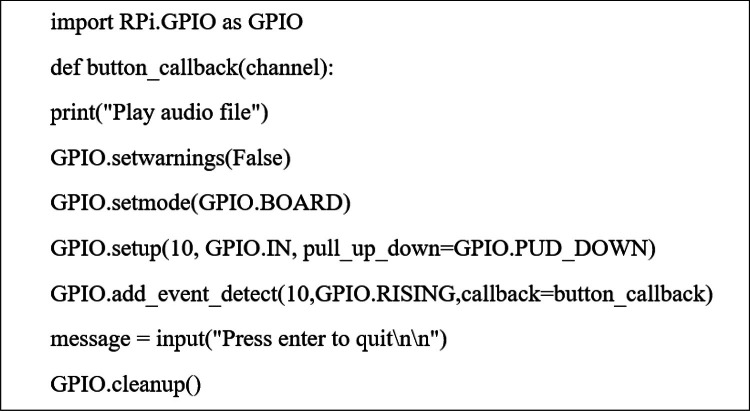 Figure 9
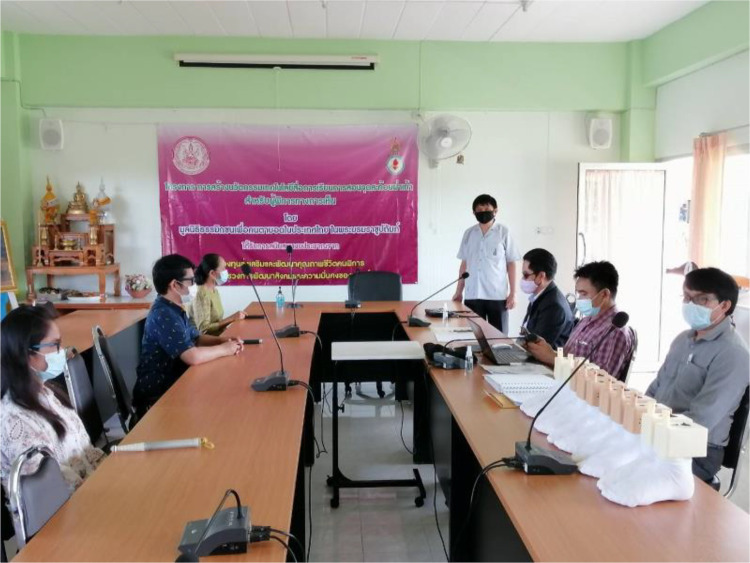 Figure 10
Peer Reviews
No public reviews on file for this paper yet. If you reviewed it on a platform where reviews are public (OpenReview, ICLR, NeurIPS, ICML), you can paste yours below so the community can read it here.
Videos
No videos yet. Explain this paper in a talk, walkthrough, or lecture? Add one.
Taxonomy
TopicsTactile and Sensory Interactions · Prosthetics and Rehabilitation Robotics · Gaze Tracking and Assistive Technology