Mathematical modeling for analyzing mass drug administration operational factors for efficient malaria incidence reduction in southern Senegal
Khady Ndiaye, El Hadji S. Diop, Hannah C. Slater, Mor A. Loum, Jean-L.A. Ndiaye, Ibrahima Diallo, Medoune NDiop, Standeur N. Kaly

TL;DR
This paper uses a mathematical model to determine the best ways to run malaria drug campaigns in Senegal to reduce malaria cases effectively.
Contribution
A novel mathematical model using impulsive differential equations to analyze MDA operational factors in a Senegalese context.
Findings
High MDA coverage, multiple rounds, and five to six weeks between rounds improve campaign effectiveness.
Starting MDA in mid-to-late July and optimizing intervals maximizes impact during high transmission periods.
Operational factors like coverage and timing are highly correlated and must be optimized together.
Abstract
Mass drug administration (MDA) has emerged as a promising strategy for reducing malaria incidence in many African countries. A pilot study of MDA in the Tambacounda health district in southeastern Senegal had a significant impact on reducing the malaria burden. This led the Senegalese National Malaria Control Program (NMCP) to consider scaling up MDA to the district level. However, the infrequent use of MDA has resulted in limited knowledge of its use in the specific context of Senegal. In this work, we propose a mathematical model based on impulsive differential equations that integrates asymptomatic carriers to analyze the impact of MDA on malaria incidence in the region. To this end, we explore four different scenarios of MDA operational factors: 1) the number of MDA rounds, 2) the time interval between rounds, 3) the campaign coverage, and 4) the campaign start date. We find that…
Genes, proteins, chemicals, diseases, species, mutations and cell lines named across the full text — each resolved to its canonical identifier and authoritative record.
Click any figure to enlarge with its caption.
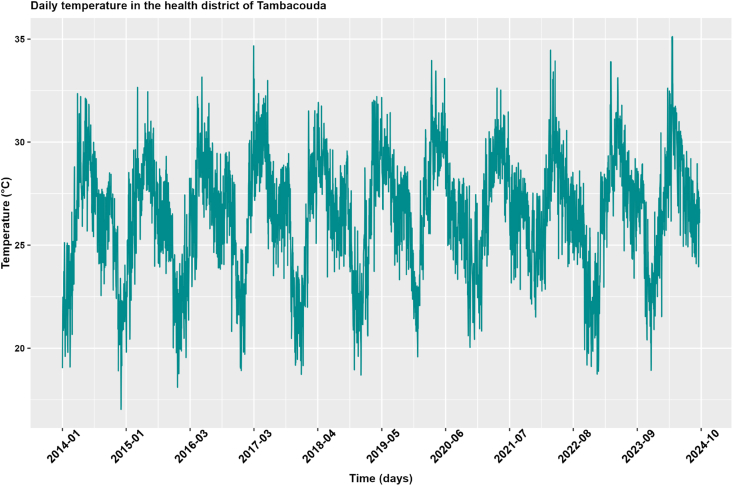 Figure 1
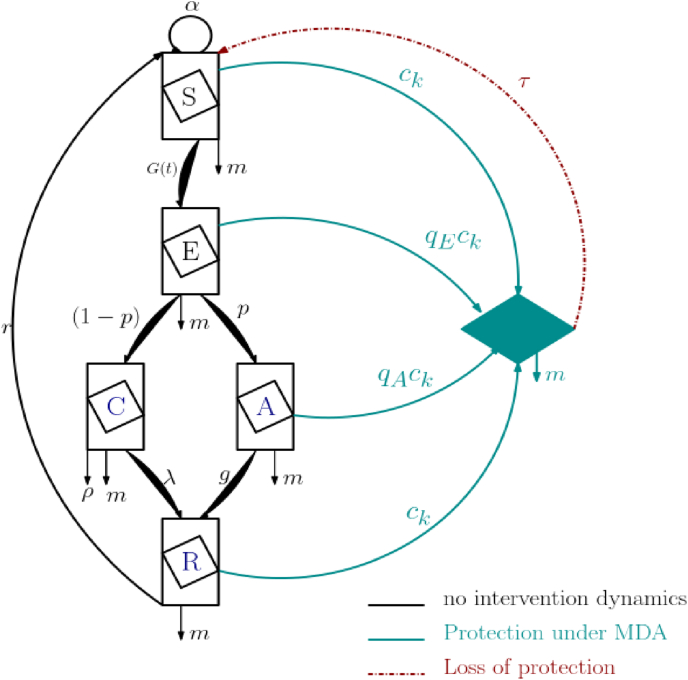 Figure 2
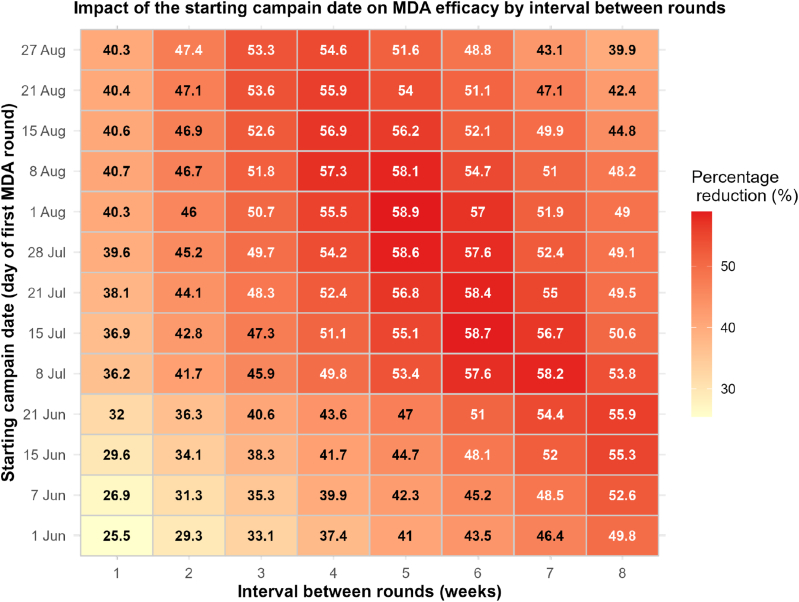 Figure 3
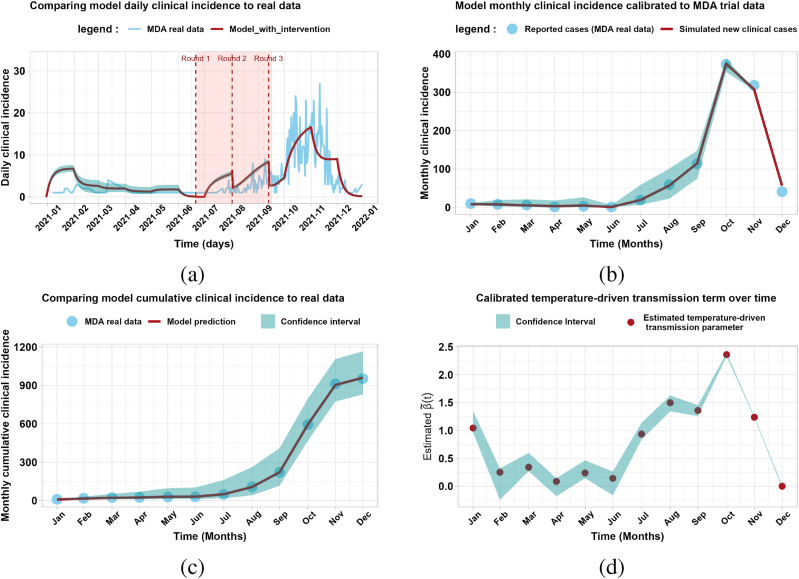 Figure 4
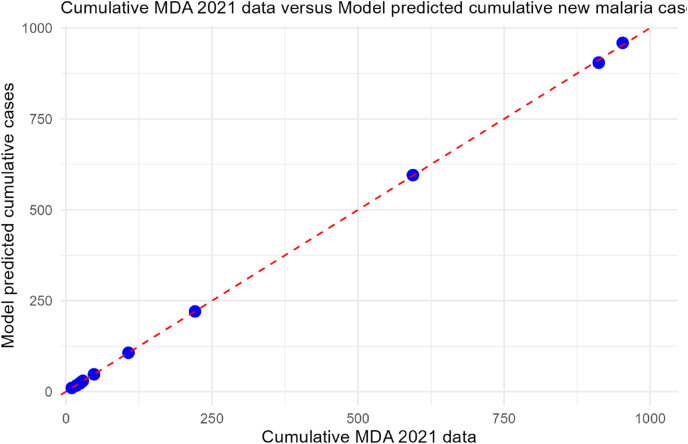 Figure 5
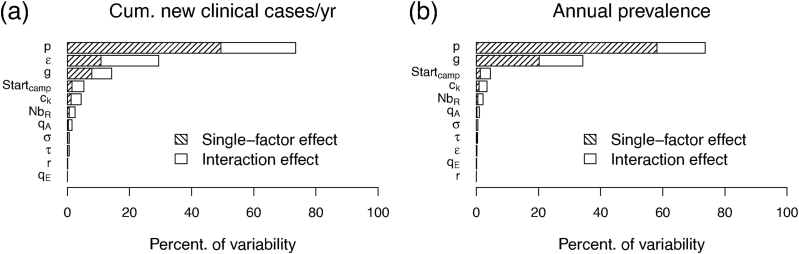 Figure 6
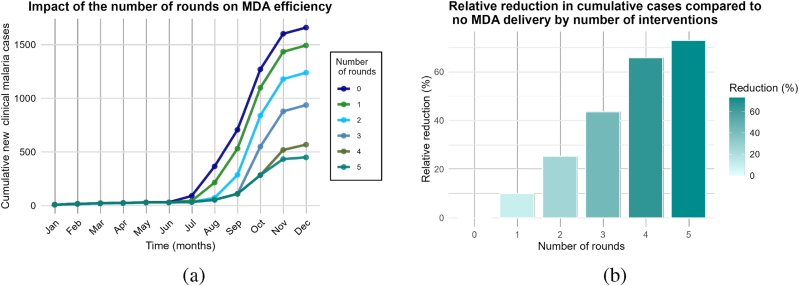 Figure 7
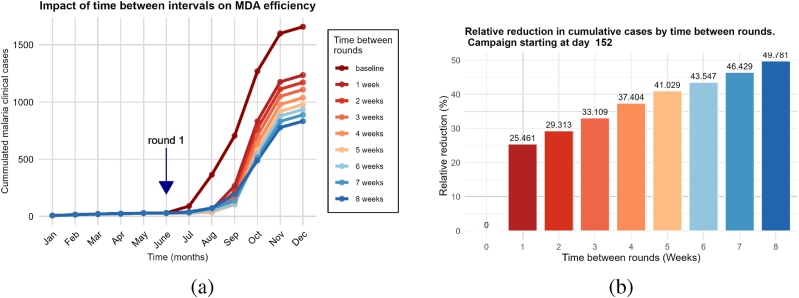 Figure 8
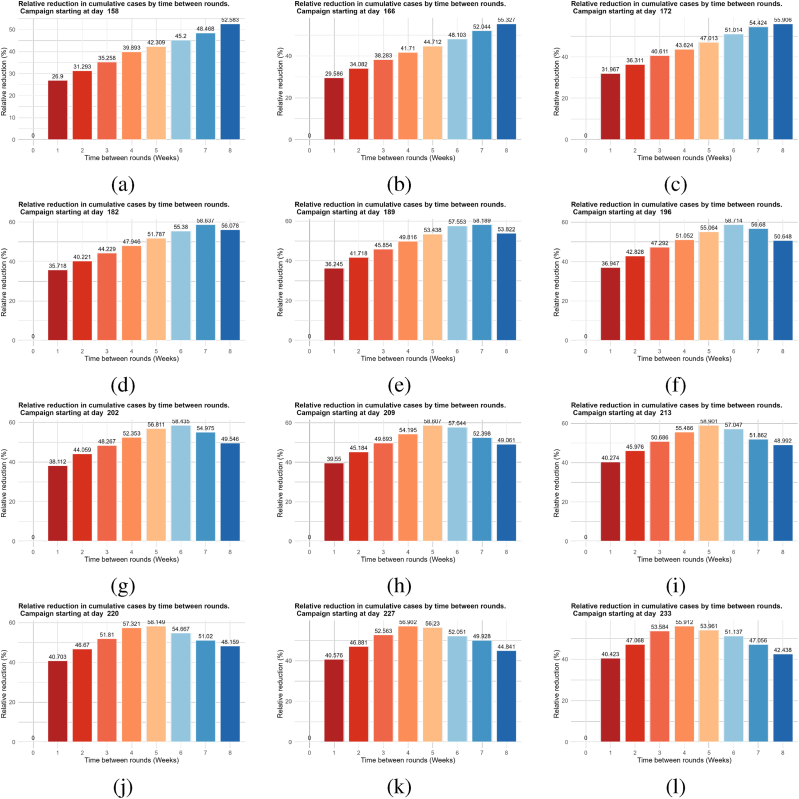 Figure 9
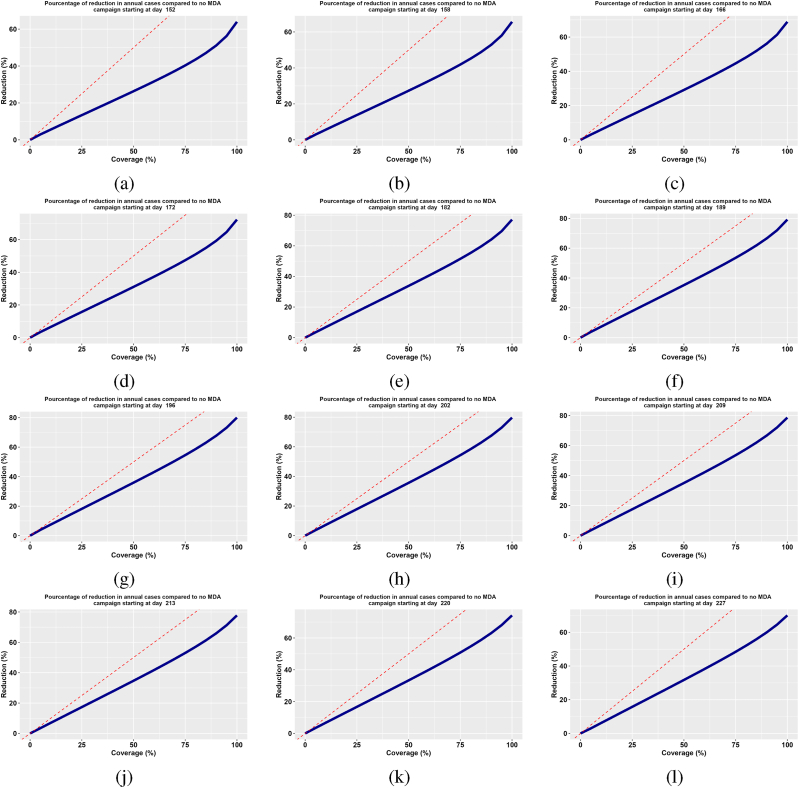 Figure 10
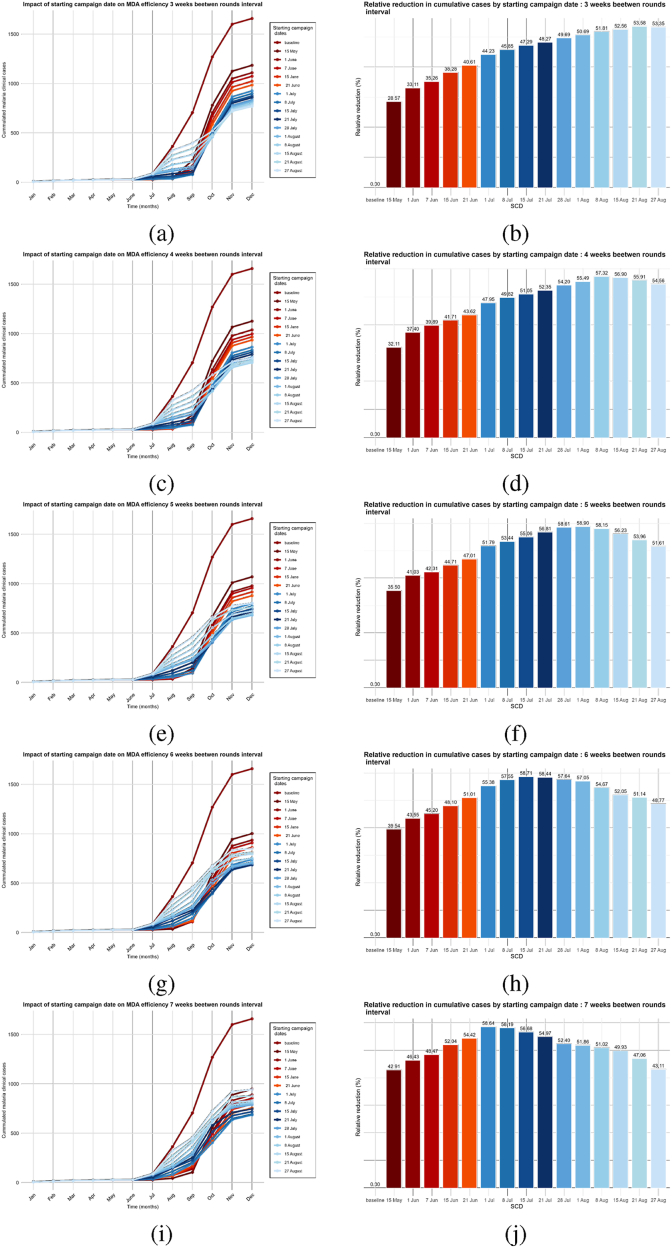 Figure 11
Peer Reviews
No public reviews on file for this paper yet. If you reviewed it on a platform where reviews are public (OpenReview, ICLR, NeurIPS, ICML), you can paste yours below so the community can read it here.
Videos
No videos yet. Explain this paper in a talk, walkthrough, or lecture? Add one.
Taxonomy
TopicsMalaria Research and Control · Cancer and biochemical research · Vibrio bacteria research studies