Sialic acids modulate immune responses in cancer: Therapeutic opportunities
Eleanor E. Bashian, James C. Paulson, Peng Wu

TL;DR
This paper explores how sialic acids on cancer cells suppress the immune system and suggests targeting them could improve cancer treatments.
Contribution
The paper reviews the role of sialic acids in immune evasion and proposes targeting them as a novel therapeutic strategy.
Findings
Sialic acids on tumor cells contribute to immune evasion through hypersialylation.
Targeting sialic acids or their binding proteins may enhance antitumor immunity.
This approach could overcome resistance in current immunotherapies.
Abstract
The development of therapies that boost antitumor immunity has transformed cancer treatment. While the efficacy of traditional therapies, such as chemotherapy and radiation therapy, is limited by toxicity and resistance, forms of immunotherapy, including immune checkpoint blockade therapies and engineered cellular therapies, have shown unprecedented success for certain patient populations. Despite these advances, therapeutic resistance remains a significant barrier, and alternative therapies are needed to overcome immune evasion mechanisms. One prominent evasive mechanism utilized by tumor cells is hypersialylation, the overexpression of glycans capped with sialic acid on the cell surface. This review focuses on the immunosuppressive role of sialic acid in cancer and highlights opportunities to target sialic acid and its binding proteins, offering a promising therapeutic perspective to…
Genes, proteins, chemicals, diseases, species, mutations and cell lines named across the full text — each resolved to its canonical identifier and authoritative record.
Click any figure to enlarge with its caption.
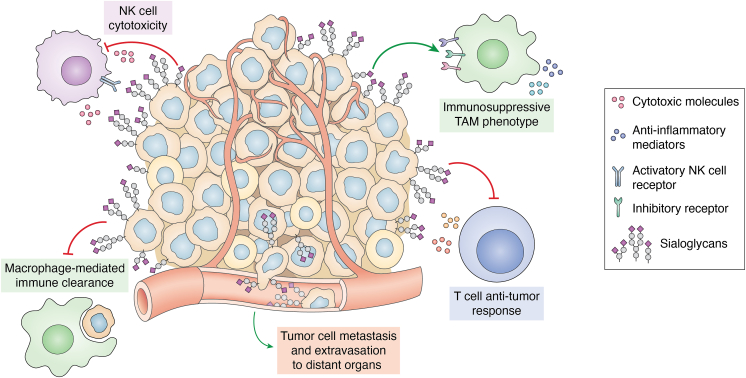 Figure 1
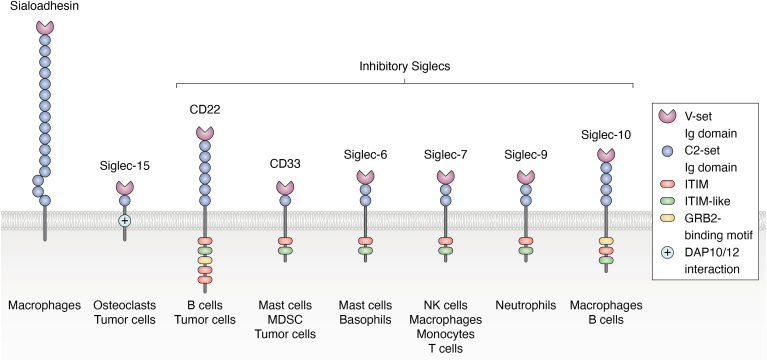 Figure 2
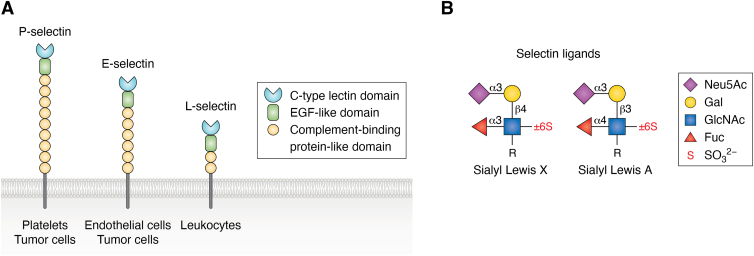 Figure 3
Peer Reviews
No public reviews on file for this paper yet. If you reviewed it on a platform where reviews are public (OpenReview, ICLR, NeurIPS, ICML), you can paste yours below so the community can read it here.
Videos
No videos yet. Explain this paper in a talk, walkthrough, or lecture? Add one.
Taxonomy
TopicsGlycosylation and Glycoproteins Research · Immunotherapy and Immune Responses · Cancer Research and Treatments