Altered benzo[a]pyrene adduct formation in nucleosomes establishes distinct mutational patterns in lung cancer
Benjamin Morledge-Hampton, Markus Lindberg, Erik Larsson, John J. Wyrick

TL;DR
This study shows how DNA damage from a tobacco carcinogen leads to specific mutation patterns in lung cancer by interacting with chromatin structure.
Contribution
The study reveals how nucleosome positioning and DNA-bound proteins modulate BPDE adduct formation, explaining mutation patterns in lung cancer.
Findings
BPDE adduct formation is suppressed in nucleosomes and enriched in adjacent linker DNA.
BPDE damage is elevated at minor-out rotational settings in nucleosomes due to increased solvent accessibility of DNA bases.
BPDE damage formation correlates with mutation patterns in lung cancers at specific chromatin sites.
Abstract
Benzo[a]pyrene is a carcinogen in tobacco smoke that, when metabolized to benzo[a]pyrene diol epoxide (BPDE), induces mutagenic DNA lesions that promote the development of lung cancer. In lung cells, BPDE damages DNA packaged in nucleosomes, but the impact of nucleosomes on BPDE adduct formation is unclear. Here, we analyze genome-wide maps of BPDE adduct formation and repair in human cells. Our analysis indicates that BPDE adduct formation is suppressed in nucleosomes and enriched in adjacent linker DNA. Within nucleosomes, BPDE adduct formation is specifically elevated at minor-out rotational settings, where the minor groove of the DNA faces outward from the histone octamer. Structural analysis indicates that the solvent accessibility of the reactive exocyclic N2 amino group in guanine bases is elevated at minor-out rotational settings, potentially accounting for elevated BPDE damage…
Genes, proteins, chemicals, diseases, species, mutations and cell lines named across the full text — each resolved to its canonical identifier and authoritative record.
Click any figure to enlarge with its caption.
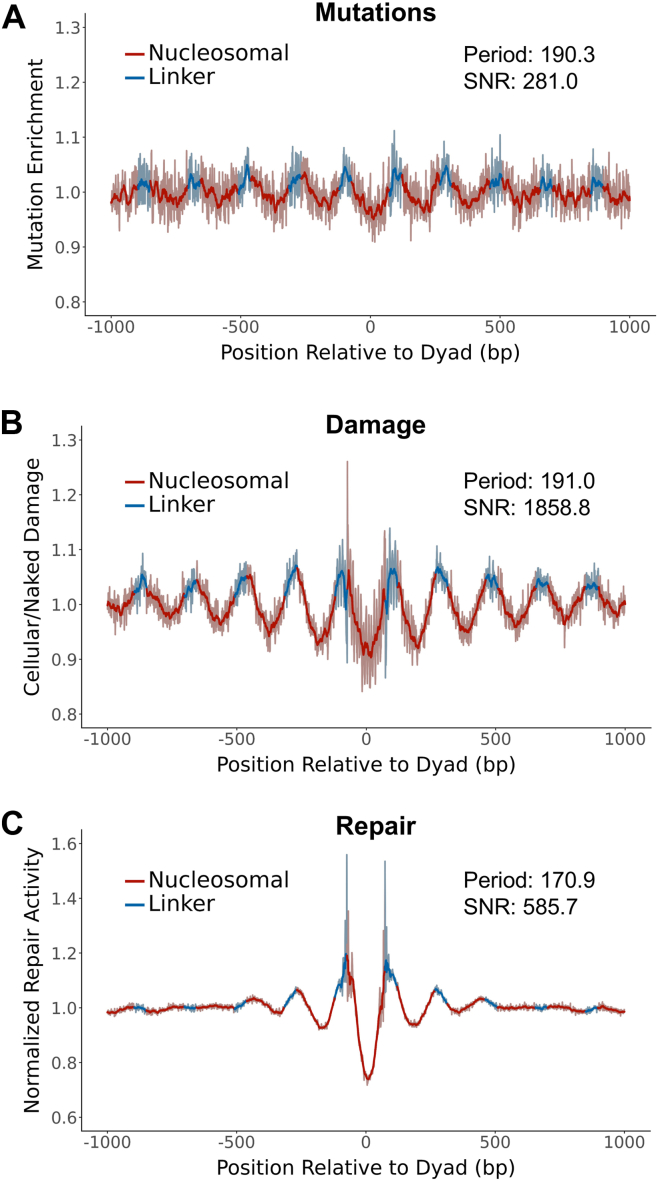 Figure 1
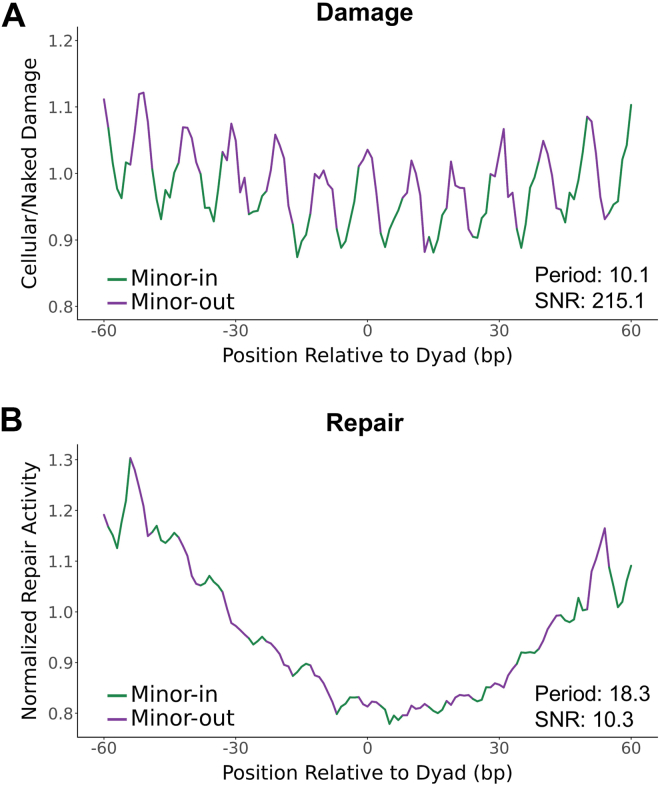 Figure 2
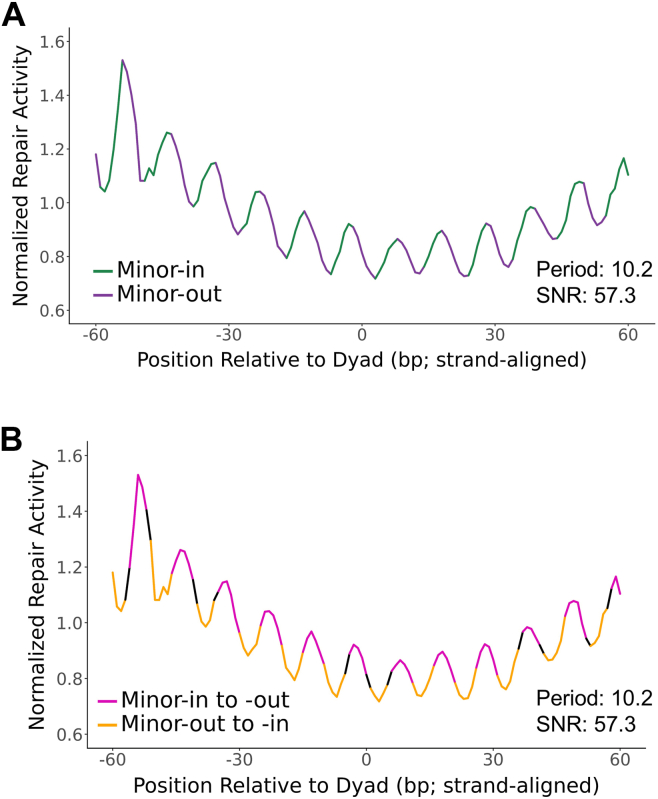 Figure 3
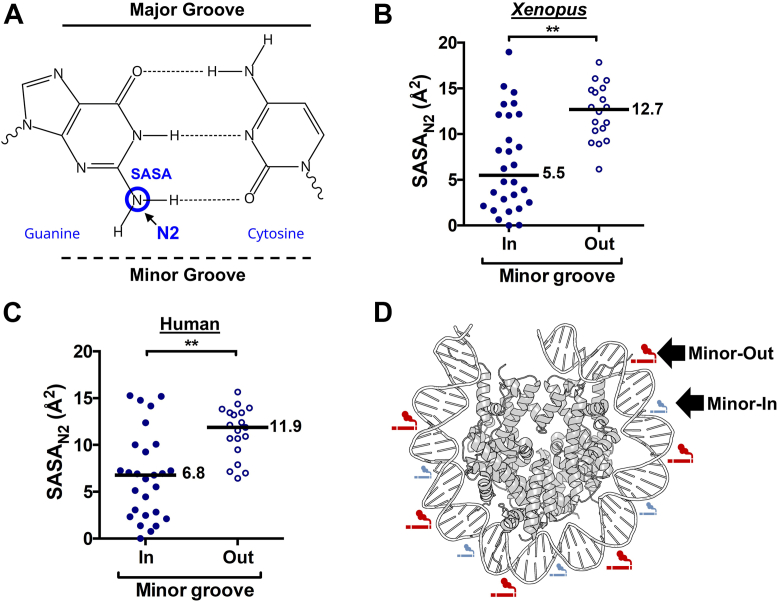 Figure 4
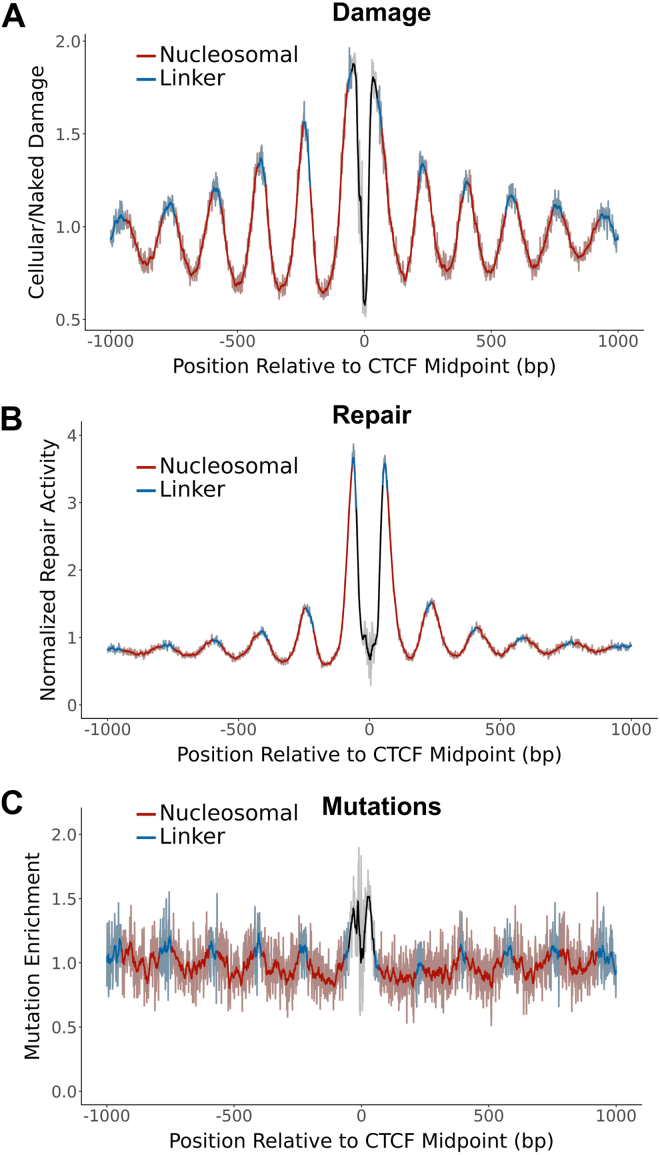 Figure 5
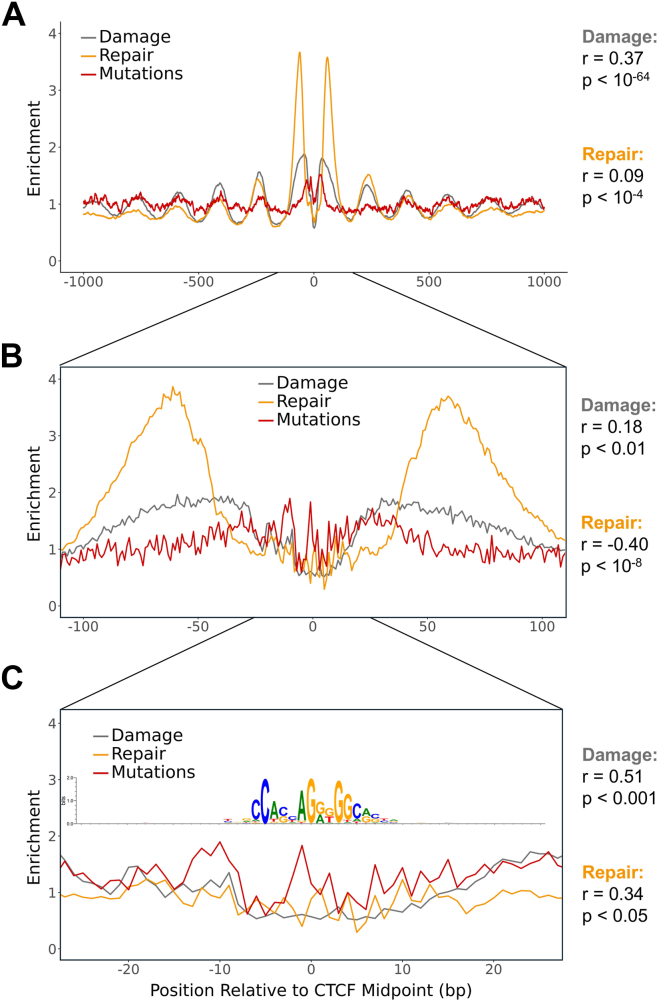 Figure 6
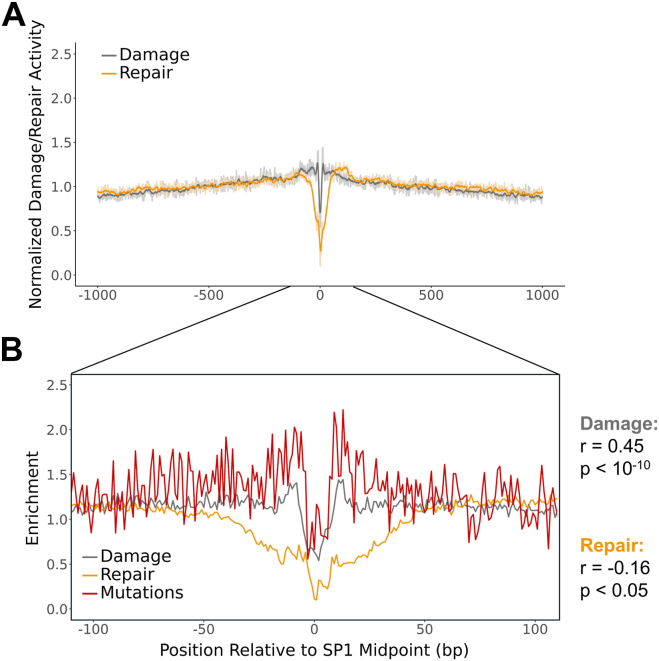 Figure 7
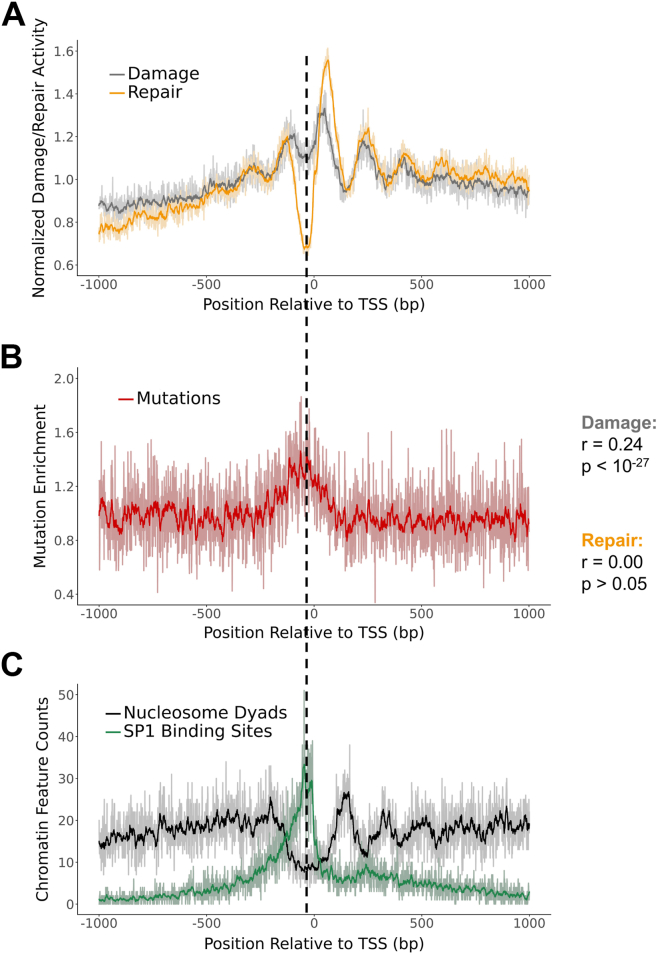 Figure 8
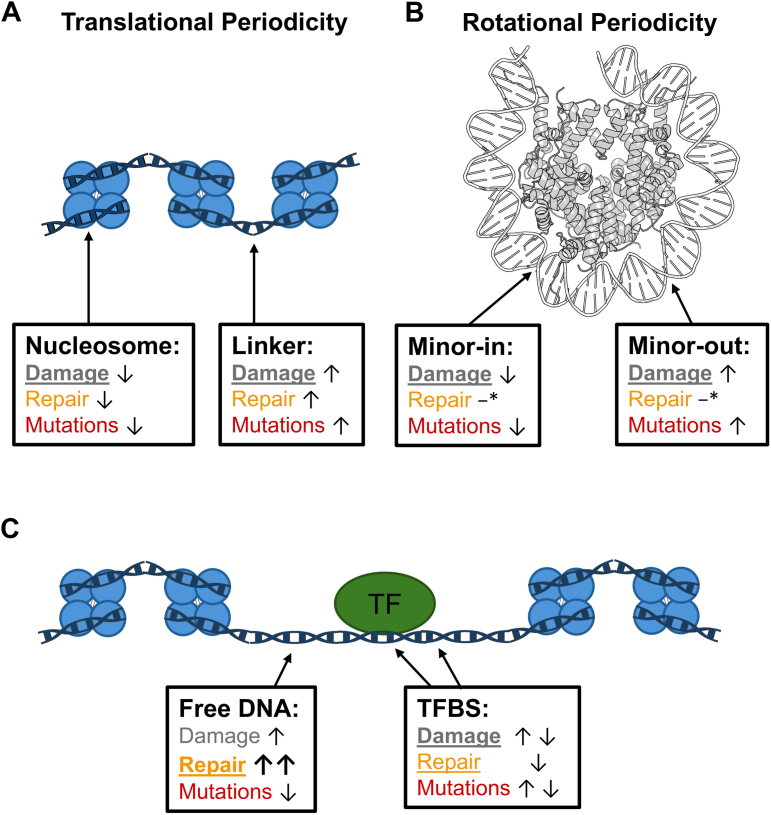 Figure 9
Peer Reviews
No public reviews on file for this paper yet. If you reviewed it on a platform where reviews are public (OpenReview, ICLR, NeurIPS, ICML), you can paste yours below so the community can read it here.
Videos
No videos yet. Explain this paper in a talk, walkthrough, or lecture? Add one.
Taxonomy
TopicsDNA Repair Mechanisms · Carcinogens and Genotoxicity Assessment · Epigenetics and DNA Methylation