Precision Proteolysis of Triosephosphate Isomerase of Escherichia coli Boosts Dihydroxyacetone Phosphate Biosynthesis
Belén Calles, Daniel C. Volke, Max Chavarría, Pablo I. Nikel, Víctor de Lorenzo

TL;DR
Scientists engineered a way to temporarily disable an enzyme in E. coli to boost the production of a valuable metabolic intermediate.
Contribution
A protease-based system was developed to transiently inactivate TpiA, enabling controlled DHAP biosynthesis.
Findings
Conditional degradation of TpiA using PPV-NIa protease significantly increased DHAP levels.
The engineered system minimally disrupted other metabolic intermediates.
This approach offers a strategy for transient enzyme inactivation in metabolic engineering.
Abstract
Dihydroxyacetone phosphate (DHAP), a key metabolic intermediate of the Embden–Meyerhof–Parnas pathway of Escherichia coli, has a considerable value as a precursor of high-added-value compounds. While eliminating the triosephosphate isomerase (tpiA) gene should theoretically channel 50% of the glycolytic flux into dead-end production of DHAP, the permanent loss of this activity triggers alternative routes that decrease (rather than increase) DHAP levels. To address this limitation and establish transient regimes of high DHAP biosynthesis, we harnessed the unusual structural tolerance of TpiA for designing a variant of the enzyme that can be rapidly degraded, thus temporarily adopting a null phenotype. This was achieved through conditional expression of the highly specific viral protease PPV-NIa, which cleaves a cognate recognition sequence strategically engineered into an exposed,…
Genes, proteins, chemicals, diseases, species, mutations and cell lines named across the full text — each resolved to its canonical identifier and authoritative record.
Click any figure to enlarge with its caption.
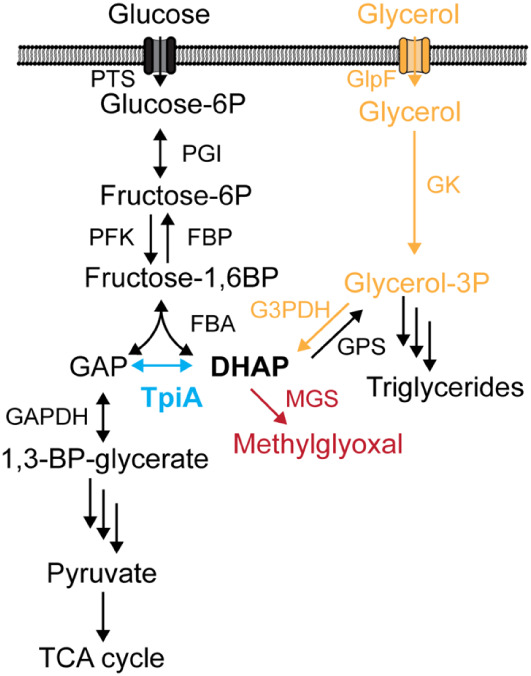 Figure 1
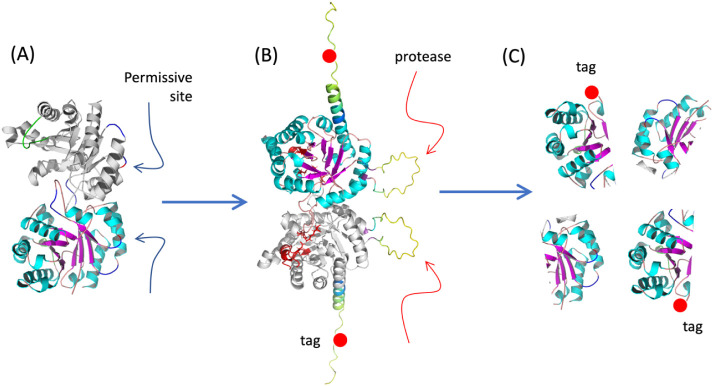 Figure 2
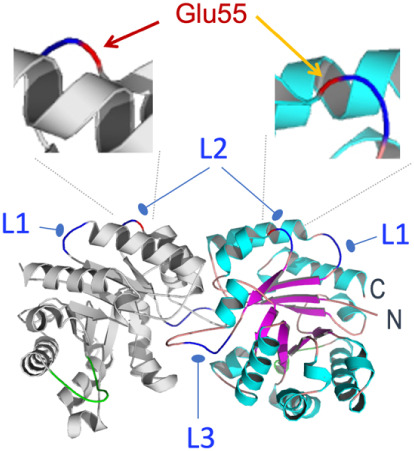 Figure 3
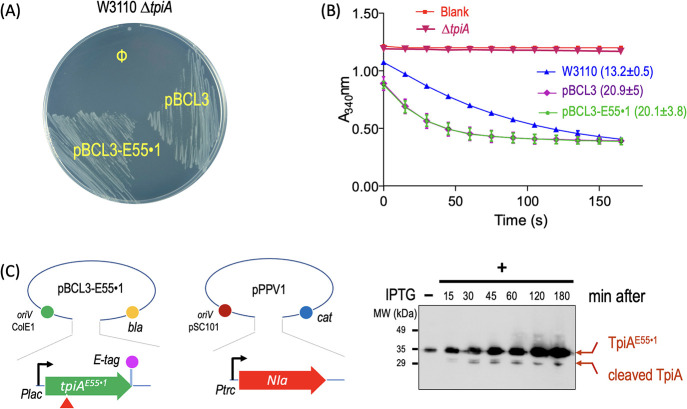 Figure 4
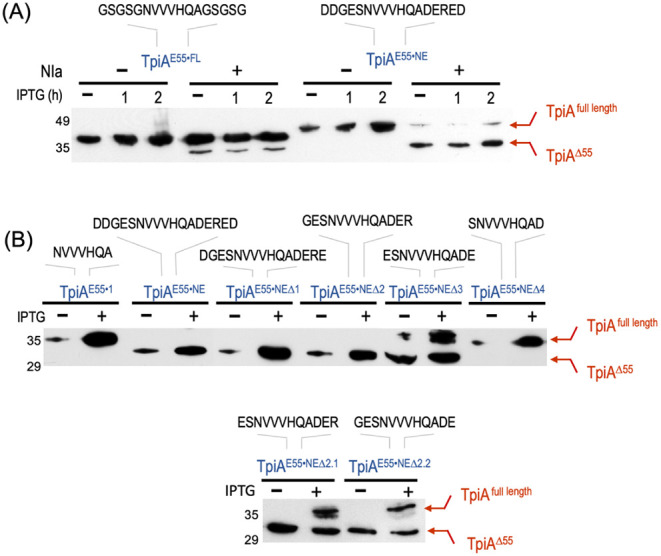 Figure 5
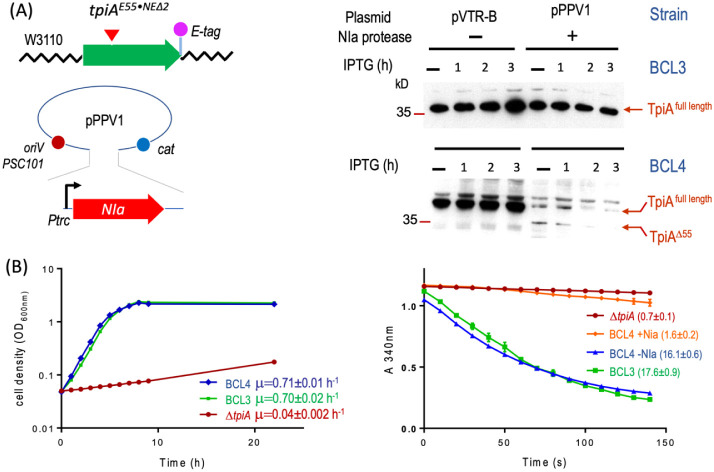 Figure 6
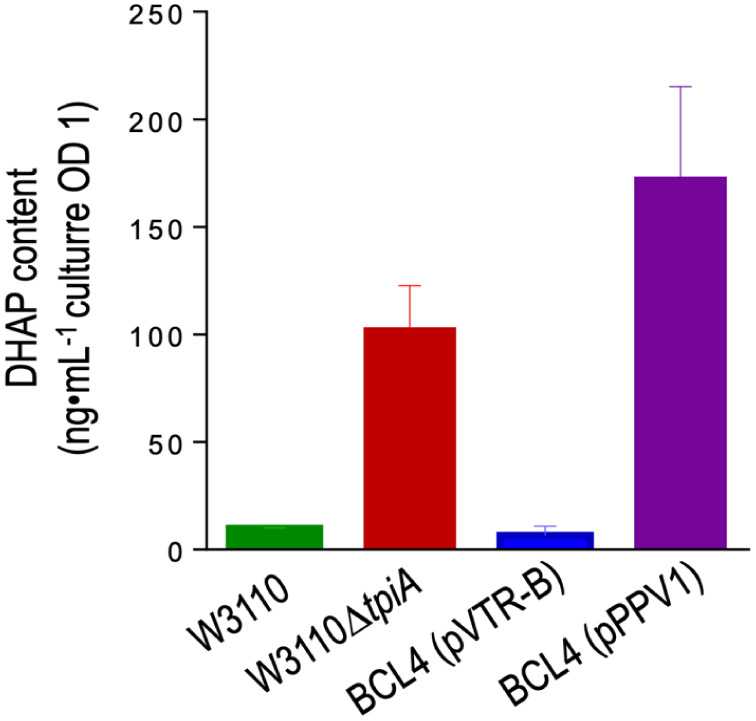 Figure 7
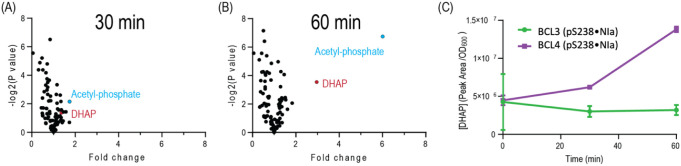 Figure 8
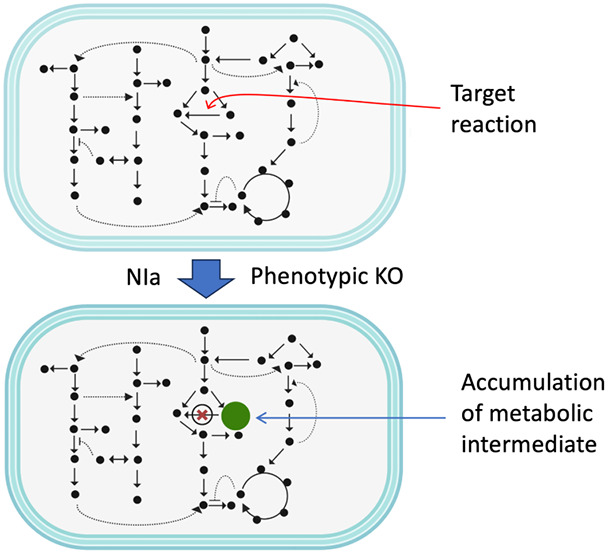 Figure 9
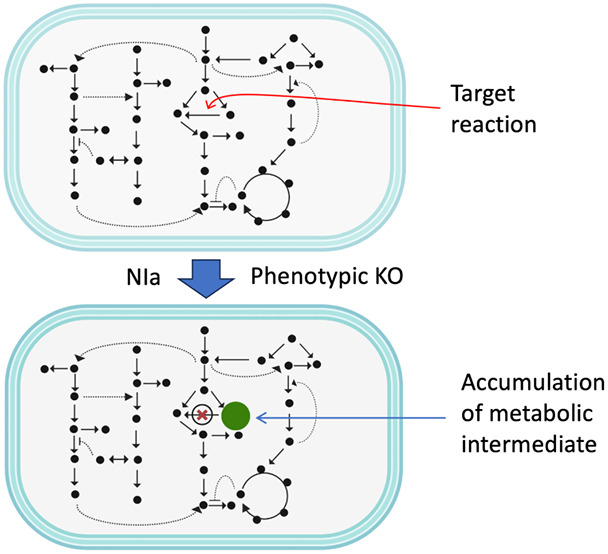 Figure 10
Peer Reviews
No public reviews on file for this paper yet. If you reviewed it on a platform where reviews are public (OpenReview, ICLR, NeurIPS, ICML), you can paste yours below so the community can read it here.
Videos
No videos yet. Explain this paper in a talk, walkthrough, or lecture? Add one.
Taxonomy
TopicsEnzyme Structure and Function · Biochemical Acid Research Studies · Erythrocyte Function and Pathophysiology