Impact of Reducing Agents on Protein Synthesis in a Reconstituted Cell-Free Protein Synthesis System
Tomoe Fuse-Murakami, Shohei Terazawa, Riddhi Gondhalekar, Shohei Ito, Seiichi Miyawaki, Yusuke Mizukami, Willian P. Salgado, Zening Yang, Kosuke Fujishima, Takashi Kanamori

TL;DR
This study explores how reducing agents affect protein synthesis in a lab-based system and offers a method to maintain stable conditions for better protein quality.
Contribution
A method to maintain reducing conditions in cell-free protein synthesis, improving protein quality and consistency.
Findings
Dithiothreitol's reducing activity decreases over time due to dissolved oxygen and metal ions.
Disulfide bonds form in synthesized proteins when reducing agents lose activity.
A new method was developed to maintain consistent reducing conditions during reactions.
Abstract
Maintaining proper redox conditions is essential for protein stability and function. In cell-free protein synthesis, reducing agents, such as dithiothreitol and reduced glutathione, are commonly added to mimic the cytosolic environment and prevent unwanted oxidation. The PURE system, which is a fully reconstituted protein synthesis system, also contains reducing agents. Here, we systematically examined how reducing agents affect the protein synthesis in the PURE system. We found that the reducing activity of dithiothreitol decreased during prolonged reactions, leading to the formation of disulfide bonds in synthesized proteins. Dissolved oxygen and contaminating metal ions were identified as major factors causing this loss of activity. Based on these findings, we developed a method to maintain reducing conditions throughout the reaction, ensuring consistent protein quality. Our results…
Genes, proteins, chemicals, diseases, species, mutations and cell lines named across the full text — each resolved to its canonical identifier and authoritative record.
Click any figure to enlarge with its caption.
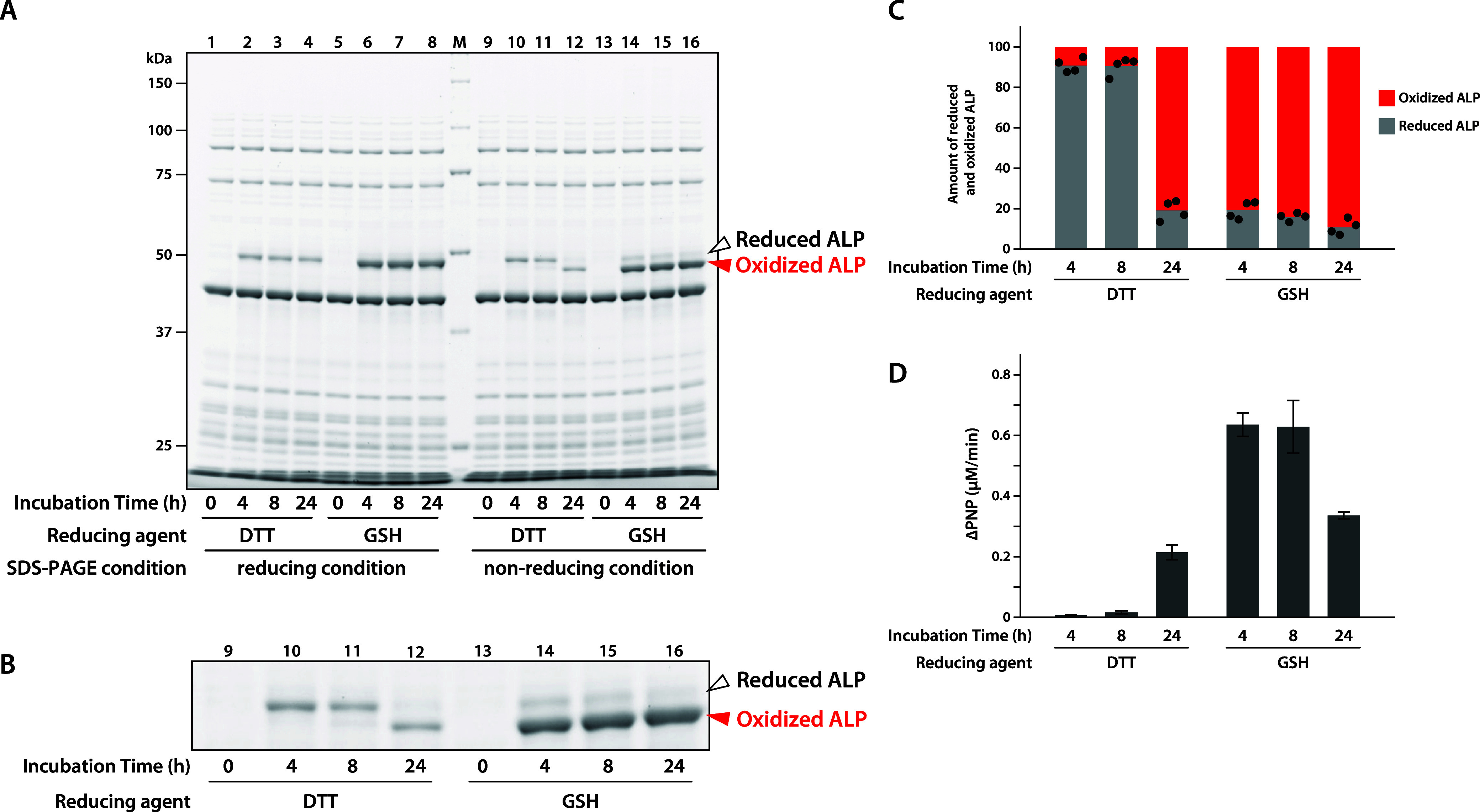 Figure 1
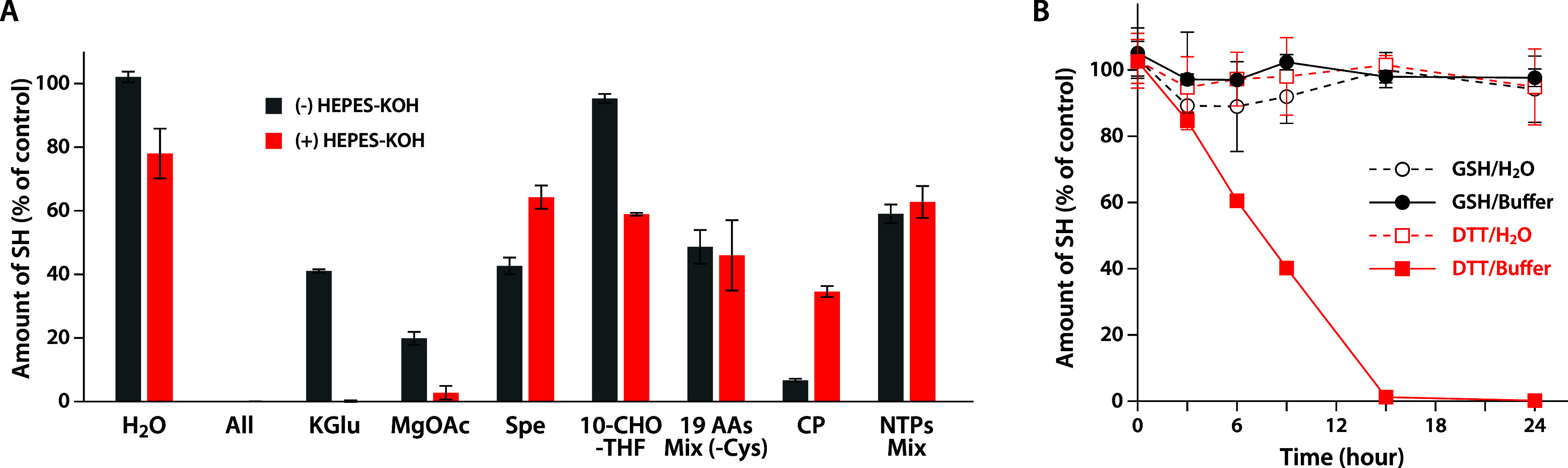 Figure 2
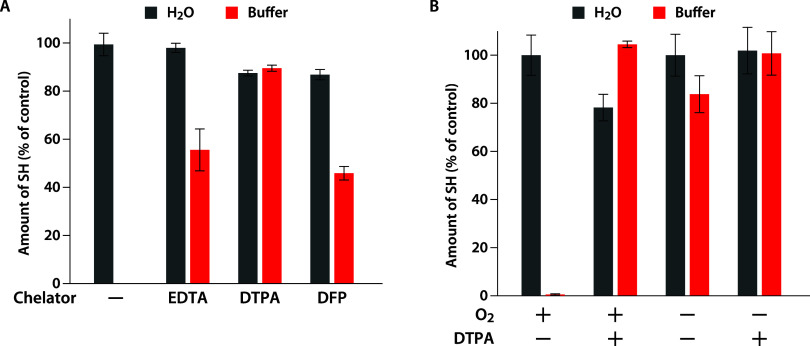 Figure 3
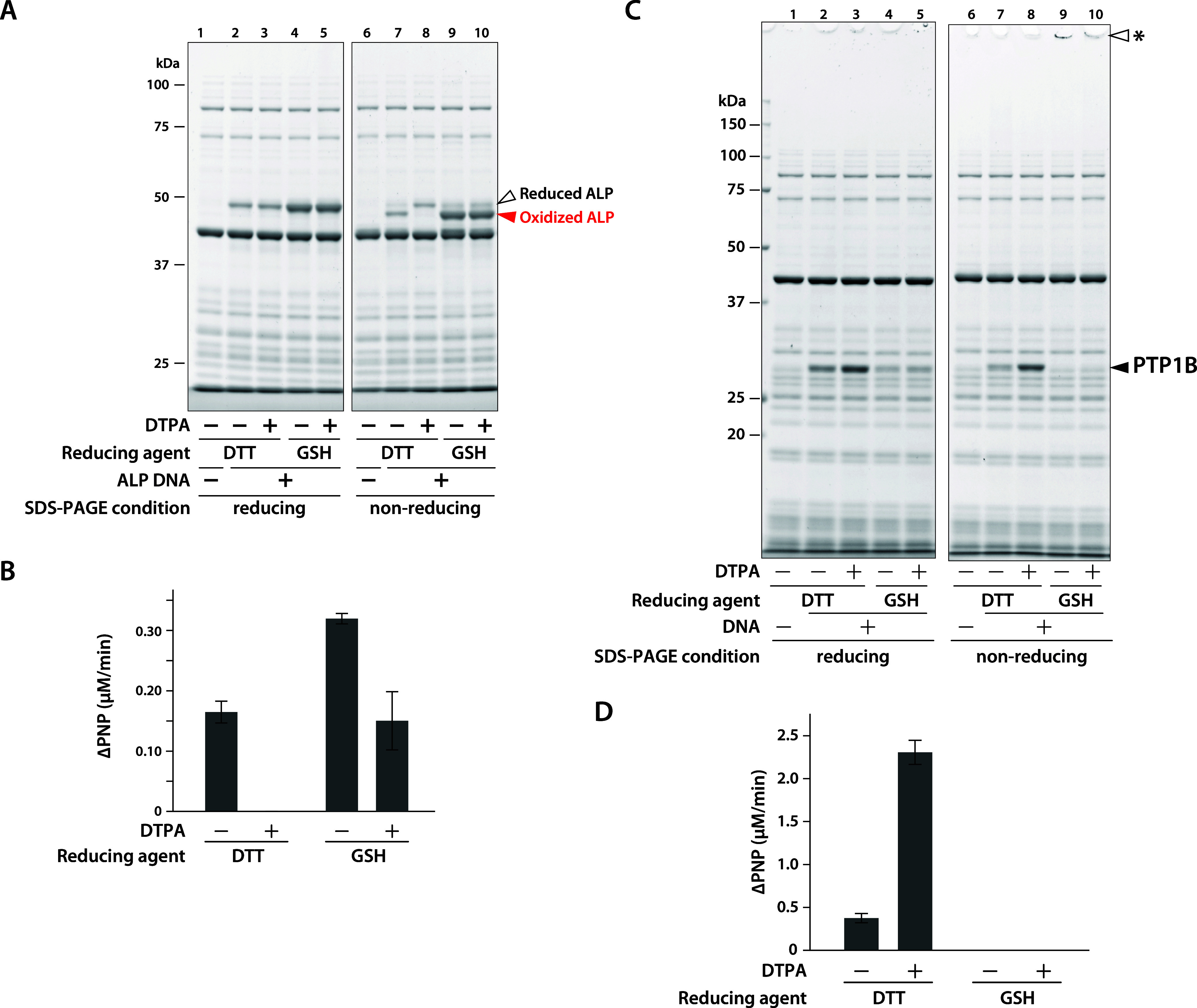 Figure 4
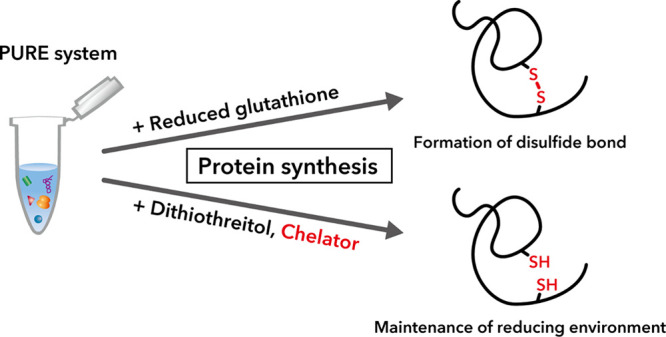 Figure 5
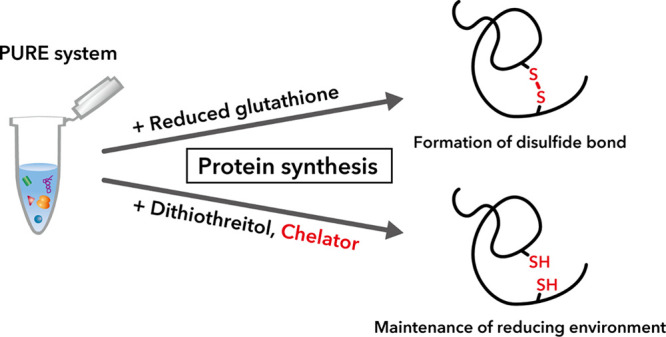 Figure 6
Peer Reviews
No public reviews on file for this paper yet. If you reviewed it on a platform where reviews are public (OpenReview, ICLR, NeurIPS, ICML), you can paste yours below so the community can read it here.
Videos
No videos yet. Explain this paper in a talk, walkthrough, or lecture? Add one.
Taxonomy
TopicsRedox biology and oxidative stress · Endoplasmic Reticulum Stress and Disease · Protein purification and stability