Prevalence and Clinical Features of Vestibular Migraine in Different Age Groups: Systematic Review and Meta-Analysis
Lamees A. Alhajri, Renad S. Manez, Husna Irfan Thalib, Abdulelah F. Alshehri, Amjad M. Alramadan, Lama M. Alsulami, Mustafa A. Al Shankiti, Mahmoud Alhajji, Abdullah Almaqhawi

TL;DR
This study reviews how common vestibular migraine is in children and adults and finds it's more frequent in younger people, with vertigo being a key symptom.
Contribution
The study provides age-specific prevalence rates and clinical features of vestibular migraine using a systematic review and meta-analysis.
Findings
The pooled prevalence of vestibular migraine was 19% overall, with higher rates in children (25%) than adults (14%).
Vertigo was the most consistent symptom across both age groups, and females were predominantly affected.
Variability in prevalence likely stems from differences in diagnostic criteria and study design.
Abstract
Introduction: Vestibular migraine (VM) is a frequent but underdiagnosed cause of episodic vertigo, characterized by vestibular symptoms often accompanied by migrainous features. Despite its relatively high prevalence, diagnosis remains clinically challenging and may differ depending on the diagnostic criteria used. This systematic review evaluates VM prevalence and clinical features across age groups to improve recognition and guide age-appropriate management. Methods: This systematic review and meta-analysis followed PRISMA guidelines and was registered in PROSPERO. This research was conducted using PubMed, Google Scholar, Cochrane, Web of Science, Wiley Online Library, and Embase. Two independent reviewers screened studies by title and abstract, and a separate pair screened full texts. Eligible studies were observational and reported prevalence or clinical features of VM. Results: A…
Genes, proteins, chemicals, diseases, species, mutations and cell lines named across the full text — each resolved to its canonical identifier and authoritative record.
Click any figure to enlarge with its caption.
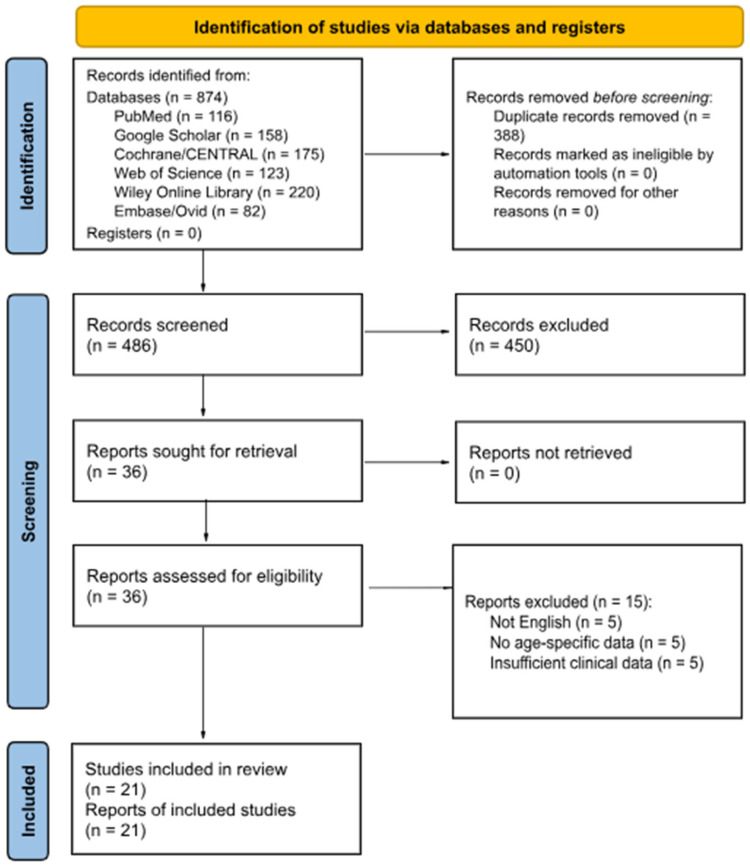 Figure 1
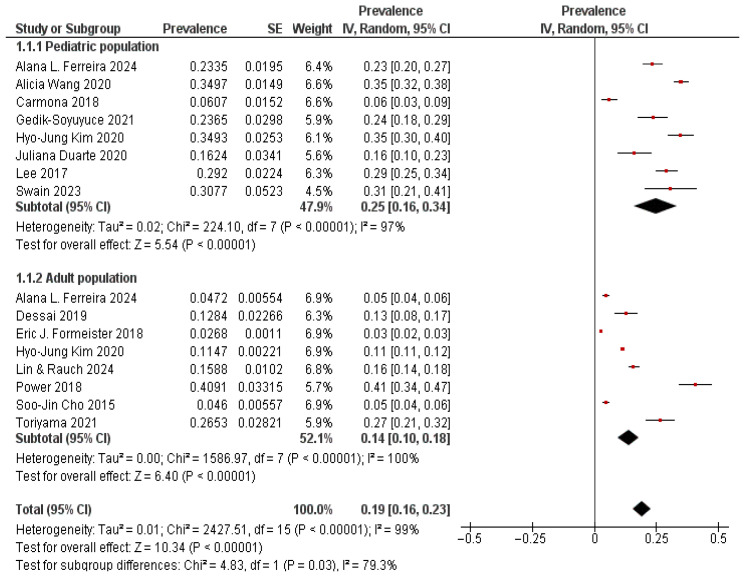 Figure 2
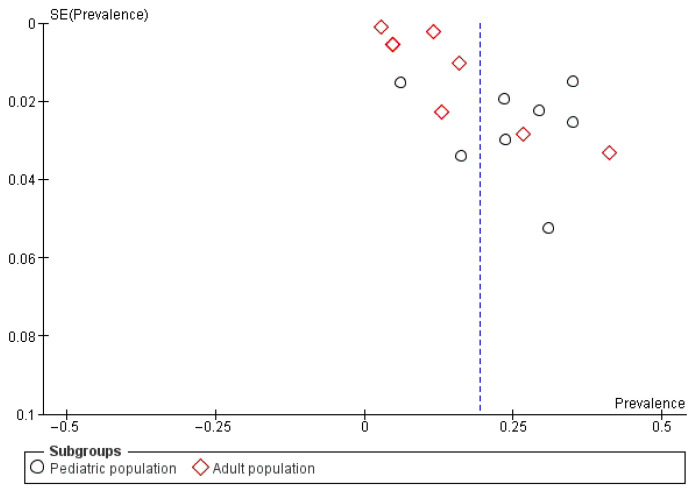 Figure 3
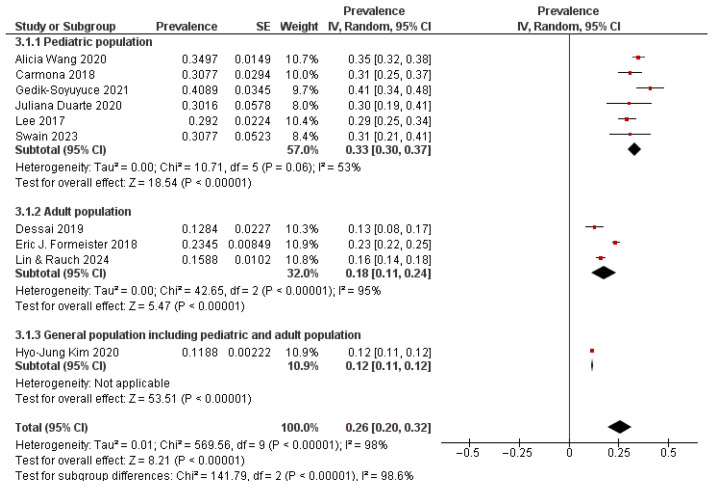 Figure 4
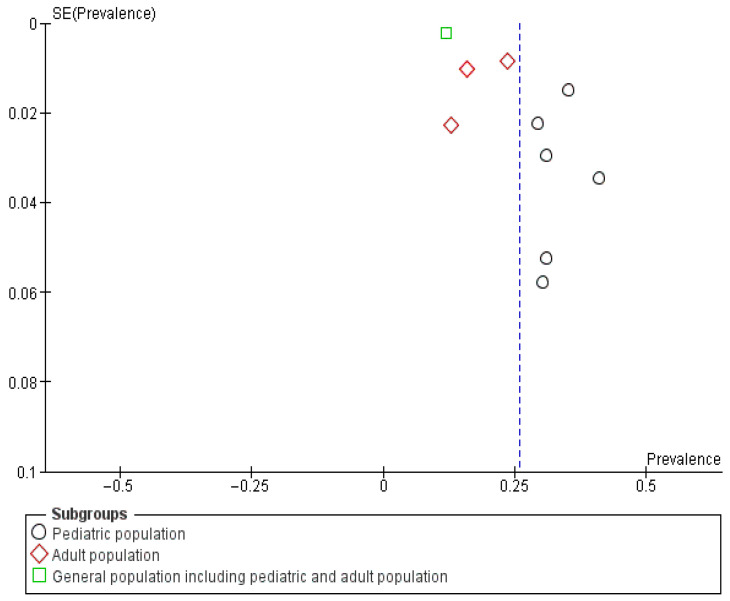 Figure 5
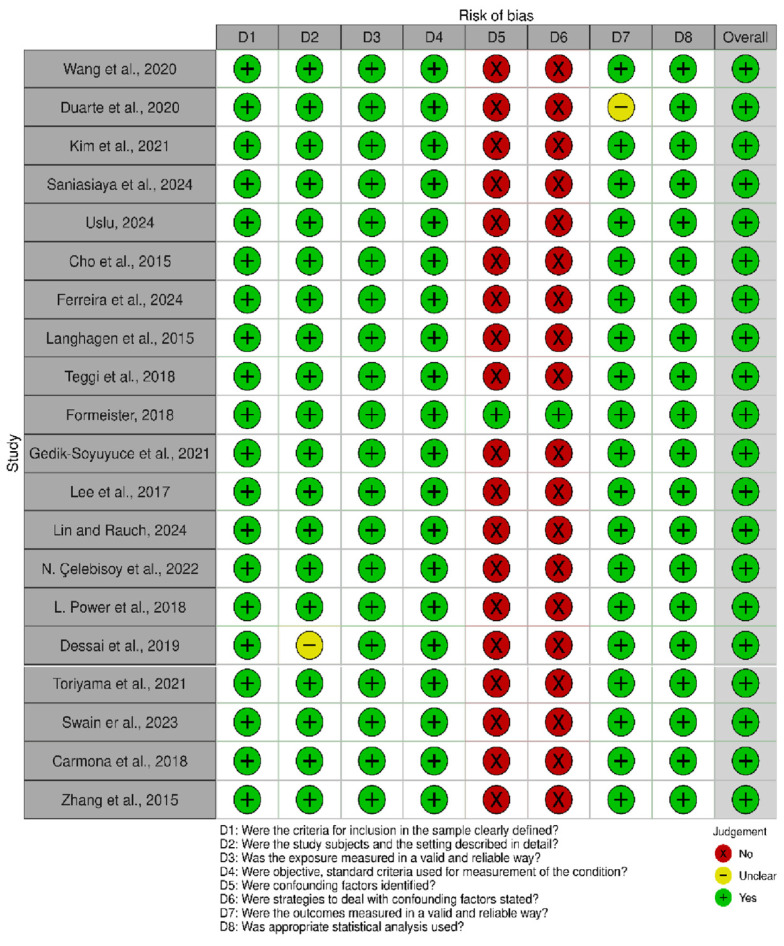 Figure 6
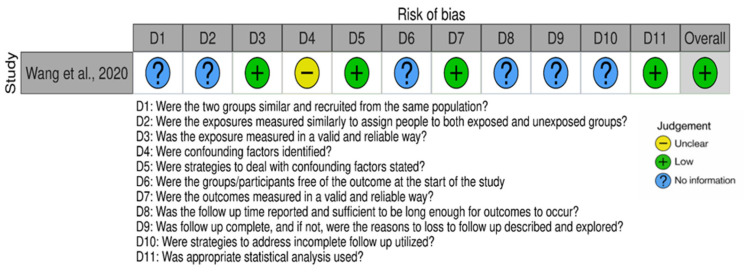 Figure 7
Peer Reviews
No public reviews on file for this paper yet. If you reviewed it on a platform where reviews are public (OpenReview, ICLR, NeurIPS, ICML), you can paste yours below so the community can read it here.
Videos
No videos yet. Explain this paper in a talk, walkthrough, or lecture? Add one.
Taxonomy
TopicsVestibular and auditory disorders · Migraine and Headache Studies · Hearing, Cochlea, Tinnitus, Genetics