Spontaneous Resorption of Lumbar Disc Herniation: A Narrative Review of Pathophysiology, Predictive Factors, and Clinical Decision-Making
Jagoš Golubović, Bojan Jelača, Dušan Rodić, Slobodan Torbica, Srđan Stošić, Đula Đilvesi

TL;DR
This review explores how herniated lumbar discs can shrink on their own over time, helping doctors decide when to use surgery or conservative treatments.
Contribution
The paper synthesizes current evidence on spontaneous disc resorption mechanisms and predictive factors to guide clinical decision-making.
Findings
Spontaneous resorption involves inflammatory degradation, macrophage activity, and matrix breakdown.
Younger age, extruded/sequestered herniations, and strong inflammation correlate with higher resorption likelihood.
Conservative management is often safe if neurological deficits or severe pain are absent.
Abstract
Lumbar intervertebral disc herniation is a common cause of low back and radicular leg pain, traditionally managed with a combination of conservative therapies and, when indicated, surgical discectomy. An intriguing phenomenon observed in many patients is the spontaneous resorption of herniated disc material over time, often correlating with significant symptom improvement. This article is presented as a narrative review synthesizing experimental, imaging, and clinical literature relevant to spontaneous disc resorption and its implications for clinical decision-making. This paper provides a comprehensive overview of spontaneous disc herniation resorption, exploring the underlying pathophysiological mechanisms and the factors that predict which herniations are likely to regress without surgery. Key mechanisms include inflammatory-mediated degradation of disc fragments, neovascularization…
Genes, proteins, chemicals, diseases, species, mutations and cell lines named across the full text — each resolved to its canonical identifier and authoritative record.
Click any figure to enlarge with its caption.
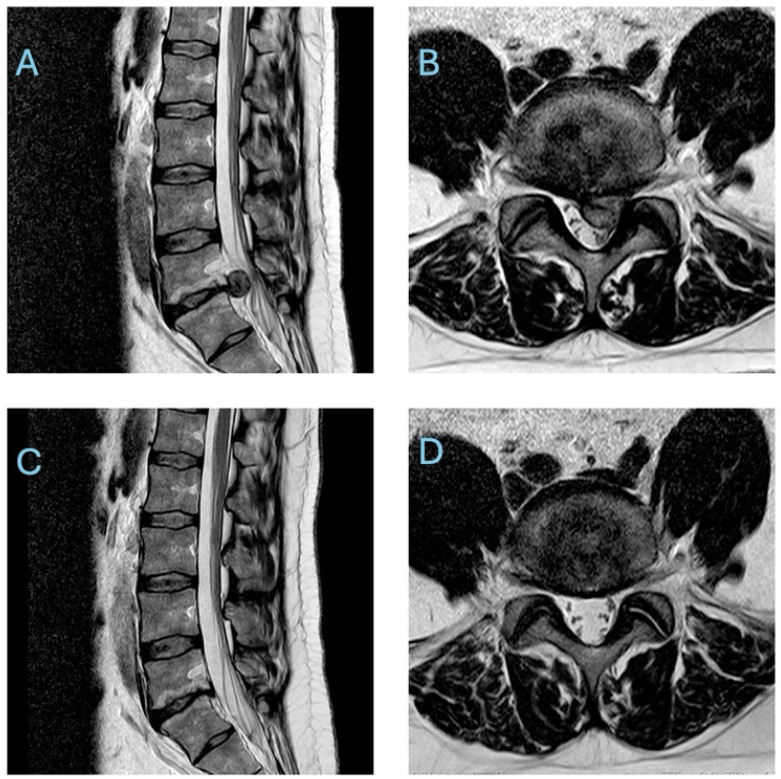 Figure 1
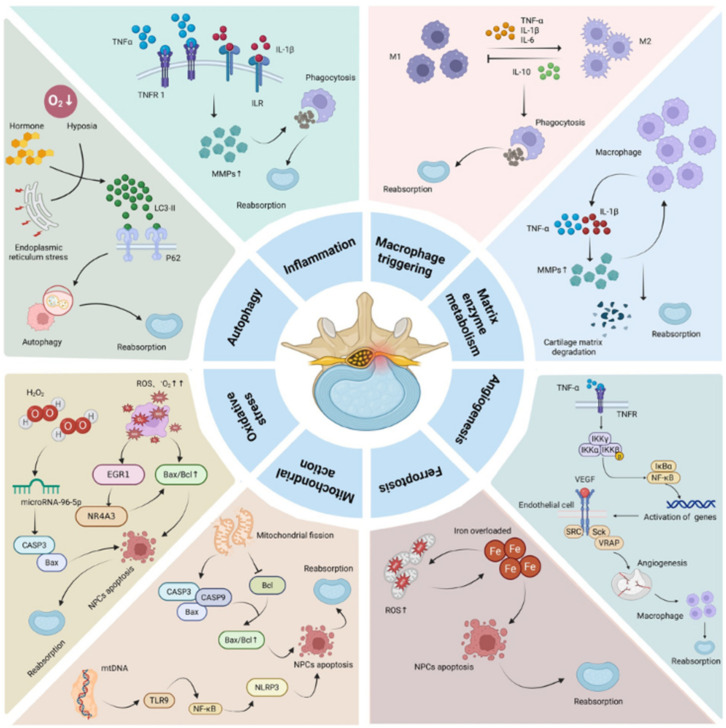 Figure 2
Peer Reviews
No public reviews on file for this paper yet. If you reviewed it on a platform where reviews are public (OpenReview, ICLR, NeurIPS, ICML), you can paste yours below so the community can read it here.
Videos
No videos yet. Explain this paper in a talk, walkthrough, or lecture? Add one.
Taxonomy
TopicsSpine and Intervertebral Disc Pathology · Spinal Hematomas and Complications · Cervical and Thoracic Myelopathy