Infection and Vaccination-Induced Tick-Borne Encephalitis Virus IgG Antibody Prevalence in the Austrian Federal State of Upper Austria, a High-Risk Region for TBEV
Gerhard Dobler, Susanne Süßner, Anne B. Schindler, Philipp Girl, Johannes Borde

TL;DR
This study examines the prevalence of tick-borne encephalitis virus (TBEV) antibodies in Upper Austria, showing high vaccination rates and a significant infection risk for the unvaccinated.
Contribution
The study introduces a method to distinguish between vaccine- and infection-induced TBEV antibodies, enabling more accurate sero-epidemiological analysis.
Findings
87.0% of blood donors had anti-TBEV-IgG from vaccination.
Unvaccinated males had a higher infection rate (13.3%) than females (9.9%).
The manifestation index for severe TBEV infection was 2.8%.
Abstract
Background/Objectives: Tick-borne encephalitis (TBE) is the most important tick-borne viral central nervous system (CNS) infection in Europe and Asia. Since the introduction of a vaccine in Austria in the late 1970s, sero-epidemiological studies on the true incidence of tick-borne encephalitis virus (TBEV) infection in the population have been difficult, because it was not possible to distinguish between vaccine- and infection-induced antibodies. The goal of our study has been to analyze the sero-epidemiology of TBEV infections, vaccination protection rate, and manifestation index of the disease in the region of interest. Methods: Applying a newly developed anti-TBEV-NS1-IgG assay and the neutralization test, the protection and infection rates in blood donors of the Austrian Federal State of Upper Austria.It is one of the first areas in Austria, where the TBEV vaccine had been rolled…
Genes, proteins, chemicals, diseases, species, mutations and cell lines named across the full text — each resolved to its canonical identifier and authoritative record.
Click any figure to enlarge with its caption.
 Figure 1
 Figure 2
 Figure 3
 Figure 4
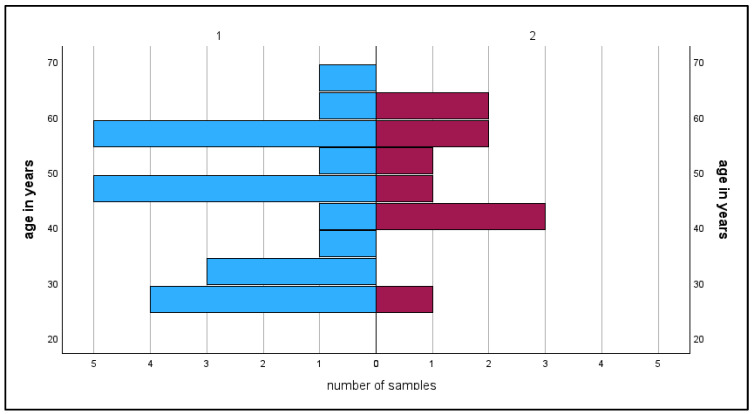 Figure 5
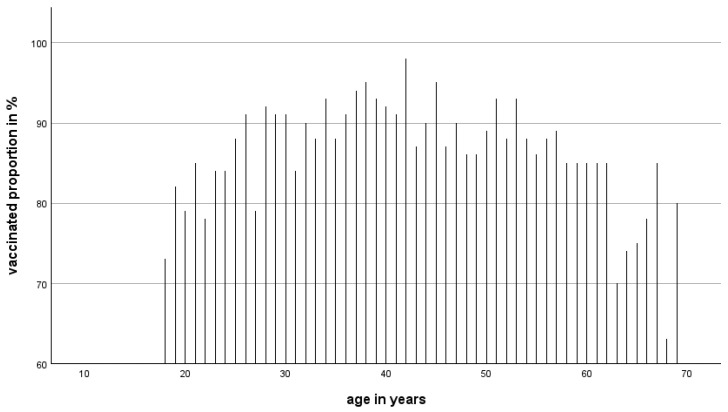 Figure 6
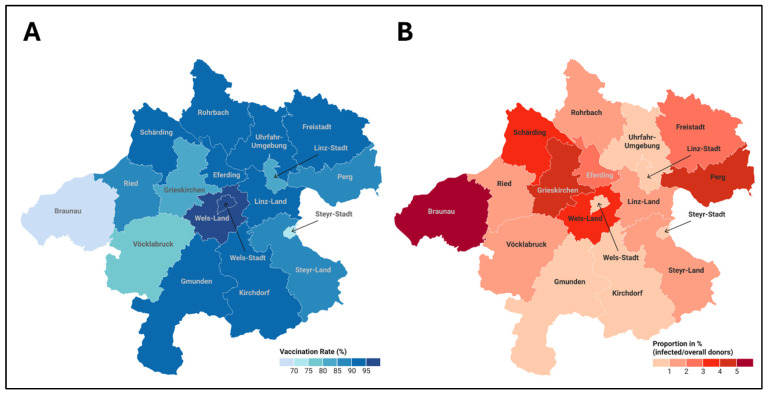 Figure 7
Peer Reviews
No public reviews on file for this paper yet. If you reviewed it on a platform where reviews are public (OpenReview, ICLR, NeurIPS, ICML), you can paste yours below so the community can read it here.
Videos
No videos yet. Explain this paper in a talk, walkthrough, or lecture? Add one.
Taxonomy
TopicsVector-borne infectious diseases · Mosquito-borne diseases and control · Public health and occupational medicine