Improving Laboratory-Based Cancer Drug Discovery Study Designs for Better Research Translations
Sivananthan Manoharan

TL;DR
This paper discusses how better study designs in laboratory cancer drug research can improve the chances of successful translation to clinical applications.
Contribution
The paper highlights key factors in study design that are often overlooked but critical for successful translational cancer drug research.
Findings
Pharmacokinetic data should be integrated into basic research to improve translational accuracy.
Proper comparison with standard-of-care drugs is essential for evaluating new drug candidates.
Following human drug administration routes and using appropriate animal models can enhance study relevance.
Abstract
The process of developing a drug is complex and involves many steps, from basic research (bench) to patient applications (bedside), which are conducted to ensure the drug is both safe and effective. In cancer research, the failure rate is high when translating basic findings to clinical trials. One of the main factors probably contributing to high failure rates is the basic quality of in vitro and in vivo study designs. Advanced basic cancer research techniques, including various types of 3D cell culture, the use of valuable organoids, organs, or tumors on chips, traditional or automated Western blots, omics research, advanced imaging techniques, usage of cutting-edge preclinical models and others, may produce inaccurate results for translational research if the basic study design is not carefully planned, especially when drugs or compounds are involved. In this manuscript, the author…
Genes, proteins, chemicals, diseases, species, mutations and cell lines named across the full text — each resolved to its canonical identifier and authoritative record.
Click any figure to enlarge with its caption.
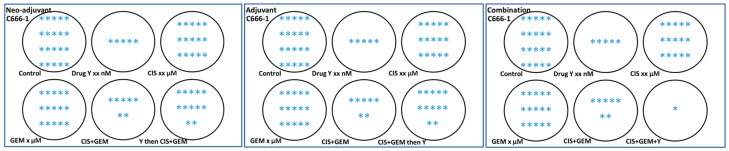 Figure 1
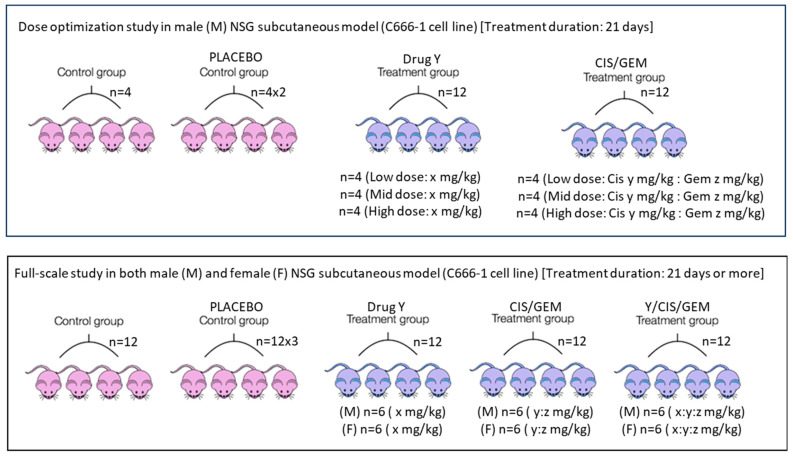 Figure 2
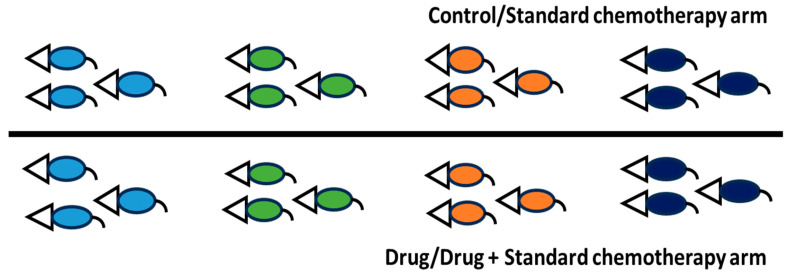 Figure 3
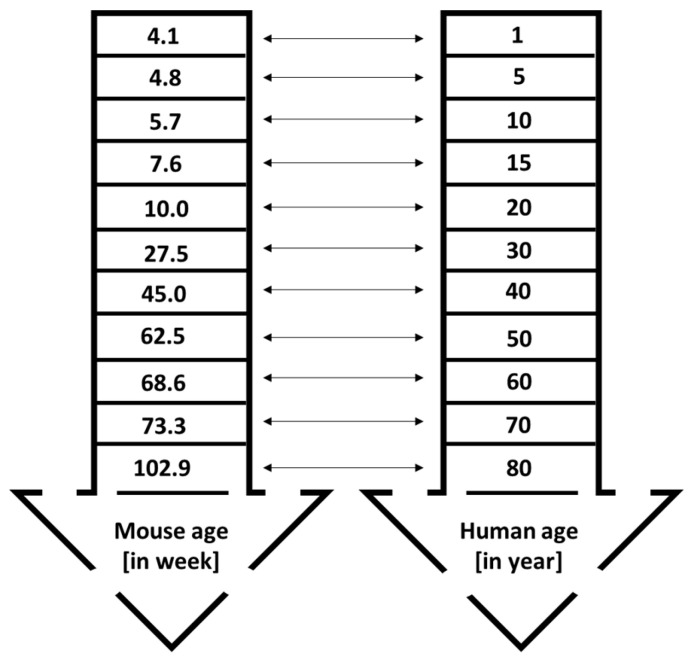 Figure 4
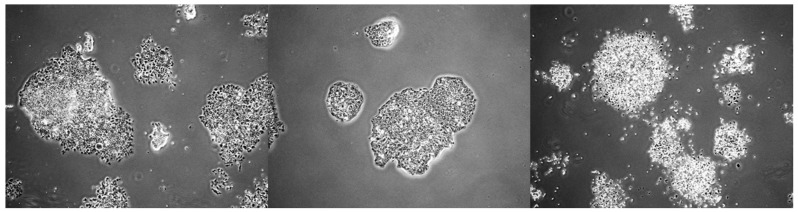 Figure 5
Peer Reviews
No public reviews on file for this paper yet. If you reviewed it on a platform where reviews are public (OpenReview, ICLR, NeurIPS, ICML), you can paste yours below so the community can read it here.
Videos
No videos yet. Explain this paper in a talk, walkthrough, or lecture? Add one.
Taxonomy
TopicsAnimal testing and alternatives · Cancer Cells and Metastasis · Cancer, Stress, Anesthesia, and Immune Response