Crude Extract and Phenol-Rich Fractions from Vernonia amygdalina Leaves Ameliorates Streptozotocin-Induced Type 1 Diabetes in Rats by Mitigating Hepatic Injury, Dyslipidemia, and Production of Oxido-Inflammatory Markers
Olawale Razaq Ajuwon, Damilola Rebecca Oladejo, Akinwunmi Oluwaseun Adeoye, John Adeolu Falode, Basiru Olaitan Ajiboye, Foluso Oluwagbemiga Osunsanmi, Babatunji Emmanuel Oyinloye

TL;DR
This study shows that extracts from Vernonia amygdalina leaves can help reduce diabetes-related liver damage and inflammation in rats.
Contribution
The study demonstrates the therapeutic potential of Vernonia amygdalina leaf extracts in mitigating type 1 diabetes complications.
Findings
Vernonia amygdalina leaf extracts reduced hyperglycaemia and hepatic injury in diabetic rats.
Crude extract showed better antidiabetic effects than metformin and other fractions.
Phytochemicals in the extracts improved antioxidant and anti-inflammatory responses.
Abstract
Diabetes mellitus (DM) is a major disorder contributing to human mortality and morbidity globally. The use of medicinal plants in the management of diabetes is gaining global popularity due to their accessibility and cost-effectiveness. In this study, we evaluated the ameliorative potential of Vernonia amygdalina leaves crude extract (CE), free phenol (FP), and bound phenol (BP) fractions (50 mg/kg body weight) in a rat model of streptozotocin (STZ)-induced type 1 diabetes (T1DM). The effects of these treatments for 28 days on glucose, insulin, glycated hemoglobin, hepatic injury indices, and lipid profile were assessed in the serum. Furthermore, redox biomarkers (liver) and inflammatory mediators (serum and liver) were analyzed. Our results indicated that CE, FP, and BP fractions of Vernonia amygdalina inhibited the deleterious effects of T1DM by attenuating hyperglycaemia, insulin…
Genes, proteins, chemicals, diseases, species, mutations and cell lines named across the full text — each resolved to its canonical identifier and authoritative record.
Click any figure to enlarge with its caption.
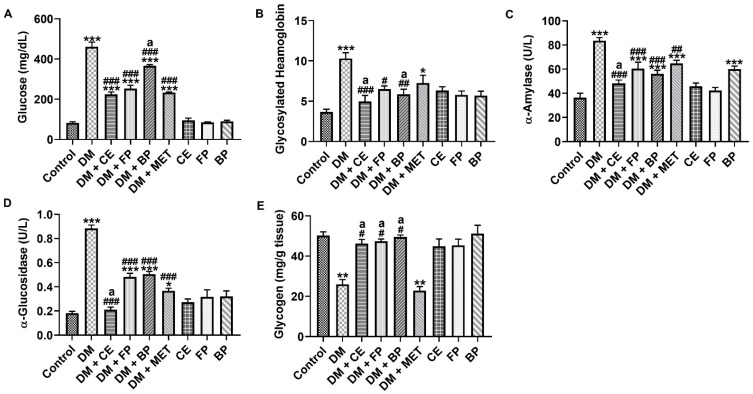 Figure 1
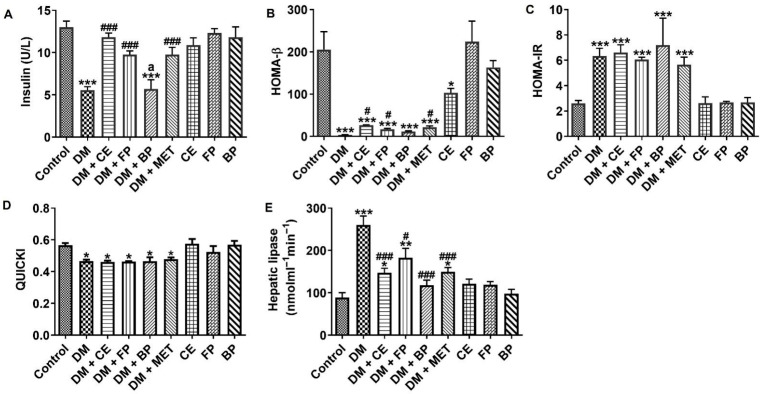 Figure 2
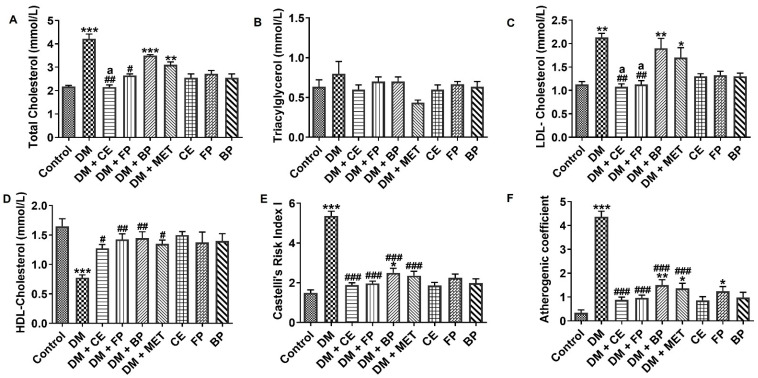 Figure 3
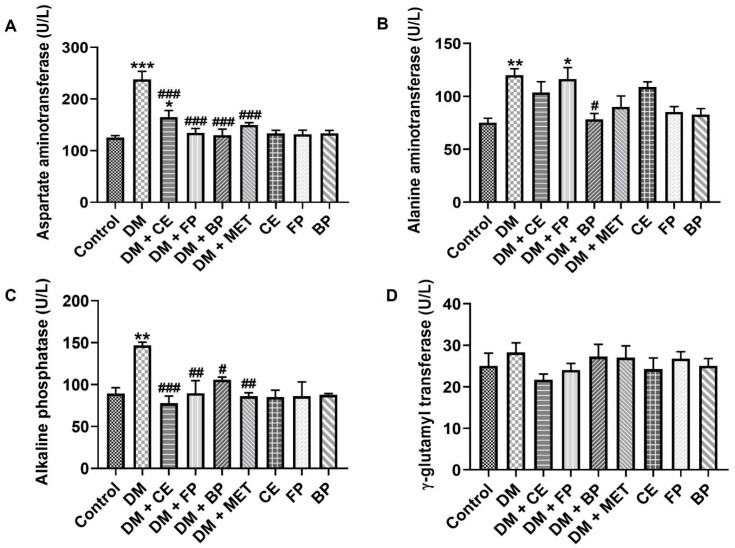 Figure 4
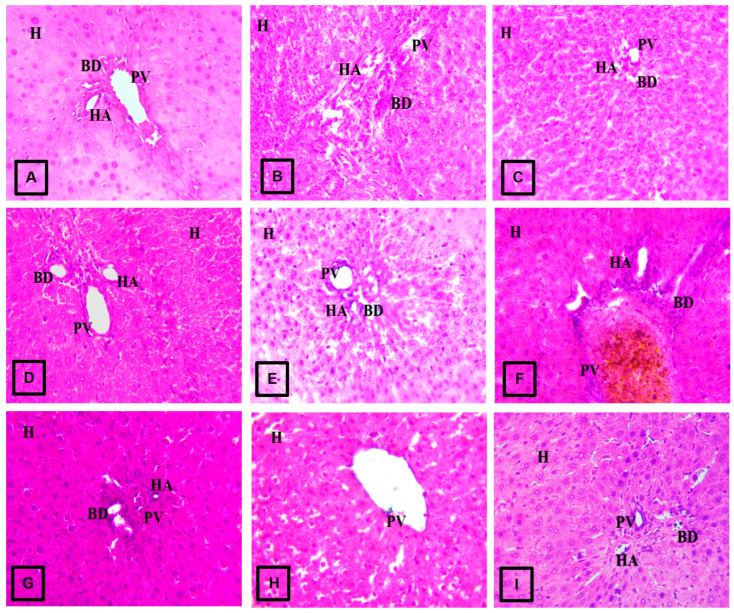 Figure 5
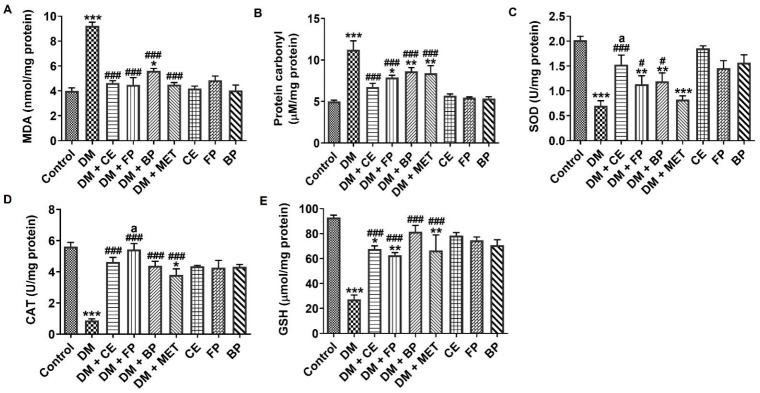 Figure 6
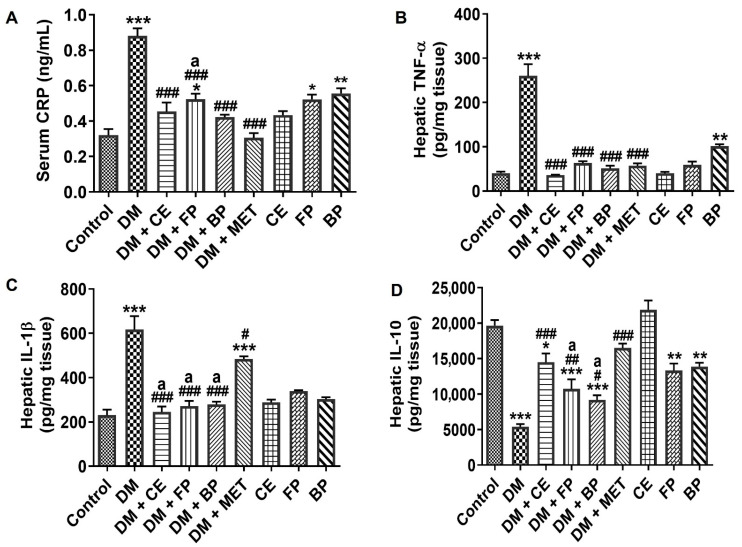 Figure 7
Peer Reviews
No public reviews on file for this paper yet. If you reviewed it on a platform where reviews are public (OpenReview, ICLR, NeurIPS, ICML), you can paste yours below so the community can read it here.
Videos
No videos yet. Explain this paper in a talk, walkthrough, or lecture? Add one.
Taxonomy
TopicsNatural Antidiabetic Agents Studies · Psidium guajava Extracts and Applications · Mangiferin and Mango Extracts