Simultaneous Analysis of Microsaccades and Pupil Size Variations in Age-Related Cognitive Impairment Using Eye-Tracking Technology
Seokjun Oh, Tahsin Nairuz, Sung-Jun Park, Jong-Ha Lee

TL;DR
This study uses eye-tracking to find non-invasive signs of age-related cognitive decline by analyzing microsaccades and pupil changes.
Contribution
The study introduces a dual-biomarker method combining microsaccade and pupil analysis for early cognitive impairment detection.
Findings
Microsaccade frequency increases with age and is higher in cognitively impaired individuals.
Pupil size variation decreases with age, but response speed remains stable.
The dual-biomarker approach shows promise as a non-invasive cognitive screening tool.
Abstract
Age-related cognitive impairment represents a critical stage in the continuum of neurodegenerative disorders, including Alzheimer’s disease (AD), highlighting the need for objective and non-invasive physiological indicators of early neurological change. This study investigates the simultaneous analysis of microsaccadic eye movements and pupil size variations as ocular biomarkers associated with age-related cognitive impairment using eye-tracking technology. A total of 70 participants were recruited and categorized into three age groups: individuals in their 20s, 60s, and 70s. Participants in their 70s were further categorized based on MMSE-K scores into cognitively normal (≥24) and impaired (≤23) subgroups. Quantitative analyses showed a significant age-related increase in microsaccade frequency along both axes, with significantly higher microsaccade frequencies (p < 0.01) among…
Genes, proteins, chemicals, diseases, species, mutations and cell lines named across the full text — each resolved to its canonical identifier and authoritative record.
Click any figure to enlarge with its caption.
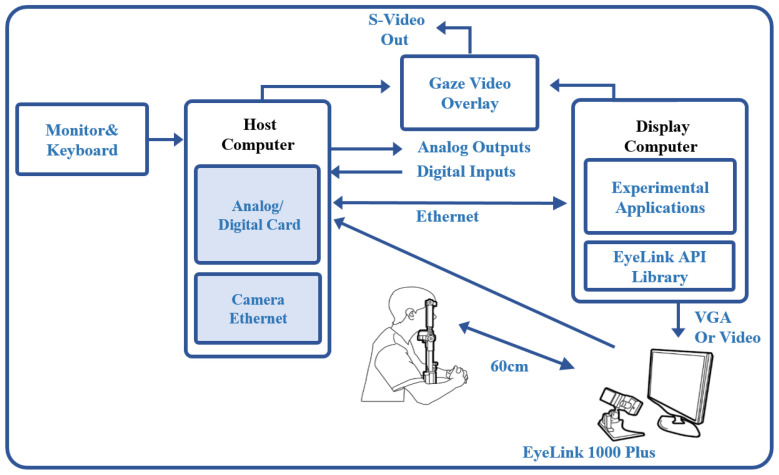 Figure 1
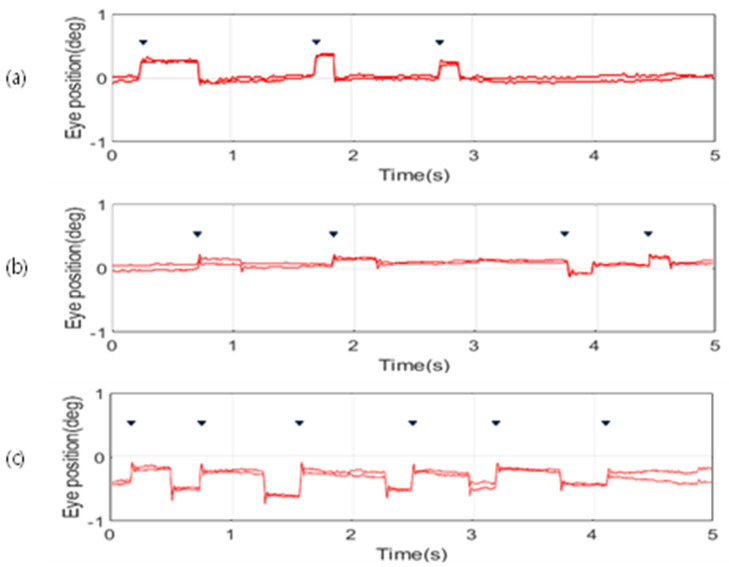 Figure 2
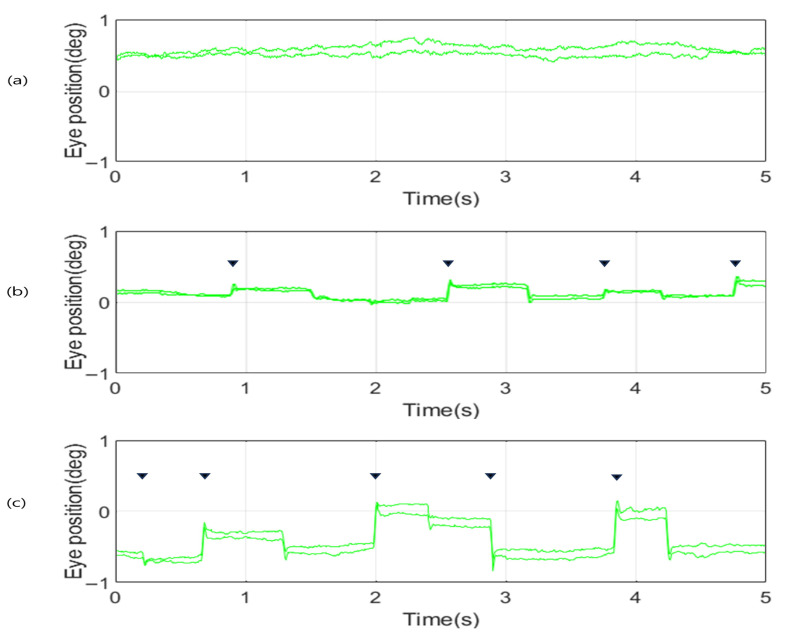 Figure 3
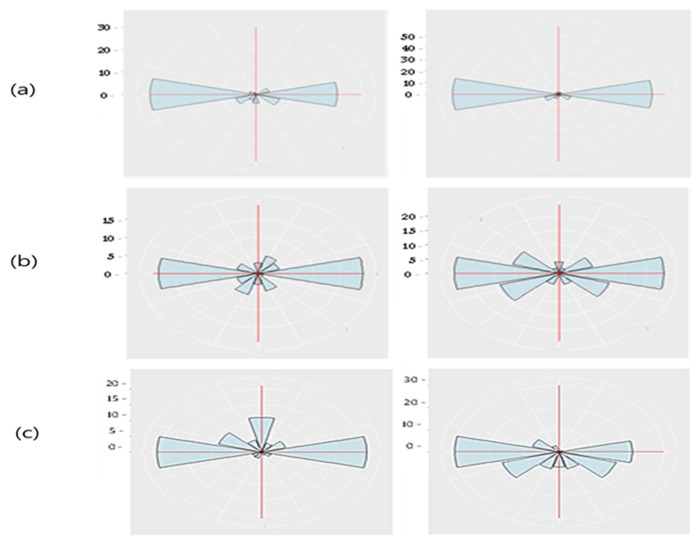 Figure 4
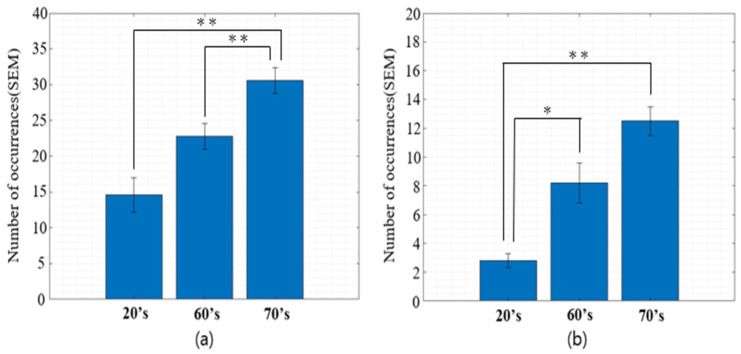 Figure 5
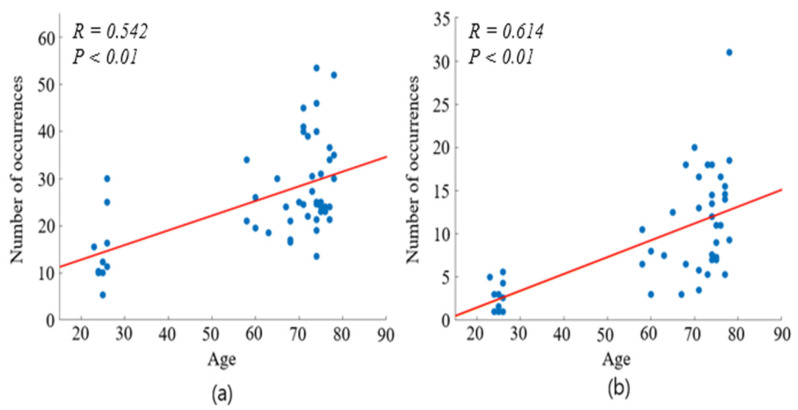 Figure 6
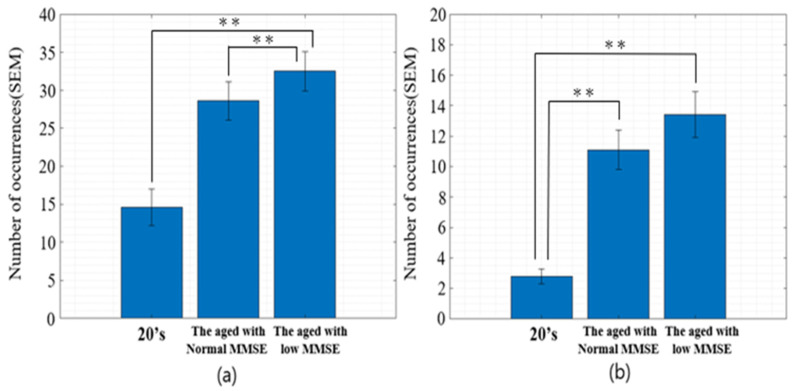 Figure 7
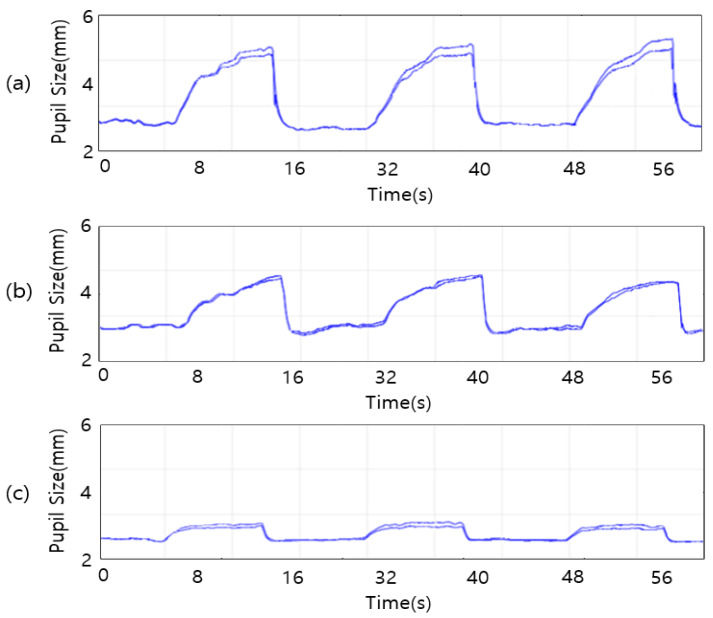 Figure 8
Peer Reviews
No public reviews on file for this paper yet. If you reviewed it on a platform where reviews are public (OpenReview, ICLR, NeurIPS, ICML), you can paste yours below so the community can read it here.
Videos
No videos yet. Explain this paper in a talk, walkthrough, or lecture? Add one.
Taxonomy
TopicsGaze Tracking and Assistive Technology · Glaucoma and retinal disorders · Ophthalmology and Visual Impairment Studies