An MNase-ChIP-Seq Protocol to Profile Histone Modifications at a DNA Break in Yeast
Elena Di Nisio, Chiara Frigerio, Valerio Licursi, Sara Castelli, Benedetta Caraba, Rodolfo Negri, Michela Clerici

TL;DR
This paper introduces a new method to study how DNA damage affects histone modifications in yeast cells.
Contribution
A novel MNase-ChIP-seq protocol is developed to profile histone modifications at a DNA break in yeast.
Findings
The protocol successfully detects changes in histone H3 methylation after HO endonuclease-induced DNA breaks.
The method allows genome-wide analysis of histone PTMs in response to DNA damage in yeast.
The approach is robust and applicable to mutant strains or stress conditions.
Abstract
Eukaryotic DNA is wrapped around octamers of four core histones, forming nucleosomes. Histone post-translational modifications (PTMs) influence chromatin structure and the recruitment of regulatory factors, thereby affecting gene expression and DNA repair, including the response to DNA double-strand breaks (DSBs). Here, we describe a robust chromatin immunoprecipitation protocol combined with micrococcal nuclease digestion and DNA sequencing (MNase-ChIP-seq) to map histone modifications and their genome-wide distribution after the induction of a single DSB by the HO endonuclease in Saccharomyces cerevisiae. We validate the method by detecting changes in histone H3 methylation following HO transcriptional activation and DSB induction. This protocol enables reliable analysis of histone PTMs across mutant strains or stress conditions, supporting studies of chromatin dynamics in yeast.
Genes, proteins, chemicals, diseases, species, mutations and cell lines named across the full text — each resolved to its canonical identifier and authoritative record.
Click any figure to enlarge with its caption.
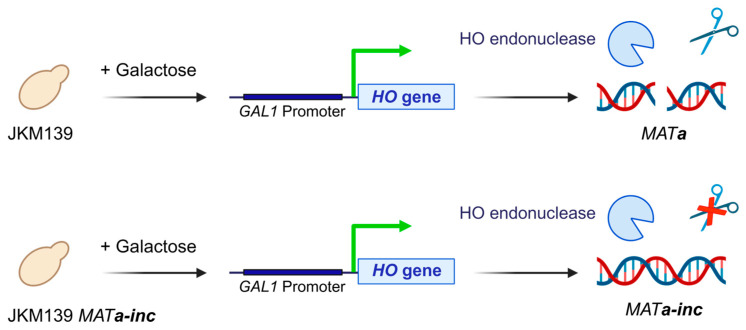 Figure 1
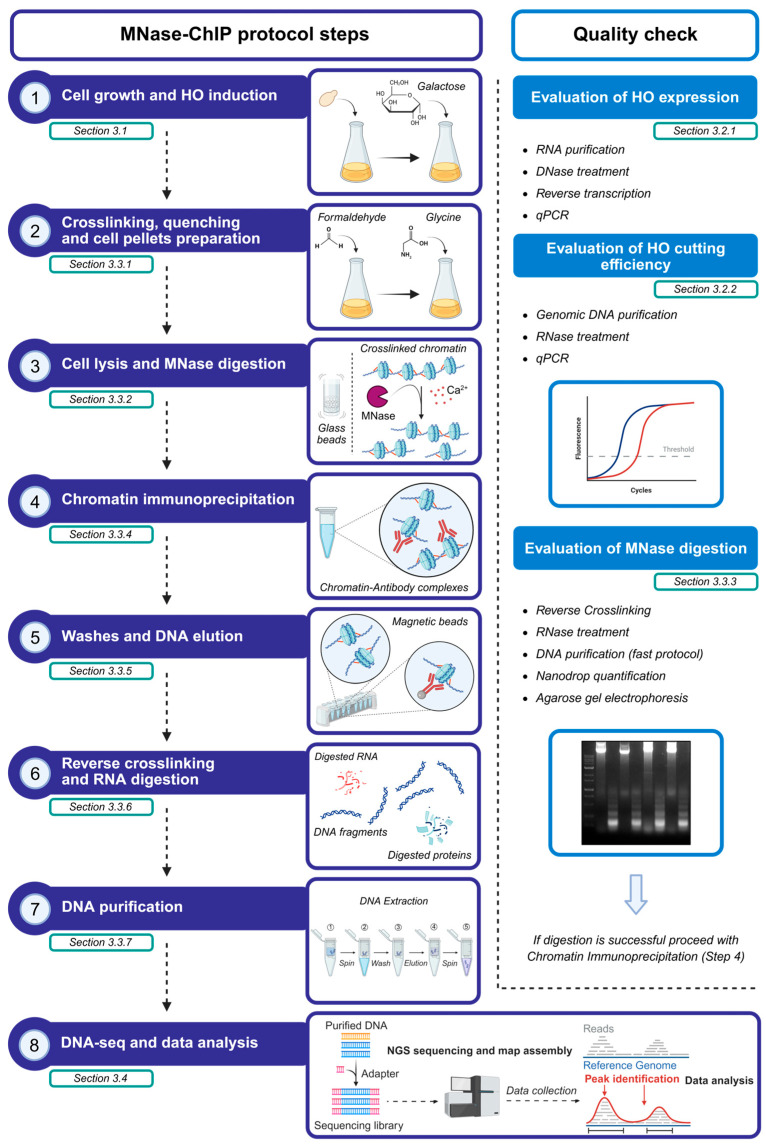 Figure 2
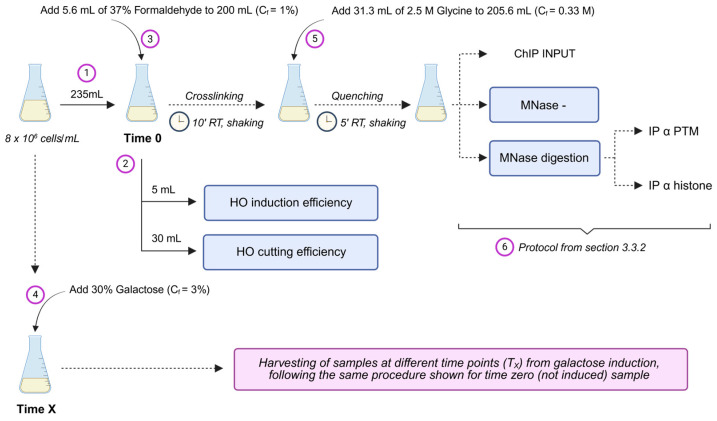 Figure 3
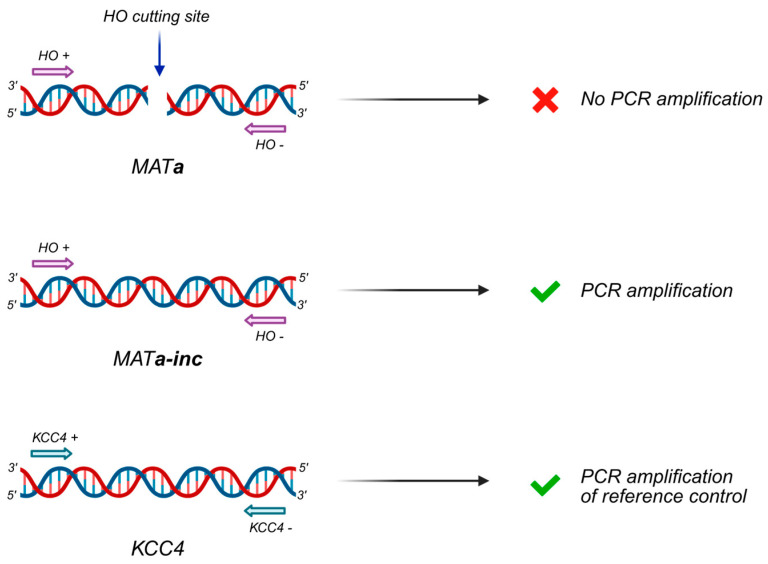 Figure 4
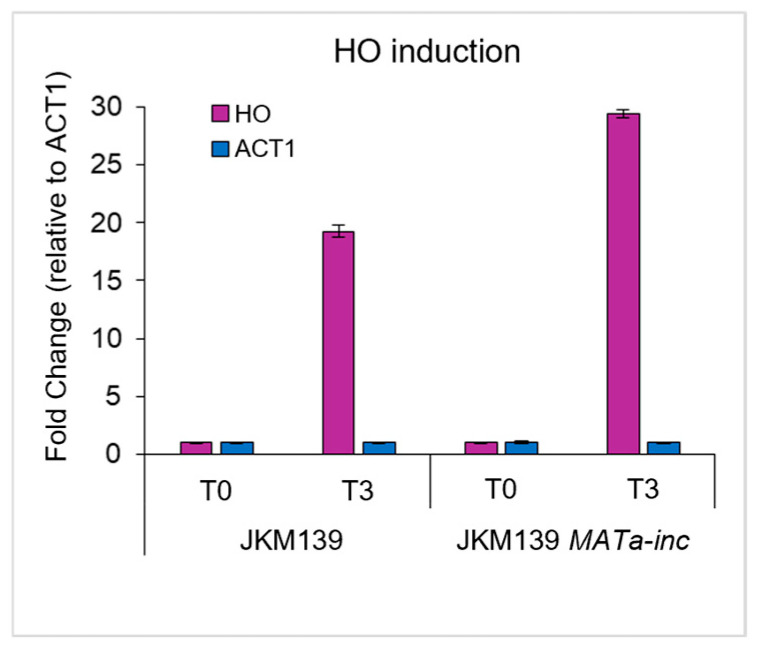 Figure 5
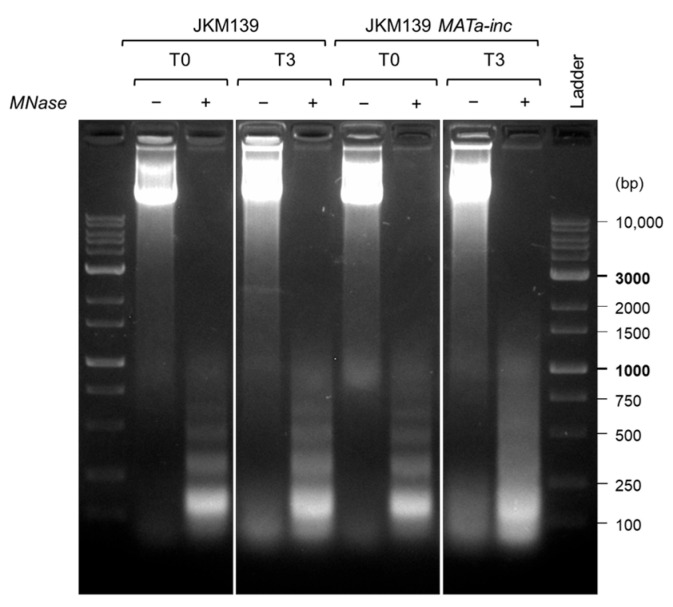 Figure 6
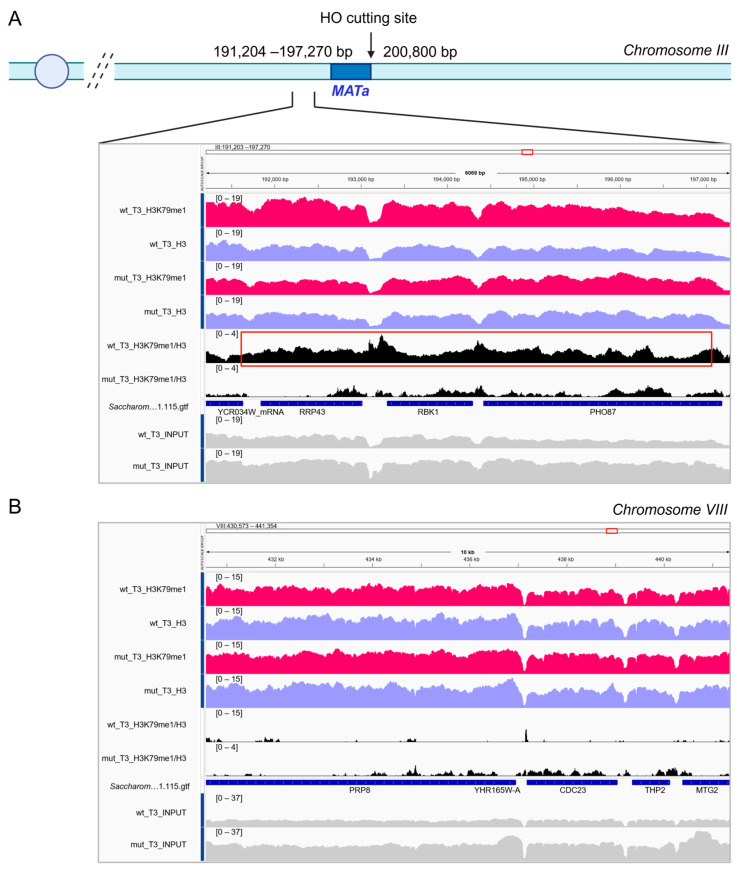 Figure 7
 Figure 8
 Figure 9
Peer Reviews
No public reviews on file for this paper yet. If you reviewed it on a platform where reviews are public (OpenReview, ICLR, NeurIPS, ICML), you can paste yours below so the community can read it here.
Videos
No videos yet. Explain this paper in a talk, walkthrough, or lecture? Add one.
Taxonomy
TopicsGenomics and Chromatin Dynamics · Epigenetics and DNA Methylation · DNA Repair Mechanisms