The Utility of Measures of Physical Behavior, Function, and Fitness as Predictors of Mortality
Yuhe Wang, Cameron Razieh, Alex V. Rowlands, Kishan Bakrania, Richard Russell, Kamlesh Khunti, Melanie J. Davies, Francesco Zaccardi, Thomas Yates

TL;DR
This study shows that lifestyle and physical health measures, like walking pace, can better predict mortality risk than traditional factors, especially in people with health conditions.
Contribution
The study demonstrates that physical behavior measures can improve mortality prediction models by replacing traditional clinical factors.
Findings
Replacing traditional risk factors with physical measures improved mortality prediction accuracy in people with health conditions.
Walking pace was the strongest individual predictor of mortality risk when substituting traditional factors.
Improvements in prediction were more significant in men and those with health conditions compared to healthy individuals.
Abstract
To assess whether simple measures of lifestyle and physical health improve mortality risk prediction in healthy adults and those living with health conditions when added to or substituted for traditional risk factors. Data were from the UK Biobank (N=407,569; median age, 58 years; May 1, 2006 to September 30, 2022), stratified by sex and health status. The base model included the following: age, smoking status, body mass index, systolic blood pressure (SBP), total cholesterol-to-high-density lipoprotein cholesterol ratio (CHR), and material deprivation. Five simple physical measures (leisure time physical activity; sleep duration; resting heart rate; maximum handgrip strength; and walking pace [WP]) were added to or substituted for traditional risk factors (ie, SBP and CHR), both individually and combined. Model performance was assessed using the C-index and net reclassification index…
Genes, proteins, chemicals, diseases, species, mutations and cell lines named across the full text — each resolved to its canonical identifier and authoritative record.
Click any figure to enlarge with its caption.
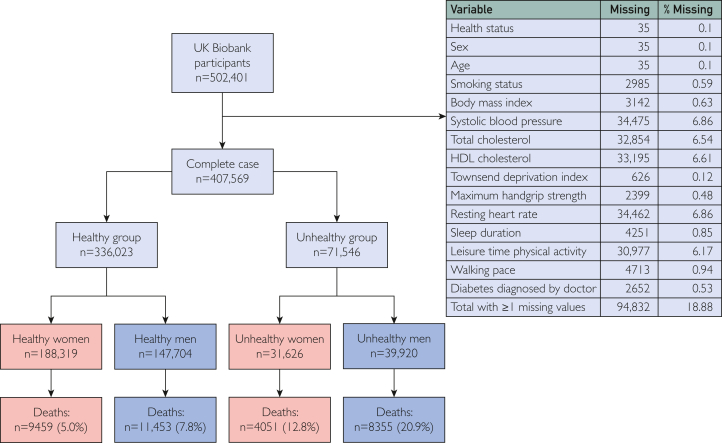 Figure 1
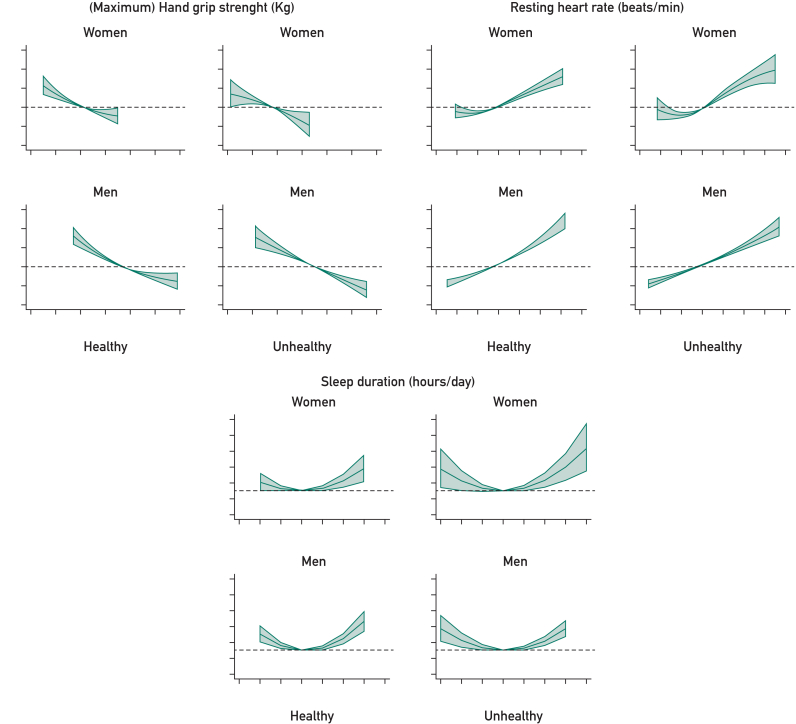 Figure 2
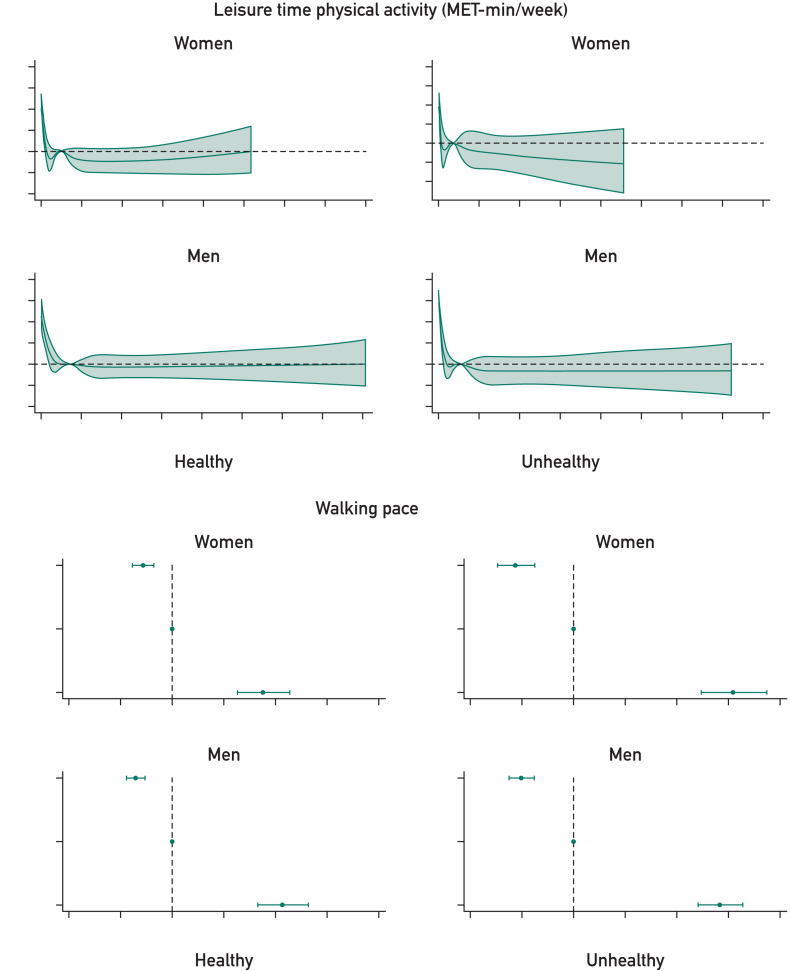 Figure 3
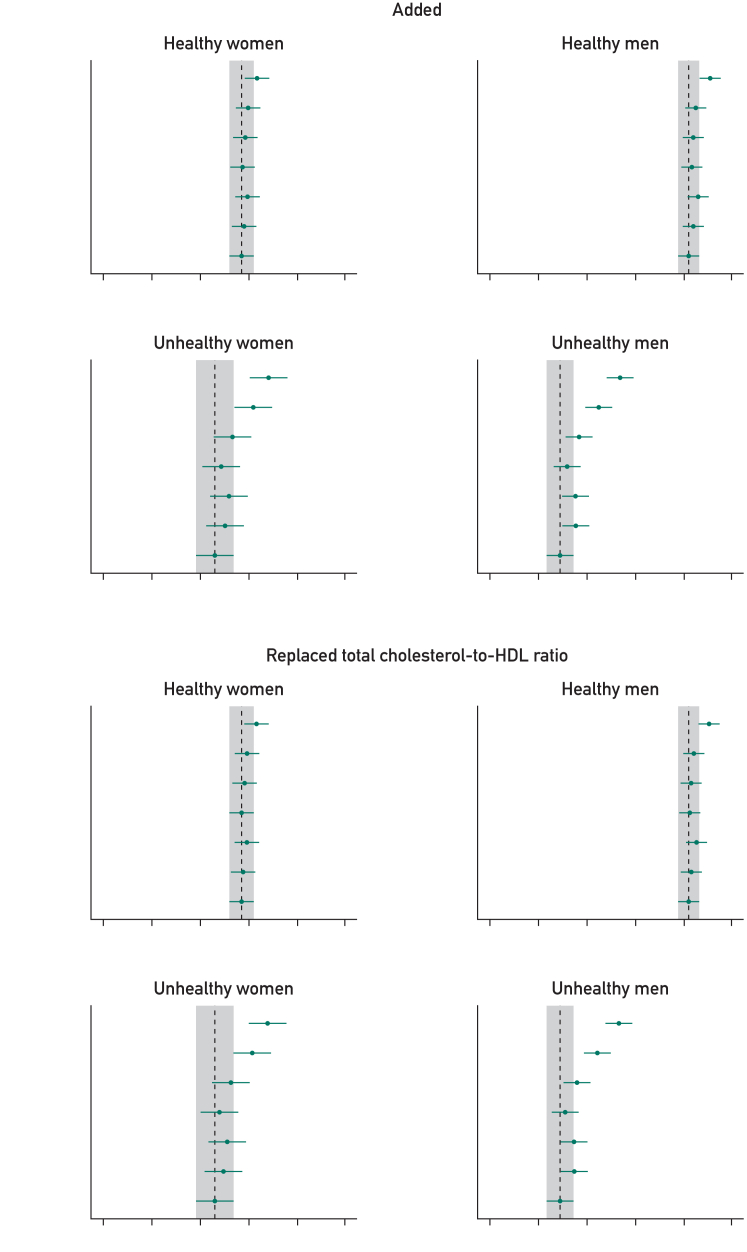 Figure 4
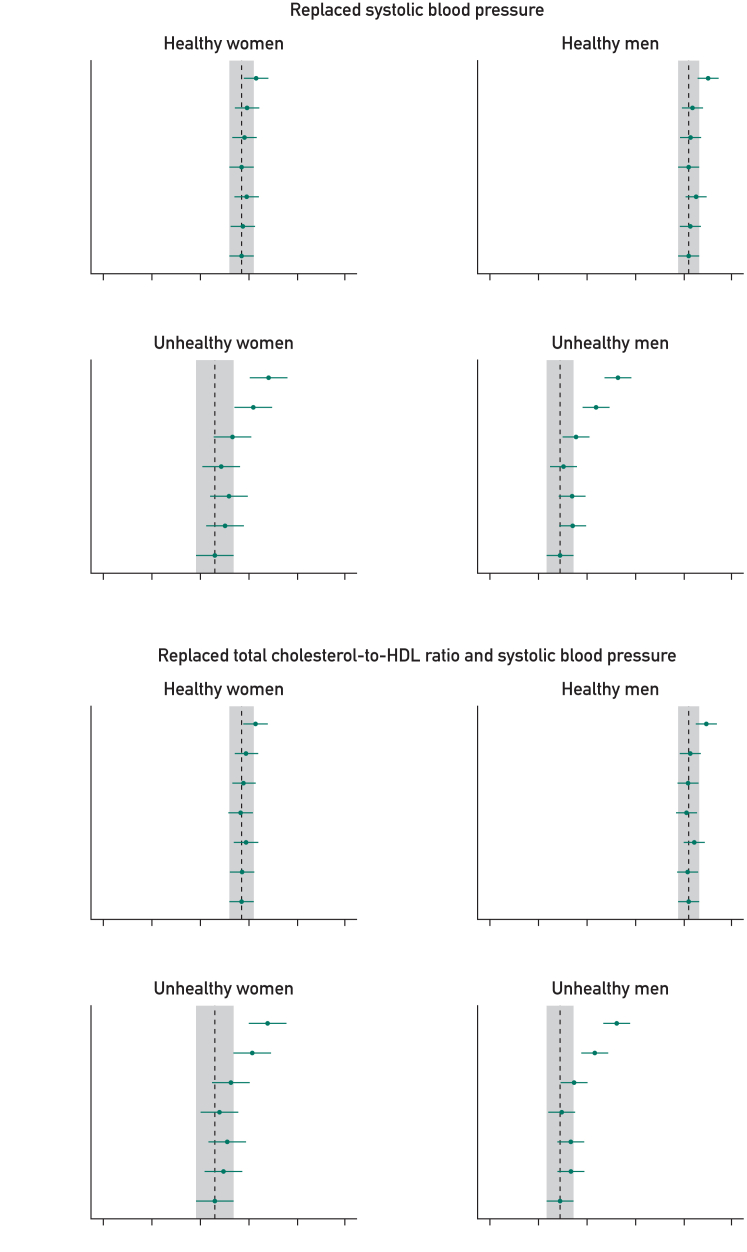 Figure 5
Peer Reviews
No public reviews on file for this paper yet. If you reviewed it on a platform where reviews are public (OpenReview, ICLR, NeurIPS, ICML), you can paste yours below so the community can read it here.
Videos
No videos yet. Explain this paper in a talk, walkthrough, or lecture? Add one.
Taxonomy
TopicsPhysical Activity and Health · Nutrition and Health in Aging · Body Composition Measurement Techniques