Biologic Monotherapies for Moderate-to-Severe Atopic Dermatitis: A Systematic Review and Bayesian Network Meta-Analysis of Established and Investigational Agents
Arya Babul, Devina Mehta, Yssra Soliman, Momina Hussain, Najib Babul

TL;DR
This study compares biologic treatments for severe eczema, finding that dupilumab is the most effective and reliable, while newer drugs show mixed promise.
Contribution
The first unified Bayesian network meta-analysis comparing approved and investigational biologics for atopic dermatitis.
Findings
Dupilumab showed the most consistent and reliable efficacy across all key endpoints.
Rocatinlimab demonstrated promising signals for deep clinical responses but with limited evidence.
Zumilokibart, rademikibart, and temtokibart showed encouraging efficacy, while telazorlimab had modest benefits.
Abstract
Biologic therapies targeting maladaptive type 2 inflammation have transformed the management of moderate‑to‑severe atopic dermatitis (AD); however, comparative evidence integrating both approved and next‑generation investigational agents remains limited. This Bayesian network meta‑analysis (BNMA) provides the first unified evaluation of all biologic monoclonal antibodies approved as monotherapy for AD (dupilumab, lebrikizumab, tralokinumab) together with emerging immunotherapies, including amlitelimab, rademikibart, rezpegaldesleukin, rocatinlimab, telazorlimab, temtokibart, and zumilokibart, across key efficacy measures. A PRISMA‑2020-compliant systematic review and PROSPERO‑registered protocol (CRD420251162704) identified phase 2-3 randomized, double‑blind, placebo‑controlled trials reporting week‑16 outcomes (week‑24 for rocatinlimab). A Bayesian random‑effects NMA estimated…
Genes, proteins, chemicals, diseases, species, mutations and cell lines named across the full text — each resolved to its canonical identifier and authoritative record.
Click any figure to enlarge with its caption.
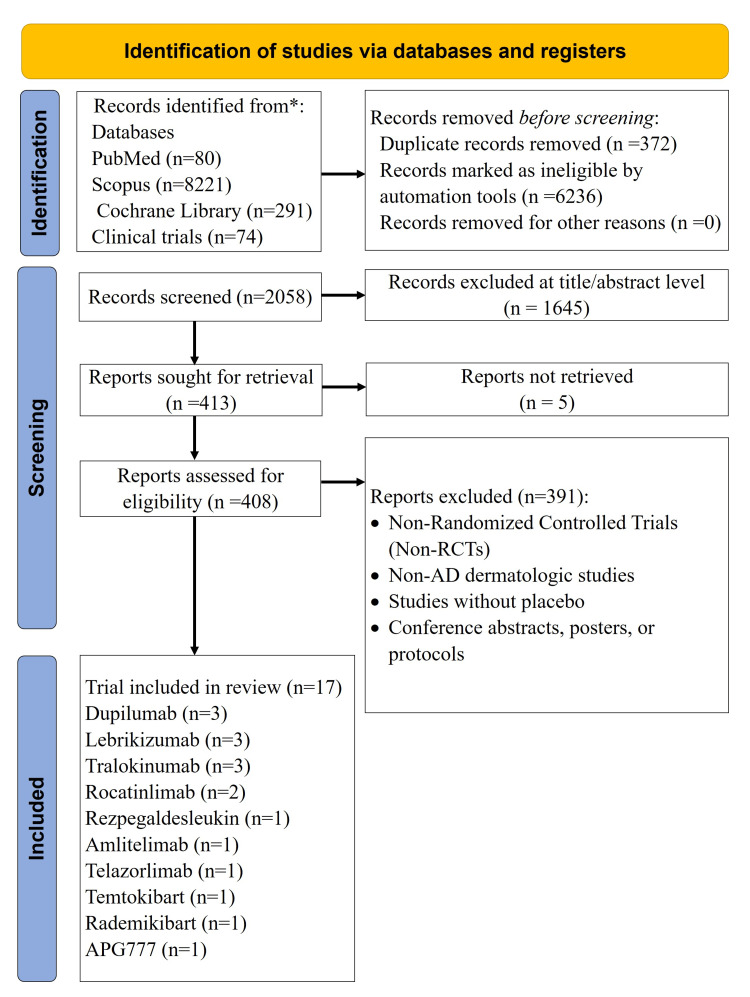 Figure 1
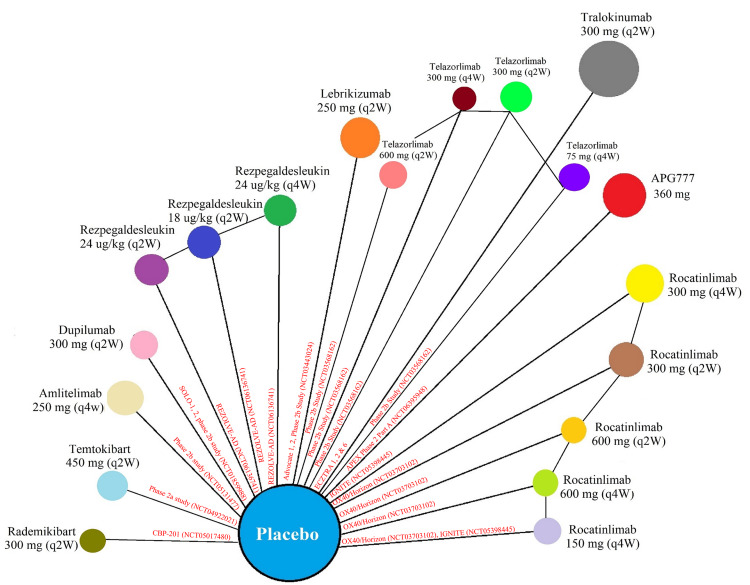 Figure 2
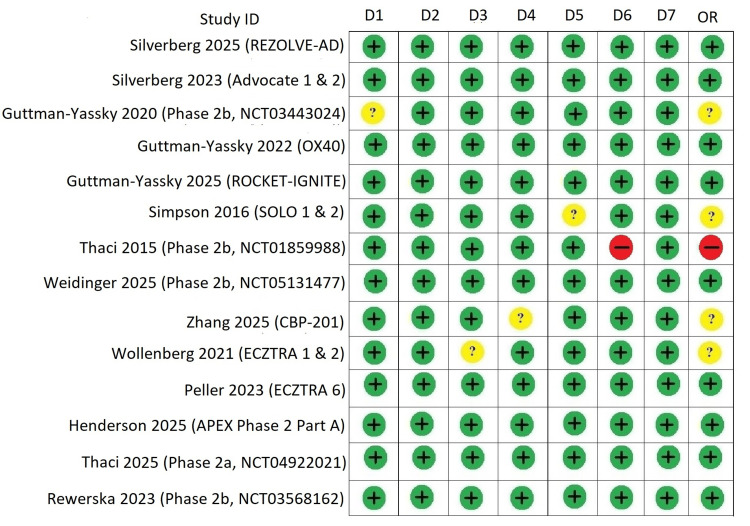 Figure 3
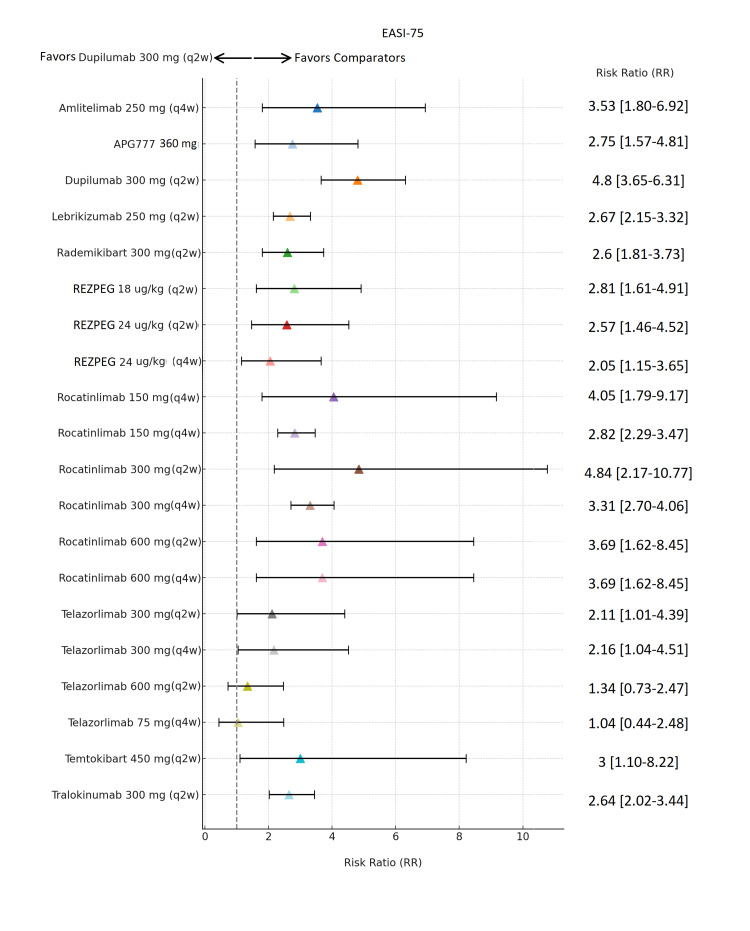 Figure 4
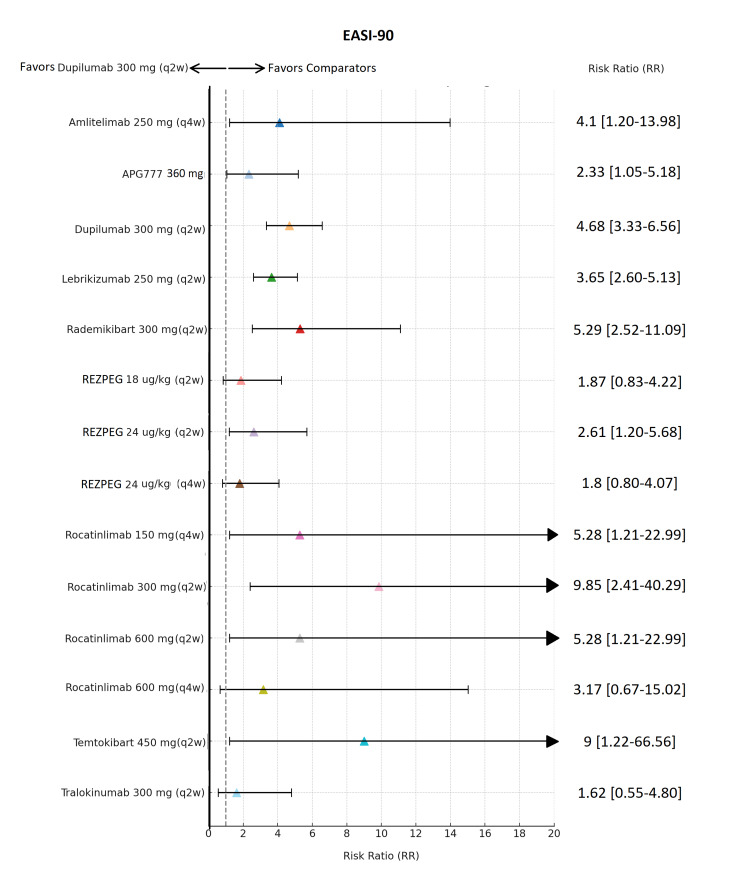 Figure 5
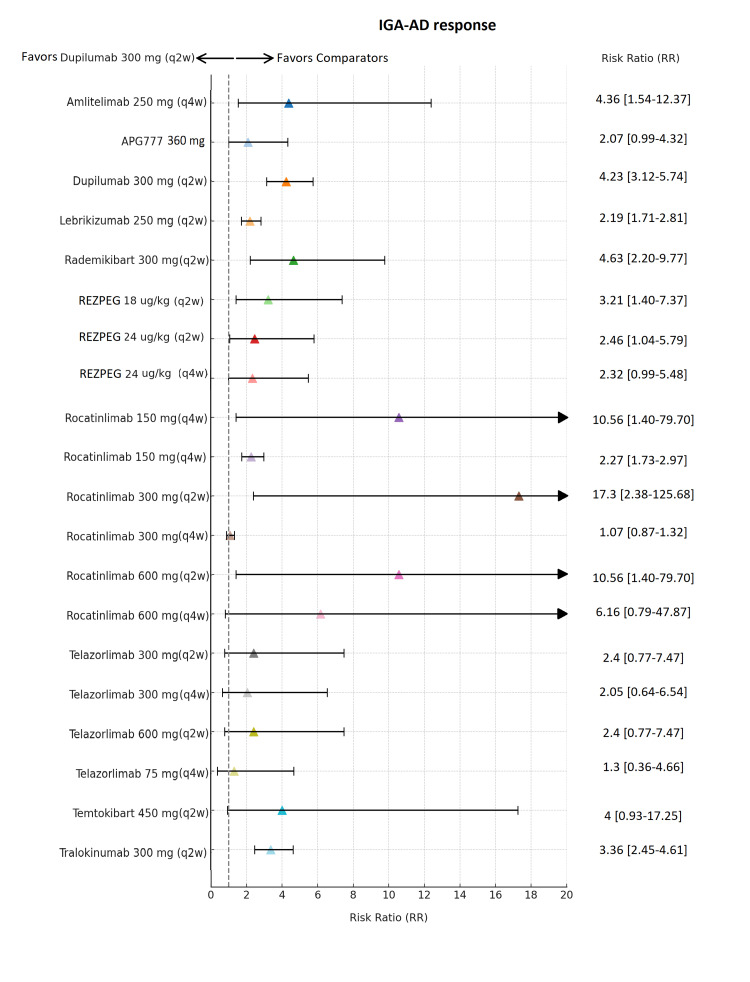 Figure 6
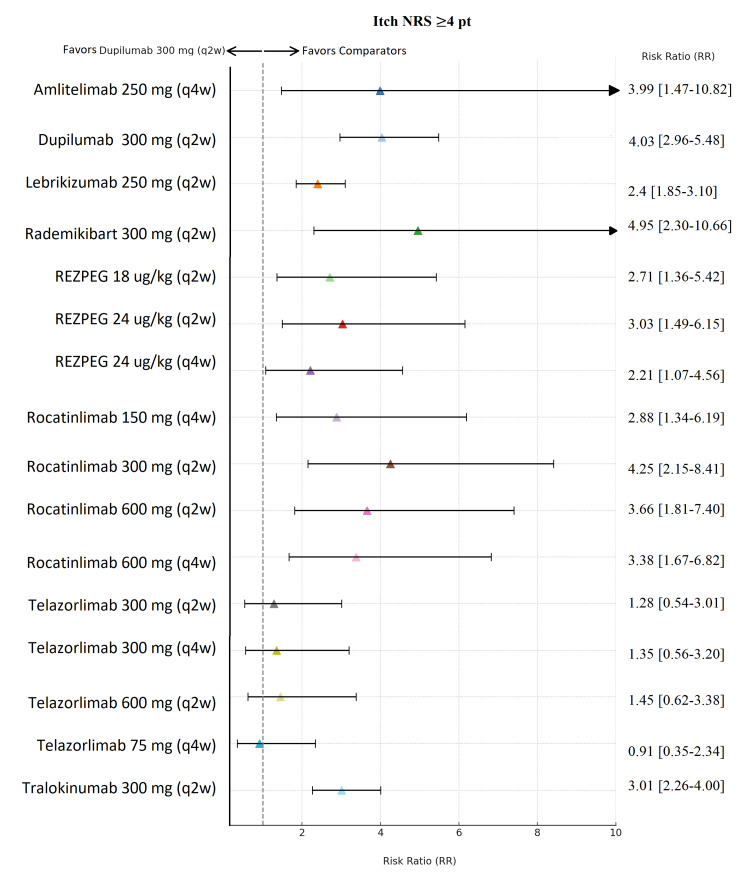 Figure 7
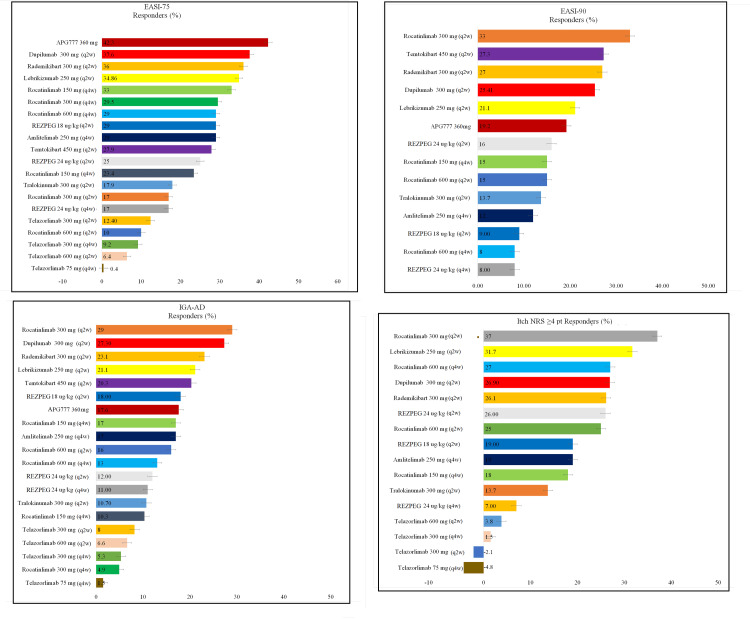 Figure 8
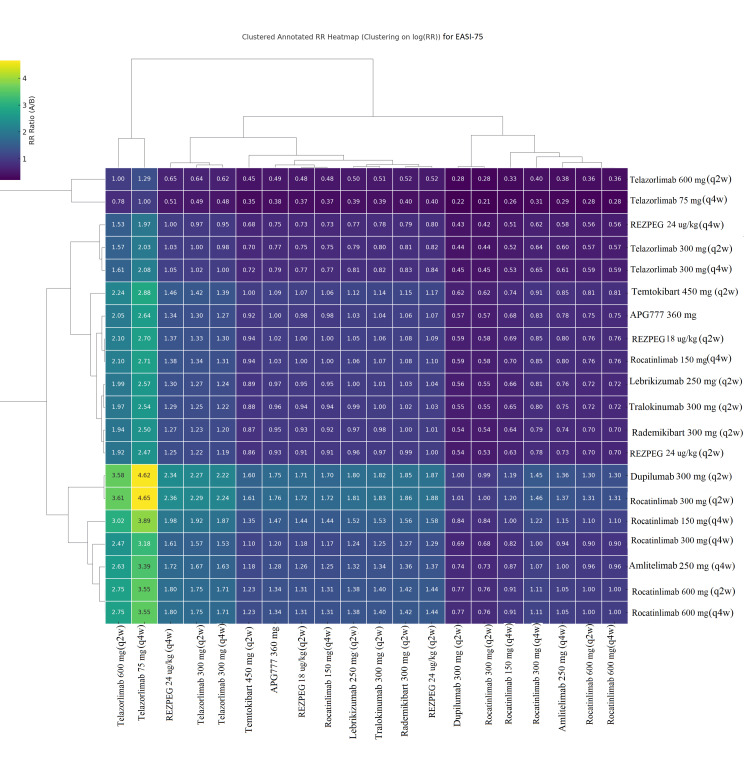 Figure 9
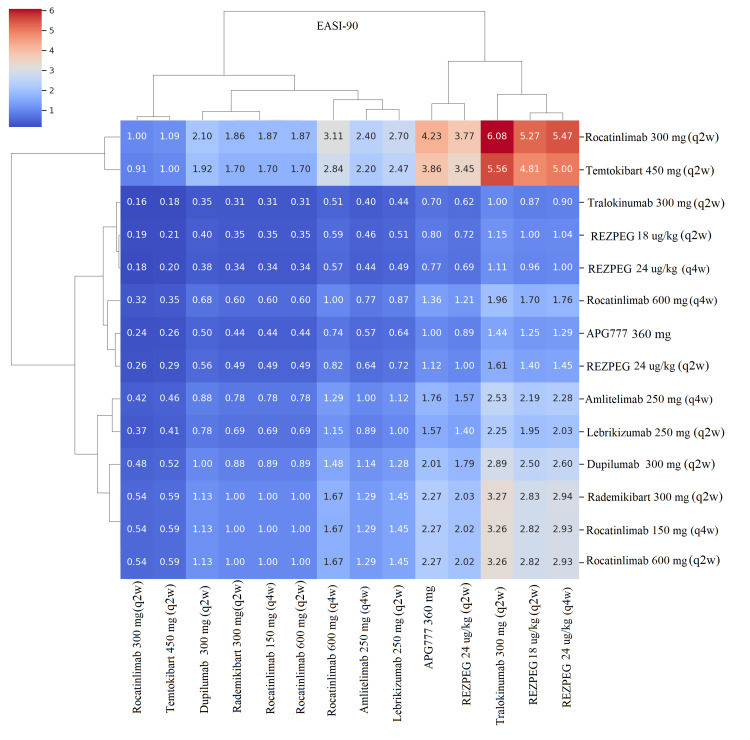 Figure 10
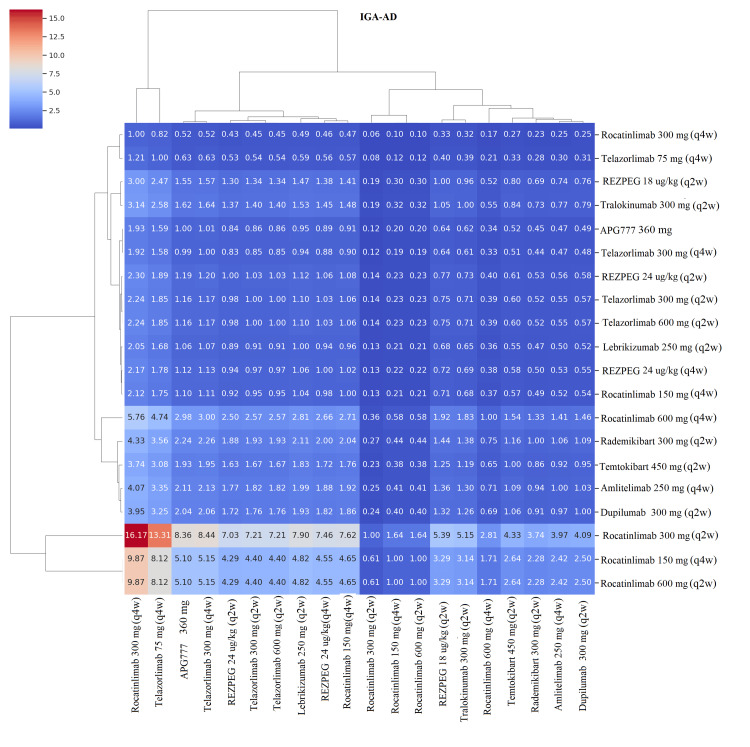 Figure 11
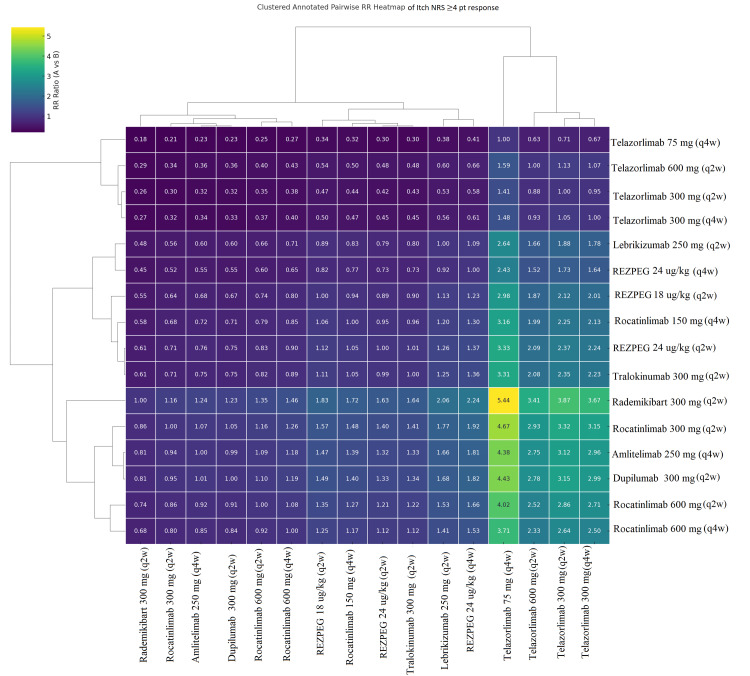 Figure 12
Peer Reviews
No public reviews on file for this paper yet. If you reviewed it on a platform where reviews are public (OpenReview, ICLR, NeurIPS, ICML), you can paste yours below so the community can read it here.
Videos
No videos yet. Explain this paper in a talk, walkthrough, or lecture? Add one.
Taxonomy
TopicsDermatology and Skin Diseases · Allergic Rhinitis and Sensitization · Drug-Induced Adverse Reactions