Benzylisoquinoline Alkaloid Production in Yeast via Norlaudanosoline Improves Titer, Selectivity, and Yield
Lauren Narcross, Michael E. Pyne, Kaspar Kevvai, Ka-Hei Siu, John E. Dueber, Vincent J. J. Martin

TL;DR
Scientists improved yeast-based production of benzylisoquinoline alkaloids, achieving higher yields and purity for pharmaceutical compounds like reticuline and sanguinarine.
Contribution
A new pathway using norlaudanosoline improves yeast production of benzylisoquinoline alkaloids with higher titer, selectivity, and yield.
Findings
Yeast produced 4.8 g/L of (S)-reticuline using the norlaudanosoline pathway, a 0.2 g/L increase over prior methods.
Yield improved from 17 to 24 mg/g sucrose in fed-batch fermentations.
Dihydrosanguinarine and sanguinarine were produced at 635 mg/L, a 40-fold increase over prior reports.
Abstract
The benzylisoquinoline alkaloid (BIA) family of tetrahydroisoquinolines (THIQs) comprises >2,500 members, including the pharmaceuticals morphine, codeine, and papaverine, as well as the antibiotics sanguinarine and chelerythrine. Agricultural cultivation can supply the demand for the BIAs that accumulate in plants, but broader access to the BIA family would facilitate additional research and commercialization. Microbial synthesis presents an attractive option due to cheap feedstock, genetic tractability, and ease of scale-up. Previously, we reported titers of the branch-point BIA (S)-reticuline of 4.6 g/L in yeast, which was achieved through leveraging the Ehrlich pathway 2-oxoacid decarboxylase Aro10 to generate the intermediate 4-hydroxyphenylacetaldehyde (4-HPAA). Here, we establish a superior route to (S)-reticuline by switching the pathway intermediate from 4-HPAA to…
Genes, proteins, chemicals, diseases, species, mutations and cell lines named across the full text — each resolved to its canonical identifier and authoritative record.
Click any figure to enlarge with its caption.
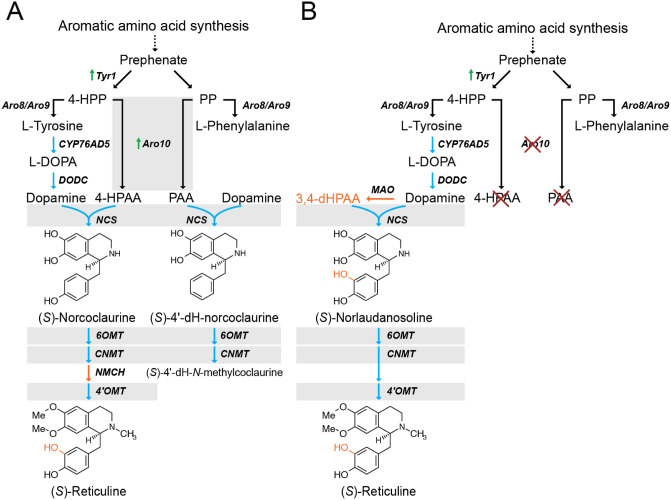 Figure 1
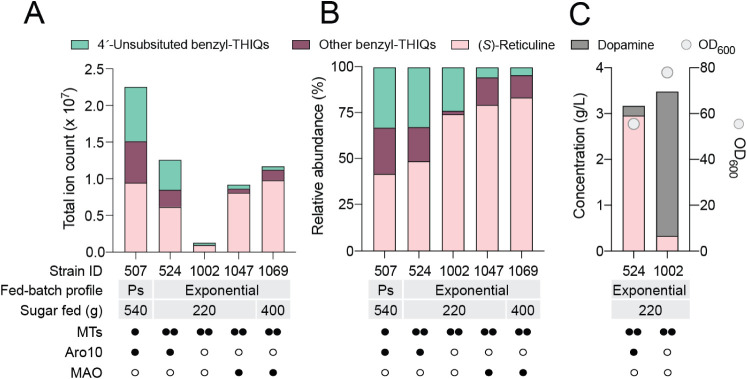 Figure 2
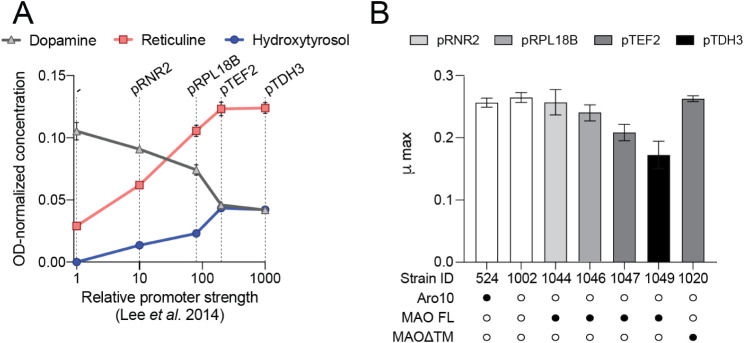 Figure 3
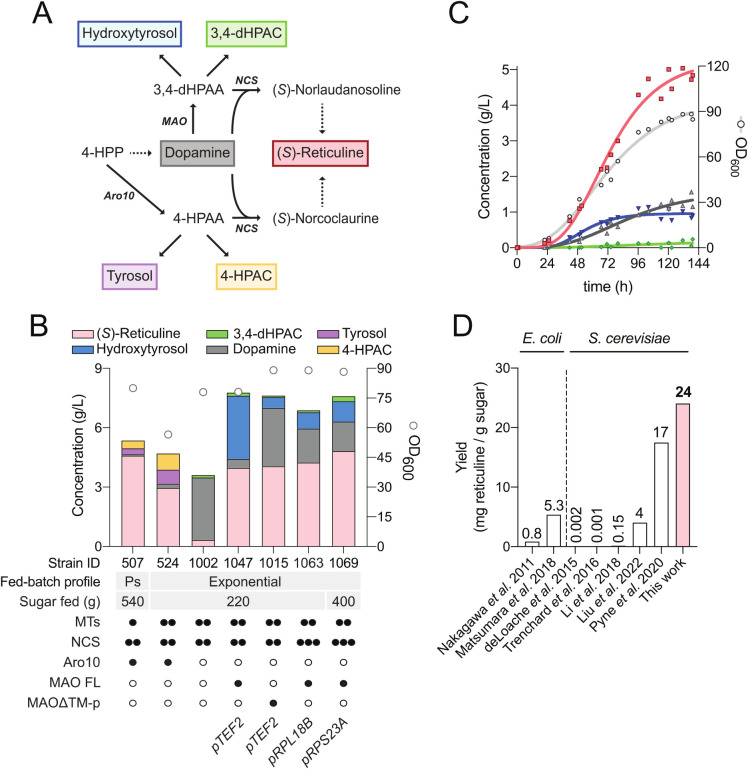 Figure 4
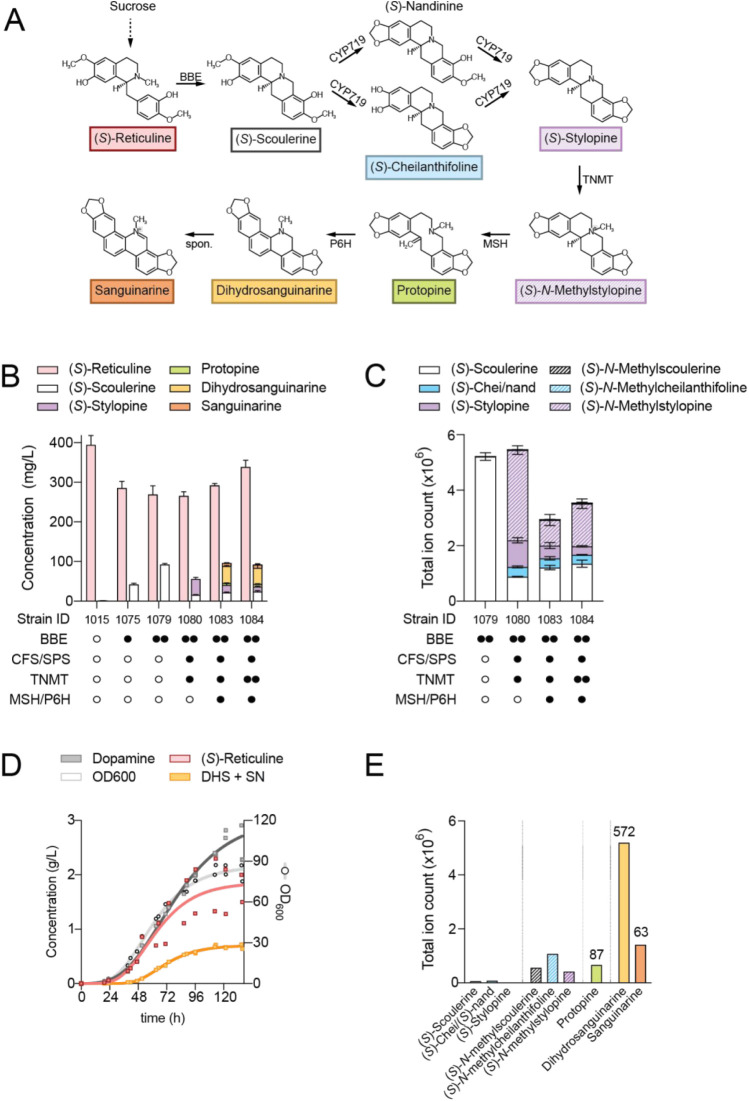 Figure 5
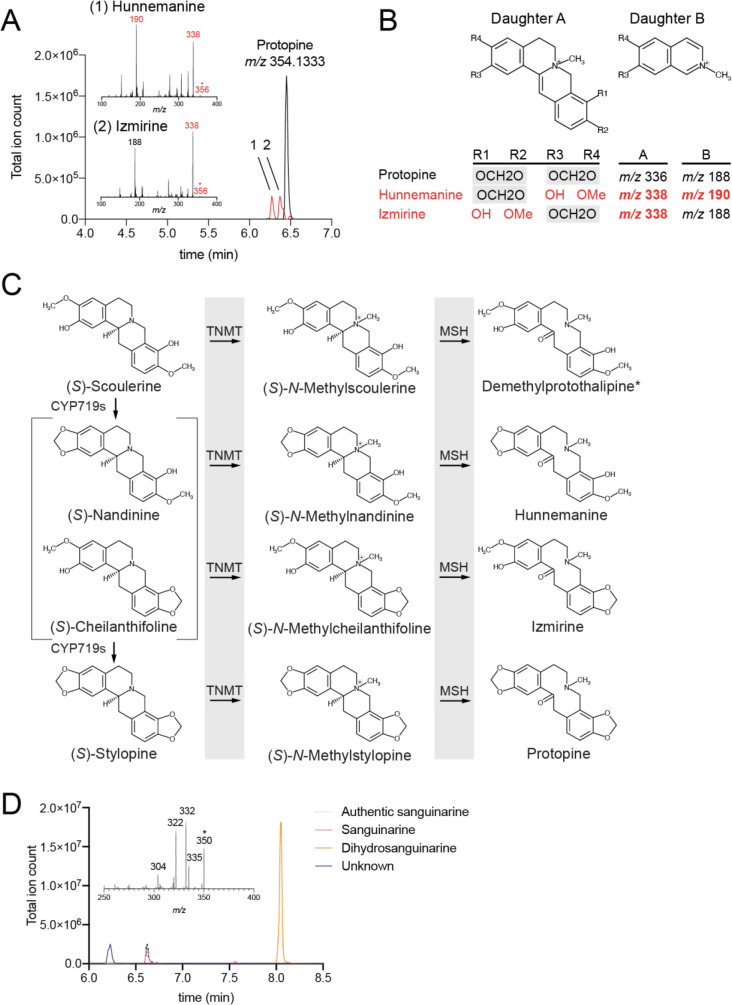 Figure 6
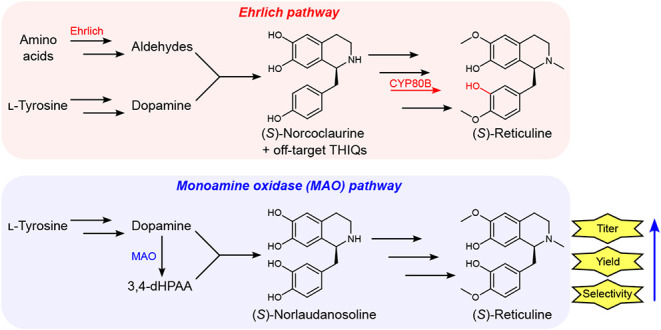 Figure 7
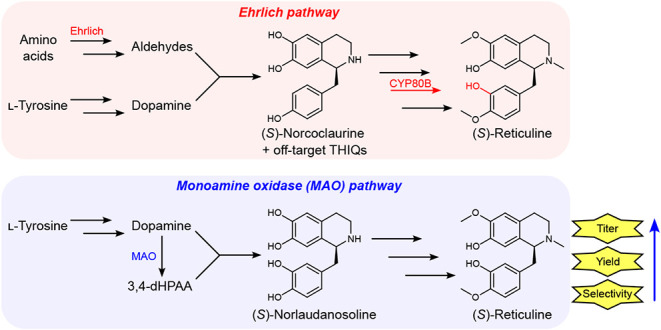 Figure 8
Peer Reviews
No public reviews on file for this paper yet. If you reviewed it on a platform where reviews are public (OpenReview, ICLR, NeurIPS, ICML), you can paste yours below so the community can read it here.
Videos
No videos yet. Explain this paper in a talk, walkthrough, or lecture? Add one.
Taxonomy
TopicsBioactive natural compounds · Traditional and Medicinal Uses of Annonaceae · Berberine and alkaloids research