Chemoenzymatic Synthesis of Norisoprenoid Aroma Compounds via C–H Activation by Engineered P450BM3
Wenyu Chen, Rory Woodhouse, Yuan Zhang, Avinash Pandreka, Yang Cao, Linxue Feng, Luet L. Wong

TL;DR
Researchers developed a new chemoenzymatic method to efficiently produce norisoprenoid aroma compounds using engineered enzymes, offering a milder and more scalable alternative to traditional chemical methods.
Contribution
The study introduces engineered P450BM3 enzymes for C–H activation in chemoenzymatic synthesis of norisoprenoids, achieving high conversion and scalability.
Findings
Engineered P450BM3 variants achieved high conversion rates and regioselectivity for synthesizing damascenones.
Alternative oxidation routes yielded tabanone isomers despite rearrangement challenges.
Enzymatic oxidation reached sp3 aliphatic positions, expanding product diversity and scalability.
Abstract
Norisoprenoid compounds such as the damascones, damascenones, and megastigmatrienones are widely used in the flavor and fragrance industry. Their low natural abundance and the limitations of traditional synthetic routes, such as high energy demands, use of toxic reagents, and challenges in isomeric selectivity, hinder production under mild conditions. Here, we report chemoenzymatic synthesis routes to these compounds using engineered P450BM3 variants for late-stage C–H activation. Screening of α- and β-damascone with a panel of 96 P450BM3 variants revealed high conversion rates and regioselectivities for the intermediates for acid-catalyzed dehydration to form γ- and β-damascenone, respectively. Megastigmatriene oxidation did not give tabanone due to rearrangement to β-ionol, but alternative routes via α-ionol and α-ionone oxidation yielded a mixture of tabanone isomers. Beyond allylic…
Genes, proteins, chemicals, diseases, species, mutations and cell lines named across the full text — each resolved to its canonical identifier and authoritative record.
Click any figure to enlarge with its caption.
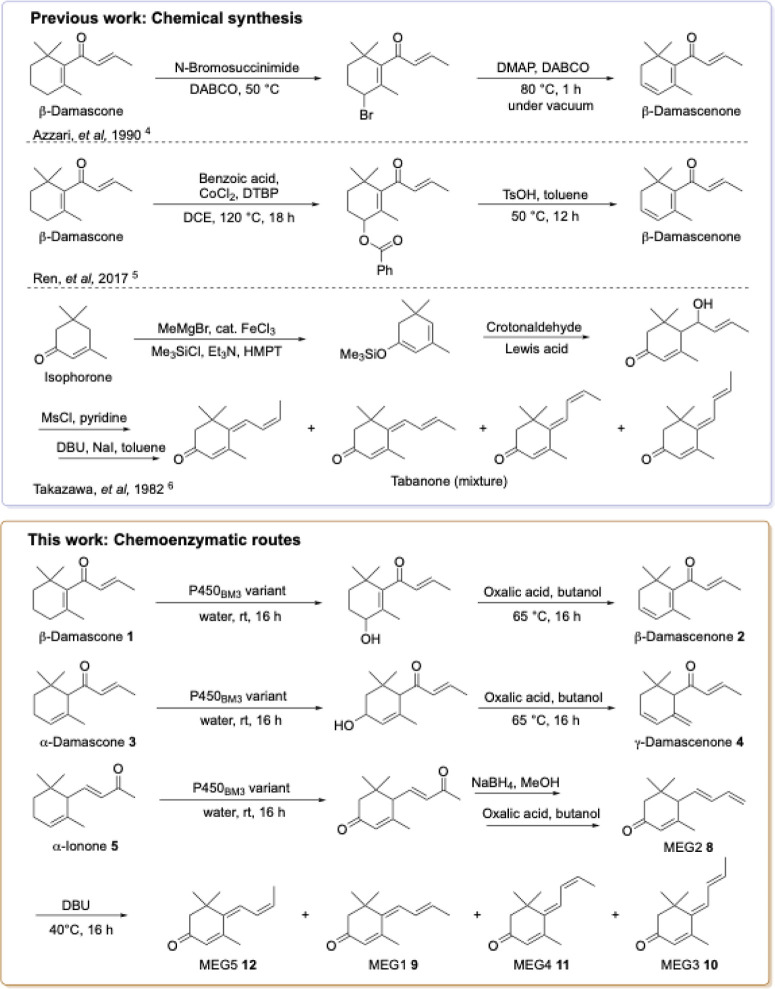 Figure 1
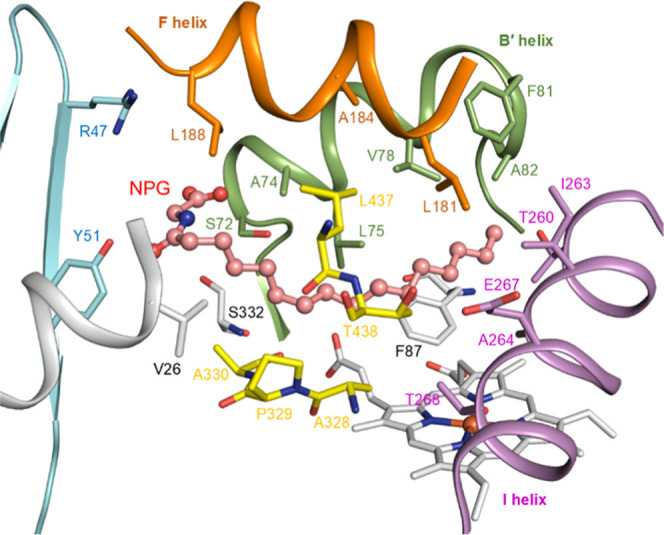 Figure 2
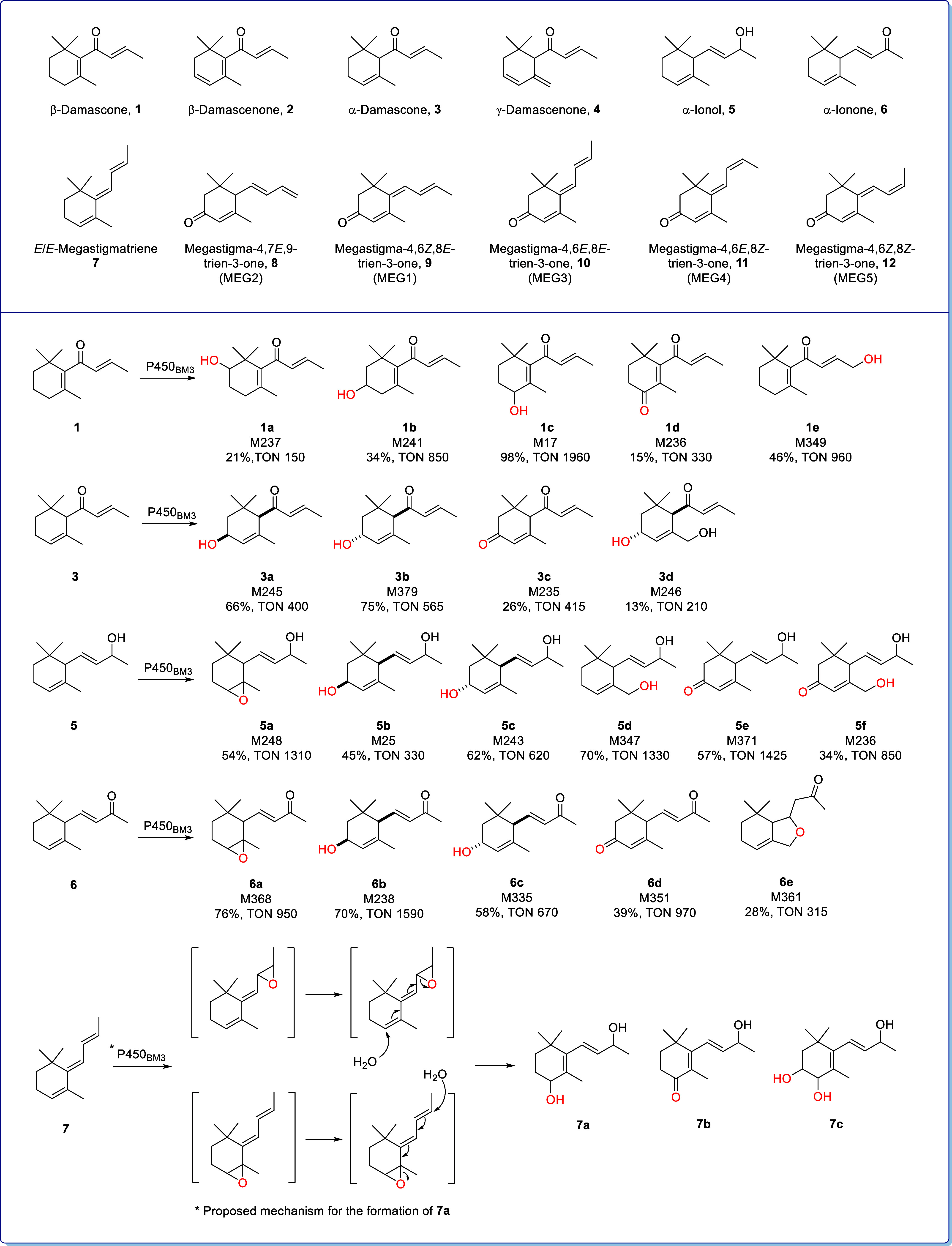 Figure 3
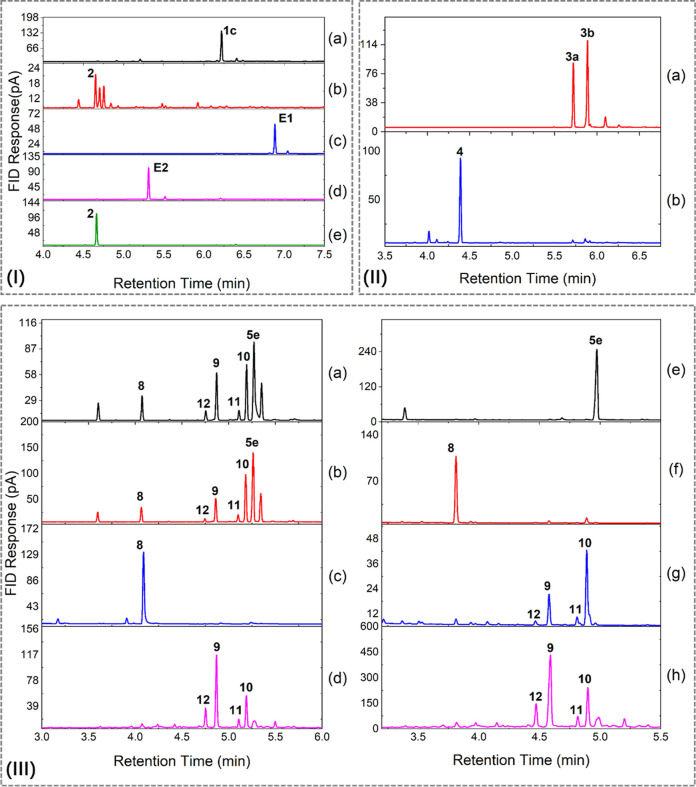 Figure 4
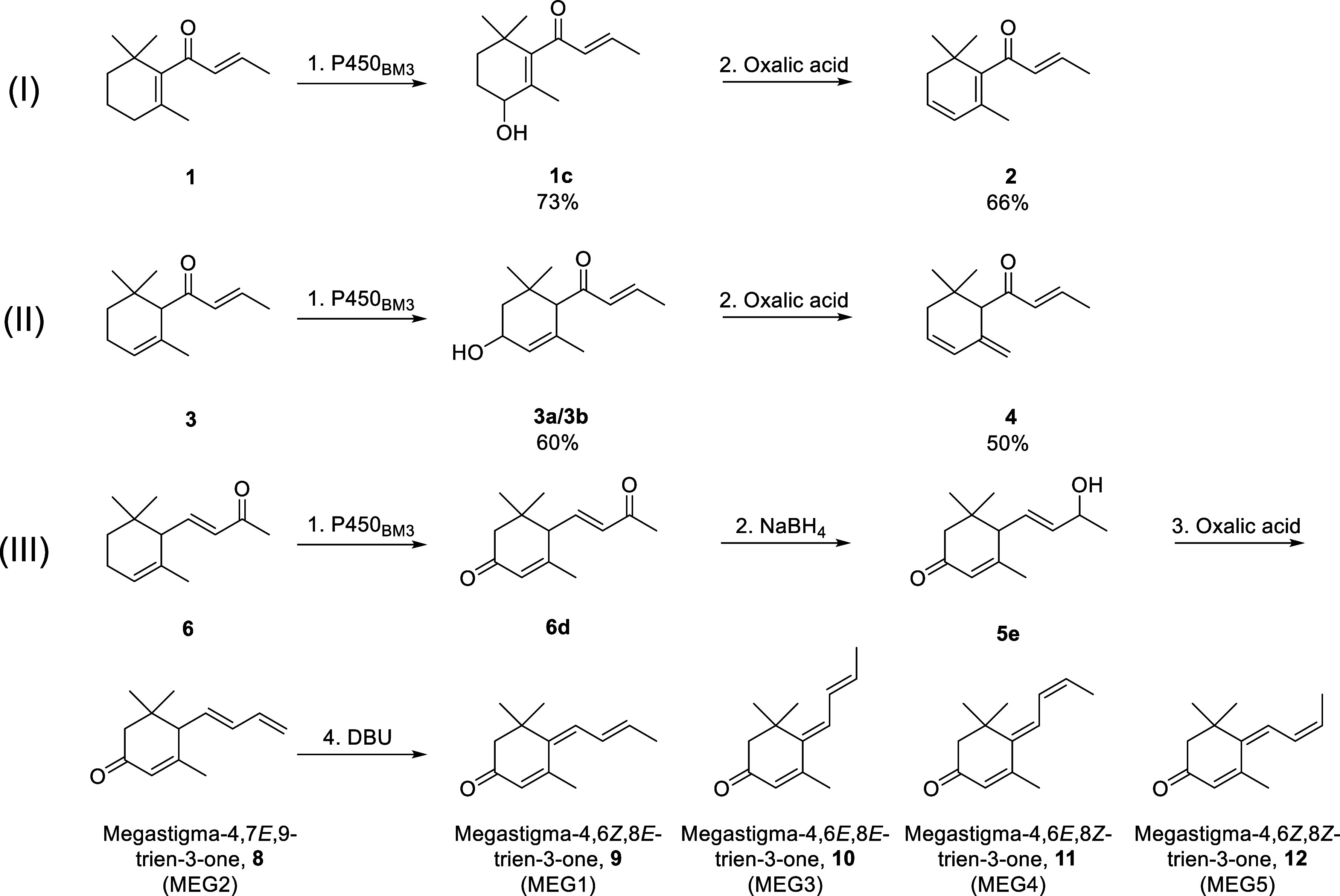 Figure 5
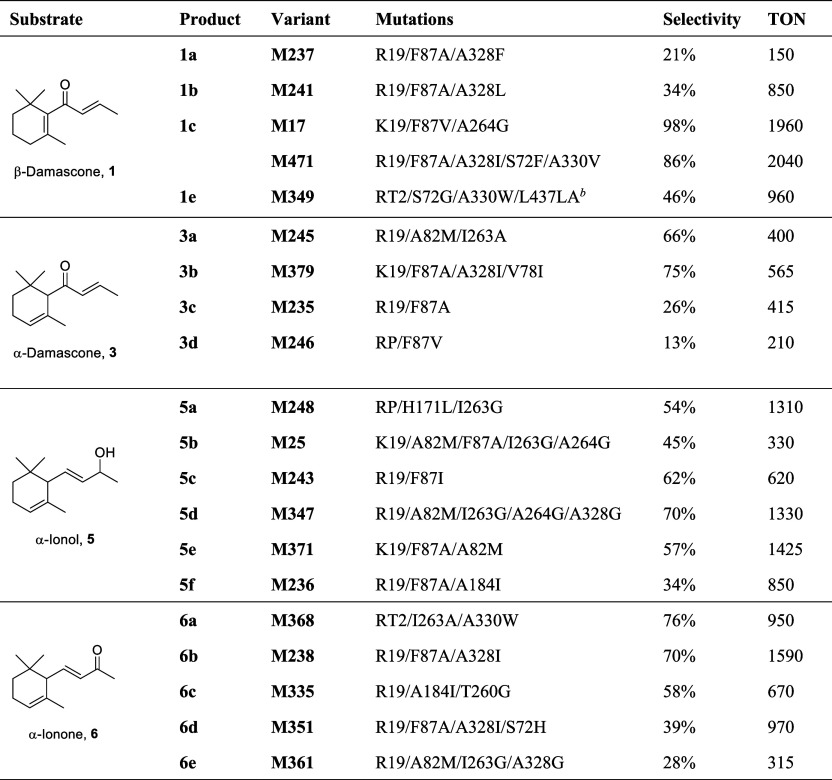 Figure 6
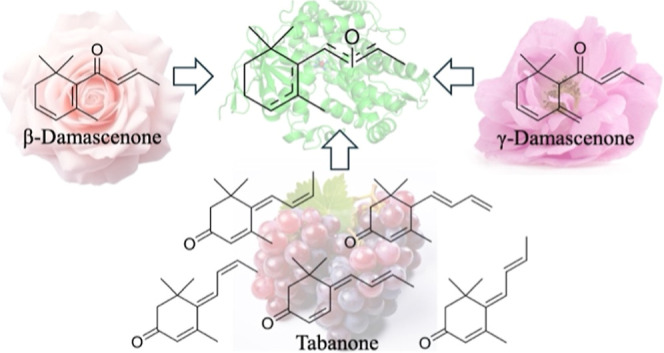 Figure 7
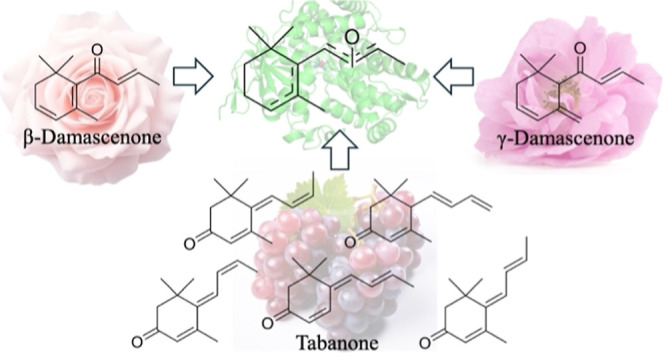 Figure 8
Peer Reviews
No public reviews on file for this paper yet. If you reviewed it on a platform where reviews are public (OpenReview, ICLR, NeurIPS, ICML), you can paste yours below so the community can read it here.
Videos
No videos yet. Explain this paper in a talk, walkthrough, or lecture? Add one.
Taxonomy
TopicsPharmacogenetics and Drug Metabolism · Steroid Chemistry and Biochemistry · Chemical synthesis and alkaloids