Copper-Catalyzed Amino-alkoxycarbonylation of Unactivated Alkenes: Synthesis of β‑Amino Esters via Primary Tosyl Amidyl Radical
Xudong Mao, Ming Hou, Yuanrui Wang, Ren-Guan Miao, Xiao-Feng Wu

TL;DR
The paper introduces a new copper-catalyzed method to efficiently synthesize β-amino esters from unactivated alkenes using a primary tosyl amidyl radical.
Contribution
A novel copper-catalyzed amino-alkoxycarbonylation method for synthesizing β-amino esters from unactivated alkenes.
Findings
A primary tosyl amidyl radical initiates 1,2-amino-alkoxycarbonylation of unactivated alkenes.
The method provides a straightforward and efficient synthesis of β-amino acid derivatives.
Abstract
β-Amino acids serve as essential motifs in a wide array of bioactive compounds, pharmaceuticals, and natural products, playing a crucial role in the development of peptides and peptidomimetics. Transition-metal-catalyzed carbonylative functionalization represents an ideal strategy for synthesizing carbonyl-containing compounds. In this context, we disclose a primary tosyl amidyl radical initiated 1,2-amino-alkoxycarbonylation of unactivated alkenes, which offers a straightforward and efficient approach to synthesize β-amino acid derivatives.
Genes, proteins, chemicals, diseases, species, mutations and cell lines named across the full text — each resolved to its canonical identifier and authoritative record.
Click any figure to enlarge with its caption.
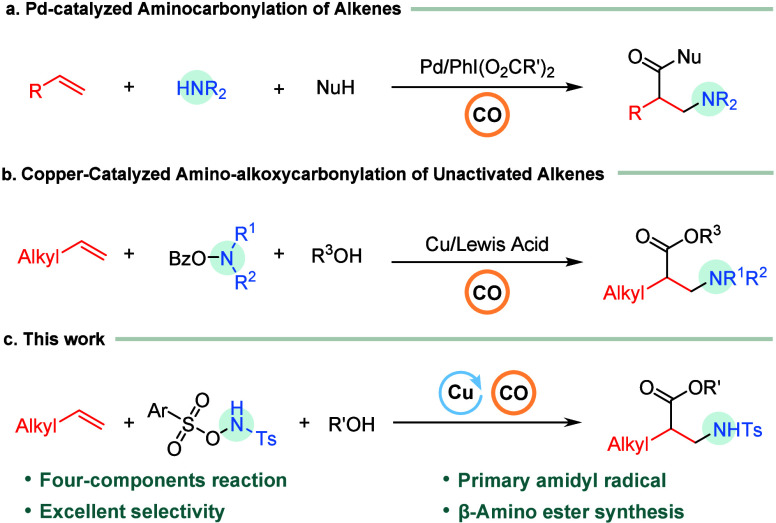 Figure 1
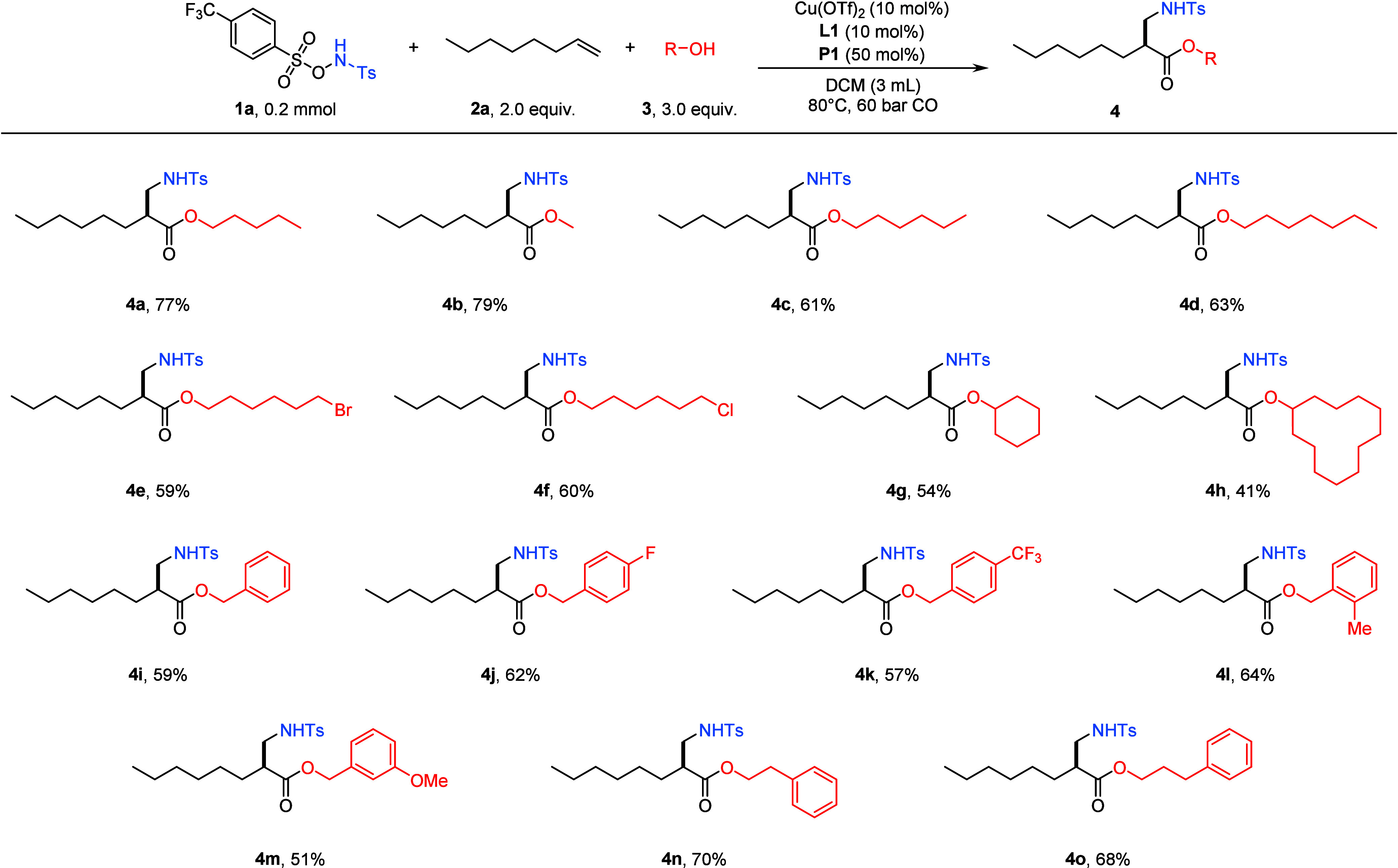 Figure 2
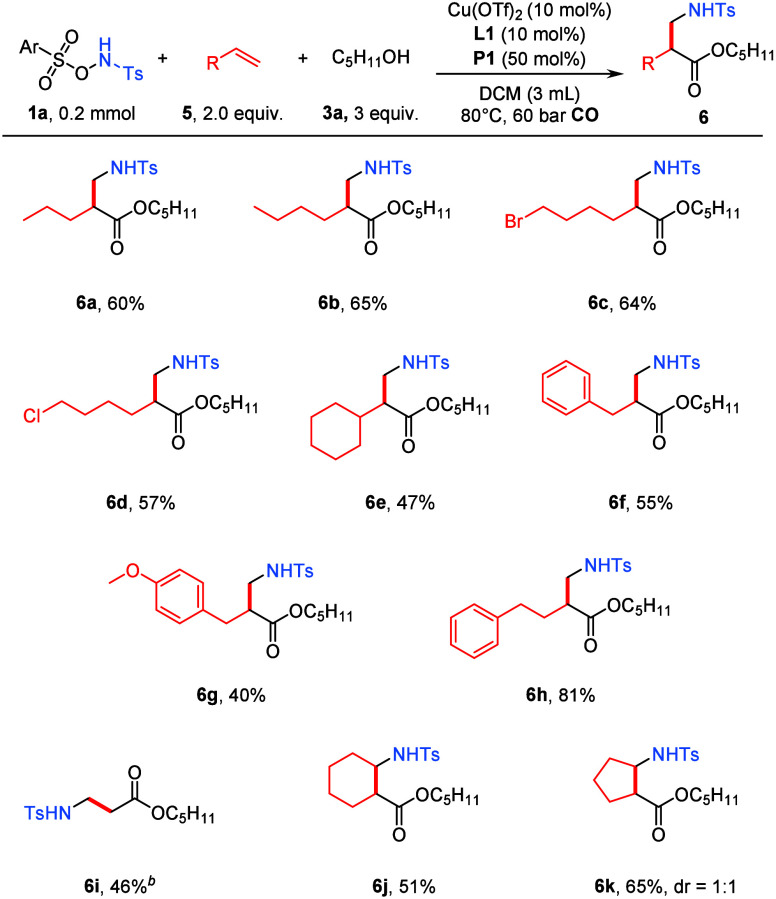 Figure 3
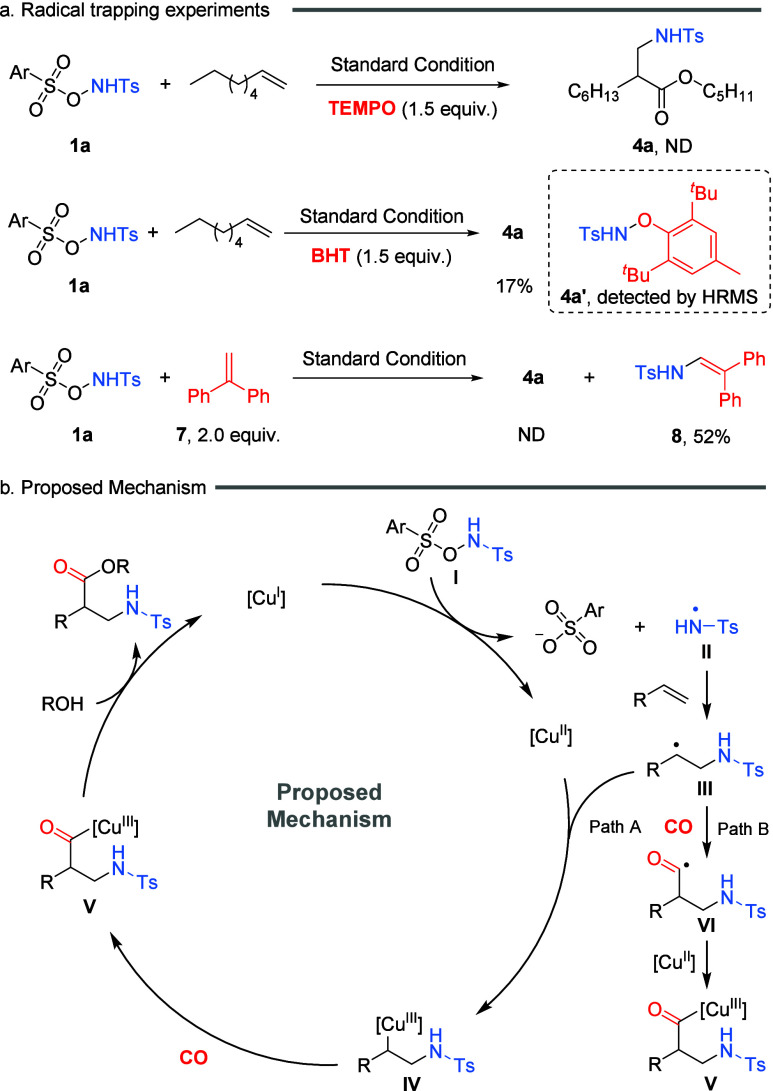 Figure 4
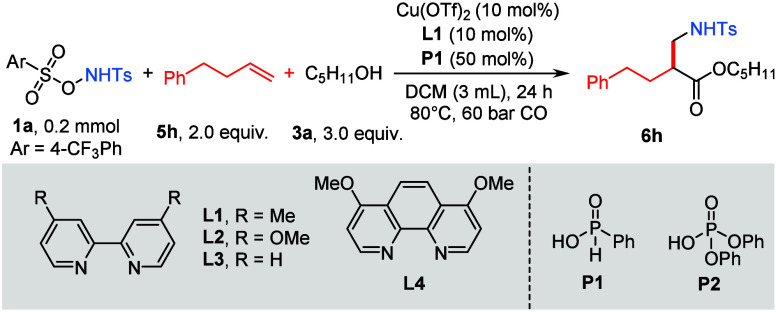 Figure 5
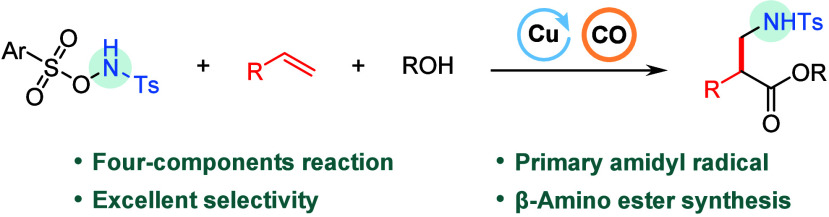 Figure 6
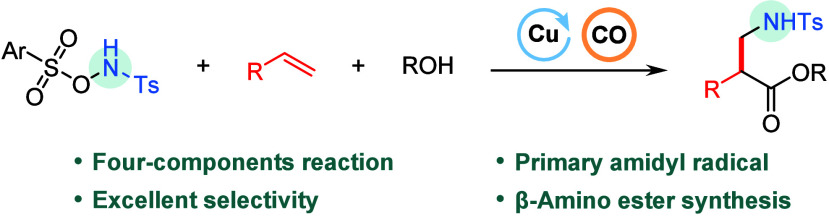 Figure 7
Peer Reviews
No public reviews on file for this paper yet. If you reviewed it on a platform where reviews are public (OpenReview, ICLR, NeurIPS, ICML), you can paste yours below so the community can read it here.
Videos
No videos yet. Explain this paper in a talk, walkthrough, or lecture? Add one.
Taxonomy
TopicsCatalytic C–H Functionalization Methods · Radical Photochemical Reactions · Catalytic Cross-Coupling Reactions