Multimodal neuroimaging of locus coeruleus-default mode network connectivity for predicting dexmedetomidine response in chronic insomnia disorder
Yongqiong Tao, Yonghong Zhou, Yongtao Tang, Zhouquan Wu, Ying Li, Haifeng Shi

TL;DR
This study uses brain imaging to predict which chronic insomnia patients will not respond well to a sleep therapy drug called dexmedetomidine.
Contribution
A multimodal neuroimaging model is developed to predict treatment response to dexmedetomidine in chronic insomnia.
Findings
Non-responders showed increased LC-DMN connectivity and altered graph metrics in key brain regions.
A model combining three imaging features achieved 81.6% accuracy in predicting treatment response.
Gray matter volume differences were minimal except for increased right hippocampal volume in non-responders.
Abstract
To explore whether pre-treatment functional connectivity between the locus coeruleus (LC) and default mode network (DMN), nodal graph-theoretical features, and gray matter volume can identify chronic insomnia patients who respond poorly to dexmedetomidine patient-controlled sleep therapy (PCSL). Chronic insomnia patients underwent PCSL with sub-anesthetic dexmedetomidine and were classified as responders or non-responders based on changes in the Pittsburgh Sleep Quality Index. All patients and matched good sleeper received pre-treatment resting-state functional Magnetic Resonance Imaging (MRI) and structural MRI. Functional connectivity, graph metrics, and gray matter volumes of LC and DMN regions were extracted. Predictors were selected using univariate analysis and Least Absolute Shrinkage and Selection Operator regression (LASSO), then used in a multivariate logistic model. Model…
Genes, proteins, chemicals, diseases, species, mutations and cell lines named across the full text — each resolved to its canonical identifier and authoritative record.
Click any figure to enlarge with its caption.
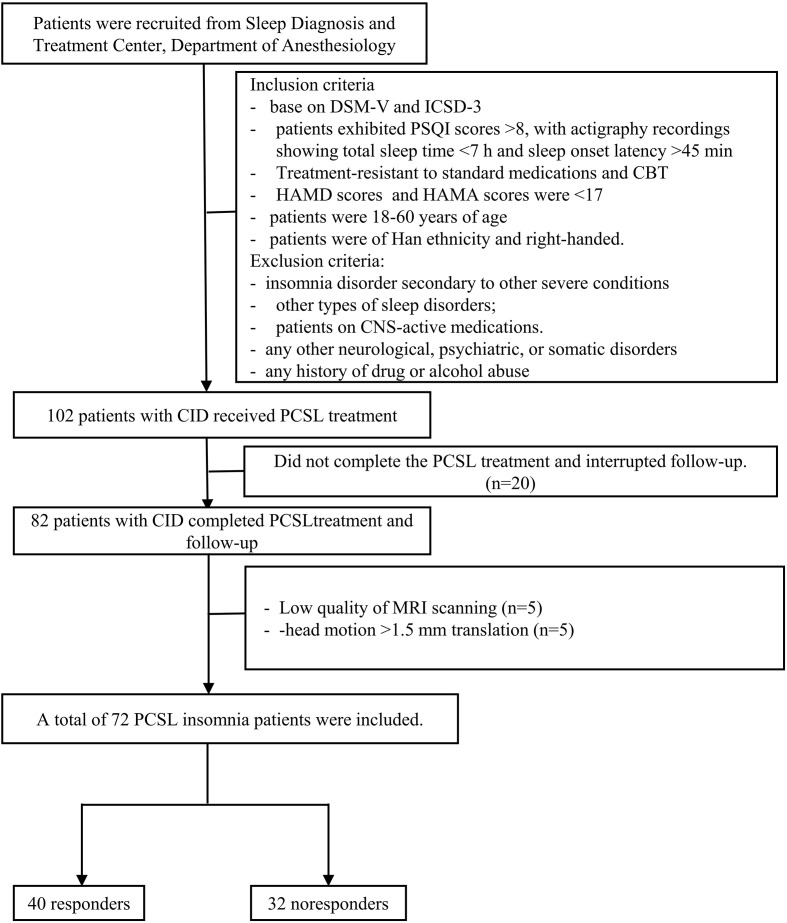 Figure 1
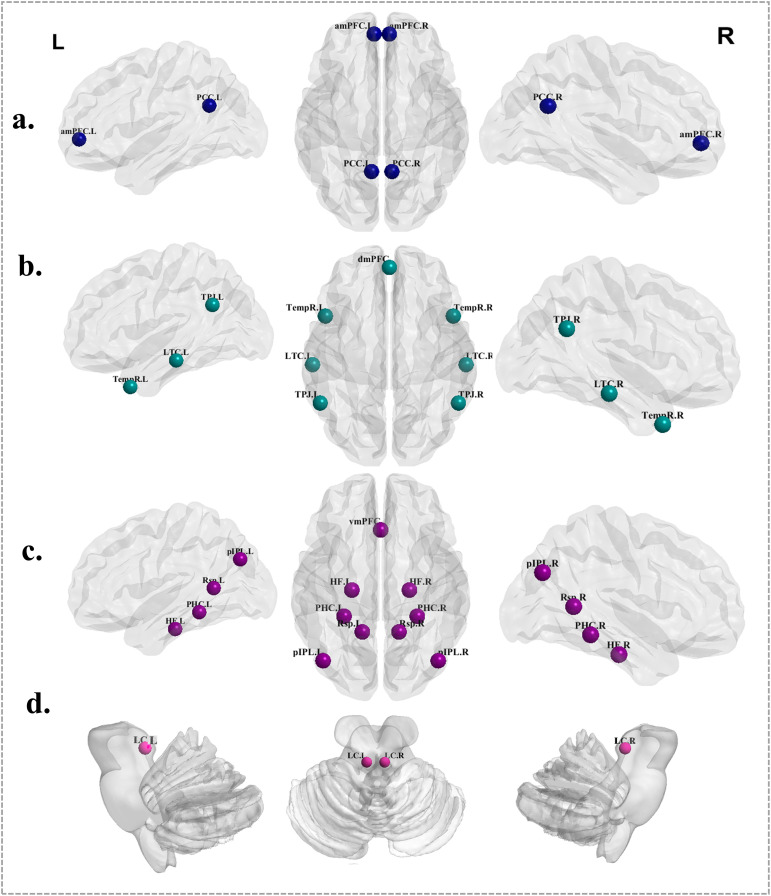 Figure 2
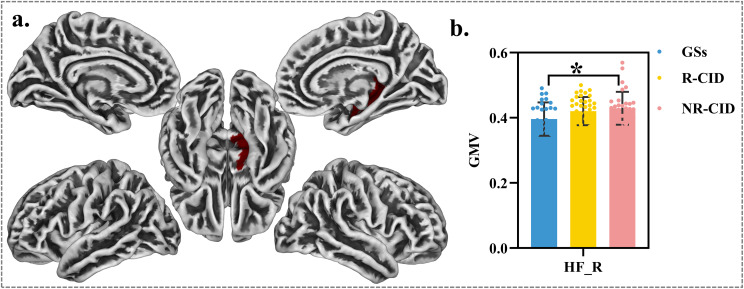 Figure 3
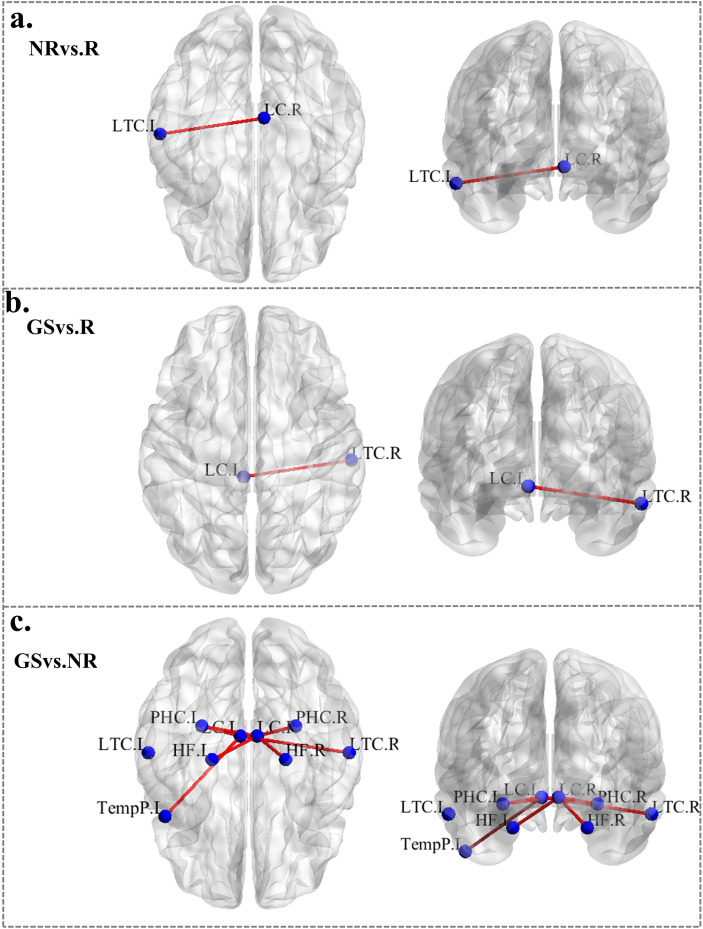 Figure 4
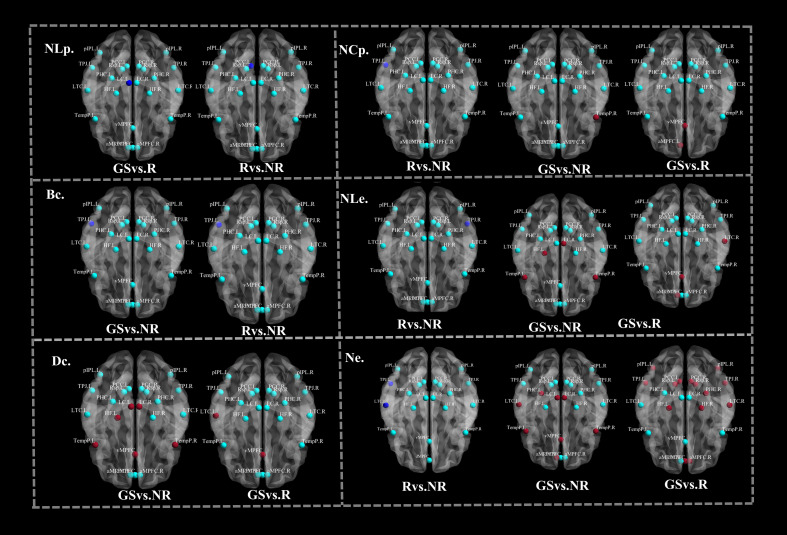 Figure 5
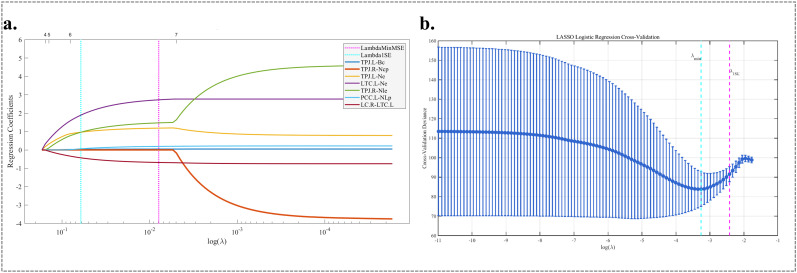 Figure 6
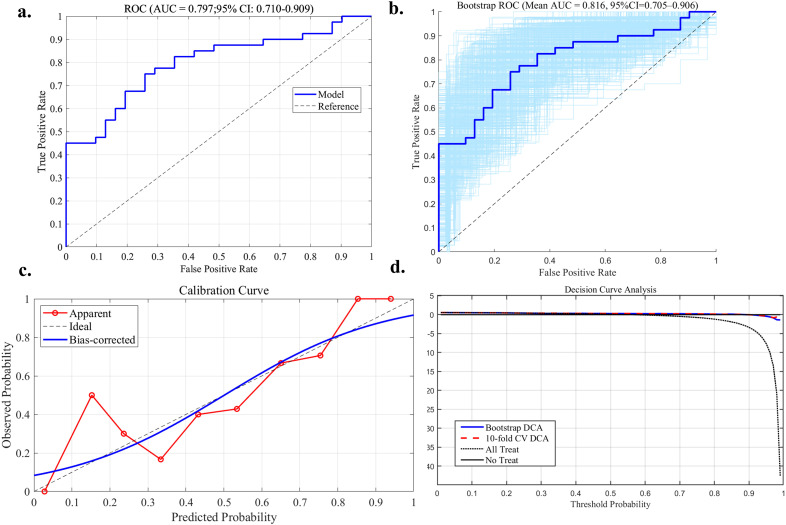 Figure 7
Peer Reviews
No public reviews on file for this paper yet. If you reviewed it on a platform where reviews are public (OpenReview, ICLR, NeurIPS, ICML), you can paste yours below so the community can read it here.
Videos
No videos yet. Explain this paper in a talk, walkthrough, or lecture? Add one.
Taxonomy
TopicsSleep and related disorders · Functional Brain Connectivity Studies · Sleep and Wakefulness Research