A Large-Scale Method to Measure the Stoichiometries of Protein Poly-ADP-Ribosylation
Peng Li, Yajie Zhang, Chiho Kim, Yonghao Yu

TL;DR
This paper introduces a new method to measure how often proteins are modified by PARylation, revealing that most modifications occur at low levels and are linked to specific biological functions.
Contribution
A novel large-scale method to quantify PARylation stoichiometry across hundreds of proteins, capturing all amino acid acceptor linkages.
Findings
PARylation occupancy varies over three orders of magnitude, with most events occurring at low stoichiometry (median 0.58%).
High-stoichiometry PARylation primarily targets proteins involved in transcription regulation and chromatin remodeling.
The method enables comprehensive quantification of PARylation under genotoxic conditions.
Abstract
Poly-ADP-ribosylation (PARylation) is a reversible post-translational modification that occurs in higher eukaryotes. While thousands of PARylated substrates have been identified, the specific biological functions of most PARylated proteins remain elusive. PARylation stoichiometry is a critical parameter to assess the potential functions of a PARylated protein. Here, we developed a large-scale strategy to measure the stoichiometries of protein PARylation. By integrating chemically mild cell lysis conditions, boronate enrichment, and carefully designed titration experiments, we were able to determine the PARylation stoichiometries for a total of 235 proteins. Importantly, this approach enables the capture of all PARylation events, regardless of their amino acid acceptor linkages. We revealed that PARylation occupancy spans over 3 orders of magnitude. However, most PARylation events occur…
Genes, proteins, chemicals, diseases, species, mutations and cell lines named across the full text — each resolved to its canonical identifier and authoritative record.
Click any figure to enlarge with its caption.
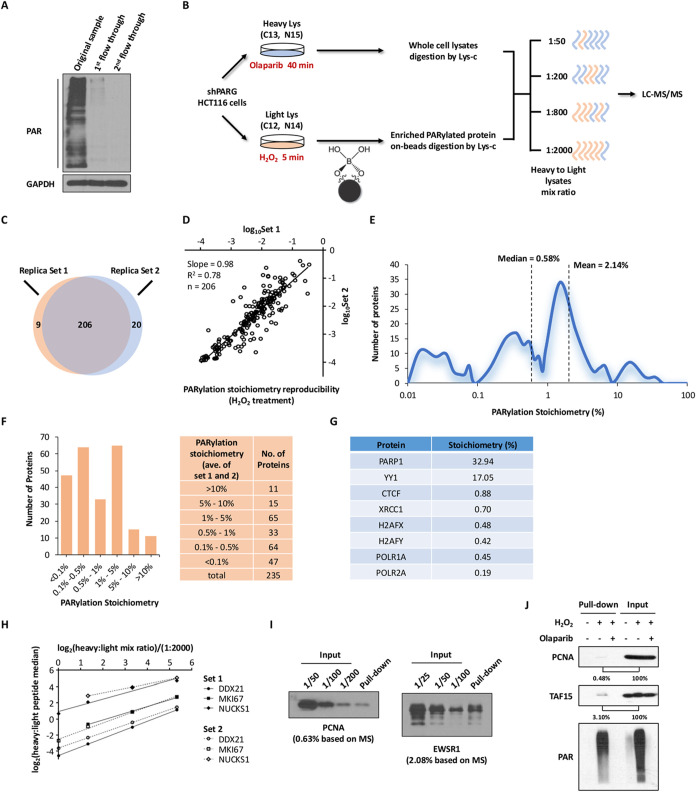 Figure 1
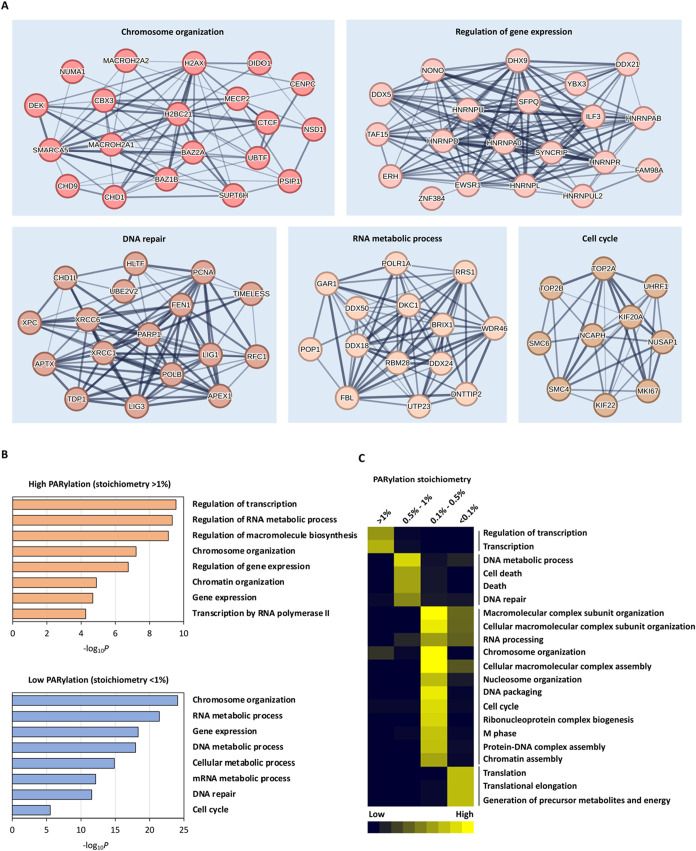 Figure 2
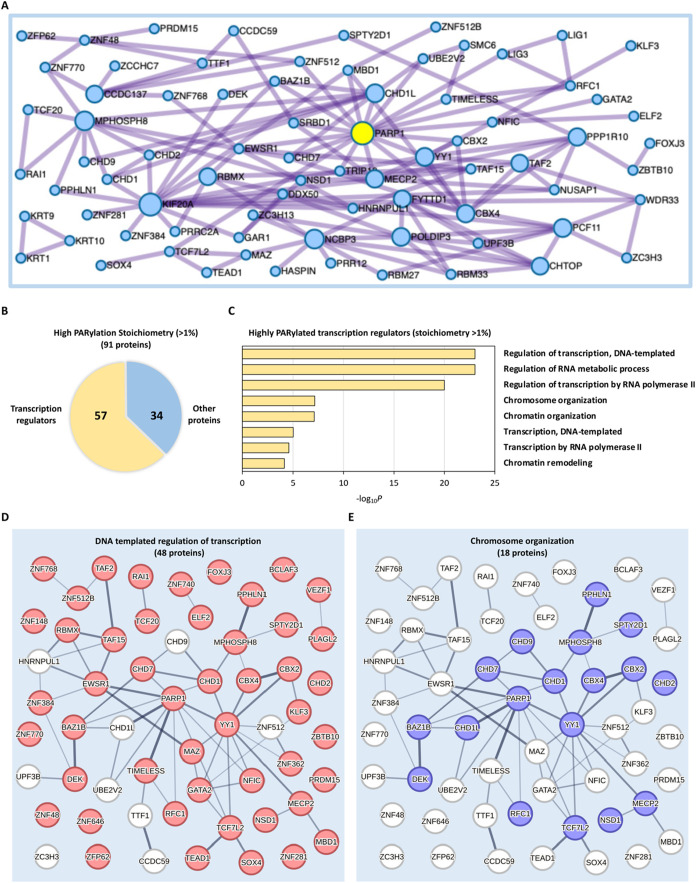 Figure 3
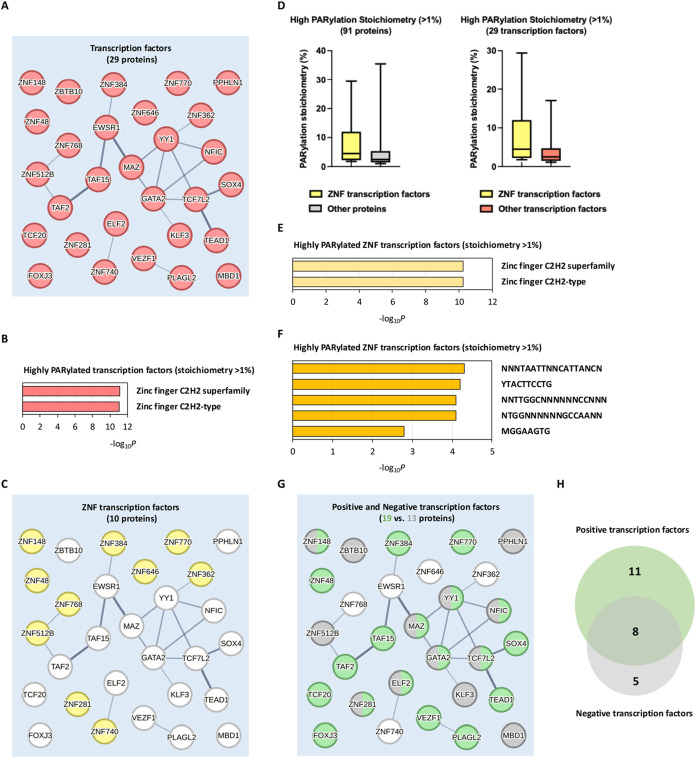 Figure 4
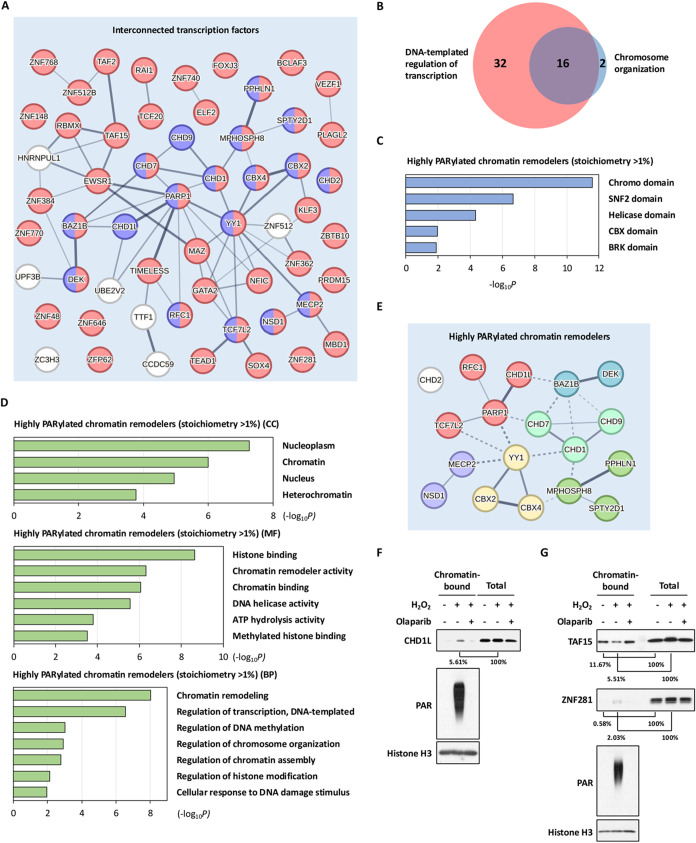 Figure 5
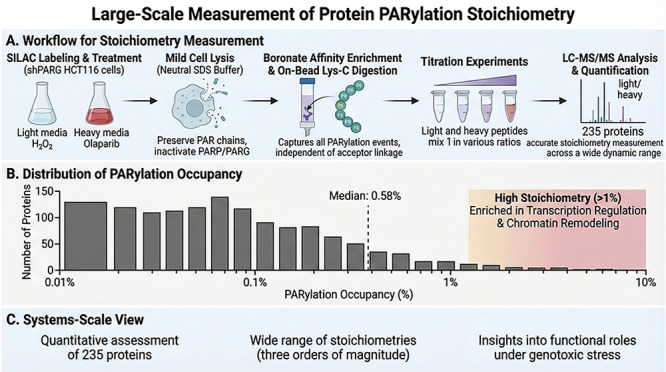 Figure 6
 Figure 7
 Figure 8
Peer Reviews
No public reviews on file for this paper yet. If you reviewed it on a platform where reviews are public (OpenReview, ICLR, NeurIPS, ICML), you can paste yours below so the community can read it here.
Videos
No videos yet. Explain this paper in a talk, walkthrough, or lecture? Add one.
Taxonomy
TopicsSirtuins and Resveratrol in Medicine · Peptidase Inhibition and Analysis · RNA and protein synthesis mechanisms