Alignment of Large Language Model Responses With Human Therapists in Motivational Interviewing
Bazen Gashaw Teferra, Sandra Huang, Nabil Johny, Argyrios Perivolaris, Huda Al-Shamali, Karisa Parkington, Alice Rueda, Richard J. Zeifman, Divya Sharma, Sri Krishnan, Candice Monson, Venkat Bhat

TL;DR
This study evaluates how well a large language model's responses match those of human therapists during motivational interviewing sessions, finding moderate contextual appropriateness but limited semantic alignment.
Contribution
The study introduces a method to assess LLM alignment with human therapists in motivational interviewing using automated similarity metrics.
Findings
LLMs showed higher contextual appropriateness than semantic similarity in therapist-like responses.
Alignment improved in sessions with greater therapist topic consistency.
LLM performance declined slightly over longer conversations with signs of reduced contextual grounding.
Abstract
This cross-sectional study uses automated similarity metrics to examine how closely the responses of a large language model align with human therapist responses in motivational interviewing conversations. Can a large language model (LLM) generate therapist responses that align with human therapist turns in motivational interviewing (MI)–oriented conversations? In this cross-sectional study of 154 high-fidelity MI sessions (3706 therapist turns), the LLM showed low semantic similarity to therapist responses but higher contextual appropriateness. Alignment was significantly higher in sessions with greater therapist topic consistency and declined modestly over longer conversations. The findings suggest LLMs can produce contextually appropriate MI-consistent responses, but limitations in coherence and stylistic alignment highlight the need for further validation before clinical use.…
Genes, proteins, chemicals, diseases, species, mutations and cell lines named across the full text — each resolved to its canonical identifier and authoritative record.
Click any figure to enlarge with its caption.
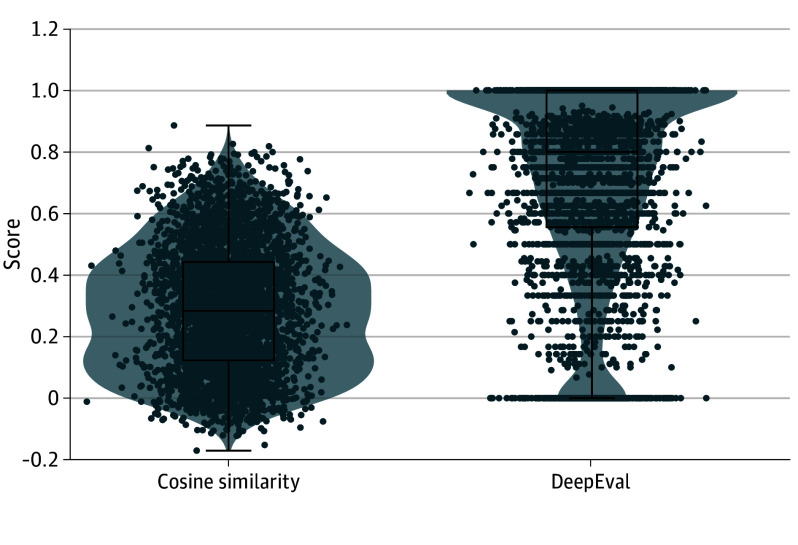 Figure 1
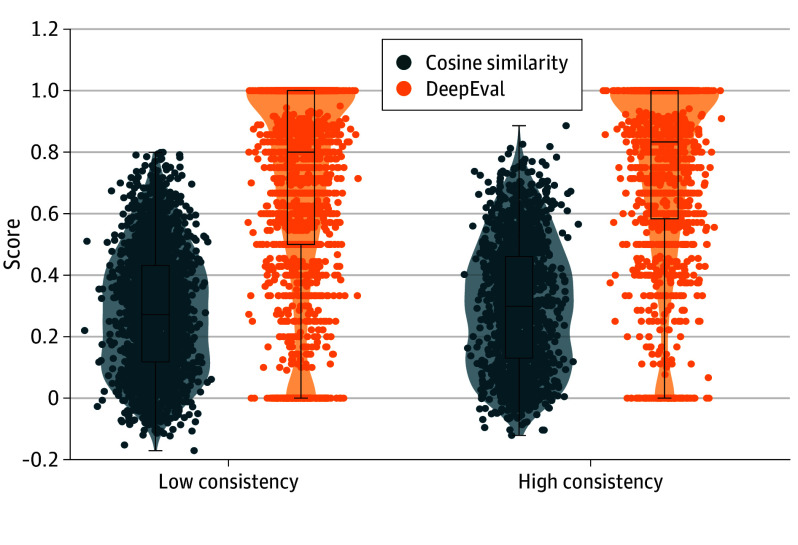 Figure 2
Peer Reviews
No public reviews on file for this paper yet. If you reviewed it on a platform where reviews are public (OpenReview, ICLR, NeurIPS, ICML), you can paste yours below so the community can read it here.
Videos
No videos yet. Explain this paper in a talk, walkthrough, or lecture? Add one.
Taxonomy
TopicsDigital Mental Health Interventions · Mental Health via Writing · Mental Health Research Topics